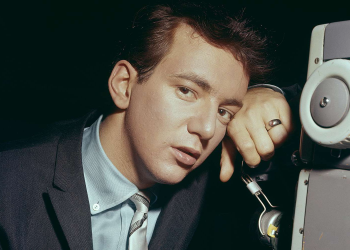
Buddy Holly (1936–1959) was a pioneering American rock and roll musician whose innovative approach helped shape the genre. Known for his distinctive voice and songwriting talent, Holly’s music combined elements of rockabilly, R&B, and pop. He achieved significant success with hits like “That’ll Be the Day,” “Peggy Sue,” and “Oh Boy!”
Holly’s use of unconventional arrangements and his influence on the structure of rock bands—particularly his incorporation of multiple guitars—had a lasting impact on the development of rock music. His career was tragically cut short when he died in a plane crash in 1959, an event famously referred to as “The Day the Music Died.” Despite his brief career, Holly’s contributions to music have made him an enduring and influential figure in rock and roll history.
1. That’ll Be The Day
“That’ll Be the Day” is a song by Buddy Holly and the Crickets, released in 1957. Written by Buddy Holly, Jerry Allison, and Norman Petty, the song became a major hit and is considered one of the defining tracks of early rock and roll.
The song features a catchy melody, upbeat rhythm, and Holly’s distinctive vocals. Its lyrics, expressing a sense of determination and defiance, are complemented by a driving guitar riff and energetic arrangement. “That’ll Be the Day” topped the charts and helped establish Holly and the Crickets as influential figures in rock and roll. The track remains one of Holly’s most iconic songs and a classic of the genre.
2. Everyday
“Everyday” is a song by Buddy Holly, released in 1957. Written by Holly and Norman Petty, the song features Holly’s distinctive vocal style and a catchy, upbeat melody.
“Everyday” is known for its simple yet effective arrangement, including a memorable string section and Holly’s trademark guitar work. The lyrics reflect a sense of romantic longing and everyday simplicity, contributing to the song’s enduring appeal.
The track became one of Holly’s popular hits and is celebrated for its influence on rock and roll and pop music. It remains a classic example of Holly’s innovative approach to songwriting and production.
3. It Doesn’t Matter Anymore
“It Doesn’t Matter Anymore,” released by Buddy Holly in 1958, is a poignant and reflective song that showcases Holly’s signature sound and emotional depth. Written by Paul Anka and produced by Norman Petty, the track was one of Holly’s final recordings before his tragic death in a plane crash.
The song features a smooth, melancholic melody with Holly’s distinctive vocals expressing a sense of resignation and emotional detachment. The lyrics convey a feeling of acceptance and moving on from a past relationship, capturing a sense of melancholy and introspection.
“It Doesn’t Matter Anymore” is celebrated for its poignant lyrics and Holly’s emotive delivery, making it a memorable part of his influential catalog. The song remains a testament to Buddy Holly’s talent for blending heartfelt lyrics with his unique musical style.
4. Love Me
“Love Me” is a song by Buddy Holly, released in 1956 as his debut single. The track is known for its straightforward, heartfelt lyrics and Holly’s distinctive vocal style.
“Love Me” features a classic 1950s rock and roll sound with a blend of simple guitar riffs and a catchy melody. The song’s lyrics express a longing for affection and commitment, capturing the essence of youthful romance.
The track helped establish Holly as a promising artist and contributed to his early success. “Love Me” remains a significant part of Holly’s discography and an example of his ability to convey emotion through his music.
5. Send Me Some Lovin’
“Send Me Some Lovin’,” released by Little Richard in 1958, is a classic rhythm and blues track that highlights his dynamic vocal style and energetic performance. The song features a driving piano rhythm, energetic beats, and Little Richard’s distinctive, flamboyant vocals, capturing the essence of his rock and roll and R&B fusion.
The lyrics express a heartfelt plea for affection and connection, reflecting themes of love and longing. Little Richard’s passionate delivery and the song’s upbeat tempo make it a compelling example of his influence on the early rock and roll scene.
“Send Me Some Lovin’” remains a popular track, celebrated for its vibrant energy and Little Richard’s charismatic performance, which helped define the sound of rock and roll in the late 1950s.
6. Not Fade Away
“Not Fade Away” is a song by Buddy Holly and the Crickets, released in 1957. Written by Buddy Holly and Norman Petty, the song features a distinctive beat and a driving rhythm that helped define early rock and roll.
The song is notable for its energetic drumming and Holly’s compelling vocal performance. Its lyrics express a sense of enduring love and commitment, with the chorus emphasizing the theme of lasting affection.
“Not Fade Away” became a hit and was influential in shaping the rock and roll genre. The song was later famously covered by the Rolling Stones in 1964, further cementing its place in rock music history.
7. Rave On!
“Rave On!” by Buddy Holly, released in 1958, is an upbeat and energetic rock and roll track that exemplifies Holly’s influential sound. The song, written by Sonny West, Bill Tilghman, and Norman Petty, features Holly’s distinctive vocals and a driving rhythm that captures the excitement of the rock and roll era.
With its catchy melody and lively tempo, “Rave On!” showcases Holly’s ability to blend rock and roll with elements of rhythm and blues. The song’s lyrics celebrate the joy of dancing and having a good time, reflecting the carefree spirit of the late 1950s rock and roll scene.
“Rave On!” is praised for its infectious energy and Holly’s dynamic performance, making it a standout track in his discography and a lasting testament to his impact on the development of rock and roll.
8. Peggy Sue
“Peggy Sue” is a classic song by Buddy Holly, released in 1957. Written by Buddy Holly, Jerry Allison, and Norman Petty, the track features Holly’s distinctive voice and a catchy, upbeat melody.
The song is known for its lively rhythm, memorable guitar riffs, and Holly’s playful lyrics about a girl named Peggy Sue. It became one of Holly’s signature hits and is celebrated for its influence on the rock and roll genre.
“Peggy Sue” reached the top of the charts and remains an iconic example of Holly’s early rock and roll sound, showcasing his talent for blending catchy melodies with energetic performances.
9. Crying, Waiting, Hoping
“Crying, Waiting, Hoping” is a song by Buddy Holly, released in 1958. Written by Holly and recorded during the latter part of his career, the track is characterized by its mellow, reflective tone and heartfelt lyrics.
The song features Holly’s signature vocal style and a simple, yet evocative arrangement that underscores the themes of longing and emotional vulnerability. With its introspective lyrics about waiting for a loved one and dealing with unfulfilled feelings, “Crying, Waiting, Hoping” showcases Holly’s ability to convey deep emotion through his music.
Despite being released towards the end of Holly’s career, the song has remained a notable part of his discography and a testament to his songwriting prowess.
10. Maybe Baby
“Maybe Baby,” released by Buddy Holly in 1957, is a classic rock and roll track that highlights Holly’s innovative style and influential sound. Written by Holly, Norman Petty, and Jerry Allison, the song features a catchy melody, upbeat tempo, and Holly’s distinctive vocals.
The lyrics express youthful uncertainty and longing in a relationship, with the phrase “Maybe baby” capturing the hesitance and hopefulness of young love. The song’s rhythmic guitar riff, driving beat, and vocal harmonies contribute to its energetic and memorable sound.
“Maybe Baby” became a hit, reaching the top 10 on the Billboard Hot 100, and is celebrated for its influence on the rock and roll genre. The track remains a staple in Buddy Holly’s catalog and is an enduring example of his pioneering role in the development of rock and roll music.

Edward Tomlin is a frequent contributor to Singers Room. Since 2005, Singersroom has been the voice of R&B around the world. Connect with us via social media below.