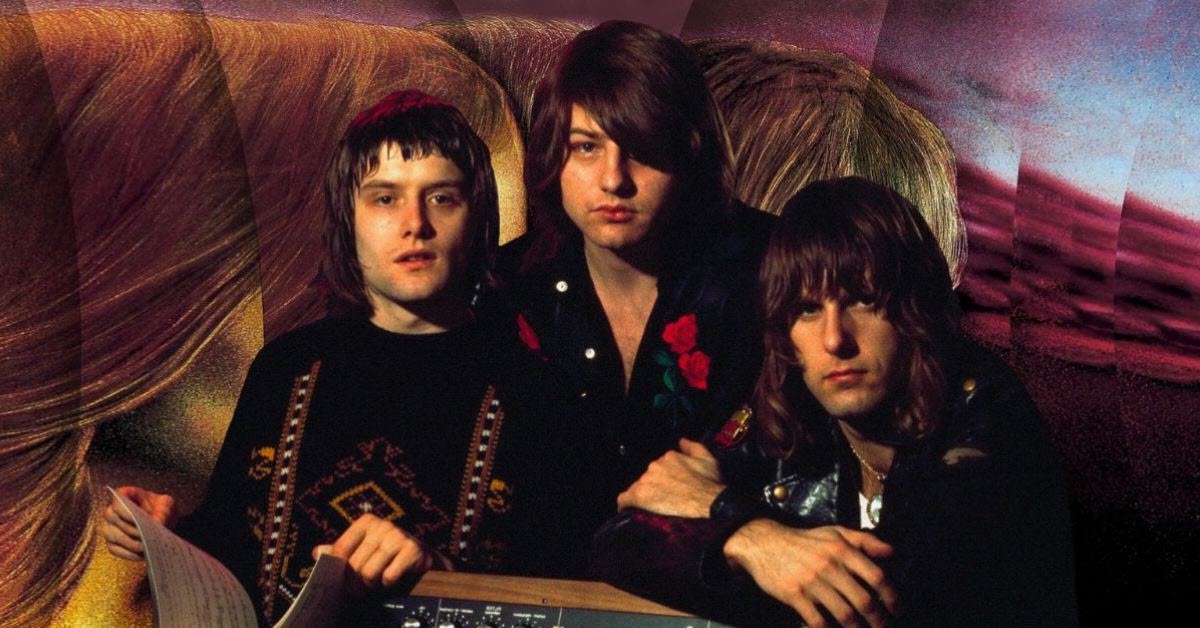
Emerson, Lake & Palmer (ELP) was a pioneering progressive rock supergroup formed in 1970, comprising keyboardist Keith Emerson, vocalist/bassist/guitarist Greg Lake, and drummer/percussionist Carl Palmer. Known for their virtuosic musicianship and innovative compositions, ELP fused classical music, jazz, and rock, creating complex and dynamic pieces. Their groundbreaking albums, such as “Emerson, Lake & Palmer” (1970) and “Brain Salad Surgery” (1973), featured extended instrumental passages, intricate arrangements, and epic themes. ELP’s live performances were renowned for their theatricality and technical prowess, solidifying their legacy as one of the most influential and ambitious bands in rock history.
1. Fanfare For The Common Man
“Fanfare for the Common Man” by Emerson, Lake & Palmer (ELP) is a progressive rock adaptation of Aaron Copland’s classical piece. Released in 1977 on their album “Works Volume 1,” ELP’s version features powerful synthesizer and keyboard arrangements by Keith Emerson, dynamic drumming by Carl Palmer, and Greg Lake’s bass guitar. The piece combines classical music elements with rock, showcasing ELP’s innovative approach to music. The grandiose sound and dramatic crescendos highlight the band’s technical prowess and creativity, making “Fanfare for the Common Man” a standout track that bridges the gap between classical and rock genres.
2. Paper Blood
“Paper Blood” is a song by progressive rock band Emerson, Lake & Palmer (ELP), from their 1978 album “Love Beach.” The track features a driving rock rhythm combined with ELP’s signature intricate instrumentation. Greg Lake’s powerful vocals and bass, Keith Emerson’s dynamic keyboard work, and Carl Palmer’s energetic drumming create a compelling and vibrant sound. The song’s lyrics reflect themes of wealth, corruption, and the human condition, adding depth to its musical complexity. “Paper Blood” stands out as a testament to ELP’s ability to blend rock with sophisticated musicianship and thought-provoking lyrics.
3. Take a Pebble
“Take a Pebble” is a song by Emerson, Lake & Palmer from their 1970 self-titled debut album. Written by Greg Lake, this track is notable for its combination of folk, classical, and progressive rock elements. The song begins with Lake’s gentle acoustic guitar and heartfelt vocals, setting a reflective and melancholic tone. Keith Emerson’s intricate piano work and Carl Palmer’s dynamic percussion add layers of complexity and depth to the composition. The middle section features an extended instrumental break, showcasing the band’s virtuosic musicianship with improvisational passages. “Take a Pebble” is praised for its lyrical depth, melodic beauty, and sophisticated arrangement, making it a quintessential piece in ELP’s repertoire.
4. Tarkus
“Tarkus” is a monumental track by Emerson, Lake & Palmer, featured as the title piece on their 1971 album “Tarkus.” The suite, composed primarily by Keith Emerson, spans over 20 minutes and is divided into seven movements: “Eruption,” “Stones of Years,” “Iconoclast,” “Mass,” “Manticore,” “Battlefield,” and “Aquatarkus.” The piece narrates a fantastical story centered around a mythical armadillo-tank hybrid named Tarkus. Known for its ambitious structure and complex arrangements, “Tarkus” combines elements of classical music, rock, and jazz. The suite showcases Emerson’s virtuosity on the keyboard, along with the intricate interplay between the band’s members, solidifying ELP’s reputation as pioneers of progressive rock.
5. Karn Evil 9
“Karn Evil 9” is an epic suite by Emerson, Lake & Palmer, featured on their 1973 album “Brain Salad Surgery.” The piece is divided into three “impressions,” each exploring themes of technology, dystopia, and the human condition. The First Impression, most famously known for its “Welcome back my friends, to the show that never ends” line, introduces a futuristic carnival where technology has run amok. The Second Impression is an instrumental showcasing Keith Emerson’s virtuosic keyboard skills. The Third Impression delves into a battle between man and machine. “Karn Evil 9” is celebrated for its ambitious structure, complex arrangements, and philosophical depth, epitomizing ELP’s innovative and theatrical approach to progressive rock.
6. Lucky Man
“Lucky Man” is a song by Emerson, Lake & Palmer, released on their 1970 self-titled debut album. Written by Greg Lake when he was just 12 years old, the song became one of the band’s most well-known tracks. It tells the story of a man who had everything but ultimately loses his life, pondering the notions of fate and fortune. The song features Lake’s distinctive vocals and acoustic guitar, complemented by a simple yet evocative melody. Keith Emerson’s iconic Moog synthesizer solo at the end of the track adds a futuristic and experimental touch, cementing “Lucky Man” as a classic in the progressive rock canon.
7. From the Beginning
“From the Beginning” is a song by Emerson, Lake & Palmer, released on their 1972 album “Trilogy.” Written by Greg Lake, the song showcases his acoustic guitar work and distinctively warm vocals, creating a more intimate and melodic contrast to the band’s often elaborate and electrifying sound. The track features a memorable acoustic guitar riff, subtle percussion by Carl Palmer, and atmospheric Moog synthesizer touches by Keith Emerson. Lyrically, “From the Beginning” explores themes of love, introspection, and personal reflection. The song became one of ELP’s most popular tracks, praised for its simplicity, emotional depth, and timeless appeal.
8. The Sage
“The Sage” is an acoustic ballad by Emerson, Lake & Palmer, featured on their 1971 live album “Pictures at an Exhibition.” Written and performed by Greg Lake, the song is a gentle, introspective piece that contrasts with the grandiose nature of the album, which is a rock adaptation of Modest Mussorgsky’s classical suite. “The Sage” showcases Lake’s skillful acoustic guitar playing and heartfelt vocals, offering a moment of calm and reflection within the album’s dynamic progression. The lyrics speak of wisdom, experience, and contemplation, adding emotional depth to the album’s overall narrative. “The Sage” is appreciated for its simplicity, beauty, and the way it highlights Lake’s musical and lyrical talents.
9. Tank
“Tank” is an instrumental track by Emerson, Lake & Palmer from their 1970 self-titled debut album. Composed by Keith Emerson and Carl Palmer, the piece showcases the band’s instrumental prowess and experimental edge. “Tank” features a driving rhythm led by Carl Palmer’s dynamic drumming and Keith Emerson’s intricate keyboard work, including a prominent use of the Moog synthesizer. Greg Lake’s bass provides a solid foundation, while the piece shifts through various tempos and themes, highlighting each member’s technical skill. Known for its energetic and complex structure, “Tank” remains a standout example of ELP’s ability to blend rock, jazz, and classical influences into a cohesive and compelling composition.
10. Still You Turn Me On
“Still… You Turn Me On” is a ballad by Emerson, Lake & Palmer, featured on their 1973 album “Brain Salad Surgery.” Written and sung by Greg Lake, the song stands out for its melodic beauty and lyrical introspection. It features Lake’s soulful vocals and delicate acoustic guitar, complemented by sparse but effective keyboard arrangements by Keith Emerson and subtle percussion by Carl Palmer. The song’s romantic and reflective lyrics express a deep sense of longing and affection. “Still… You Turn Me On” is celebrated for its emotional depth and simplicity, providing a contrast to the more complex and grandiose compositions typically associated with the band.

Edward Tomlin is a frequent contributor to Singers Room. Since 2005, Singersroom has been the voice of R&B around the world. Connect with us via social media below.









