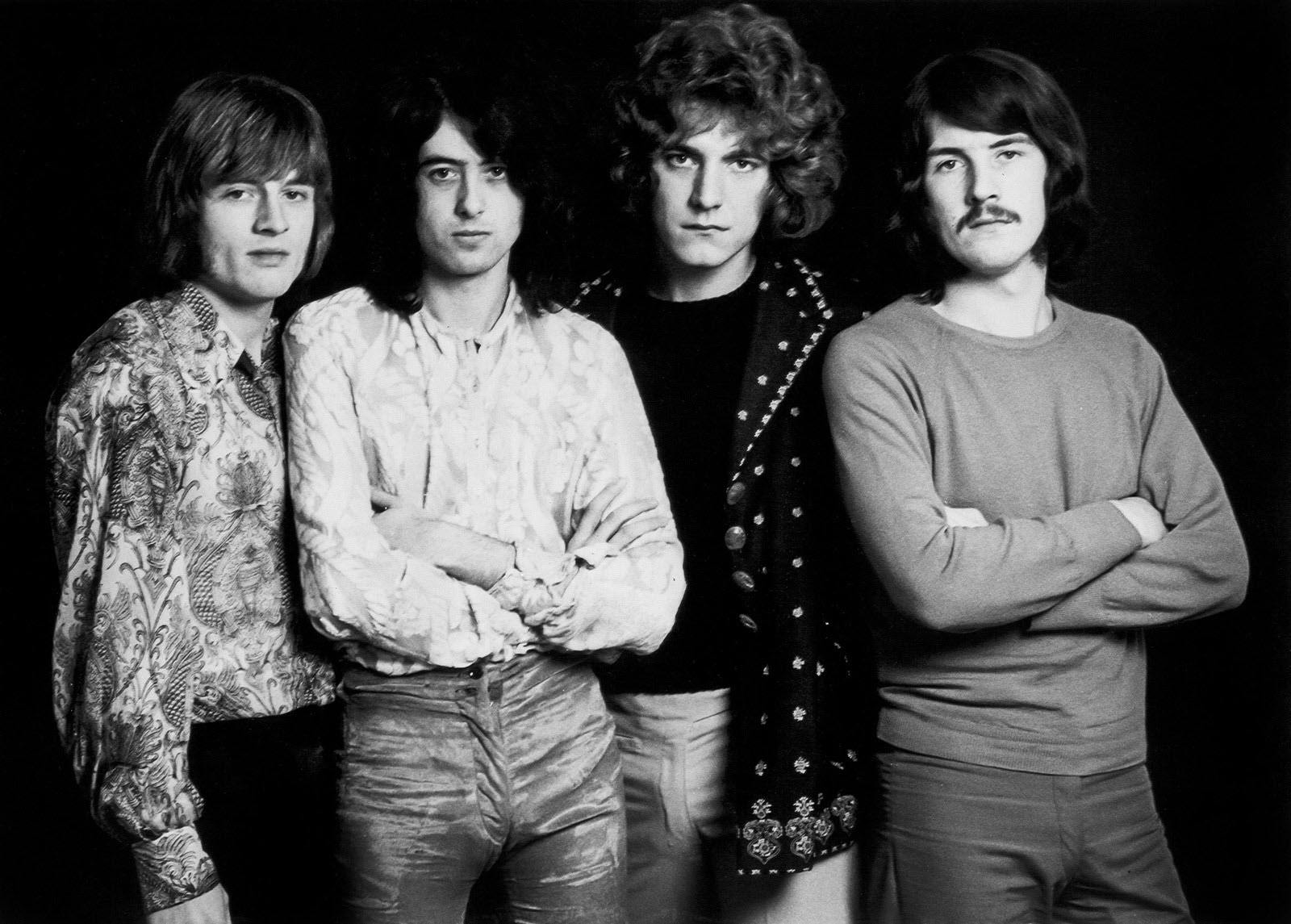
Led Zeppelin, a band synonymous with rock greatness, has left an indelible mark on the music world with their groundbreaking sound and extraordinary musicianship. Formed in 1968, the British quartet—comprising Robert Plant, Jimmy Page, John Paul Jones, and John Bonham—redefined rock music with their innovative blend of blues, hard rock, and psychedelia. As one of the most influential bands in rock history, Led Zeppelin’s discography is filled with timeless classics that continue to captivate audiences worldwide. From the thunderous riffs of “Whole Lotta Love” to the mystical allure of “Stairway to Heaven,” their songs are celebrated for their powerful energy, intricate arrangements, and lyrical depth. In this article, we’ll explore the top 10 best Led Zeppelin songs of all time, highlighting their unique contributions to the rock genre and their enduring legacy. Each track on this list represents a pivotal moment in Led Zeppelin’s career, showcasing their exceptional talent and their ability to push the boundaries of music. Join us as we delve into the songs that have solidified Led Zeppelin’s place as one of rock’s greatest legends.
1. Stairway to Heaven
Stairway to Heaven is undeniably one of Led Zeppelin’s most iconic and enduring songs, often hailed as the pinnacle of classic rock. Released in 1971 as the opening track of their untitled fourth studio album, the song showcases the band’s unique blend of hard rock, folk, and mystical elements. Written by Jimmy Page and Robert Plant, its intricate structure unfolds in a gradual crescendo, beginning with a serene acoustic guitar intro before transitioning into a powerful electric guitar solo.
The song’s enigmatic lyrics, rich in symbolism and spiritual undertones, have sparked countless interpretations and discussions among fans and critics alike. Its haunting melody and powerful guitar riff, delivered by Page, combined with Plant’s emotive vocals, create an atmosphere that feels both timeless and transcendent.
“Stairway to Heaven” has earned its place in rock history not only for its musical brilliance but also for its cultural impact. It remains a staple on classic rock radio and continues to be a highlight of Led Zeppelin’s live performances. Its legacy is cemented as a masterpiece that captures the essence of the 1970s rock era and continues to captivate new generations of listeners.
2. Kashmir
Kashmir is a quintessential Led Zeppelin track that exemplifies the band’s adventurous spirit and musical innovation. Featured on their 1975 album “Physical Graffiti”, this song stands out for its epic length, exotic influences, and powerful instrumentation. Written by Jimmy Page and Robert Plant, “Kashmir” showcases a fusion of rock, Eastern scales, and orchestral arrangements, reflecting the band’s fascination with different cultures and sounds.
The song opens with a compelling, hypnotic guitar riff that is accompanied by a sweeping orchestral backdrop, creating a grand and immersive sonic experience. John Bonham’s driving drum beat and John Paul Jones’s dynamic keyboard work further elevate the track, giving it a sense of grandeur and momentum. Plant’s evocative lyrics and vocal delivery, inspired by his travels and explorations, add a layer of mystique and depth.
“Kashmir” is celebrated for its bold experimentation and remains a fan favorite in Led Zeppelin’s catalog. Its influence extends beyond rock music, impacting genres like metal and progressive rock. The song continues to be a defining piece of Led Zeppelin’s legacy, exemplifying their ability to blend diverse musical elements into a cohesive and powerful masterpiece.
3. Whole Lotta Love
Whole Lotta Love is a quintessential Led Zeppelin track and a defining moment in the history of rock music. Released in 1969 as the lead single from their second studio album, “Led Zeppelin II”, the song has become synonymous with the band’s signature sound and style. Written by Jimmy Page, Robert Plant, John Paul Jones, and John Bonham, it features a powerful fusion of blues, hard rock, and experimental techniques.
The song’s standout feature is its iconic guitar riff, which Jimmy Page crafted with exceptional skill, creating a riff that is both unforgettable and explosive. The track kicks off with a thunderous drumbeat from John Bonham, setting the stage for Page’s electrifying guitar work and Robert Plant’s dynamic vocals. The middle section of the song introduces a psychedelic, theremin-driven interlude that showcases the band’s innovative approach to recording and sound manipulation.
“Whole Lotta Love” is celebrated for its raw energy, innovative production, and relentless drive. Its impact on rock music is profound, influencing countless artists and becoming a staple of classic rock radio. The song remains a powerful testament to Led Zeppelin’s ability to push boundaries and redefine the genre.
4. Immigrant Song
Immigrant Song stands as one of Led Zeppelin’s most dynamic and exhilarating tracks, capturing the band’s adventurous spirit and Viking-inspired imagery. Released in 1970 as the lead single from their third studio album, “Led Zeppelin III”, the song is notable for its distinctive, driving riff and its powerful, Norse-themed lyrics.
The track opens with an unforgettable, wailing cry from Robert Plant, set against a backdrop of aggressive guitar work by Jimmy Page and relentless drumming from John Bonham. The song’s fast-paced tempo and energetic delivery reflect the band’s ability to blend hard rock with mythical storytelling. The lyrics, which evoke themes of exploration and conquest, are inspired by Norse mythology and Viking imagery, further adding to the song’s epic and adventurous feel.
“Immigrant Song” is renowned for its iconic guitar riff and Plant’s high-pitched, chanting vocals, which set it apart from other rock songs of its era. Its influence extends beyond Led Zeppelin’s discography, impacting rock music and popular culture. The song remains a high-octane favorite among fans and a testament to Led Zeppelin’s creativity and power as a band.
5. Black Dog
“Black Dog” is a standout track from Led Zeppelin’s 1971 album “Led Zeppelin IV”, often celebrated as one of the band’s most iconic songs. Featuring a distinctive, blues-infused riff played by Jimmy Page, the song showcases Led Zeppelin’s signature blend of hard rock and blues. The track opens with a memorable, complex riff that showcases the band’s musical prowess and sets a high energy tone for the song. Robert Plant’s powerful vocals deliver enigmatic lyrics that contribute to the track’s mystique, adding to its allure.
The song’s title, “Black Dog,” refers to a nameless black Labrador Retriever that wandered around the band’s recording studio, but the lyrics themselves remain abstract and open to interpretation. John Paul Jones’ dynamic bass lines and John Bonham’s intricate drumming create a foundation of rhythmic complexity that enhances the track’s depth.
“Black Dog” is revered for its raw energy and musical innovation, capturing the essence of Led Zeppelin’s experimental spirit and their ability to fuse genres. The song remains a staple in classic rock playlists and continues to influence countless musicians, solidifying its place as a quintessential piece of Led Zeppelin’s legacy.
6. When the Levee Breaks
“When the Levee Breaks” is a seminal track from Led Zeppelin’s 1971 album “Led Zeppelin IV”, known for its powerful blend of blues and rock. The song is a reinterpretation of a traditional blues tune originally recorded by Memphis Minnie and her husband, Kansas Joe McCoy, during the Great Mississippi Flood of 1927. Led Zeppelin’s version is renowned for its monumental sound, characterized by its heavily distorted, thunderous drum beats and hypnotic slide guitar work.
John Bonham’s drumming, achieved through innovative recording techniques, is a standout feature, with its booming, echo-laden sound that has become a defining element of the track. The song’s rhythm is driven by a deep, rolling groove that captures the intensity of a natural disaster, while Robert Plant’s evocative vocals convey a sense of despair and urgency.
The track’s atmospheric production, combined with its dramatic lyrics and relentless rhythm, exemplifies Led Zeppelin’s ability to transform classic blues material into groundbreaking rock. “When the Levee Breaks” has influenced countless artists across genres and remains a testament to Led Zeppelin’s creative prowess and enduring legacy in rock music.
7. Rock and Roll
“Rock and Roll” is a high-energy track from Led Zeppelin’s 1971 album “Led Zeppelin IV”, and it stands as one of the band’s most celebrated rock anthems. Paying homage to the early rock and roll era, the song is an electrifying tribute to the genre that helped shape Led Zeppelin’s musical identity.
The track opens with a vibrant, driving drumbeat by John Bonham, which sets the tone for the song’s relentless energy. Jimmy Page’s vigorous guitar riff, inspired by the sounds of Chuck Berry and Little Richard, anchors the track and complements Robert Plant’s spirited vocals. The song’s rhythm is infectious, with a tempo and groove that evoke the classic rock and roll era of the 1950s while infusing it with Led Zeppelin’s signature intensity.
“Rock and Roll” is celebrated for its dynamic production, combining elements of blues and hard rock with a nod to the genre’s roots. Its upbeat, timeless quality has made it a staple in classic rock playlists and a fan favorite at Led Zeppelin’s live performances. The song exemplifies the band’s ability to pay tribute to rock history while pushing the boundaries of the genre.
8. Ramble On
“Ramble On” is a standout track from Led Zeppelin’s 1969 album “Led Zeppelin II”. Known for its blend of folk, blues, and rock, the song is a testament to the band’s versatility and creative range.
The track begins with a gentle, yet haunting acoustic guitar intro, played by Jimmy Page, which sets a mystical and introspective mood. Robert Plant’s vocals deliver evocative lyrics that blend themes of fantasy and adventure, drawing inspiration from J.R.R. Tolkien’s Middle-earth mythology. This lyrical content, combined with the song’s folk-rock elements, creates an ethereal and otherworldly atmosphere.
As the song progresses, it builds into a powerful crescendo with Page’s electric guitar riffs and John Bonham’s driving drumbeats. The shift from the acoustic to the electric arrangement showcases Led Zeppelin’s ability to seamlessly transition between musical styles, creating a dynamic and compelling listening experience.
“Ramble On” is celebrated for its imaginative lyrics, intricate musicianship, and its ability to capture a sense of wanderlust and exploration. It remains a beloved track in Led Zeppelin’s catalog, representing the band’s innovative approach to blending different musical genres and storytelling.
9. Dazed and Confused
“Dazed and Confused” is a standout track from Led Zeppelin’s 1969 self-titled debut album. Known for its brooding, atmospheric quality, the song exemplifies the band’s early exploration of heavy blues and psychedelic rock.
Originally written and recorded by Jake Holmes, Led Zeppelin’s version is a reimagining that features Jimmy Page’s innovative guitar work and Robert Plant’s haunting, expressive vocals. The song is driven by a slow, menacing riff that creates an intense, almost hypnotic atmosphere. Page’s use of a violin bow on his guitar—one of his signature techniques—adds a unique, eerie quality to the track, enhancing its mystical and otherworldly feel.
John Bonham’s powerful drumming and John Paul Jones’s atmospheric bass lines contribute to the song’s dark, driving rhythm. The track’s extended instrumental sections showcase the band’s improvisational skills, with Page’s solos building to a dramatic climax.
“Dazed and Confused” is celebrated for its pioneering sound and its role in defining Led Zeppelin’s early musical style. Its blend of blues, rock, and psychedelia continues to captivate listeners, making it a key piece in the band’s legacy.
10. Good Times Bad Times
“Good Times Bad Times” is the opening track from Led Zeppelin’s 1969 self-titled debut album and is often hailed as a defining moment in rock history. The song showcases the band’s innovative approach to rock music with its powerful blend of blues and hard rock elements.
The track begins with a dynamic, attention-grabbing drum solo by John Bonham, which immediately establishes the song’s energetic and driving rhythm. This introduction is followed by Jimmy Page’s memorable guitar riff, which forms the backbone of the song and demonstrates his skillful use of distortion and dynamics. Robert Plant’s vocals are both soulful and assertive, capturing the highs and lows of life’s experiences with emotional depth.
John Paul Jones’s bass lines provide a solid foundation, adding to the song’s rich texture and rhythmic complexity. “Good Times Bad Times” is notable for its rapid tempo changes and intricate time signatures, showcasing Led Zeppelin’s technical prowess and ability to push the boundaries of traditional rock.
The song’s energetic and forward-thinking approach laid the groundwork for Led Zeppelin’s future success and remains a favorite among fans and critics alike, highlighting the band’s groundbreaking contribution to the rock genre.

Samuel Moore is a frequent contributor to Singers Room. Since 2005, Singersroom has been the voice of R&B around the world. Connect with us via social media below.









