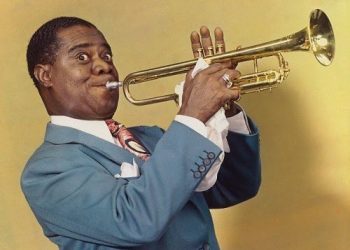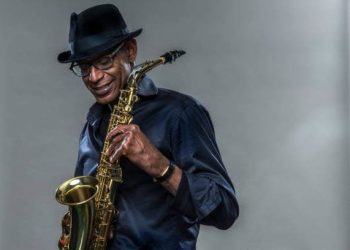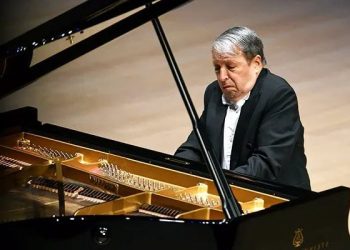
Cello players are musicians who specialize in the cello, a string instrument known for its deep, resonant tones and wide range. They create sound by drawing a bow across the strings or by plucking them, producing a rich, warm timbre that can convey a broad spectrum of emotions. Cello music spans various genres, including classical, jazz, and contemporary, and is integral to orchestras, chamber ensembles, and solo performances. Mastery of the cello involves skills such as precise finger placement, bow control, and the ability to interpret complex compositions. Cello players are admired for their technical prowess and the instrument’s unique ability to evoke both lyrical and powerful musical expressions.
1. Yo-Yo Ma
Yo-Yo Ma is a world-renowned American cellist, born on October 7, 1955, in Paris, France. Known for his extraordinary technique and expressive playing, Ma has achieved international acclaim across a wide range of musical genres, from classical to contemporary and folk. His extensive discography includes interpretations of both traditional cello repertoire and innovative collaborations with artists from various musical traditions. Ma’s artistry is celebrated for its emotional depth and technical precision, and he is also recognized for his efforts in promoting cross-cultural understanding through music. His numerous awards, including multiple Grammys, underscore his influence and contribution to the world of music.
2. Jacqueline du Pré
Jacqueline du Pré (1945–1987) was an English cellist renowned for her remarkable talent and emotive performances. Born in Oxford, England, du Pré began her musical studies at a young age and quickly gained recognition for her prodigious skill.
Du Pré’s career reached its zenith with her 1965 recording of Edward Elgar’s Cello Concerto in E Minor, which remains one of the most celebrated interpretations of the work. Her performance was praised for its deep emotional resonance and technical mastery, and it established her as one of the leading cellists of her generation.
Despite her relatively short career—due to the onset of multiple sclerosis in her early 30s—du Pré’s impact on the classical music world was profound. She was known for her expressive playing and her ability to convey intense emotion through her music. Her recordings, including works by composers such as Beethoven and Schumann, continue to be highly regarded.
In addition to her musical achievements, Jacqueline du Pré’s life and career were the subject of significant media attention and biographical works, including the acclaimed 1998 film *Hilary and Jackie*. Her legacy endures through her recordings and the profound influence she had on the cello repertoire and its interpretation.
3. Pablo Casals
Pablo Casals (1876–1973) was a Catalan cellist and conductor renowned for his pioneering contributions to the art of cello playing and his influence on the development of modern cello technique. Born in Els Vendrell, Spain, Casals was a prodigious talent who began playing the cello at a young age and quickly gained recognition for his exceptional skill.
Casals is particularly celebrated for his interpretation of Johann Sebastian Bach’s Six Cello Suites, which he helped to popularize in the early 20th century. His recordings of these suites, made in the 1930s, were groundbreaking and remain highly regarded for their depth of interpretation and technical mastery. His approach to these works brought them to prominence and has influenced generations of cellists.
In addition to his contributions to cello performance, Casals was a distinguished conductor and a dedicated teacher. He founded the Puerto Rico Symphony Orchestra in 1958 and was known for his efforts to promote classical music and music education in Puerto Rico and beyond.
Casals’ legacy extends beyond his own performances; he was also a committed advocate for peace and social justice, and his efforts in these areas were reflected in his work as a musician and public figure. His impact on the world of classical music and his dedication to his craft have made him a towering figure in the history of the cello.
4. Mstislav Rostropovich
Mstislav Rostropovich (1927–2007) was a celebrated Russian cellist and conductor, widely regarded as one of the greatest cellists of the 20th century. Born in Baku, Azerbaijan, Rostropovich was known for his extraordinary technical skill, deep musicality, and powerful stage presence.
Rostropovich’s early musical education came from his parents, both of whom were musicians. He continued his studies at the Moscow Conservatory under the guidance of renowned teachers such as Sergei Shpiller. His career took off in the 1950s, and he quickly gained international acclaim for his performances and recordings.
Throughout his career, Rostropovich was known for his interpretations of both the classical cello repertoire and contemporary works. He played a significant role in expanding the cello repertoire, premiering numerous new works by composers such as Dmitri Shostakovich, Sergei Prokofiev, and Benjamin Britten. His interpretations of works by composers such as Beethoven, Brahms, and Elgar are particularly celebrated.
In addition to his career as a performer, Rostropovich was a prominent conductor, leading many of the world’s leading orchestras and working with major composers. His contributions to music education were also significant; he taught at institutions such as the Moscow Conservatory and the Paris Conservatory, influencing many future generations of cellists.
Rostropovich’s numerous awards include Grammy Awards, the Lenin Prize, and the Presidential Medal of Freedom. His legacy continues to inspire cellists and music lovers around the world, reflecting his profound impact on the art of cello playing and classical music.
5. Gregor Piatigorsky
Gregor Piatigorsky (1903–1976) was a distinguished Ukrainian-American cellist renowned for his exceptional technique and expressive artistry. A child prodigy, Piatigorsky began his professional career at a young age and gained international acclaim for his performances of both classical and contemporary cello repertoire. He was celebrated for his powerful, rich tone and technical mastery. Throughout his career, Piatigorsky performed with major orchestras and collaborated with leading conductors and composers. He was also a dedicated teacher, influencing many future generations of cellists. His contributions to the cello repertoire and his enduring legacy in performance and pedagogy have solidified his place as one of the great cellists of the 20th century.
6. Pierre Fournier
Pierre Fournier (1906–1986) was a renowned French cellist celebrated for his exceptional technique and lyrical playing. Known for his rich tone and precise execution, Fournier gained international acclaim for his interpretations of the cello repertoire, including both classical and contemporary works. He was particularly noted for his performances of the Bach cello suites and concertos by composers such as Haydn and Dvořák. Fournier’s playing style combined technical prowess with emotional depth, making him one of the most respected cellists of his time. His extensive recordings and contributions to cello pedagogy have left a lasting impact on the world of classical music.
7. Emanuel Feuermann
Emanuel Feuermann (1902–1942) was an Austrian cellist acclaimed for his extraordinary technique and musicality. Born in Kolomea, Ukraine, Feuermann was recognized as a prodigious talent from a young age. He studied at the Vienna Conservatory under the guidance of the renowned cellist, Julius Klengel, and quickly established himself as one of the leading cellists of his time.
Feuermann was known for his powerful sound, impeccable technique, and expressive performances. He had a remarkable ability to convey deep emotion through his playing, which was reflected in his interpretations of both classical and romantic cello repertoire. His renditions of works by composers such as Beethoven, Brahms, and Schumann are particularly celebrated.
Despite his relatively short career—Feuermann died at the age of 39—he made a significant impact on the world of classical music. His recordings, made in the 1920s and 1930s, remain benchmarks of cello performance and continue to be highly regarded for their artistry and technical prowess.
Feuermann was also a dedicated teacher and influenced many future generations of cellists through his teaching and mentorship. His contributions to cello technique and performance have left a lasting legacy in the world of classical music.
8. Steven Isserlis
Steven Isserlis, born December 19, 1968, in London, is a distinguished British cellist known for his exceptional technique, expressive interpretations, and broad repertoire. He has achieved international acclaim for his performances and recordings, and is celebrated for his contributions to the world of classical music.
Isserlis began his musical studies at a young age, studying at the Royal Academy of Music in London and later with renowned cellists such as Jacqueline du Pré and William Pleeth. His career has been marked by a commitment to exploring both the traditional and contemporary cello repertoire, and he is known for his interpretations of works by composers such as Bach, Beethoven, and Shostakovich.
In addition to his performances of the standard cello repertoire, Isserlis is a dedicated advocate for contemporary music and has premiered numerous works by modern composers. His collaborations with composers and his efforts to expand the cello repertoire have been highly regarded in the classical music community.
Isserlis’s discography includes acclaimed recordings of both classical and contemporary works, and he has received numerous awards for his recordings and performances. He is also a dedicated educator, teaching at institutions such as the Royal Academy of Music and the Juilliard School.
His ability to convey deep emotion through his playing, his versatility, and his commitment to music education have established Steven Isserlis as one of the leading cellists of his generation.
9. Mischa Maisky
Mischa Maisky, born January 10, 1948, in Riga, Latvia, is a renowned cellist known for his powerful and passionate performances. He is celebrated for his exceptional technique, emotional depth, and distinctive interpretive style.
Maisky began his musical education at a young age, studying with renowned teachers such as Boris Pergamenschikov. He gained early recognition by winning the International Cello Competition in Budapest in 1966, which helped launch his international career.
Throughout his career, Maisky has performed with major orchestras and conductors around the world, and he is known for his interpretations of both the classical and romantic cello repertoire. His performances of works by composers such as Bach, Beethoven, and Shostakovich are particularly acclaimed for their intensity and expressiveness.
In addition to his performances, Maisky has recorded a wide range of works, and his recordings are highly regarded for their technical brilliance and emotional impact. He has collaborated with many prominent musicians and ensembles, further expanding his influence in the classical music world.
Maisky’s dedication to his craft and his ability to convey profound emotion through his playing have made him a prominent figure in the world of classical music. His contributions to the cello repertoire and his performances continue to inspire and captivate audiences globally.
10. János Starker
János Starker (1924–2003) was a distinguished Hungarian-American cellist renowned for his exceptional technical skill and expressive artistry. A child prodigy, Starker began his professional career at a young age and achieved international acclaim for his performances of both traditional and contemporary cello repertoire. He was celebrated for his virtuosic technique, precise intonation, and rich, resonant tone. Starker’s interpretations of works by composers like Bach, Beethoven, and Dvořák are particularly revered. In addition to his illustrious performing career, Starker was a dedicated teacher, influencing many future generations of cellists through his pedagogical work and master classes. His extensive recordings and contributions to cello pedagogy have left a lasting legacy.
11. Lynn Harrell
Lynn Harrell (1944–2020) was a highly regarded American cellist known for his powerful performances and exceptional technique. Born in New York City, Harrell began his career as a child prodigy and gained international acclaim for his interpretations of both classical and contemporary cello repertoire. His rich, expressive tone and technical prowess were highlighted in performances of works by composers such as Bach, Dvořák, and Shostakovich. Harrell performed with major orchestras and collaborated with prominent conductors, and his recordings are celebrated for their depth and clarity. In addition to his performing career, Harrell was a dedicated educator, mentoring many young cellists and contributing to the advancement of cello pedagogy.
12. Julian Lloyd Webber
Julian Lloyd Webber is a prominent English cellist, born on April 14, 1951, in London, England. Known for his virtuosic technique and expressive artistry, Lloyd Webber has achieved international acclaim for his performances across a diverse repertoire, including classical, contemporary, and popular music. He is recognized for his interpretations of both traditional cello works and new compositions, and has collaborated with leading orchestras and composers. In addition to his performing career, Lloyd Webber has been involved in education and outreach, helping to promote and advance the art of cello playing. His contributions to both performance and pedagogy have solidified his reputation as a leading cellist of his generation.
13. Truls Mørk
Truls Mørk, born February 5, 1961, in Bergen, Norway, is a highly acclaimed Norwegian cellist known for his exceptional technical skill, expressive artistry, and versatility across a wide range of repertoire. He is celebrated for his interpretations of both classical and contemporary works.
Mørk began his musical studies at the Bergen Music Conservatory and continued his education at the Royal Academy of Music in London. He gained international recognition after winning several prestigious competitions, including the International Cello Competition in Paris in 1982, which helped establish his career.
Throughout his career, Mørk has performed with major orchestras and conductors around the world and has made numerous recordings. His repertoire spans from Baroque to contemporary music, and he is known for his interpretations of works by composers such as Bach, Beethoven, and Shostakovich. He has also been a strong advocate for contemporary music, premiering new works by modern composers.
In addition to his performance career, Mørk is a dedicated teacher and has taught at various institutions, including the Norwegian Academy of Music and the Royal Danish Academy of Music. His contributions to music education and his ability to convey deep emotion through his playing have solidified his reputation as one of the leading cellists of his generation.
14. Gautier Capuçon
Gautier Capuçon is a celebrated French cellist born on September 3, 1981, in Chambery, France. Renowned for his technical brilliance and expressive performances, Capuçon has gained international acclaim for his interpretations of both classical and contemporary cello repertoire. He is noted for his rich, vibrant tone and dynamic playing style, which has earned him a prominent place in the world of classical music. Capuçon performs with major orchestras and collaborates with leading conductors and composers. His extensive discography and engaging live performances showcase his exceptional talent and dedication to the art of cello playing. In addition to his performing career, he is also involved in music education and outreach.
15. Sheku Kanneh-Mason
Sheku Kanneh-Mason, born April 4, 1999, in Nottingham, England, is a celebrated British cellist known for his exceptional technique, expressive performances, and charismatic presence. He gained widespread recognition for his musical talent at a young age and has since become one of the leading cellists of his generation.
Kanneh-Mason began his musical studies at a young age, showing prodigious talent. He studied at the Royal Academy of Music in London and has been recognized for his achievements in various competitions, including winning the BBC Young Musician of the Year award in 2016.
He gained international fame with his debut album, *Inspiration*, released in 2018, which received critical acclaim and topped the UK classical charts. His performances are known for their emotional depth and technical brilliance, and he has performed with major orchestras and conductors around the world.
In addition to his performances of classical repertoire, Kanneh-Mason is known for his commitment to expanding the cello repertoire and his involvement in outreach and educational initiatives. His engaging stage presence and dedication to music have made him a prominent and influential figure in the classical music world.

Edward Tomlin is a frequent contributor to Singers Room. Since 2005, Singersroom has been the voice of R&B around the world. Connect with us via social media below.