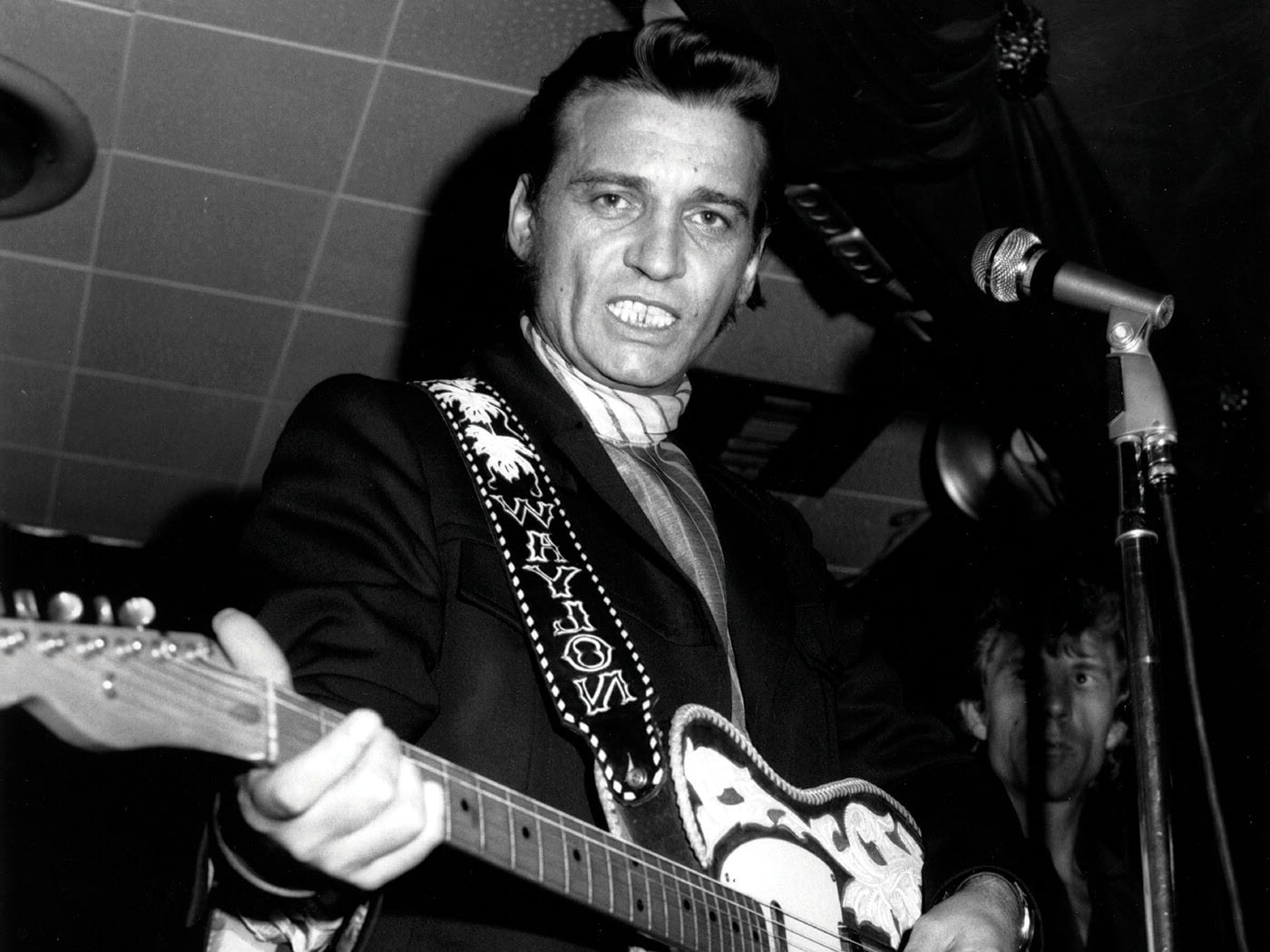
Waylon Jennings, an iconic figure in country music, left an indelible mark on the genre with his distinctive voice, rebellious spirit, and timeless songwriting. As a pioneer of the outlaw country movement, Jennings garnered widespread acclaim for his gritty authenticity and poignant storytelling. This article explores the essence of Jennings’ musical legacy through a curated list of his top ten most beloved songs. From his early days as a bassist for Buddy Holly to his later solo career, Jennings’ journey epitomized resilience and artistic evolution. Each song selected resonates not only for its musical prowess but also for its lyrical depth, showcasing Jennings’ ability to capture the complexities of life, love, and the human experience. Whether it’s the raw honesty of “Good Hearted Woman,” the rebellious anthem “Are You Sure Hank Done It This Way,” or the soulful balladry of “Amanda,” Jennings’ catalog continues to inspire and influence generations of listeners. Through this exploration, we celebrate the enduring legacy of Waylon Jennings, reaffirming his status as a country music legend whose impact transcends time and genre.
1. Good Hearted Woman
Waylon Jennings’ “Good Hearted Woman” stands as a timeless anthem in country music, capturing the essence of outlaw country with its gritty charm and heartfelt lyrics. Co-written with Willie Nelson, the song blends Jennings’ rugged vocals with Nelson’s distinctive style, creating a harmonious blend of storytelling and raw emotion. Released in 1972, it quickly became one of Jennings’ signature songs and a cornerstone of his career.
“Good Hearted Woman” tells the tale of a man who finds solace and strength in the love of a good-hearted woman, despite his roving ways and the challenges he faces. Its resonant chorus and soulful instrumentation, featuring Jennings’ unmistakable guitar work, underscore the song’s sincerity and authenticity. The track’s success not only solidified Jennings’ place as a leading figure in outlaw country but also helped define a new era in the genre, where honesty and rebellion intertwined with traditional themes of love and loss.
Decades after its release, “Good Hearted Woman” remains a beloved classic, celebrated for its compelling narrative and timeless appeal, making it a standout among Waylon Jennings’ remarkable body of work.
2. Luckenbach, Texas (Back to the Basics of Love)
“Luckenbach, Texas (Back to the Basics of Love)” by Waylon Jennings is a quintessential country anthem that paints a vivid picture of small-town life and the simplicity of genuine human connection. Released in 1977, the song became a major hit and a cultural touchstone, showcasing Jennings’ distinctive voice and his ability to capture the spirit of the American heartland.
The song’s lyrics, co-written by Chips Moman and Bobby Emmons, whimsically depict Luckenbach, Texas, as a place where people can escape the complexities of modern life and rediscover the essentials of love and companionship. Jennings’ rich baritone delivers the narrative with a blend of nostalgia and wisdom, while the upbeat tempo and catchy melody invite listeners to join in on the journey to this idyllic retreat.
“Luckenbach, Texas” not only topped the charts but also became a symbol of the outlaw country movement, with its themes of independence and authenticity resonating deeply with audiences. Its enduring popularity has solidified it as one of Waylon Jennings’ most beloved songs, showcasing his ability to transcend musical boundaries and capture the essence of American life with honesty and charm.
3. Mammas Don’t Let Your Babies Grow Up to Be Cowboys
“Mammas Don’t Let Your Babies Grow Up to Be Cowboys” is a classic country ballad co-written and performed by Waylon Jennings and Willie Nelson. Released in 1978, the song quickly became a hit, resonating with audiences for its poignant lyrics and heartfelt delivery.
The song’s narrative offers sage advice to mothers, cautioning them against letting their children pursue the cowboy lifestyle due to its hardships and challenges. Jennings and Nelson’s duet harmonizes beautifully, blending their distinct voices to convey a sense of wisdom and camaraderie. The memorable chorus underscores the song’s message, emphasizing the sacrifices and rough realities of cowboy life.
“Mammas Don’t Let Your Babies Grow Up to Be Cowboys” not only became a staple in Jennings’ repertoire but also highlighted his and Nelson’s ability to craft compelling stories through their music. Its success further solidified both artists’ status as icons in the outlaw country genre, appealing to fans for its authenticity and emotional depth.
Decades later, the song remains a timeless favorite, celebrated for its universal themes and heartfelt delivery, making it a standout track in Waylon Jennings’ illustrious career.
4. I’m a Ramblin’ Man
“I’m a Ramblin’ Man” is a classic country song by Waylon Jennings, released in 1974 as a single from his album of the same name. The song exemplifies Jennings’ outlaw country style with its blend of rugged vocals, storytelling lyrics, and energetic instrumentation.
The lyrics of “I’m a Ramblin’ Man” tell the tale of a restless wanderer who embraces a life on the road, moving from town to town and leaving a trail of memories behind. Jennings’ distinctive voice captures the essence of wanderlust and independence, while the upbeat tempo and lively guitar riffs drive the song forward with an infectious energy.
The song’s chorus, which declares “I’m a ramblin’ man / Don’t give your heart to a ramblin’ man,” encapsulates the protagonist’s nomadic lifestyle and the cautionary advice he offers to those tempted by his charm. This combination of narrative depth and musical vitality made “I’m a Ramblin’ Man” a chart-topping success and solidified Jennings’ reputation as a leading figure in outlaw country music.
With its enduring popularity and timeless appeal, “I’m a Ramblin’ Man” remains a beloved classic in Jennings’ discography, celebrated for its authenticity, spirited performance, and lasting impact on country music.
5. Are You Sure Hank Done It This Way
“Are You Sure Hank Done It This Way” is a classic country song by Waylon Jennings, released in 1975 as a single from his album “Dreaming My Dreams.” The song reflects Jennings’ perspective on the changing landscape of country music during that era.
The lyrics of “Are You Sure Hank Done It This Way” express Jennings’ contemplation on the evolution of country music and the departure from traditional styles that characterized the genre. The song pays homage to Hank Williams Sr., a legendary figure in country music, while questioning whether contemporary trends honor the genre’s roots.
Jennings’ vocal delivery is heartfelt and introspective, accompanied by a melodic yet contemplative musical arrangement that blends country and rock influences. The chorus, which asks, “Are you sure Hank done it this way? / Is it too old fashioned?” encapsulates the song’s central theme of authenticity and staying true to one’s musical heritage.
“Are You Sure Hank Done It This Way” became a significant hit for Jennings, resonating with audiences who appreciated its lyrical depth and introspective tone. It remains a standout track in Jennings’ catalog, reflecting his role as a pioneer in the outlaw country movement and his enduring influence on the genre.
6. I’ve Always Been Crazy
“I’ve Always Been Crazy” is a poignant country song by Waylon Jennings, released in 1978 as the title track of his album. Known for its introspective lyrics and spirited delivery, the song became a hallmark of Jennings’ rebellious outlaw country persona.
The lyrics of “I’ve Always Been Crazy” reflect Jennings’ unapologetic embrace of his unconventional lifestyle and the challenges that come with it. He sings about the ups and downs of fame, his penchant for breaking the rules, and the toll it takes on personal relationships. The song’s chorus, which declares “I’ve always been crazy but it’s kept me from going insane,” encapsulates Jennings’ self-awareness and defiance in the face of societal norms.
Musically, “I’ve Always Been Crazy” features a driving rhythm and Jennings’ distinctive vocal style, which blends grit and vulnerability. The song’s energetic guitar riffs and lively instrumentation underscore its rebellious spirit, resonating with fans who admired Jennings’ authenticity and candid storytelling.
As a single, “I’ve Always Been Crazy” became a chart-topping hit and remains a beloved classic in Jennings’ repertoire. Its enduring popularity speaks to its timeless appeal and its reflection of Jennings’ enduring legacy as a pioneer of outlaw country music.
7. Don’t You Think This Outlaw Bit’s Done Got Out of Hand
“Don’t You Think This Outlaw Bit’s Done Got Out of Hand” is a thought-provoking country song by Waylon Jennings, released in 1978 as a single from his album “I’ve Always Been Crazy.” The song explores Jennings’ perspective on the outlaw country movement and its impact on both his career and the genre as a whole.
The lyrics of “Don’t You Think This Outlaw Bit’s Done Got Out of Hand” express Jennings’ ambivalence towards the outlaw persona that he and his peers, like Willie Nelson and Johnny Cash, embraced during the 1970s. He reflects on the consequences of living outside the mainstream music industry norms and the complexities of maintaining artistic integrity while navigating fame.
Musically, the song features Jennings’ trademark baritone voice and a melodic yet contemplative arrangement that blends country with rock influences. The chorus, which questions the direction of the outlaw movement, underscores the song’s introspective theme and Jennings’ role as a critical observer of his own cultural impact.
As a single, “Don’t You Think This Outlaw Bit’s Done Got Out of Hand” resonated with audiences who appreciated its honesty and introspection. It remains a significant track in Jennings’ discography, reflecting his willingness to challenge conventions and explore the complexities of fame and artistic freedom in the country music landscape.
8. Honky Tonk Heroes
“Honky Tonk Heroes” is a classic country song written by Billy Joe Shaver and performed by Waylon Jennings. Released in 1973 as the title track of Jennings’ album, the song became an anthem for the outlaw country movement.
The lyrics of “Honky Tonk Heroes” paint a vivid picture of life on the road and the struggles of those who frequent honky tonks. Shaver’s poetic storytelling, coupled with Jennings’ emotive delivery, captures the gritty reality and romanticism of the honky tonk lifestyle. The song’s chorus, which declares “Where does it go? / The good Lord only knows / Seems like it was just the other day / I was down at Green Gables, hawkin’ them tables / And generally blowin’ all my hard earned pay,” reflects on the fleeting nature of time and the choices made along the way.
Musically, “Honky Tonk Heroes” features a driving rhythm and Jennings’ distinctive vocal style, blending country with rock elements. The song’s raw authenticity and rebellious spirit resonated with audiences, solidifying Jennings’ reputation as a pioneer of outlaw country music.
As a single, “Honky Tonk Heroes” remains a standout track in Jennings’ career, celebrated for its evocative storytelling and enduring influence on the country music genre.
9. Only Daddy That’ll Walk the Line
“Only Daddy That’ll Walk the Line” is a classic country song by Waylon Jennings, released in 1968 as a single from his album “Only the Greatest.” The song marked a significant moment in Jennings’ career, showcasing his distinctive vocal style and laying the groundwork for his later contributions to the outlaw country movement.
The lyrics of “Only Daddy That’ll Walk the Line” portray a man who refuses to conform to societal expectations, asserting his independence and individuality. Jennings’ rugged voice delivers the narrative with a blend of defiance and vulnerability, reflecting the song’s themes of freedom and self-reliance. The chorus, which declares “I’m the only daddy that’ll walk the line,” emphasizes the protagonist’s determination to live life on his own terms.
Musically, “Only Daddy That’ll Walk the Line” features a driving beat and Jennings’ signature guitar work, combining traditional country elements with a rockabilly edge. The song’s energetic rhythm and dynamic instrumentation underscore its rebellious spirit, resonating with audiences who admired Jennings’ authenticity and rebellious persona.
As a single, “Only Daddy That’ll Walk the Line” became a chart-topping hit and remains a beloved classic in Jennings’ repertoire. Its enduring popularity reflects its timeless appeal and its role in solidifying Jennings’ reputation as a trailblazer in country music.
10. Amanda
“Amanda” is a heartfelt country ballad by Waylon Jennings, released in 1979 as a single from his album “The Ramblin’ Man.” The song showcases Jennings’ ability to convey emotion through his deep, resonant voice and poignant lyrics.
The lyrics of “Amanda” tell the story of a man who reflects on lost love and yearns for reconciliation with Amanda, the woman who captured his heart. Jennings’ sincere delivery and the song’s gentle melody evoke a sense of longing and nostalgia, capturing the listener’s emotions with its heartfelt sentiment. The chorus, which repeats “Amanda, light of my life / Fate should have made you a gentleman’s wife,” underscores the protagonist’s deep affection and regret.
Musically, “Amanda” features a tender arrangement with acoustic guitar and strings, enhancing the song’s emotional impact. Jennings’ soulful performance resonated with audiences, making “Amanda” a major hit and one of his most beloved songs.
Decades after its release, “Amanda” remains a timeless classic in Jennings’ discography, celebrated for its poignant storytelling and enduring appeal. The song continues to showcase Jennings’ ability to connect with listeners through heartfelt lyrics and soulful vocals, solidifying its place as a standout track in country music history.

Samuel Moore is a frequent contributor to Singers Room. Since 2005, Singersroom has been the voice of R&B around the world. Connect with us via social media below.









