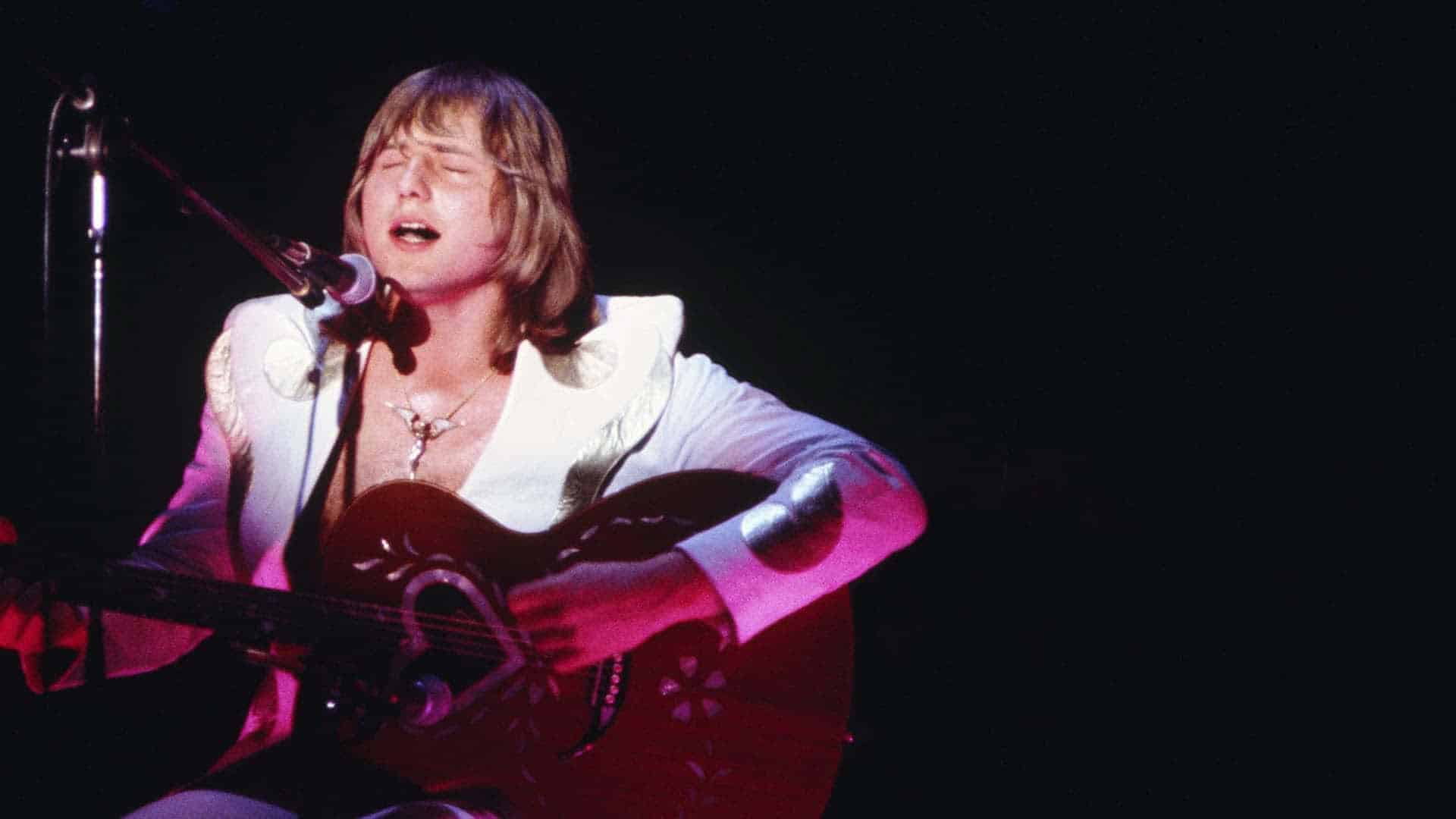
ELP, short for Emerson, Lake & Palmer, was a pioneering progressive rock band of the 1970s known for their virtuosic musicianship and innovative compositions. Comprising Keith Emerson (keyboards), Greg Lake (bass, vocals), and Carl Palmer (drums), ELP blended classical influences with rock, creating complex, symphonic soundscapes. Their albums like “Brain Salad Surgery” and “Tarkus” showcased elaborate arrangements and technical prowess, pushing the boundaries of rock music. ELP’s legacy lies in their influence on progressive rock and their ability to merge intricate musicality with theatrical performances, leaving a lasting impact on generations of musicians and fans of progressive music.
1. Fanfare For The Common Man
“Fanfare for the Common Man” is a renowned orchestral piece composed by Aaron Copland in 1942. It is celebrated for its majestic brass fanfare, which symbolizes the resilience and spirit of the American people during World War II. The composition has since become an iconic work in American classical music, known for its stirring melodies and powerful sense of patriotism. Copland’s “Fanfare for the Common Man” continues to be performed widely in concerts and special events, resonating with audiences for its evocative portrayal of courage and unity in challenging times.
2. Paper Blood
“Paper Blood” is a concept album by the progressive rock band Marillion, released in 1999. The album explores themes of modern society, media manipulation, and human relationships through a blend of rock, pop, and progressive elements. Known for its introspective lyrics and atmospheric soundscapes, “Paper Blood” delves into the complexities of identity and the impact of media on personal and social narratives. The album’s narrative and musical depth showcase Marillion’s ability to address contemporary issues with thought-provoking lyrics and intricate musical arrangements, making it a notable addition to their discography and progressive rock as a genre.
3. Take a Pebble
“Take a Pebble” is a classic song by the progressive rock band Emerson, Lake & Palmer (ELP), featured on their debut album released in 1970. Known for its intricate composition and virtuosic performances, the song showcases Keith Emerson’s dynamic piano playing, Greg Lake’s melodic vocals and bass, and Carl Palmer’s precise drumming. “Take a Pebble” is notable for its progressive structure, incorporating multiple sections including a piano solo, acoustic guitar interlude, and orchestral arrangements. The song’s lyrical themes of introspection and contemplation, combined with its musical complexity, solidify it as a quintessential piece in ELP’s repertoire and in progressive rock history.
4. Tarkus
“Tarkus” is the title track from Emerson, Lake & Palmer’s second studio album, released in 1971. It is a 20-minute epic suite that showcases the band’s progressive rock prowess. The composition is divided into multiple sections, each representing different characters and themes, including a mythical armadillo-tank creature named Tarkus. The piece features Keith Emerson’s virtuosic keyboard work, Greg Lake’s powerful vocals and bass playing, and Carl Palmer’s intricate drumming. “Tarkus” is renowned for its complex musical structure, symphonic arrangements, and imaginative storytelling, making it a seminal work in the genre of progressive rock and a highlight of ELP’s discography.
5. Karn Evil 9
“Karn Evil 9” is a multi-part suite by Emerson, Lake & Palmer, featured on their album “Brain Salad Surgery” released in 1973. Known for its elaborate composition and theatricality, the suite is divided into several movements, each with its own distinct musical style and narrative elements. “Karn Evil 9” explores themes of technology, dystopia, and human resilience, incorporating symphonic rock, jazz fusion, and electronic elements. The suite includes iconic sections like “1st Impression,” “2nd Impression,” and “3rd Impression,” showcasing Keith Emerson’s virtuosic keyboard skills, Greg Lake’s powerful vocals, and Carl Palmer’s dynamic drumming. “Karn Evil 9” remains a landmark in progressive rock, renowned for its ambitious scope and musical innovation.
6. Lucky Man
“Lucky Man” is a classic song by Emerson, Lake & Palmer (ELP), released on their debut self-titled album in 1970. Written by Greg Lake, the song is notable for its simplicity compared to the band’s more complex progressive rock compositions. It features acoustic guitar, Lake’s vocals, and a prominent Moog synthesizer solo by Keith Emerson, which became iconic. “Lucky Man” achieved commercial success, reaching audiences with its memorable melody and reflective lyrics about life’s unpredictability and fleeting moments of fortune. The song remains a staple in ELP’s discography, showcasing their versatility and Lake’s songwriting prowess.
7. From the Beginning
“From the Beginning” is a song by Emerson, Lake & Palmer (ELP), featured on their album “Trilogy” released in 1972. Written by Greg Lake, the song is characterized by its acoustic guitar intro, melodic vocals, and intricate instrumentation. It showcases Lake’s introspective lyrics about love and personal reflection, complemented by Keith Emerson’s sensitive keyboard work and Carl Palmer’s subtle percussion. “From the Beginning” is celebrated for its blend of folk-rock and progressive elements, highlighting ELP’s ability to create music that is both emotionally resonant and musically sophisticated. The song remains a fan favorite and a testament to the band’s diverse musical influences.
8. The Sage
“The Sage” is a song by Emerson, Lake & Palmer (ELP), included on their album “Pictures at an Exhibition” released in 1971. This album is an interpretation of Modest Mussorgsky’s classical work, adapted into a rock format by the band. “The Sage” is one of the original compositions by ELP on this album, featuring Greg Lake’s poignant vocals and acoustic guitar, Keith Emerson’s atmospheric keyboards, and Carl Palmer’s subtle percussion. The song’s introspective lyrics and melancholic melody evoke a sense of contemplation and reflection, fitting within the broader narrative and musical journey of “Pictures at an Exhibition.”
9. Tank
“Tank” is an instrumental track by Emerson, Lake & Palmer (ELP), famously known as the theme music for the animated series “Captain Scarlet and the Mysterons.” Originally composed by Barry Gray for the series, ELP covered the track and included it on their album “Emerson, Lake & Palmer” released in 1970. The song features Keith Emerson’s dynamic and virtuosic organ playing, Carl Palmer’s energetic drumming, and Greg Lake’s solid bass lines. “Tank” showcases ELP’s ability to blend classical, jazz, and rock influences, highlighting their innovative approach to progressive rock music and their prowess as musicians.
10. Still You Turn Me On
“Still… You Turn Me On” is a poignant song by Emerson, Lake & Palmer (ELP), featured on their album “Brain Salad Surgery” released in 1973. Composed by Greg Lake, the song is known for its haunting melody, emotive lyrics, and intimate acoustic arrangement. Lake’s soulful vocals and acoustic guitar work are complemented by Keith Emerson’s sensitive piano playing, creating a melancholic atmosphere that resonates with listeners. “Still… You Turn Me On” showcases ELP’s ability to convey deep emotions through music, offering a contrast to their more elaborate and progressive compositions while demonstrating their versatility and songwriting prowess.

Edward Tomlin is a frequent contributor to Singers Room. Since 2005, Singersroom has been the voice of R&B around the world. Connect with us via social media below.









