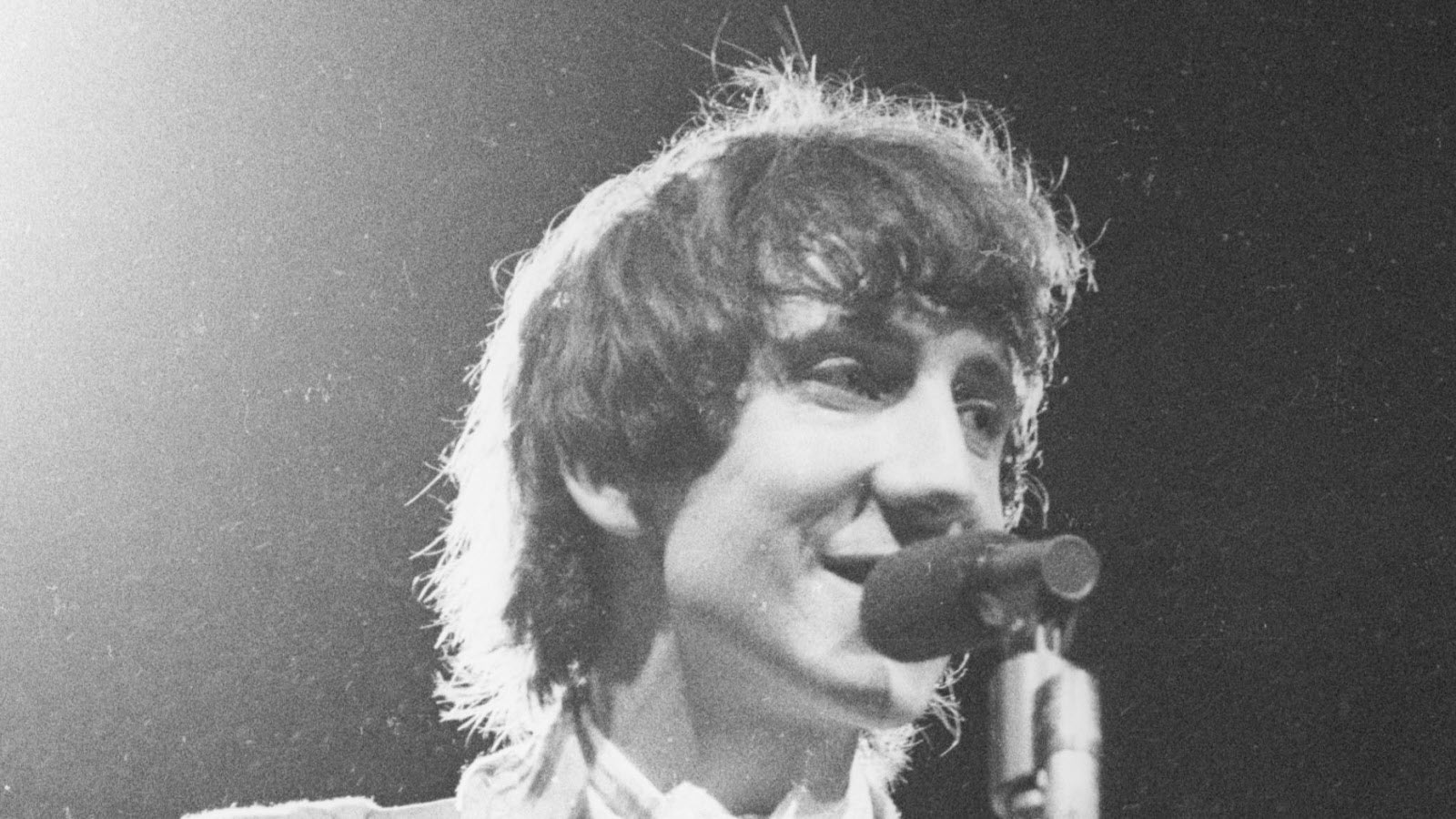
Pete Townshend is a legendary English musician, singer, songwriter, and guitarist, best known as the guitarist and primary songwriter for the iconic rock band The Who. Born in 1945, Townshend played a crucial role in shaping the band’s distinctive sound and stage presence, characterized by his energetic guitar playing, windmill strumming technique, and dynamic stage persona.
As a songwriter, Townshend penned many of The Who’s most famous songs, including “My Generation,” “Baba O’Riley,” “Won’t Get Fooled Again,” and the rock opera “Tommy.” His songwriting often explored themes of rebellion, youthful angst, and existentialism, capturing the spirit of the 1960s and 1970s rock movements.
Beyond his work with The Who, Townshend has released several solo albums and explored various musical genres, including rock, pop, and orchestral music. He is also known for his activism, particularly in support of children’s charities and causes related to drug addiction and mental health.
Pete Townshend’s influence on rock music is profound, both for his innovative guitar techniques and his contributions to the evolution of rock as a vehicle for artistic expression and social commentary. His legacy as a musician and cultural icon remains enduring in the world of rock and roll.
1. The Kids Are Alright
“The Kids Are Alright” is a song by The Who, written by Pete Townshend. It was released as a single in 1965 and later included on their debut album, also titled “My Generation.” The song reflects the rebellious spirit and youthful energy of the 1960s British rock scene, with its catchy melody and anthemic lyrics celebrating the vitality and defiance of youth.
“The Kids Are Alright” became one of The Who’s signature songs, showcasing their distinctive sound characterized by Townshend’s aggressive guitar riffs, Roger Daltrey’s powerful vocals, and Keith Moon’s frenetic drumming. The song’s title and chorus became a rallying cry for young fans and encapsulated the band’s ethos of youthful rebellion and self-expression.
Over the years, “The Kids Are Alright” has remained a beloved classic and is often regarded as one of the definitive songs of the British Invasion era. Its enduring popularity and influence continue to resonate with generations of rock music enthusiasts, cementing its place in rock and roll history.
2. I Can See for Miles
“I Can See for Miles” is a song by The Who, written by Pete Townshend. Released in 1967 as a single and later included on their album “The Who Sell Out,” the song is notable for its ambitious production, featuring layers of guitars, explosive drumming by Keith Moon, and Roger Daltrey’s powerful vocals.
“I Can See for Miles” is often considered one of The Who’s greatest achievements and a hallmark of their sound during the psychedelic rock era. The song’s lyrics, delivered with intensity by Daltrey, convey a sense of paranoia and disillusionment, contrasting sharply with its catchy melody and dynamic instrumentation. Pete Townshend’s guitar work, including the use of feedback and aggressive strumming, further underscore the song’s aggressive tone and emotional depth.
As a single, “I Can See for Miles” reached the top 10 on the charts in both the UK and the US, solidifying The Who’s status as one of the pioneering bands of the rock genre. Its innovative production techniques and powerful performance continue to inspire musicians and listeners alike, making it a classic in rock music history.
3. Eminence Front
“Eminence Front” is a song by Pete Townshend, released by The Who in 1982 on their album “It’s Hard.” The song features a distinctive synthesizer riff and a driving rhythm, characteristic of the band’s style during that period. Lyrically, “Eminence Front” addresses themes of deception and facade, with Townshend singing about people hiding behind a false front to conceal their true selves and problems. The song’s catchy melody and powerful instrumentation make it a standout track in The Who’s repertoire, reflecting their exploration of contemporary musical trends in the early 1980s.
4. Baba O’Riley
“Baba O’Riley” is a classic rock song by The Who, released in 1971 on their album “Who’s Next.” It’s known for its iconic synthesizer intro, played by Pete Townshend, and its energetic combination of rock and electronic elements. The song’s lyrics, written by Townshend, touch on themes of teenage rebellion, youth culture, and the search for identity. “Baba O’Riley” features Roger Daltrey’s powerful vocals and Keith Moon’s dynamic drumming, creating a driving and anthemic sound that has made it a perennial favorite among rock fans. The song’s title is a combination of Meher Baba and Terry Riley, reflecting Townshend’s interest in spiritual themes and contemporary classical music.
5. Won’t Get Fooled Again
“Won’t Get Fooled Again” is a powerful rock anthem by The Who, written by Pete Townshend. It was released in 1971 as a single and later included on their album “Who’s Next.” The song is notable for its epic length, dynamic shifts in tempo and intensity, and iconic synthesizer riff played by Townshend.
“Won’t Get Fooled Again” is a reflection on political and social disillusionment, capturing the skepticism and frustration of its time. Roger Daltrey’s impassioned vocals and Townshend’s aggressive guitar work, along with Keith Moon’s thunderous drumming and John Entwistle’s driving bass lines, contribute to the song’s dramatic impact. The track builds to a climactic finale with Daltrey’s famous scream, culminating in a message of defiance and determination.
The song’s enduring popularity and relevance have made it one of The Who’s most iconic and enduring songs. Its themes of rebellion, skepticism towards authority, and the cycle of revolution resonate with listeners across generations, solidifying its place as a classic in rock music history and a staple in The Who’s live performances.
6. My Generation
“My Generation” is a seminal rock song by The Who, released in 1965 as a single and later included on their debut album of the same name. It’s an anthem of youth rebellion and generational identity, with lyrics that express frustration with societal norms and a desire for independence. The song’s famous line, “Hope I die before I get old,” became a rallying cry for the baby boomer generation. Musically, “My Generation” features a raw and energetic performance, highlighted by Roger Daltrey’s defiant vocals, Pete Townshend’s aggressive guitar riff, and Keith Moon’s explosive drumming. The song’s influence on rock music and its status as a cultural milestone solidify its place in music history.
7. Behind Blue Eyes
“Behind Blue Eyes” is a poignant rock ballad by The Who, written by Pete Townshend. It was released in 1971 on their album “Who’s Next.” The song is distinguished by its introspective lyrics and melancholic melody, delivered with vulnerability by Roger Daltrey.
“Behind Blue Eyes” explores themes of loneliness, betrayal, and the struggle to maintain a façade of strength despite inner turmoil. The lyrics reflect a sense of vulnerability and disillusionment, capturing the complex emotions of a person who feels misunderstood and unfairly judged. Townshend’s acoustic guitar and Daltrey’s emotive vocals lend a haunting quality to the song, underscored by the band’s restrained yet powerful performance.
The song’s bridge, where Daltrey sings “When my fist clenches, crack it open / Before I use it and lose my cool,” contrasts with the quieter verses, adding layers of emotional depth to the narrative. “Behind Blue Eyes” has resonated with listeners for its raw honesty and universal themes, becoming one of The Who’s most beloved and enduring tracks.
8. Who Are You
“Who Are You” is a song by The Who, released in 1978 on the album of the same name. It’s one of their most recognizable tracks, known for its catchy melody, powerful vocals by Roger Daltrey, and Pete Townshend’s distinctive guitar work. The song’s lyrics explore themes of identity and introspection, with Townshend reflecting on his own struggles with fame and self-discovery. “Who Are You” features a memorable synthesizer introduction and a dynamic arrangement that blends rock with elements of new wave and punk, reflecting the musical trends of the late 1970s. The song remains a classic in The Who’s discography and continues to resonate with audiences for its timeless themes and energetic performance.
9. The Seeker
“The Seeker” is a rock song by The Who, written by Pete Townshend. It was released as a single in 1970 and later included on the compilation album “The Singles.” The song is characterized by its energetic and driving rhythm, featuring Roger Daltrey’s powerful vocals and Pete Townshend’s distinctive guitar riffs.
“The Seeker” reflects themes of introspection and questioning, with lyrics that explore the search for meaning and identity. The song’s upbeat tempo and catchy melody contributed to its popularity, showcasing The Who’s ability to blend rock and pop elements into a dynamic and memorable track.
As a single, “The Seeker” achieved commercial success and remains a fan favorite in The Who’s repertoire. Its themes of personal discovery and resilience resonate with listeners, making it a notable addition to the band’s catalog of influential rock music.
10. Pinball Wizard
“Pinball Wizard” is a classic rock song by The Who, featured on their 1969 rock opera album “Tommy.” It’s one of the band’s most famous songs and is known for its catchy melody, energetic guitar riffs by Pete Townshend, and memorable lyrics. The song tells the story of a deaf, dumb, and blind boy named Tommy who becomes a pinball champion, despite his disabilities. “Pinball Wizard” features Roger Daltrey’s powerful vocals and Keith Moon’s dynamic drumming, creating a vibrant and theatrical atmosphere that captures the essence of the rock opera genre. The song’s popularity has endured over the years, making it a cornerstone of The Who’s musical legacy.

Edward Tomlin is a frequent contributor to Singers Room. Since 2005, Singersroom has been the voice of R&B around the world. Connect with us via social media below.









