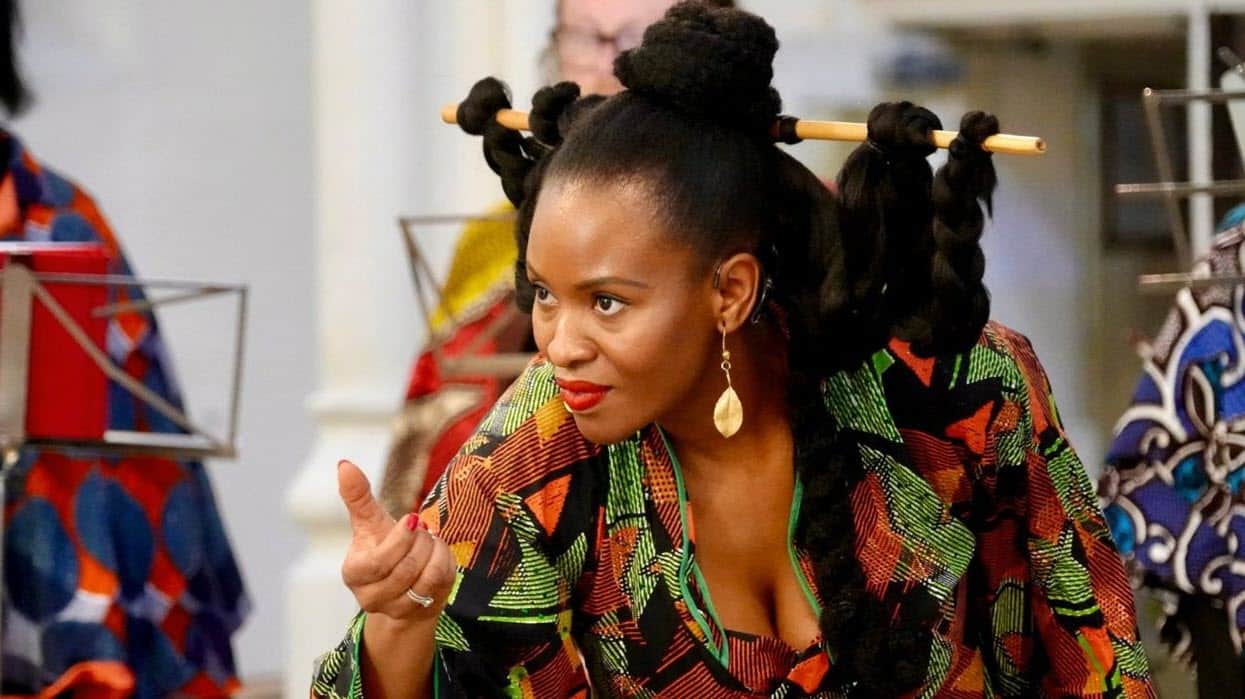
Opera, a timeless art form that combines powerful music and dramatic storytelling, has produced some of the most captivating songs in music history. From the soaring arias that express the deepest human emotions to the intricate ensembles that showcase vocal virtuosity, opera songs have enthralled audiences for centuries. The best opera songs transcend language and cultural barriers, resonating with listeners through their emotional depth and musical brilliance. This list of the top 15 best opera songs of all time highlights pieces that have left an indelible mark on the world of music. Each song, whether it’s an aria from Puccini’s heart-wrenching “La Bohème,” a duet from Mozart’s enchanting “The Magic Flute,” or a chorus from Verdi’s grand “Aida,” offers a unique blend of melody, harmony, and dramatic flair. These masterpieces have been performed by some of the greatest voices in opera and continue to be celebrated in concert halls and opera houses worldwide. Whether you are a seasoned opera aficionado or a newcomer to this magnificent genre, these songs are sure to captivate your senses and deepen your appreciation for the unparalleled beauty of opera.
1. Nessun dorma by Giacomo Puccini
“Nessun Dorma,” composed by Giacomo Puccini for his opera “Turandot,” stands as one of the most iconic and emotionally resonant arias in opera history. This powerful tenor aria is performed during the final act, where Prince Calaf, determined to win the heart of Princess Turandot, confidently declares that none shall sleep until he conquers her challenge. Puccini’s masterful composition captures both the prince’s bravery and his yearning for love, building to a climactic finale that resonates with audiences worldwide.
The aria’s fame soared beyond opera houses when Luciano Pavarotti’s rendition at the 1990 FIFA World Cup brought it to global prominence. Its lyrics, with themes of determination and passion, coupled with Puccini’s lush orchestration, evoke a range of emotions from hope to triumph. “Nessun Dorma” continues to be a staple in classical crossover performances and remains a testament to Puccini’s ability to craft music that transcends language and culture, touching the hearts of listeners everywhere with its timeless beauty and poignant storytelling.
2. La donna e mobile by Giuseppe Verdi
“La donna è mobile” is perhaps one of the most recognizable and beloved arias in opera, composed by Giuseppe Verdi for his opera “Rigoletto.” Sung by the Duke of Mantua, it is a lively and playful aria where the Duke praises the fickle nature of women, declaring that they are like feathers in the wind, constantly changing and unpredictable.
Verdi’s composition is marked by its catchy melody and spirited orchestration, perfectly capturing the Duke’s charm and flirtatious nature. The aria’s popularity extends far beyond opera enthusiasts, finding its way into popular culture and various adaptations. Its Italian lyrics and vibrant melody evoke a sense of light-heartedness and joy, contrasting with the darker themes present in “Rigoletto.”
“La donna è mobile” remains a staple in classical vocal repertoire, frequently performed in concert halls and featured in numerous films and commercials. Its enduring appeal lies in Verdi’s ability to blend melodic beauty with character depth, creating a piece that resonates with audiences for its charm, wit, and timeless musicality.
3. O mio babbino caro by Giacomo Puccini
“O mio babbino caro” is a poignant aria from Giacomo Puccini’s opera “Gianni Schicchi,” known for its exquisite melody and emotional depth. Sung by the character Lauretta, the aria unfolds as she pleads with her father, Gianni Schicchi, to allow her to marry the man she loves. The aria’s title translates to “O my dear papa,” expressing Lauretta’s heartfelt desire and determination.
Puccini’s composition is characterized by its lyrical beauty and tender orchestration, capturing the innocence and sincerity of Lauretta’s plea. The melody is both delicate and evocative, conveying the emotional intensity of the moment as Lauretta implores her father with love and desperation.
“O mio babbino caro” has become one of Puccini’s most beloved works, celebrated for its timeless appeal and ability to move audiences with its expressive melody and heartfelt lyrics. It has been performed by countless sopranos and remains a cherished part of opera repertoire, embodying Puccini’s mastery in creating music that speaks directly to the soul.
4. Der Hölle Rache kocht in meinem Herzen by Wolfgang Amadeus Mozart
“Der Hölle Rache kocht in meinem Herzen,” commonly known as the Queen of the Night aria, is a powerful and dramatic piece from Wolfgang Amadeus Mozart’s opera “Die Zauberflöte” (The Magic Flute). Sung by the character Queen of the Night, it is a fiery aria where she demands that her daughter Pamina must murder Sarastro, threatening vengeance if she fails.
Mozart’s composition is notable for its technical difficulty and virtuosic demands on the soprano, showcasing the Queen of the Night’s fury and determination through its rapid-fire coloratura passages and high notes. The aria’s intense orchestration and rapid tempo further emphasize the Queen’s wrath and desperation.
“Der Hölle Rache” is revered for its dramatic impact and vocal fireworks, making it a favorite among sopranos and opera aficionados alike. Its themes of vengeance and power are underscored by Mozart’s skillful use of music to convey the Queen’s emotions, creating a piece that continues to captivate audiences with its theatricality and musical brilliance.
5. Libiamo ne’ lieti calici by Giuseppe Verdi
“Libiamo ne’ lieti calici,” also known simply as the “Brindisi,” is a famous drinking song from Giuseppe Verdi’s opera “La Traviata.” It is sung in the first act by the characters Violetta and Alfredo as they celebrate their newfound love and the joy of life itself.
Verdi’s composition is characterized by its lively and infectious melody, accompanied by cheerful orchestration that captures the festive atmosphere of the party scene. The lyrics encourage everyone to raise their glasses and toast to love and pleasure (“libiamo” means “let’s drink” in Italian), making it a quintessential operatic celebration.
The “Brindisi” has become one of the most recognizable and beloved opera pieces, known for its exuberance and catchy tune. Its popularity extends beyond opera houses, frequently appearing in concerts, films, and commercials. Verdi’s ability to blend melody with celebratory spirit has ensured that “Libiamo ne’ lieti calici” remains a cherished part of operatic repertoire, embodying the joy and passion that defines the human experience.
6. Largo al factotum by Gioachino Rossini
“Largo al factotum” is a famous aria from Gioachino Rossini’s opera “Il Barbiere di Siviglia” (The Barber of Seville), sung by the character Figaro, the witty and resourceful barber. The aria is a lively and humorous introduction to Figaro, who boasts about his skills as the town’s jack-of-all-trades (“factotum”).
Rossini’s composition is known for its rapid-fire tempo and playful melody, reflecting Figaro’s energetic and charismatic personality. The aria’s lyrics humorously highlight Figaro’s popularity and versatility, as he describes himself as the go-to person for solving any problem in Seville.
“Largo al factotum” has become a signature piece for baritones due to its demanding vocal range and technical agility. Its catchy tune and spirited orchestration make it a favorite among audiences, showcasing Rossini’s mastery in crafting music that is both entertaining and musically rich.
The aria’s enduring popularity has ensured its place in opera houses worldwide and its adaptation into various forms of media, solidifying Figaro and his aria as iconic symbols of operatic comedy and charm.
7. Vissi d’arte by Giacomo Puccini
“Vissi d’arte” (“I lived for art”) is a poignant aria from Giacomo Puccini’s opera, “Tosca,” known for its emotional depth and lyrical beauty. Sung by the character Tosca in Act II, the aria reveals her inner turmoil as she grapples with the injustice and betrayal surrounding her. The melody is hauntingly beautiful, reflecting Tosca’s despair and plea for divine understanding after being manipulated into a tragic situation. Puccini’s masterful composition intertwines lyrical phrases with dramatic orchestration, enhancing the aria’s intensity and emotional impact. “Vissi d’arte” stands as one of opera’s most beloved and recognizable pieces, celebrated for its ability to convey profound human emotions through music. Its enduring popularity has solidified its place among the best opera songs of all time, captivating audiences with its raw vulnerability and timeless expression of the human spirit.
8. Un bel di vedremo by Giacomo Puccini
“Un bel dì vedremo” (“One fine day we’ll see”) is a captivating aria from Giacomo Puccini’s opera “Madama Butterfly.” Sung by the protagonist, Cio-Cio San (Butterfly), the aria expresses her unwavering hope and anticipation of her husband Pinkerton’s return. Set against a lush orchestration that evokes the tranquil beauty of Nagasaki Bay, the aria unfolds as Butterfly imagines the day when she will see Pinkerton’s ship on the horizon, fulfilling her dreams of love and reunion. Puccini’s melodic genius shines through in this aria, blending lyrical grace with deep emotional resonance. “Un bel dì vedremo” is cherished for its poignant portrayal of longing and optimism, capturing the essence of Butterfly’s steadfast faith amidst her poignant circumstances. Its enduring popularity and emotive power have cemented its status as one of the greatest opera songs of all time, touching hearts with its timeless portrayal of hope, love, and the human spirit.
9. Suor Angelica Si, mi chiamano Mimi by Giacomo Puccini
“Si, mi chiamano Mimi” is a renowned aria from Giacomo Puccini’s opera “La Bohème,” sung by the character Mimi in the first act. In this aria, Mimi introduces herself to Rodolfo and his friends, portraying herself as a gentle and humble young woman. She describes her quiet life as a seamstress, revealing her tender and loving nature through poetic and lyrical phrases. Puccini’s composition beautifully captures Mimi’s innocence and sincerity, blending delicate melodies with orchestral richness to evoke a sense of intimacy and warmth. “Si, mi chiamano Mimi” has captivated audiences with its heartfelt expression of love and vulnerability, making it one of the most beloved and enduring arias in opera history. Its popularity endures due to its universal themes of love, longing, and the beauty found in ordinary moments, ensuring its place among the best opera songs of all time.
10. E lucevan le stelle by Giacomo Puccini
“E lucevan le stelle” (“And the stars were shining”) is a poignant aria from Giacomo Puccini’s opera “Tosca.” Sung by the character Mario Cavaradossi in Act III, the aria is a heartfelt reflection on love, life, and impending death. As Cavaradossi awaits his execution at dawn, he reminisces about his love for Tosca and laments the beauty of life slipping away from him. Puccini’s composition is deeply emotive, with a soaring melody that conveys Cavaradossi’s anguish and despair. The aria is marked by its expressive intensity and lyrical beauty, capturing the character’s inner turmoil and resignation with haunting clarity. “E lucevan le stelle” has become one of Puccini’s most famous and revered compositions, celebrated for its ability to evoke profound emotions and poignant introspection. Its enduring popularity and emotional depth solidify its place as one of the greatest opera songs of all time, touching audiences with its timeless portrayal of love, loss, and the fleeting nature of life.
11. Voi, che sapete by Wolfgang Amadeus Mozart
https://www.youtube.com/watch?v=mDeFdGzthV0
“Voi, che sapete” is a charming aria from Wolfgang Amadeus Mozart’s opera “Le Nozze di Figaro” (The Marriage of Figaro). Sung by the character Cherubino in Act II, the aria is a youthful and playful expression of the character’s confusion about love. Cherubino, a young page, sings about the mysteries of love and asks the older women for advice on how to understand his feelings. Mozart’s composition is light-hearted and melodic, reflecting Cherubino’s innocence and curiosity. The aria’s joyful and flirtatious nature, combined with Mozart’s elegant orchestration, makes it a delightful and popular piece in the opera repertoire. “Voi, che sapete” has endured as one of Mozart’s most beloved compositions, cherished for its lyrical beauty, wit, and the character’s endearing vulnerability. Its universal themes of love and adolescence resonate with audiences, ensuring its place among the best opera songs of all time.
12. Che gelida manina by Giacomo Puccini
“Che gelida manina” (“What a cold little hand”) is a celebrated aria from Giacomo Puccini’s opera “La Bohème.” Sung by the character Rodolfo in the first act, the aria is a passionate declaration of love as Rodolfo introduces himself to Mimi, whom he has just met. In this aria, Rodolfo describes the coldness of Mimi’s hand, using it as an excuse to hold her hand and warm it with his own. Puccini’s composition is marked by its lyrical beauty and emotional depth, with a soaring melody that expresses Rodolfo’s immediate infatuation and desire. The aria’s romantic and expressive qualities, combined with Puccini’s masterful orchestration, have made it a favorite among opera enthusiasts and singers alike. “Che gelida manina” remains one of the most iconic and beloved arias in the opera repertoire, renowned for its ability to capture the excitement and intensity of newfound love. Its enduring popularity ensures its place as one of the greatest opera songs of all time.
13. The Toreador Song by Georges Bizet
“The Toreador Song” (“Votre toast, je peux vous le rendre”) is a dynamic aria from Georges Bizet’s opera “Carmen.” Sung by the character Escamillo in Act II, the aria is a bold and charismatic declaration of the toreador’s bravery and skill. Escamillo, the bullfighter, describes the adoration he receives from crowds and the thrill of his dangerous profession. Bizet’s composition is lively and spirited, with a catchy melody and rhythmic intensity that reflects the character’s confidence and bravado. The aria’s dramatic flair, combined with its memorable chorus and orchestration, has made it a staple of operatic performances and popular culture. “The Toreador Song” is renowned for its theatricality and ability to captivate audiences with its celebratory depiction of bravery and glory in the arena. Its enduring popularity and charismatic appeal ensure its place as one of the most iconic and beloved opera songs of all time.
14. Una furtiva lagrima by Gaetano Donizetti
“Una furtiva lagrima” (“A furtive tear”) is a touching aria from Gaetano Donizetti’s opera “L’elisir d’amore” (The Elixir of Love). Sung by the character Nemorino in Act II, the aria expresses Nemorino’s joy and disbelief upon seeing a tear in the eyes of Adina, the woman he loves. Nemorino interprets this tear as a sign that Adina may return his feelings, filling him with hope and elation. Donizetti’s composition is lyrical and tender, with a gentle melody that captures Nemorino’s emotional vulnerability and sincerity. The aria’s heartfelt expression, combined with its graceful orchestration, has made it a favorite among both singers and audiences. “Una furtiva lagrima” is celebrated for its beautiful simplicity and poignant portrayal of love’s tender moments, ensuring its enduring popularity as one of the most beloved opera songs of all time.
15. Va, pensiero by Giuseppe Verdi
“Va, pensiero” (“Chorus of the Hebrew Slaves”) is an iconic chorus from Giuseppe Verdi’s opera “Nabucco.” Sung by the Hebrew slaves in Act III, the chorus laments their exile from their homeland and expresses longing for their lost freedom. The poignant melody and powerful lyrics resonate with themes of oppression, patriotism, and hope for deliverance. Verdi’s composition is stirring and emotive, with a chorus that builds in intensity, reflecting the slaves’ unity and determination. “Va, pensiero” became an instant anthem of liberation and national identity during the Italian Risorgimento, symbolizing the people’s yearning for freedom and independence. Its soaring melody and evocative lyrics have captured the hearts of audiences worldwide, making it one of the most beloved and recognizable opera choruses of all time. “Va, pensiero” remains a timeless masterpiece, cherished for its artistic brilliance and profound emotional impact.

Samuel Moore is a frequent contributor to Singers Room. Since 2005, Singersroom has been the voice of R&B around the world. Connect with us via social media below.









