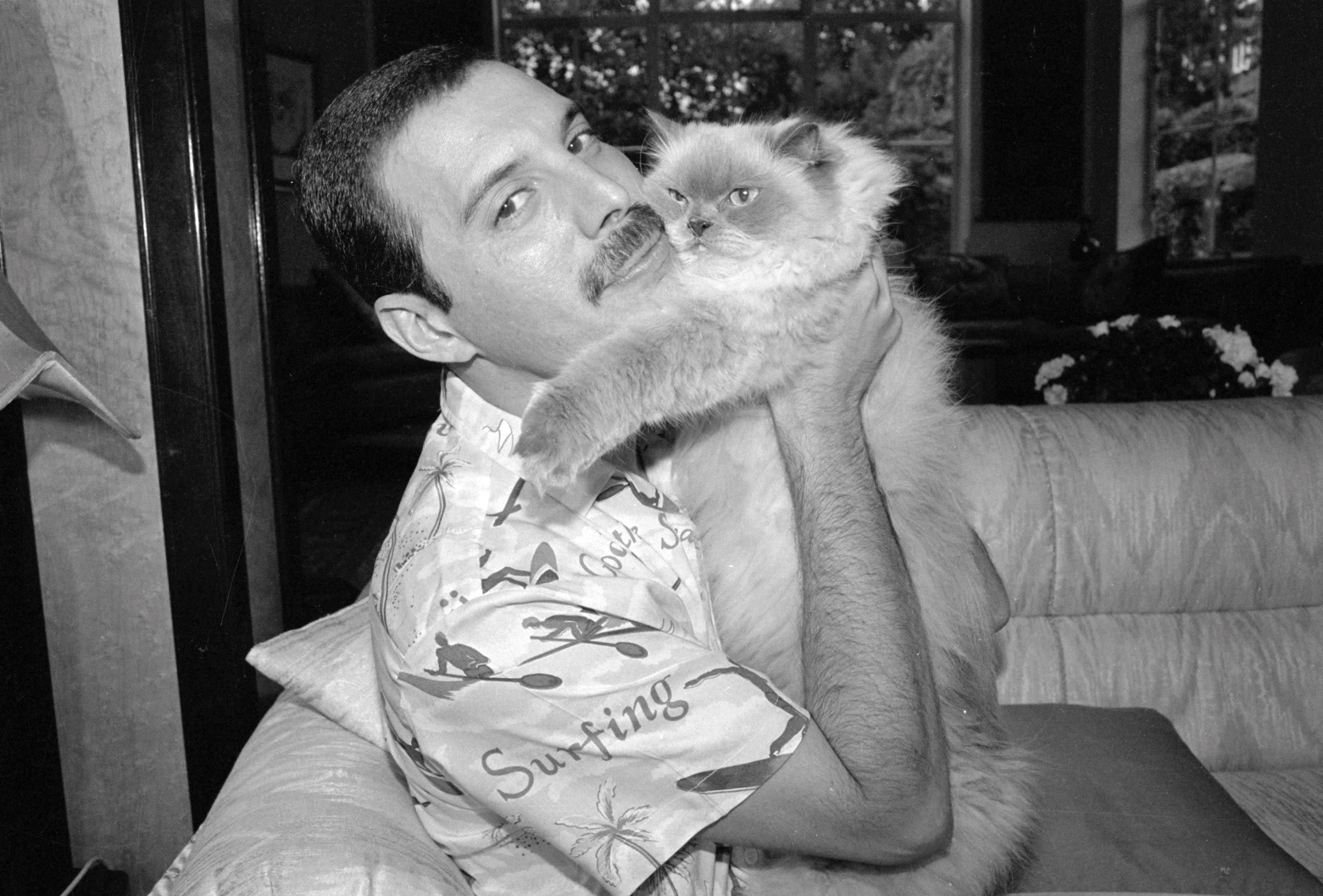
Freddie Mercury, the iconic frontman of Queen, left an indelible mark on music history with his unparalleled vocal range, showmanship, and lyrical prowess. In celebrating his legacy, we delve into the top ten most beloved songs that encapsulate Mercury’s genius and Queen’s enduring influence. From anthems that defined generations to introspective ballads that tug at heartstrings, each track is a testament to Mercury’s ability to blend rock, opera, and pop with unmatched finesse. Classics like “Bohemian Rhapsody” stand as a masterpiece of musical innovation, showcasing Mercury’s operatic vocals and the band’s daring compositional style. Meanwhile, hits like “Somebody to Love” and “Don’t Stop Me Now” resonate with their infectious energy and timeless appeal, embodying Mercury’s charismatic stage presence and lyrical vulnerability. As we revisit these iconic tracks—from stadium-fillers that ignite crowds to soul-stirring melodies that echo through the ages—we celebrate not just the songs themselves but the enduring spirit of creativity and passion that Freddie Mercury brought to every performance and composition. Join us on a journey through Freddie Mercury’s top ten songs, each a testament to his unparalleled artistry and the enduring power of Queen’s musical legacy.
1. Bohemian Rhapsody
“Bohemian Rhapsody” is not just a song; it’s a musical odyssey that has enthralled listeners since its release in 1975. Written by Freddie Mercury and performed by Queen, this six-minute suite defies conventional song structure, seamlessly blending rock, opera, and ballad elements.
The song begins with a gentle piano melody and Mercury’s emotive vocals, telling the story of a young man who has “just killed a man.” This confession leads into a soaring guitar solo by Brian May, before the operatic section takes over. Here, Mercury’s elaborate, multi-tracked harmonies and playful lyrics, featuring characters like Scaramouche and Beelzebub, create a theatrical spectacle. The operatic crescendo gives way to a powerful hard rock segment, showcasing the band’s versatility and culminating in a final reflective coda.
“Bohemian Rhapsody” broke the mold of typical radio-friendly singles, with its unconventional format and length. Despite this, it topped the charts in the UK and later became a global phenomenon, re-entering the charts in 1991 after Mercury’s death and again following its feature in the 1992 film “Wayne’s World.” The song’s enduring popularity is a testament to Mercury’s genius, Queen’s innovation, and the timeless appeal of a track that is both ambitious and deeply moving.
2. We Are the Champions
“We Are the Champions,” one of Queen’s most iconic anthems, was written by Freddie Mercury and released in 1977 as part of their album “News of the World.” This song has become synonymous with victory and triumph, often played at sports events and celebrations around the world.
The song opens with Mercury’s powerful, emotive vocals over a simple piano accompaniment, creating a sense of intimacy and resilience. As the track progresses, it builds in intensity, with Brian May’s soaring guitar riffs and Roger Taylor’s dynamic drumming adding to the grandiosity of the piece. John Deacon’s bass lines provide a solid foundation, enhancing the song’s uplifting and defiant tone.
Lyrically, “We Are the Champions” is a celebration of overcoming obstacles and achieving success against all odds. Mercury’s delivery imbues the words with sincerity and conviction, making it a rallying cry for perseverance and resilience. The chorus, with its triumphant declaration, “We are the champions, my friends,” is both an assertion of personal victory and a universal anthem of solidarity and pride.
Since its release, “We Are the Champions” has been embraced by countless fans and has become an enduring symbol of victory and determination. Its timeless appeal continues to inspire and unite people across generations, solidifying its place as one of Freddie Mercury’s and Queen’s greatest contributions to music.
3. Somebody to Love
“Somebody to Love” is one of Freddie Mercury’s most soulful and heartfelt compositions. Released in 1976 on Queen’s album “A Day at the Races,” the song showcases Mercury’s incredible vocal range and the band’s ability to blend rock with gospel influences.
The song begins with Mercury’s plaintive voice, accompanied by a gospel-inspired piano arrangement. As the song progresses, it builds in complexity, incorporating lush harmonies that reflect Mercury’s admiration for Aretha Franklin. The choir-like backing vocals, performed by Mercury, Brian May, and Roger Taylor, create a rich, layered sound that adds depth and emotional resonance to the piece.
Lyrically, “Somebody to Love” explores themes of loneliness and the longing for companionship. Mercury’s impassioned delivery conveys a deep sense of yearning and vulnerability, making the song relatable to anyone who has ever felt the pain of unrequited love. The chorus, with its repeated plea for “somebody to love,” is both an earnest prayer and a powerful declaration of hope.
Musically, the song is a testament to Queen’s versatility and Mercury’s songwriting prowess. The intricate vocal arrangements, coupled with May’s expressive guitar solos and the tight rhythm section of Taylor and John Deacon, create a dynamic and compelling listening experience.
“Somebody to Love” has remained a fan favorite and a staple in Queen’s live performances, celebrated for its emotional depth and musical brilliance. Its enduring popularity highlights Freddie Mercury’s ability to connect with listeners on a deeply personal level, making it one of the most beloved songs in Queen’s extensive catalog.
4. Don’t Stop Me Now
“Don’t Stop Me Now,” released in 1979 on Queen’s album “Jazz,” is a high-energy anthem written by Freddie Mercury that captures the essence of living life to the fullest. Known for its infectious melody and upbeat tempo, the song has become a celebration of joy and freedom.
The track opens with Mercury’s vibrant piano playing and his dynamic vocals, immediately setting an exhilarating tone. As the song progresses, it builds in intensity, with Brian May’s spirited guitar riffs and Roger Taylor’s driving drum beats adding to the euphoric energy. John Deacon’s bass lines provide a rhythmic foundation that keeps the momentum going.
Lyrically, “Don’t Stop Me Now” is an ode to the thrill of living in the moment. Mercury sings with exuberance about feeling “like a shooting star” and “travelling at the speed of light,” conveying a sense of unstoppable momentum and boundless enthusiasm. The lyrics are filled with vivid imagery that paints a picture of unstoppable force and joyous abandon.
The chorus, with its repeated refrain “Don’t stop me now, I’m having such a good time,” is an irresistible call to embrace the joy of the present and let go of any inhibitions. Mercury’s performance is electric, and his energy is palpable, making it impossible for listeners not to get swept up in the song’s contagious enthusiasm.
“Don’t Stop Me Now” has become one of Queen’s most beloved songs, praised for its feel-good vibe and relentless positivity. Its enduring appeal lies in its ability to uplift and inspire, making it a timeless anthem for anyone looking to celebrate the sheer thrill of being alive.
5. Crazy Little Thing Called Love
“Crazy Little Thing Called Love,” released in 1979 as part of Queen’s album “The Game,” is a rockabilly-inspired track written by Freddie Mercury. This song stands out for its retro style and infectious rhythm, showcasing Queen’s versatility and Mercury’s knack for crafting catchy, genre-crossing tunes.
The song begins with an unmistakable, upbeat guitar riff played by Mercury himself, setting the stage for a playful and energetic tribute to 1950s rock ‘n’ roll. Brian May’s guitar work, with its crisp, clean tones, adds a layer of authenticity to the track, while Roger Taylor’s steady drumming and John Deacon’s smooth bass lines keep the rhythm tight and engaging.
Lyrically, “Crazy Little Thing Called Love” is a light-hearted ode to the unpredictable and exhilarating nature of love. Mercury’s vocal delivery is relaxed and charming, perfectly capturing the song’s carefree spirit. The lyrics playfully describe the rollercoaster of emotions that come with falling in love, wrapped in a nostalgic musical package.
The chorus is simple yet memorable, with Mercury singing, “This thing called love, I just can’t handle it.” The song’s structure is straightforward, allowing its catchy melody and rhythm to shine through. Its upbeat tempo and lively performance make it a fun and timeless hit that appeals to fans of all ages.
“Crazy Little Thing Called Love” was a commercial success, reaching number one on the Billboard Hot 100 in the United States. Its enduring popularity is a testament to its charm and the band’s ability to infuse their music with a sense of joy and spontaneity. This track remains a beloved part of Queen’s repertoire and a favorite among fans for its nostalgic nod to rock ‘n’ roll’s golden era.
6. Love of My Life
“Love of My Life,” a poignant ballad by Queen, was written by Freddie Mercury and featured on their 1975 album “A Night at the Opera.” Known for its heartfelt lyrics and beautiful melody, the song is a tender ode to love and loss.
The song begins with a gentle acoustic guitar arrangement, played by Brian May, creating an intimate and soothing atmosphere. Mercury’s vocals are soft and emotive, conveying a deep sense of longing and affection. As the song progresses, May’s guitar work becomes more intricate, adding layers of depth to the composition.
Lyrically, “Love of My Life” is a declaration of enduring love and devotion. Mercury’s lyrics express a profound sense of sorrow and yearning, reflecting the pain of separation and the hope for reconciliation. Lines like “Bring it back, bring it back, don’t take it away from me, because you don’t know what it means to me” capture the essence of heartfelt longing and the emotional weight of love.
The song’s arrangement is minimalistic, allowing Mercury’s voice and the lyrical content to take center stage. The delicate interplay between the vocals and guitar creates a hauntingly beautiful sound that resonates with listeners on an emotional level.
“Love of My Life” became a staple in Queen’s live performances, often played as a sing-along with the audience. Its emotional intensity and lyrical beauty have made it a favorite among fans, and it remains one of Queen’s most cherished ballads. The song’s enduring appeal lies in its universal theme of love and loss, and Mercury’s heartfelt delivery ensures it will continue to touch hearts for generations to come.
7. The Show Must Go On
“The Show Must Go On,” released in 1991 as part of Queen’s album “Innuendo,” is one of the band’s most powerful and poignant tracks. Written primarily by Brian May, the song is a tribute to Freddie Mercury’s remarkable resilience and determination in the face of his battle with AIDS.
The song begins with an evocative synthesizer intro, soon joined by May’s haunting guitar riffs and Roger Taylor’s steady drumming, creating a dramatic and intense atmosphere. Mercury’s vocals are particularly stirring, delivering the lyrics with a blend of raw emotion and unwavering strength that resonates deeply with listeners.
Lyrically, “The Show Must Go On” is a testament to perseverance and the human spirit. It reflects Mercury’s courageous attitude and his refusal to let his illness define or defeat him. Lines like “Inside my heart is breaking, my makeup may be flaking, but my smile still stays on” convey a profound sense of inner turmoil and determination.
The chorus, with its powerful declaration, “The show must go on,” serves as both a rallying cry and a statement of defiance. The song’s orchestration, combining rock elements with symphonic touches, adds to its grandeur and emotional impact.
“The Show Must Go On” was released just weeks before Mercury’s death, adding an additional layer of poignancy to the track. It stands as a fitting farewell and a tribute to Mercury’s indomitable spirit and his dedication to his art and his fans.
The song has since become an anthem of resilience and courage, celebrated for its emotional depth and powerful message. Its enduring legacy is a testament to Queen’s ability to create music that not only entertains but also inspires and moves its audience. “The Show Must Go On” remains one of the most significant and beloved songs in Queen’s catalog, encapsulating the essence of Freddie Mercury’s extraordinary life and career.
8. Barcelona
“Barcelona,” a duet between Freddie Mercury and Spanish operatic soprano Montserrat Caballé, is a unique and ambitious piece that blends rock and opera. Released in 1987, the song is the title track of Mercury’s album “Barcelona” and was created as a tribute to the city of Barcelona, which was chosen to host the 1992 Summer Olympics.
The song opens with a grand orchestral arrangement, setting a majestic tone that reflects the grandeur of the Olympic spirit. Mercury’s powerful vocals soon join in, seamlessly blending with Caballé’s operatic voice. The interplay between Mercury’s rock tenor and Caballé’s soprano creates a dynamic and captivating listening experience.
Lyrically, “Barcelona” celebrates the beauty and spirit of the city, capturing the excitement and anticipation of the upcoming Olympics. Mercury’s lyrics are filled with vivid imagery and a sense of wonder, expressed through lines like “Barcelona, such a beautiful horizon” and “Like a jewel in the sun.” The song’s narrative builds towards a climactic finale, mirroring the energy and passion associated with the Games.
The collaboration between Mercury and Caballé was groundbreaking, showcasing Mercury’s versatility and willingness to explore new musical territories. The song’s complex arrangements, featuring both traditional rock instruments and classical orchestration, highlight Queen’s innovative approach to music production.
“Barcelona” was well-received and remains a testament to Mercury’s artistic vision and his ability to transcend genre boundaries. It was performed live by Caballé at the opening ceremony of the Barcelona Olympics, further cementing its place in history. The song continues to be celebrated for its bold fusion of rock and opera, and for its role in bringing together two extraordinary vocal talents in a memorable and inspiring collaboration.
9. Under Pressure
“Under Pressure,” released in 1981, is a collaborative single by Queen and David Bowie. This iconic song combines the distinctive talents of Freddie Mercury and Bowie, creating a powerful and memorable anthem that resonates with listeners worldwide.
The song opens with an instantly recognizable bassline, played by Queen’s John Deacon. The minimalist yet compelling rhythm sets the stage for the song’s exploration of stress and the human condition. Mercury’s and Bowie’s vocals intertwine seamlessly, each bringing their unique styles to the song. Their alternating verses and harmonized choruses create a dynamic and engaging musical conversation.
Lyrically, “Under Pressure” addresses themes of societal pressure, personal struggles, and the need for compassion. Lines like “Pressure pushing down on me, pressing down on you, no man ask for” and “Can’t we give ourselves one more chance?” capture the urgency and emotional weight of the message. The song’s plea for love and understanding in the face of adversity is both poignant and timeless.
The chorus, with its emphatic repetition of “Under pressure,” highlights the song’s central theme and amplifies its emotional impact. The instrumentation, featuring Roger Taylor’s precise drumming and Brian May’s subtle guitar work, provides a solid foundation for the song’s vocal and lyrical intensity.
“Under Pressure” was a commercial success, reaching the top of the charts in several countries. Its enduring popularity is a testament to the collaboration between Mercury and Bowie, two of the most influential figures in music. The song continues to be celebrated for its powerful message, its memorable melody, and the remarkable fusion of Queen’s rock sensibility with Bowie’s innovative artistry.
“Under Pressure” remains one of the most beloved and influential songs in both Queen’s and David Bowie’s repertoires, symbolizing the power of artistic collaboration and the universal appeal of music that speaks to the human experience.
10. Killer Queen
“Killer Queen,” released in 1974 on Queen’s album “Sheer Heart Attack,” is one of the band’s earliest hits and a quintessential example of Freddie Mercury’s songwriting brilliance. The song catapulted Queen into mainstream success and showcased their unique blend of rock, glam, and theatrical flair.
The track opens with a jaunty piano melody, soon accompanied by Mercury’s distinctive, clear vocals. Brian May’s crisp guitar riffs and Roger Taylor’s precise drumming enhance the song’s vibrant and sophisticated sound, while John Deacon’s bass lines provide a steady, driving rhythm.
Lyrically, “Killer Queen” tells the story of a high-class, seductive woman with expensive tastes and a penchant for danger. Mercury’s lyrics are witty and evocative, filled with clever wordplay and vivid imagery. Lines like “She’s a Killer Queen, gunpowder, gelatine, dynamite with a laser beam” paint a picture of a glamorous yet dangerous femme fatale.
The song’s chorus is irresistibly catchy, with its playful melody and memorable hook. Mercury’s vocal performance is both charismatic and nuanced, effortlessly shifting from playful to powerful. The intricate vocal harmonies and multi-layered guitar arrangements highlight Queen’s musical complexity and creativity.
“Killer Queen” was a critical and commercial success, reaching the top of the charts and earning the band their first major hit. It remains a fan favorite and a staple in Queen’s live performances. The song’s sophisticated production, combined with its engaging narrative and musical inventiveness, exemplifies the band’s ability to craft timeless, genre-defying music.
“Killer Queen” stands as a testament to Freddie Mercury’s songwriting prowess and Queen’s unparalleled talent. Its enduring popularity and influence are a tribute to the band’s innovative spirit and their impact on the rock music landscape.

Samuel Moore is a frequent contributor to Singers Room. Since 2005, Singersroom has been the voice of R&B around the world. Connect with us via social media below.









