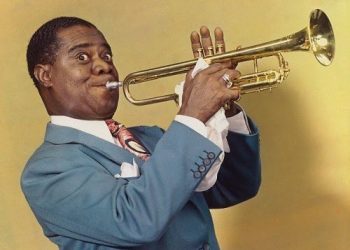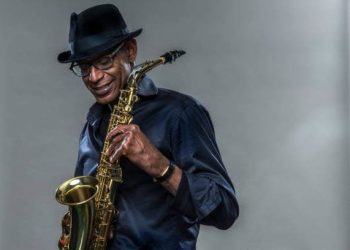
The saxophone, with its smooth, expressive tones and versatile range, has been a cornerstone of music for over a century. Its unique sound has found a place in various genres, from jazz and blues to rock and classical music. The Top Most Popular 15 Best Saxophone Players of All Time is a celebration of the musicians who have mastered this instrument and left an indelible mark on the music world. These saxophonists have not only showcased technical brilliance but also brought emotional depth and innovative flair to their performances. Icons like Charlie Parker and John Coltrane revolutionized jazz with their pioneering techniques and soulful improvisations. Meanwhile, players such as Kenny G and Clarence Clemons brought the saxophone’s charm to mainstream audiences, influencing countless listeners and aspiring musicians. Each of these legendary artists has contributed uniquely to the saxophone’s rich legacy, pushing the boundaries of what the instrument can do and inspiring generations of musicians. This list pays homage to their extraordinary talent and the enduring impact of their music, capturing the essence of the saxophone’s role in shaping the soundscape of modern music.
1. Sidney Bechet
Sidney Bechet, one of the first great soloists in jazz, is celebrated as one of the most influential and popular saxophone players of all time. Born in 1897 in New Orleans, Bechet’s early exposure to the vibrant local music scene shaped his distinctive style. Initially mastering the clarinet, he switched to the soprano saxophone, becoming a pioneer on the instrument. Bechet’s rich, expressive tone and virtuosic technique set him apart, allowing him to infuse his performances with deep emotion and intricate improvisations.
In the 1920s, Bechet moved to Europe, where his career flourished. His dynamic playing captivated audiences and influenced many European jazz musicians. He recorded extensively, leaving behind a legacy of classic jazz recordings such as “Petite Fleur” and “Si Tu Vois Ma Mère.” Bechet’s compositions often showcased his ability to blend lyrical melodies with complex rhythms, creating music that was both innovative and deeply rooted in the New Orleans tradition.
Despite facing racial prejudice, Bechet’s talent and determination earned him international acclaim. His contributions to jazz were immense, and his work helped pave the way for future generations of saxophonists. Sidney Bechet remains a towering figure in jazz history, celebrated for his groundbreaking artistry and enduring influence.
2. Sonny Stitt
Sonny Stitt, a prolific and influential saxophonist, is widely regarded as one of the best saxophone players of all time. Born in 1924 in Boston, Massachusetts, Stitt emerged as a leading figure in the bebop movement, known for his exceptional technique and rapid, intricate improvisations. Equally adept on both the alto and tenor saxophones, Stitt’s versatility and mastery of the instrument earned him the nickname “Lone Wolf.”
Stitt’s early career saw him performing alongside legendary musicians such as Dizzy Gillespie and Charlie Parker, who greatly influenced his style. Although often compared to Parker, Stitt developed his own distinctive voice, characterized by a powerful, fluid sound and a remarkable command of harmony and rhythm. His improvisational skills and ability to seamlessly blend complex lines with lyrical phrasing made him a standout artist.
Throughout his career, Stitt recorded extensively, leaving behind a vast discography that includes seminal albums like “Sonny Stitt Plays” and “Blows the Blues.” His work spanned various jazz styles, from bebop to hard bop, and his collaborations with other jazz greats, including Gene Ammons and Bud Powell, further cemented his legacy.
Despite battling personal challenges, Stitt’s dedication to his craft never wavered. He continued to perform and record until his death in 1982. Sonny Stitt’s contributions to jazz and the saxophone are immeasurable, and his influence can still be heard in the playing of countless saxophonists today.
3. Sonny Rollins
Sonny Rollins, born in 1930 in New York City, is revered as one of the greatest saxophonists in jazz history. His immense talent, innovation, and enduring influence have solidified his place among the top saxophone players of all time. Known for his robust tone, extraordinary improvisational skills, and pioneering spirit, Rollins has left an indelible mark on the world of jazz.
Rollins began his career in the late 1940s, playing with legends like Miles Davis, Thelonious Monk, and Max Roach. His early recordings, such as “Tenor Madness” and “Saxophone Colossus,” showcase his virtuosity and creativity, with compositions like “St. Thomas” and “Blue 7” becoming jazz standards. Rollins’ ability to blend complex melodic lines with rhythmic inventiveness set him apart from his contemporaries.
In the late 1950s, Rollins took a sabbatical from performing to practice and refine his craft, famously practicing on the Williamsburg Bridge. This period of introspection and dedication led to a remarkable comeback in the early 1960s with albums like “The Bridge” and “Our Man in Jazz,” which further established his reputation as a groundbreaking artist.
Rollins’ career has spanned over seven decades, during which he has continually pushed the boundaries of jazz, incorporating elements of calypso, avant-garde, and classical music into his work. His performances are known for their energy, spontaneity, and emotional depth, captivating audiences worldwide.
Even in his later years, Rollins continued to perform and inspire, earning numerous accolades, including the Grammy Lifetime Achievement Award and the National Medal of Arts. Sonny Rollins’ legacy is one of relentless innovation, profound musicality, and an unwavering commitment to the art of jazz.
4. Coleman Hawkins
Coleman Hawkins, often referred to as the “Father of the Tenor Saxophone,” is celebrated as one of the most important and influential saxophonists in jazz history. Born in 1904 in St. Joseph, Missouri, Hawkins revolutionized the role of the tenor saxophone in jazz, elevating it from a supporting instrument to a leading voice.
Hawkins’ early career began in the 1920s, playing with prominent bands such as those led by Fletcher Henderson and Louis Armstrong. His groundbreaking 1939 recording of “Body and Soul” is widely considered a masterpiece, showcasing his sophisticated harmonic approach, rich tone, and complex improvisational style. This recording not only solidified his reputation but also set a new standard for jazz saxophonists.
Throughout the 1940s and 1950s, Hawkins continued to innovate, working with bebop pioneers like Dizzy Gillespie, Thelonious Monk, and Miles Davis. His ability to adapt to the changing landscape of jazz while maintaining his distinctive voice made him a pivotal figure in the genre’s evolution. Albums such as “The Hawk Flies High” and “Coleman Hawkins Encounters Ben Webster” highlight his versatility and enduring artistry.
Hawkins’ influence extended beyond his technical prowess; his expressive playing and deep emotional resonance inspired countless saxophonists, including Sonny Rollins and John Coltrane. His contributions to jazz were recognized with numerous accolades, and he remained an active performer and recording artist until his death in 1969.
Coleman Hawkins’ legacy is defined by his pioneering spirit, exceptional skill, and profound impact on the world of jazz. He transformed the tenor saxophone into a powerful solo instrument and left an indelible mark on the music that continues to resonate with musicians and listeners alike.
5. Stan Getz
Stan Getz, renowned for his smooth, lyrical tone and exceptional technique, is celebrated as one of the finest saxophonists in jazz history. Born in 1927 in Philadelphia, Pennsylvania, Getz’s career spanned over four decades, during which he made significant contributions to the jazz genre, particularly in the realm of cool jazz and bossa nova.
Getz began playing professionally in the late 1940s, quickly gaining recognition for his warm, mellow sound on the tenor saxophone. He first gained prominence as a member of Woody Herman’s big band, where his performances on tracks like “Early Autumn” showcased his unique, emotive style. Getz’s ability to blend technical precision with a deeply melodic approach set him apart from his contemporaries.
In the 1960s, Getz became a central figure in the bossa nova movement, collaborating with Brazilian musicians such as João Gilberto, Antônio Carlos Jobim, and Astrud Gilberto. Their landmark album, “Getz/Gilberto,” featured the hit single “The Girl from Ipanema,” which won a Grammy Award and brought bossa nova into the global spotlight. This collaboration highlighted Getz’s versatility and his ability to seamlessly integrate different musical traditions into his playing.
Throughout his career, Getz continued to explore various styles and genres, recording notable albums such as “Focus,” “Stan Getz and the Oscar Peterson Trio,” and “Captain Marvel.” His playing was characterized by its fluidity, elegance, and an innate sense of swing, earning him the nickname “The Sound.”
Getz’s influence on jazz is profound, with his recordings remaining essential listening for jazz enthusiasts and saxophonists alike. He received numerous accolades, including multiple Grammy Awards, and his contributions to music were celebrated until his death in 1991. Stan Getz’s legacy is one of timeless beauty and innovation, cementing his status as one of the greatest saxophonists of all time.
6. Ornette Coleman
Ornette Coleman, a pioneering and highly influential figure in jazz, is widely recognized as one of the most innovative saxophonists of all time. Born in 1930 in Fort Worth, Texas, Coleman revolutionized the jazz world with his avant-garde approach and groundbreaking concepts, particularly his development of “free jazz.”
Coleman began his career in the 1950s, and his early recordings, such as “The Shape of Jazz to Come” and “Change of the Century,” introduced listeners to his radical new ideas. Unlike traditional jazz, which relied heavily on predetermined chord progressions and structures, Coleman’s music emphasized free improvisation, melodic invention, and collective interaction. This departure from convention challenged the established norms of jazz and opened up new possibilities for the genre.
Playing primarily on the alto saxophone, Coleman’s distinctive sound was marked by its raw, expressive quality and unconventional phrasing. His compositions, including classics like “Lonely Woman” and “Congeniality,” showcased his ability to blend emotion with innovation, creating music that was both intellectually stimulating and deeply moving.
In the 1960s, Coleman’s influence expanded with albums like “Free Jazz: A Collective Improvisation,” which featured a double quartet and highlighted the spontaneous interplay between musicians. This album, in particular, solidified his reputation as a leader in the free jazz movement.
Coleman’s career continued to evolve over the decades, incorporating elements of funk, rock, and world music into his work. He received numerous accolades, including a Pulitzer Prize for Music and multiple Grammy Awards, recognizing his profound impact on the musical landscape.
Ornette Coleman’s legacy is one of fearless experimentation and boundary-pushing creativity. His contributions to jazz not only redefined the role of the saxophone but also transformed the very essence of the genre, inspiring generations of musicians to explore new artistic frontiers.
7. Cannonball Adderley
Cannonball Adderley, born Julian Edwin Adderley in 1928 in Tampa, Florida, is celebrated as one of the most influential and beloved saxophonists in jazz history. Known for his exuberant playing style and rich, warm tone, Adderley made significant contributions to both the hard bop and soul jazz genres.
Adderley first gained widespread recognition in the mid-1950s, when he moved to New York City and began performing with some of the era’s leading jazz musicians. His dynamic style and technical proficiency quickly caught the attention of Miles Davis, who invited him to join his sextet. Adderley’s work with Davis, particularly on the groundbreaking album “Kind of Blue,” solidified his reputation as a leading saxophonist. His solos on tracks like “Freddie Freeloader” are considered some of the finest in jazz history.
In addition to his work with Davis, Adderley led his own successful bands, often collaborating with his brother, cornetist Nat Adderley. Together, they produced a string of hit albums that blended hard bop’s complexity with the infectious rhythms and grooves of soul jazz. Notable recordings include “Somethin’ Else,” “Mercy, Mercy, Mercy! Live at ‘The Club’,” and “The Cannonball Adderley Quintet in San Francisco,” featuring hits like “This Here” and “Work Song.”
Adderley’s music was known for its joyful, accessible quality, which helped bring jazz to a broader audience. His ability to infuse his performances with emotion and spontaneity made his concerts memorable experiences. He was also a gifted communicator, often engaging with his audiences and providing insights into the music he played.
Cannonball Adderley’s legacy is marked by his contributions to the development of modern jazz and his role in popularizing the genre. His influence can be heard in the playing of countless saxophonists who followed in his footsteps. Adderley’s vibrant spirit and musical genius continue to inspire jazz lovers around the world. He passed away in 1975, but his music remains a testament to his enduring impact on jazz.
8. Gerry Mulligan
Gerry Mulligan, born in 1927 in Queens, New York, is widely regarded as one of the most influential baritone saxophonists in jazz history. Known for his exceptional arranging skills and his pioneering role in the development of cool jazz, Mulligan left an indelible mark on the genre with his innovative approach and distinctive sound.
Mulligan first gained prominence in the late 1940s as an arranger and performer in various big bands, including those led by Gene Krupa and Claude Thornhill. However, it was his collaboration with trumpeter Chet Baker in the early 1950s that truly brought him into the spotlight. Together, they formed the Gerry Mulligan Quartet, a pianoless ensemble that became iconic for its fresh, airy sound and intricate interplay between musicians. Their recordings, including the seminal “Gerry Mulligan Quartet with Chet Baker,” are considered masterpieces of cool jazz.
Mulligan’s baritone saxophone playing was characterized by its smooth, lyrical quality and remarkable dexterity. He was able to play with the agility of an alto or tenor saxophonist, which was unusual for the baritone saxophone. His ability to craft melodic, flowing lines made his solos stand out, and his compositions and arrangements often showcased a sophisticated sense of harmony and rhythm.
Throughout his career, Mulligan collaborated with many jazz legends, including Miles Davis, with whom he worked on the groundbreaking “Birth of the Cool” sessions. He also led various ensembles, exploring different styles and pushing the boundaries of jazz. Albums such as “Gerry Mulligan Meets Ben Webster” and “Night Lights” highlight his versatility and enduring creativity.
In addition to his performance career, Mulligan was a prolific composer and arranger, contributing to film scores and orchestral works. His influence extended beyond jazz, as he brought a unique voice to every project he undertook.
Gerry Mulligan’s contributions to jazz have been widely recognized, earning him numerous accolades, including multiple Grammy Awards and a place in the DownBeat Jazz Hall of Fame. He continued to perform and compose until his death in 1996. Mulligan’s legacy as a trailblazing baritone saxophonist and innovative arranger remains a vital part of jazz history, inspiring musicians and delighting audiences worldwide.
9. Wayne Shorter
Wayne Shorter, born in 1933 in Newark, New Jersey, is revered as one of the most innovative and influential saxophonists and composers in jazz history. His groundbreaking work as both a solo artist and a member of iconic jazz groups has earned him a reputation as a visionary artist with a profound impact on the genre.
Shorter first gained recognition in the late 1950s as a member of Art Blakey’s Jazz Messengers, where his distinctive playing style and inventive compositions began to attract attention. In the early 1960s, he joined the Miles Davis Quintet, where his contributions to albums like “E.S.P.” and “Miles Smiles” helped redefine the direction of jazz.
As a solo artist, Shorter’s albums, such as “Speak No Evil,” “Adam’s Apple,” and “JuJu,” showcased his unique approach to composition and improvisation. His playing is characterized by its harmonic sophistication, melodic invention, and rhythmic complexity, which set him apart as a true innovator in jazz saxophone.
Shorter’s career continued to evolve in the 1970s and beyond, as he formed the influential jazz fusion group Weather Report with keyboardist Joe Zawinul. Weather Report’s albums, including “Heavy Weather” and “Black Market,” pushed the boundaries of jazz and helped popularize the fusion genre.
In addition to his work with Weather Report, Shorter has recorded and performed with a wide range of musicians, including Herbie Hancock, Joni Mitchell, and Steely Dan. His compositions, such as “Footprints,” “Nefertiti,” and “Children of the Night,” have become jazz standards, and his influence on younger generations of musicians is immeasurable.
Wayne Shorter’s contributions to jazz have been recognized with numerous awards, including multiple Grammy Awards and a Lifetime Achievement Award from the National Endowment for the Arts. His music continues to inspire and captivate audiences around the world, cementing his legacy as one of the greatest saxophonists and composers in jazz history.
10. Paul Desmond
Paul Desmond, born Paul Emil Breitenfeld in 1924 in San Francisco, California, is best known for his distinctive alto saxophone sound and his long association with the Dave Brubeck Quartet. Desmond’s cool, melodic style and his ability to craft elegant, lyrical solos made him one of the most recognizable and influential saxophonists in jazz.
Desmond’s partnership with pianist Dave Brubeck began in the early 1950s and lasted for over two decades. Their collaboration produced some of the most iconic recordings in jazz history, including the classic album “Time Out,” which featured the hit single “Take Five.” Desmond’s composition “Take Five” became a jazz standard and is still one of the most recognizable jazz tunes today.
Desmond’s playing was characterized by its smooth, effortless sound and his keen sense of melody. His solos were often described as “cool” or “subtle,” with a focus on elegant phrasing and a lyrical approach to improvisation. Desmond’s tone was light and airy, with a warm, inviting quality that drew listeners in.
In addition to his work with the Dave Brubeck Quartet, Desmond was a prolific recording artist and composer in his own right. Albums like “Desmond Blue” and “Take Ten” showcase his lyrical playing and his talent for creating memorable melodies. His compositions, such as “Emily” and “Wendy,” are beloved by jazz fans and musicians alike.
Desmond’s influence extended far beyond his work with Brubeck. His playing inspired countless saxophonists and his unique sound helped define the cool jazz aesthetic of the 1950s and 1960s. Desmond’s contributions to jazz were recognized with a Grammy Lifetime Achievement Award, and his music continues to be celebrated for its beauty, sophistication, and timeless appeal.
11. Dexter Gordon
Dexter Gordon, born in 1923 in Los Angeles, California, was a towering figure in the world of jazz, known for his distinctive sound, sophisticated improvisation, and commanding stage presence. As one of the most influential tenor saxophonists in jazz history, Gordon’s music resonated with audiences around the world and left a lasting impact on the genre.
Gordon’s career began in the 1940s, playing in big bands led by Lionel Hampton and Louis Armstrong. He later joined the bebop movement, collaborating with icons like Dizzy Gillespie and Charlie Parker. Gordon’s big, breathy tone and his ability to build solos with long, flowing lines set him apart from other saxophonists of his time. His compositions, such as “Fried Bananas” and “Cheesecake,” became jazz standards and showcased his unique blend of melodic invention and rhythmic prowess.
In the 1960s, Gordon’s career experienced a resurgence when he moved to Europe, where he recorded a series of acclaimed albums for the Blue Note label. His album “Go!” is considered one of his finest works and features some of his most memorable performances.
Gordon’s return to the United States in the 1970s further solidified his status as a jazz legend. He received widespread acclaim for his role in the film “Round Midnight,” for which he received an Academy Award nomination for Best Actor. His later recordings, such as “Sophisticated Giant” and “The Other Side of Round Midnight,” continued to showcase his talent and artistry.
Dexter Gordon’s influence on jazz is immeasurable, and his music continues to inspire musicians and jazz enthusiasts alike. His legacy as a masterful saxophonist and a true jazz innovator is celebrated around the world, and his contributions to the art form will be remembered for generations to come.
12. Lester Young
Lester Young, known affectionately as “Pres” or “Prez,” was a seminal figure in the history of jazz, renowned for his revolutionary approach to the tenor saxophone and his distinctive sound. Born in 1909 in Woodville, Mississippi, Young’s innovative style and lyrical phrasing had a profound influence on the development of jazz, particularly the bebop and cool jazz movements.
Young rose to prominence in the 1930s as a member of Count Basie’s orchestra, where his light, airy tone and relaxed, melodic improvisations set him apart from his contemporaries. His playing style, characterized by its understated elegance and subtle emotional depth, earned him a reputation as one of the greatest improvisers in jazz history.
Young’s recording of “Lester Leaps In” with the Count Basie Orchestra became a jazz classic and showcased his ability to construct solos that were both technically brilliant and emotionally resonant. His collaborations with musicians such as Billie Holiday, Teddy Wilson, and Nat King Cole further cemented his status as a jazz legend.
In addition to his innovative approach to the saxophone, Young was also known for his distinctive fashion sense and unique vocabulary. He coined many jazz slang terms, including “cool” and “bread,” which are still used in jazz circles today.
Despite facing racial discrimination throughout his career, Young’s contributions to jazz were widely recognized, and he remained a beloved figure among musicians and fans alike. His influence can be heard in the playing of countless saxophonists who followed in his footsteps, and his music continues to be celebrated for its beauty, creativity, and timeless appeal. Young passed away in 1959, but his legacy as one of the greatest saxophonists in jazz history lives on.
13. Michael Brecker
Michael Brecker, born in 1949 in Philadelphia, Pennsylvania, was a groundbreaking saxophonist whose virtuosic playing and innovative approach to jazz had a profound impact on the genre. Known for his powerful tone, technical mastery, and adventurous spirit, Brecker pushed the boundaries of saxophone playing and helped redefine contemporary jazz.
Brecker’s career began in the 1970s, where he gained recognition as a session musician and studio player, contributing to numerous recordings across various genres. His versatility and ability to blend seamlessly into any musical setting made him a sought-after collaborator, and he worked with artists such as Steely Dan, Joni Mitchell, and Paul Simon.
In the 1980s, Brecker co-founded the seminal jazz fusion group Steps Ahead and released his debut album as a bandleader, “Michael Brecker,” which showcased his formidable skills as both a saxophonist and a composer. He continued to release a series of critically acclaimed albums throughout the 1980s and 1990s, including “Don’t Try This at Home” and “Tales from the Hudson,” which further established him as a leading figure in contemporary jazz.
Brecker’s playing was characterized by its technical brilliance, harmonic sophistication, and emotional depth. His ability to effortlessly navigate complex chord changes and deliver passionate, soulful solos set him apart as one of the most distinctive voices in jazz.
Brecker’s influence extended far beyond the jazz world, as his playing inspired a generation of saxophonists across various genres. He received numerous accolades throughout his career, including multiple Grammy Awards, and was widely regarded as one of the greatest saxophonists of his generation.
Brecker’s life was tragically cut short when he passed away in 2007 from complications of leukemia. However, his music continues to inspire and captivate audiences around the world, and his legacy as a true jazz innovator remains as strong as ever.
14. Charlie Parker
Charlie Parker, also known as “Bird,” was a pioneering alto saxophonist and composer who revolutionized jazz during the bebop era of the 1940s. Born in 1920 in Kansas City, Kansas, Parker’s innovative approach to improvisation, harmonic complexity, and rhythmic virtuosity changed the course of jazz history and influenced countless musicians.
Parker’s early career was marked by a rapid rise to fame, as he honed his skills in the Kansas City jazz scene before moving to New York City. It was in New York that Parker became a central figure in the development of bebop, a new style of jazz characterized by fast tempos, complex harmonies, and intricate melodies.
Parker’s recordings and performances with other bebop pioneers, such as Dizzy Gillespie, Thelonious Monk, and Bud Powell, are considered some of the most important in jazz history. Classics like “Ko-Ko,” “Ornithology,” and “Yardbird Suite” showcase Parker’s unparalleled improvisational abilities and his innovative approach to melody and rhythm.
Despite his musical genius, Parker struggled with drug addiction and personal challenges throughout his life, which ultimately led to his untimely death at the age of 34 in 1955. However, his legacy as one of the greatest saxophonists and improvisers in jazz history lives on.
Parker’s influence can be heard in the playing of virtually every saxophonist who came after him, and his compositions continue to be studied and performed by jazz musicians around the world. Charlie Parker’s contributions to jazz were recognized with a Grammy Lifetime Achievement Award and a place in the DownBeat Jazz Hall of Fame, cementing his status as a true jazz legend.
15. John Coltrane
John Coltrane, born in 1926 in Hamlet, North Carolina, is widely regarded as one of the most innovative and influential saxophonists in the history of jazz. Known for his groundbreaking approach to improvisation, his expansive harmonic concepts, and his spiritual depth, Coltrane’s music transcended traditional boundaries and continues to inspire listeners around the world.
Coltrane’s career began in the 1940s, playing alto saxophone in various big bands before switching to tenor saxophone and joining the Miles Davis Quintet in the 1950s. It was during this time that Coltrane began to develop his own unique voice as a saxophonist, characterized by his rapid-fire improvisational style, his use of extended techniques such as multiphonics and sheets of sound, and his deep, soulful tone.
In the early 1960s, Coltrane formed his own quartet and began to explore more avant-garde and experimental forms of jazz. Albums like “Giant Steps,” “My Favorite Things,” and “A Love Supreme” are considered masterpieces of the genre and showcase Coltrane’s unparalleled improvisational skills and his deep spiritual and philosophical beliefs.
Coltrane’s music was deeply influenced by his spiritual quest for meaning and his belief in the power of music to transcend earthly concerns. His later recordings, such as “Ascension” and “Interstellar Space,” pushed the boundaries of jazz even further, incorporating elements of free jazz, modal jazz, and world music into his sound.
Coltrane’s influence extends far beyond the world of jazz, with musicians from all genres citing him as a major inspiration. His impact on the saxophone is immeasurable, and his legacy as a true innovator and visionary in the world of music is secure. John Coltrane passed away in 1967 at the age of 40, but his music lives on as a testament to his genius and his enduring influence on the world of jazz.

Samuel Moore is a frequent contributor to Singers Room. Since 2005, Singersroom has been the voice of R&B around the world. Connect with us via social media below.