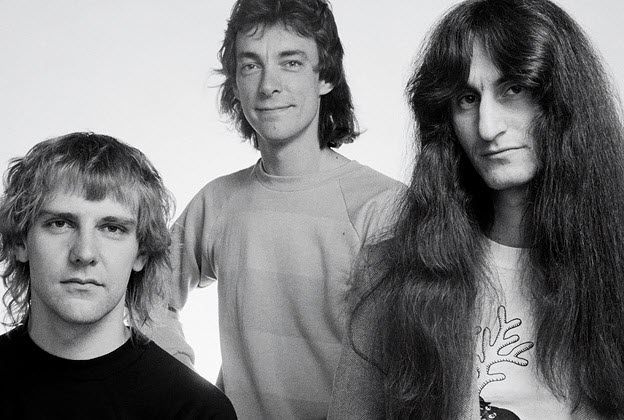
Rush was a Canadian rock band formed in 1968, known for their complex compositions and eclectic lyrical motifs. The trio, consisting of Geddy Lee (vocals, bass, keyboards), Alex Lifeson (guitar), and Neil Peart (drums, lyrics), gained a dedicated following with their innovative blend of hard rock, progressive rock, and heavy metal. Peart’s intricate drumming and thought-provoking lyrics, Lee’s distinctive high-pitched voice and bass prowess, and Lifeson’s versatile guitar work defined their sound. Albums like “2112,” “Moving Pictures,” and “Permanent Waves” are iconic, influencing countless musicians. Rush’s technical proficiency and enduring impact solidify them as one of rock’s greatest bands.
1. Tom Sawyer
Tom Sawyer, the iconic protagonist of Rush’s 1981 hit song, embodies the spirit of an independent and free-thinking individual. With lyrics by Neil Peart and music by Geddy Lee and Alex Lifeson, this character is portrayed as a modern-day warrior with a sharp mind and a defiant attitude. He is “a mean, mean pride” who stands apart from societal norms, navigating life on his own terms. The song, from the album “Moving Pictures,” showcases his complex nature, blending intelligence, confidence, and a touch of rebelliousness. Tom Sawyer represents the struggle and triumph of personal freedom and individuality.
2. The Spirit of Radio
“The Spirit of Radio” is a celebrated song by the Canadian rock band Rush, released in 1980 as the opening track of their album “Permanent Waves.” Written by Geddy Lee, Alex Lifeson, and Neil Peart, the song is a tribute to the golden age of radio and the joy of discovering music through the airwaves. It features a blend of rock, reggae, and progressive elements, showcasing the band’s technical prowess and innovative sound. Lyrically, it reflects on the power and magic of radio to inspire and connect people, celebrating its role in the cultural and musical landscape.
3. Closer to the Heart
“Closer to the Heart” is a renowned song by the Canadian rock band Rush, featured on their 1977 album “A Farewell to Kings.” Co-written by Neil Peart, Geddy Lee, and Alex Lifeson, with lyrics contributed by Peter Talbot, the song emphasizes the importance of compassion, creativity, and unity in building a better world. With its memorable acoustic intro and powerful progressive rock elements, the song calls for a collective effort from all walks of life—artists, philosophers, and ordinary people—to shape a more just and empathetic society. “Closer to the Heart” remains one of Rush’s most beloved and enduring anthems.
4. Limelight
“Limelight” is a song by Rush from their 1981 album *Moving Pictures*. Written by guitarist Alex Lifeson and drummer Neil Peart, the song reflects Peart’s feelings about fame and the pressure it brings. With its memorable guitar riff, driving rhythm, and Geddy Lee’s distinctive vocals, “Limelight” became one of Rush’s most popular and enduring tracks. The song’s lyrics poignantly capture the paradox of public acclaim and personal isolation, encapsulating the band’s nuanced take on success and the challenges of living in the spotlight. It remains a fan favorite and a staple in Rush’s live performances.
5. Subdivisions
“Subdivisions” is a song by Rush from their 1982 album *Signals*. The track, primarily written by Neil Peart (lyrics) and Geddy Lee (music), explores themes of suburban alienation and societal pressures. With its synthesizer-driven sound, “Subdivisions” marked a departure from Rush’s earlier, more guitar-heavy style, showcasing their embrace of new wave and electronic influences. The song’s introspective lyrics address the conformity and disconnection often experienced in suburban life, resonating with many listeners. The memorable line, “Conform or be cast out,” highlights the struggle for individuality. “Subdivisions” remains one of Rush’s most iconic and beloved songs, reflecting their evolving musical direction.
6. Red Barchetta
“Red Barchetta” is a dynamic song by the Canadian rock band Rush, featured on their 1981 album “Moving Pictures.” The song, written by Neil Peart, Geddy Lee, and Alex Lifeson, is inspired by Richard S. Foster’s short story “A Nice Morning Drive.” It tells a vivid, futuristic tale of a young man who drives his uncle’s vintage red Barchetta sports car through the countryside in a world where such vehicles are outlawed. The song’s lyrics paint a picture of freedom and rebellion, with the protagonist relishing the thrill of the open road and the exhilaration of the forbidden drive. Musically, it combines complex rhythms and melodic guitar work, creating an evocative and powerful narrative experience.
7. 2112
*2112* is a seminal album by Rush, released in 1976. The title track, a 20-minute, seven-part epic, occupies the entire first side of the record and is a defining work in progressive rock. The narrative, crafted by drummer and lyricist Neil Peart, is set in a dystopian future where individual expression is suppressed by a totalitarian regime known as the Priests of the Temples of Syrinx. The protagonist discovers a long-lost guitar and the power of music, symbolizing creativity and freedom. Musically, *2112* blends intricate instrumentals, dynamic shifts, and powerful vocals by Geddy Lee, with Alex Lifeson’s guitar work adding depth and intensity. The album’s ambitious concept and virtuosity solidified Rush’s reputation and garnered a dedicated fanbase, becoming a cornerstone of their discography.
8. Freewill
“Freewill” is a powerful and thought-provoking song by the Canadian rock band Rush, featured on their 1980 album “Permanent Waves.” Written by band members Geddy Lee, Alex Lifeson, and Neil Peart, the song explores themes of individualism and personal choice. The lyrics emphasize the importance of making one’s own decisions and taking responsibility for one’s life, rejecting the notion of fate or predestination. Musically, “Freewill” showcases Rush’s signature blend of complex time signatures, intricate guitar work, and dynamic bass lines, all driven by Peart’s compelling drumming. The song is celebrated for its intellectual depth and technical mastery, making it a standout track in Rush’s discography.
9. Working Man
“Working Man” is a song by Rush from their self-titled debut album released in 1974. Written by Geddy Lee and Alex Lifeson, the track stands out for its heavy, blues-rock influence and powerful guitar riffs. The song’s lyrics resonate with many due to their straightforward depiction of the daily grind and the life of an ordinary working-class individual. Geddy Lee’s distinctive vocals and Lifeson’s searing guitar solos are complemented by the dynamic drumming of John Rutsey, who was the band’s drummer before Neil Peart joined. “Working Man” became a fan favorite and a staple in Rush’s live performances, helping to establish the band’s early reputation and setting the stage for their future success.
10. The Trees
“The Trees” is a distinctive song by the Canadian rock band Rush, included on their 1978 album “Hemispheres.” Written by Neil Peart, Geddy Lee, and Alex Lifeson, the song uses an allegorical narrative to explore themes of inequality and conflict. The lyrics depict a forest where maples resent the towering oaks for overshadowing them, leading to a metaphorical struggle for sunlight and resources. This fable-like story reflects broader societal issues of competition and fairness. Musically, “The Trees” features a blend of acoustic and electric guitar work, dynamic bass lines, and intricate drumming, highlighting Rush’s progressive rock style and their ability to weave storytelling with complex musicianship.

Edward Tomlin is a frequent contributor to Singers Room. Since 2005, Singersroom has been the voice of R&B around the world. Connect with us via social media below.







