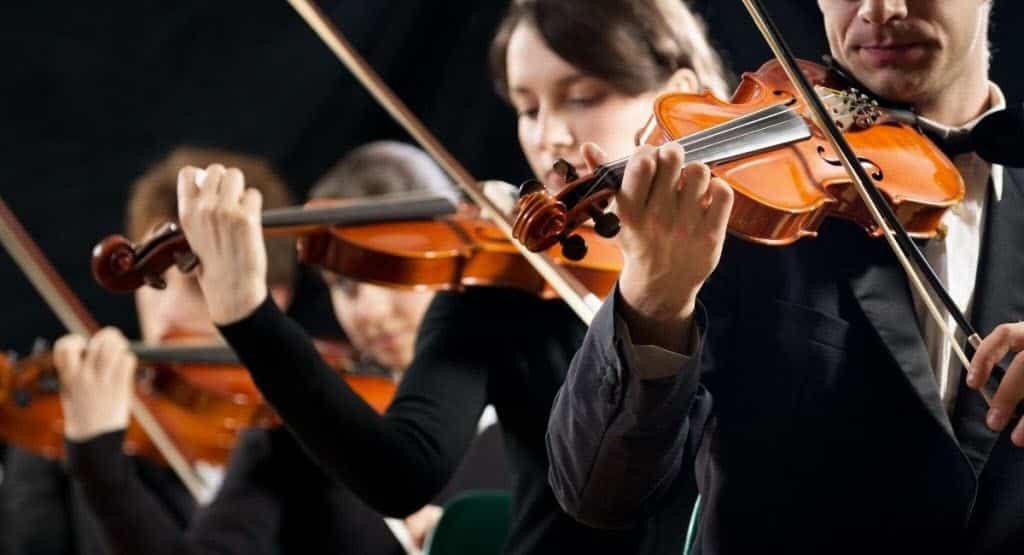
Classical music pieces embody a rich tapestry of compositions spanning centuries, characterized by their complexity, emotional depth, and enduring influence. These works, often written for orchestras, chamber ensembles, or solo instruments, showcase meticulous craftsmanship and artistic innovation. They range from the intricate counterpoint of Johann Sebastian Bach to the expressive romanticism of Ludwig van Beethoven and the lush orchestrations of Pyotr Ilyich Tchaikovsky. Classical music pieces transcend time, inviting listeners into a world of intricate melodies, harmonic richness, and profound narratives that continue to captivate and inspire generations with their timeless beauty and profound expressions of human emotion.
1. Symphony No. 5 by Ludwig van Beethoven
Symphony No. 5 in C minor, Op. 67, by Ludwig van Beethoven, is one of the most famous and widely recognized classical compositions. Written between 1804 and 1808, it is known for its distinctive four-note opening motif, which is arguably one of the most famous motifs in Western music. The symphony is in four movements: Allegro con brio, Andante con moto, Scherzo: Allegro, and Allegro. Beethoven’s Fifth Symphony is celebrated for its dramatic and dynamic nature, showcasing the composer’s mastery of thematic development and emotional depth. It is a testament to Beethoven’s innovative spirit and his profound impact on the development of classical music.
2. The Four Seasons by Antonio Vivaldi
“The Four Seasons” (Italian: “Le quattro stagioni”) is a set of four violin concertos composed by Antonio Vivaldi around 1720. Each concerto is dedicated to a different season—Spring (La primavera), Summer (L’estate), Autumn (L’autunno), and Winter (L’inverno)—and is accompanied by a sonnet, possibly written by Vivaldi himself, which describes the scenes and moods depicted in the music. “The Four Seasons” is among the most popular and frequently performed works in the classical repertoire, known for its vivid musical imagery and innovative use of programmatic elements, such as bird calls, thunderstorms, and the depiction of icy landscapes, making it a hallmark of Baroque music.
3. Eine kleine Nachtmusik by Wolfgang Amadeus Mozart
“Eine kleine Nachtmusik,” composed by Wolfgang Amadeus Mozart in 1787, is a quintessential example of classical chamber music. Its title translates to “A Little Night Music” in English, reflecting its intimate and elegant character. Written for a string ensemble, the piece consists of four movements: Allegro (fast and lively), Romanze (slow and lyrical), Menuetto (graceful dance), and Rondo: Allegro (joyful and spirited). Known for its melodic beauty, graceful phrasing, and balanced structure, “Eine kleine Nachtmusik” remains one of Mozart’s most beloved compositions, cherished for its timeless elegance and ability to evoke both joy and contemplation among listeners.
4. The Marriage of Figaro by Wolfgang Amadeus Mozart
“The Marriage of Figaro,” composed by Wolfgang Amadeus Mozart with a libretto by Lorenzo Da Ponte, is an opera buffa (comic opera) premiered in 1786. Set in Seville, Spain, the opera is a witty and intricate portrayal of love, intrigue, and mistaken identities. Its music is characterized by Mozart’s genius for melody and dramatic expression, featuring lively ensembles, beautiful arias, and intricate orchestration. The plot revolves around the escapades of Count Almaviva and his servants Figaro and Susanna, exploring themes of social hierarchy and love triumphing over adversity. “The Marriage of Figaro” remains one of Mozart’s most popular and frequently performed operas, celebrated for its humor, depth, and timeless portrayal of human relationships.
5. Moonlight Sonata by Ludwig van Beethoven
“Moonlight Sonata,” composed by Ludwig van Beethoven in 1801, is a piano sonata that exemplifies the Romantic era’s focus on emotional expression and individuality. Its official title is “Piano Sonata No. 14 in C-sharp minor, Op. 27, No. 2,” but it is widely known as the “Moonlight Sonata” due to its dreamy and introspective first movement. Beethoven composed the sonata during a period of personal struggle and introspection, which is reflected in its hauntingly beautiful melody and melancholic undertones. The sonata consists of three movements: Adagio sostenuto (slow and sustained), Allegretto (moderately fast), and Presto agitato (fast and agitated), each offering a different emotional landscape. “Moonlight Sonata” remains one of Beethoven’s most beloved and iconic compositions, admired for its evocative power and enduring popularity among pianists and listeners worldwide.
6. Ride of the Valkyries by Richard Wagner
“Ride of the Valkyries” is a dramatic orchestral piece from Richard Wagner’s opera “Die Walküre,” the second opera in his monumental cycle “Der Ring des Nibelungen.” Composed in the 1850s, the music is a powerful representation of the Valkyries, mythical Norse female figures who choose which warriors live and die in battle. The piece is characterized by its stirring and vigorous melody, played predominantly by the brass section, with the strings and woodwinds adding to the intensity. “Ride of the Valkyries” is renowned for its ability to evoke a sense of heroism and grandeur, making it one of Wagner’s most recognizable compositions.
7. Canon in D by Johann Pachelbel
“Canon in D” is a timeless piece of classical music composed by Johann Pachelbel in the late 17th century. Originally written for three violins and basso continuo, it is a prime example of the “canon” form, where a melody is played and then repeated in a staggered manner by different voices. The piece is characterized by its simple yet beautiful melody, played over a repeating bass line. “Canon in D” has enjoyed enduring popularity due to its elegant harmonies and soothing, meditative quality, making it a favorite for weddings, commercials, and other occasions where a sense of grace and tranquility is desired.
8. William Tell Overture by Gioachino Rossini
The “William Tell Overture” is a famous musical composition by Gioachino Rossini, composed in 1829. It is the overture to Rossini’s opera “William Tell,” which tells the story of the legendary Swiss marksman William Tell and his struggle against oppressive Austrian rule. The overture is divided into four main sections, each representing different scenes or moods from the opera. The most famous section is the finale, often referred to as the “March of the Swiss Soldiers,” which features a stirring melody played by the brass section. The overture is known for its energetic and heroic themes, making it one of Rossini’s most iconic works.
9. Flight of the Bumblebee by Nikolai Rimsky-Korsakov
“Flight of the Bumblebee” is a musical interlude written by Nikolai Rimsky-Korsakov for his opera “The Tale of Tsar Saltan,” composed in 1899–1900. The piece is meant to evoke the chaotic and rapid flight of a bumblebee, featuring extremely fast-paced, virtuosic passages for the solo violin. Despite its brevity (typically lasting around one to two minutes), “Flight of the Bumblebee” is renowned for its technical difficulty and has become a popular showcase piece for violinists due to its rapid runs and agility required to perform it accurately.
10. Adagio for Strings by Samuel Barber
“Adagio for Strings,” composed by Samuel Barber in 1936, is a poignant and emotive orchestral work that has become one of the most recognizable pieces of classical music. Originally part of Barber’s String Quartet, Op. 11, he later adapted it into its orchestral form. The piece is known for its slow tempo and intense emotional depth, evoking feelings of sadness, melancholy, and introspection. Its soaring melodies and rich harmonies create a profound and stirring atmosphere, making it a favorite for both concert performances and solemn occasions. “Adagio for Strings” remains a timeless example of Barber’s ability to convey deep emotion through music, resonating with listeners with its beauty and emotional power.
11. Brandenburg Concertos by J.S. Bach
The Brandenburg Concertos, composed by Johann Sebastian Bach around 1721, represent some of the finest examples of Baroque orchestral music. This collection of six concertos showcases Bach’s mastery of counterpoint, virtuosic instrumentation, and intricate musical structure. Each concerto features a different combination of instruments, highlighting their versatility and showcasing soloistic passages within a larger ensemble setting. The concertos are known for their lively rhythms, rich harmonies, and innovative use of instrumental colors. Bach’s Brandenburg Concertos have endured as landmarks of classical music, admired for their technical brilliance, expressive depth, and enduring appeal to both performers and audiences alike.
12. Swan Lake by Pyotr Ilyich Tchaikovsky
“Swan Lake” is a timeless ballet composed by Pyotr Ilyich Tchaikovsky in 1875–76. The ballet tells the story of Odette, a princess turned into a swan by an evil sorcerer’s curse, and Prince Siegfried, who falls in love with her. Tchaikovsky’s score for “Swan Lake” is renowned for its lush melodies, expressive harmonies, and evocative orchestration. The ballet features some of Tchaikovsky’s most memorable music, including the famous “Swan Theme” and the energetic “Dance of the Little Swans.” “Swan Lake” is celebrated for its romantic story, beautiful choreography, and exquisite music, making it one of the most beloved ballets in the classical repertoire.
13. Nessun dorma by Giacomo Puccini
“Nessun dorma,” from Giacomo Puccini’s opera “Turandot,” is a powerful aria that has become one of the most famous and beloved pieces in classical music. Written in 1926, the aria is sung by the character Calaf, who declares his determination to win the heart of Princess Turandot. The aria’s title translates to “None shall sleep,” and its soaring melody and dramatic orchestration convey Calaf’s unwavering confidence and passion. “Nessun dorma” is renowned for its emotional intensity, showcasing Puccini’s ability to blend lyrical beauty with dramatic power. It remains a favorite among opera singers and audiences worldwide, capturing the essence of love, courage, and determination.
14. Nuages gris by Franz Liszt
“Nuages gris” (French for “Grey Clouds”) is a piano composition by Franz Liszt, composed in 1881. It is one of Liszt’s late works, reflecting a departure from his earlier virtuosic style towards a more introspective and experimental approach. “Nuages gris” is characterized by its sparse textures, dissonant harmonies, and melancholic mood, which evoke a sense of desolation and gloom. The piece is considered ahead of its time for its use of chromaticism and its exploration of new harmonic possibilities, anticipating developments in 20th-century music. “Nuages gris” is a haunting and introspective work that showcases Liszt’s innovative approach to composition in his later years.
15. Gymnopédies by Erik Satie
The “Gymnopédies” are a set of three short piano compositions written by Erik Satie in the late 19th century. Composed in 1888, these pieces are known for their atmospheric and tranquil qualities, characterized by their gentle melodies, sparse harmonies, and subtle shifts in dynamics. The term “Gymnopédies” refers to ancient Greek dances performed at religious festivals, and Satie’s compositions evoke a sense of simplicity and serenity reminiscent of these ancient rituals. The “Gymnopédies” have become iconic examples of Satie’s minimalist and impressionistic style, admired for their introspective beauty and influence on later composers and artists.

Edward Tomlin is a frequent contributor to Singers Room. Since 2005, Singersroom has been the voice of R&B around the world. Connect with us via social media below.









