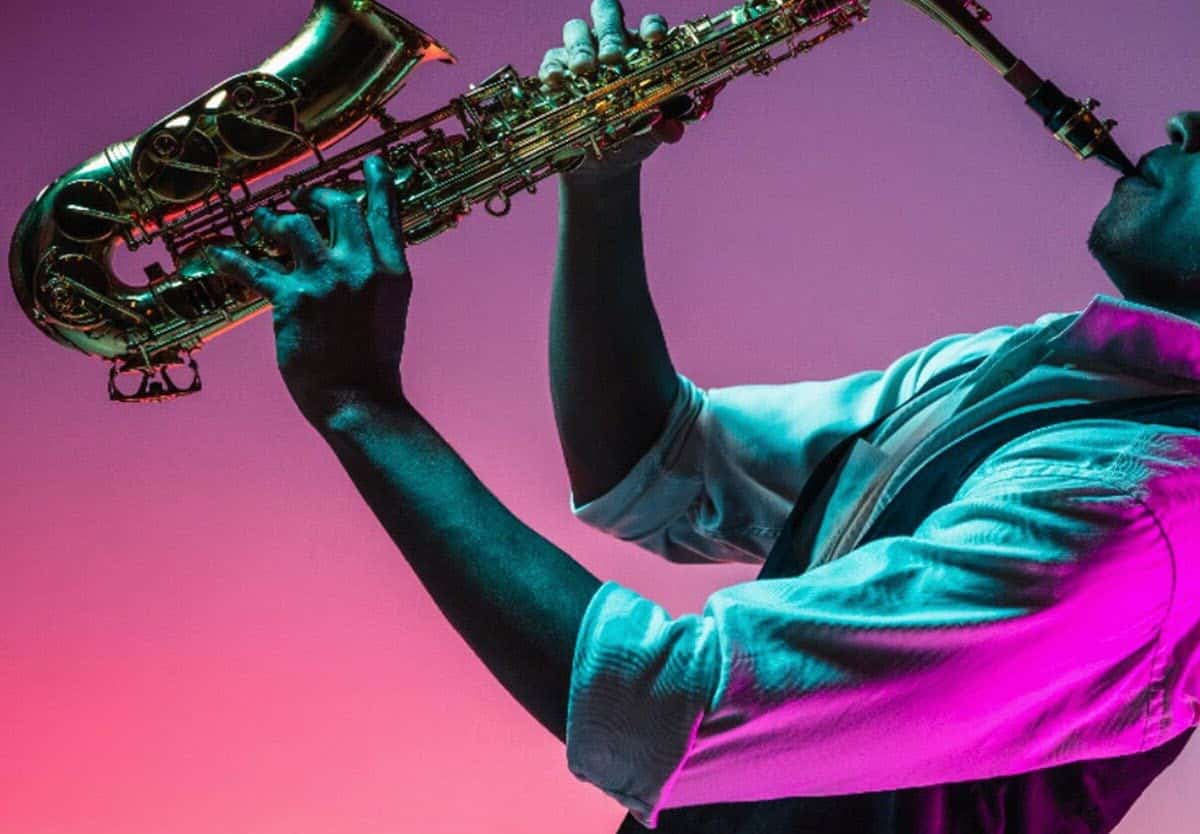
Saxophone players are musicians who specialize in playing the saxophone, a versatile woodwind instrument with a distinctive sound. The saxophone is commonly used in a variety of musical genres, including jazz, classical, blues, and rock. Saxophone players produce sound by blowing air into the instrument and pressing keys to change the pitch. The saxophone’s unique tone and expressive capabilities make it a popular choice for solo performances, as well as in ensembles and bands. Saxophone players often develop their own signature sound and style, using techniques such as vibrato, glissando, and growling to create a range of musical effects.
1. Charlie Parker
Charlie Parker, born in 1920 in Kansas City, Kansas, was an American jazz saxophonist and composer who revolutionized the genre and became one of the most influential figures in the history of jazz. Emerging in the 1940s, Parker, also known as “Bird,” played a pivotal role in the development of bebop, a fast-paced, harmonically complex style of jazz that emphasized improvisation and virtuosity. His innovative approach to improvisation, characterized by lightning-fast runs, intricate melodic lines, and daring harmonic innovations, set a new standard for jazz musicians and paved the way for modern jazz. Hits like “Yardbird Suite,” “Ornithology,” and “Confirmation” exemplify Parker’s genius as both a performer and a composer. Despite battling personal demons and struggles with substance abuse, Parker’s musical legacy remains unparalleled, and his influence on jazz continues to be felt today. Throughout his career, he collaborated with many of the era’s greatest musicians, including Dizzy Gillespie, Miles Davis, and Max Roach, and his recordings remain essential listening for jazz enthusiasts worldwide. Charlie Parker’s enduring impact on jazz and his contributions to the cultural landscape have solidified his status as one of the greatest saxophonists and innovators in the history of music.
2. John Coltrane
John Coltrane, born in 1926 in Hamlet, North Carolina, was an American jazz saxophonist and composer widely regarded as one of the most important and influential figures in the history of jazz. Emerging in the 1940s and 1950s, Coltrane initially gained recognition for his work as a sideman with luminaries such as Miles Davis and Thelonious Monk. However, it was his groundbreaking recordings as a bandleader in the 1960s that solidified his status as a jazz icon.
Coltrane’s playing style evolved significantly throughout his career, from the bebop and hard bop of his early years to the modal jazz and free jazz experimentation of his later recordings. Hits like “Giant Steps,” “My Favorite Things,” and “A Love Supreme” exemplify his virtuosic technique, innovative improvisation, and spiritual depth.
Coltrane’s music often explored themes of spirituality, transcendence, and universal love, reflecting his personal quest for enlightenment and inner peace. His playing was characterized by his distinctive “sheets of sound” technique, in which he would play rapid successions of notes, creating a dense and rich tapestry of sound.
Throughout his career, Coltrane pushed the boundaries of jazz and expanded the possibilities of the saxophone as a solo instrument. His recordings continue to inspire and influence musicians across genres, and his legacy as one of the greatest saxophonists and innovators in the history of jazz remains unmatched. John Coltrane’s enduring impact on music and his contributions to the cultural landscape have solidified his status as a true legend, inspiring generations of musicians and listeners around the world.
3. Sonny Rollins
Sonny Rollins is an American jazz tenor saxophonist known for his powerful sound, innovative improvisation, and prolific recording career. Born in 1930 in New York City, Rollins emerged as a leading figure in the jazz world in the 1950s, playing alongside musicians like Miles Davis, Thelonious Monk, and Max Roach.
Rollins’ playing is characterized by its robust tone, rhythmic agility, and melodic invention. He is known for his extended solos, often exploring complex harmonic and rhythmic ideas with a sense of spontaneity and adventure. Rollins’ recordings, such as “Saxophone Colossus” and “The Bridge,” are considered classics of jazz and have inspired generations of musicians.
In addition to his musical achievements, Rollins is also known for his distinctive visual style, often performing with a wide-brimmed hat and a relaxed, almost meditative stage presence. He continues to perform and record music, and his influence on jazz saxophone playing is profound and enduring.
4. Lester Young
Lester Young, nicknamed “Pres” or “Prez,” was an influential American jazz tenor saxophonist known for his unique sound, lyrical style, and pioneering approach to jazz improvisation. Born in 1909 in Woodville, Mississippi, Young rose to fame in the 1930s and 1940s as a member of the Count Basie Orchestra.
Young’s playing is characterized by its light, airy tone, sophisticated phrasing, and use of innovative harmonies. He was known for his relaxed, laid-back style, which contrasted with the more aggressive, hard-driving approach of many other saxophonists of his time.
Young’s recordings, such as “Lester Leaps In” and “Blue Lester,” are celebrated for their elegance and beauty, and his influence on jazz saxophone playing is profound. He is also known for his role in shaping the “cool jazz” movement of the 1950s and for his impact on later saxophonists such as Stan Getz and Zoot Sims.
Despite facing racial discrimination and personal struggles throughout his life, Young’s music continues to be admired for its artistry and sophistication, and he remains one of the most revered figures in the history of jazz.
5. Cannonball Adderley
Cannonball Adderley, born Julian Edwin Adderley in 1928 in Tampa, Florida, was an American jazz alto saxophonist known for his soulful playing, dynamic improvisations, and infectious personality. Emerging in the 1950s, Adderley quickly gained recognition for his distinctive sound and energetic performances, becoming one of the most prominent and beloved figures in jazz.
Adderley’s playing style was characterized by its warm tone, fluid phrasing, and bluesy sensibility, which earned him a devoted following and widespread acclaim. Hits like “Mercy, Mercy, Mercy,” “Work Song,” and “Sack o’ Woe” exemplify his versatility and his ability to blend elements of blues, gospel, and soul into his jazz compositions.
As a bandleader, Adderley formed the Cannonball Adderley Quintet, which became one of the most successful and influential jazz groups of its time. The quintet’s recordings, particularly those featuring collaborations with pianist Joe Zawinul, are celebrated for their innovative blend of hard bop and soul jazz.
In addition to his contributions as a performer, Adderley was also a respected educator and mentor, influencing countless aspiring musicians with his generosity and wisdom.
Throughout his career, Adderley earned numerous awards and accolades, including multiple Grammy nominations. His enduring influence on jazz and his contributions to the cultural landscape have solidified his status as one of the greatest saxophonists and bandleaders in the history of jazz, inspiring generations of musicians and listeners around the world.
6. Coleman Hawkins
Coleman Hawkins, nicknamed “Hawk,” was an American jazz tenor saxophonist known for his pioneering work in the jazz genre. Born in 1904 in St. Joseph, Missouri, Hawkins emerged as one of the leading figures in jazz during the 1920s and 1930s.
Hawkins’ playing is characterized by its rich, full tone, innovative use of harmony, and rhythmic intensity. He was one of the first musicians to establish the tenor saxophone as a solo instrument in jazz, paving the way for future generations of saxophonists.
Hawkins’ recordings, such as “Body and Soul” and “The Man I Love,” are considered classics of jazz and have had a lasting impact on the genre. His virtuosic playing and innovative approach to jazz improvisation continue to inspire musicians around the world. Hawkins’ contributions to jazz music are profound, and he remains one of the most influential saxophonists in the history of the genre.
7. Sidney Bechet
Sidney Bechet, born in 1897 in New Orleans, Louisiana, was an American jazz saxophonist, clarinetist, and composer who became one of the most important figures in the early development of jazz music. Bechet was a virtuoso on both the soprano saxophone and the clarinet, known for his expressive playing, improvisational skill, and innovative approach to melody and harmony.
Emerging in the 1910s, Bechet was one of the first musicians to bring the saxophone to prominence in jazz, and his recordings from the 1920s, such as “Cake Walkin’ Babies From Home” and “Wild Cat Blues,” are celebrated for their energy and creativity. Bechet’s style combined elements of New Orleans jazz, blues, and classical music, creating a unique and distinctive sound that influenced generations of musicians.
In addition to his contributions as a performer, Bechet was also a prolific composer, with many of his compositions becoming jazz standards. His compositions, such as “Petite Fleur” and “Si Tu Vois Ma Mère,” are characterized by their memorable melodies and sophisticated harmonies.
Throughout his career, Bechet performed and recorded with some of the greatest jazz musicians of his time, including Louis Armstrong, Duke Ellington, and Jelly Roll Morton. His influence on jazz and his contributions to the cultural landscape continue to be felt today, and he remains revered as one of the greatest and most innovative musicians in the history of jazz.
8. Dexter Gordon
Dexter Gordon was an American jazz tenor saxophonist known for his big, bold sound, sophisticated improvisation, and charismatic stage presence. Born in 1923 in Los Angeles, California, Gordon emerged as a prominent figure in the bebop and hard bop movements of the 1940s and 1950s.
Gordon’s playing is characterized by its rich, warm tone, fluid phrasing, and lyrical style. He was known for his ability to tell stories through his music, often drawing listeners in with his soulful, emotive playing.
Gordon’s recordings, such as “Go!” and “Our Man in Paris,” are considered classics of jazz and have influenced generations of saxophonists. His career spanned over five decades, during which he collaborated with many of the jazz greats, including Charlie Parker, Bud Powell, and Thelonious Monk.
In addition to his musical achievements, Gordon was also known for his acting career, appearing in several films, including “Round Midnight,” for which he received an Academy Award nomination for Best Actor.
Gordon’s legacy as one of the greatest tenor saxophonists in jazz history is secure, and his music continues to be celebrated for its beauty, creativity, and emotional depth.
9. Ben Webster
Ben Webster, born in 1909 in Kansas City, Missouri, was an American jazz tenor saxophonist renowned for his rich, warm tone, soulful playing, and expressive style. Emerging in the 1930s, Webster became known for his melodic improvisations and lyrical phrasing, establishing himself as one of the leading tenor saxophonists of the swing era.
Webster’s playing was deeply rooted in the blues tradition, and his ability to convey emotion and nuance through his instrument made him a favorite among audiences and fellow musicians alike. His recordings with the Duke Ellington Orchestra, including classics like “Cottontail” and “All Too Soon,” are celebrated for his brilliant solos and tasteful accompaniment.
In addition to his work with Ellington, Webster also led his own groups and collaborated with other jazz luminaries such as Art Tatum, Coleman Hawkins, and Billie Holiday. His recordings as a leader, including albums like “Soulville” and “King of the Tenors,” are considered essential listening for fans of jazz saxophone.
Throughout his career, Webster remained a master of ballad playing, with his tender renditions of standards like “My Romance” and “Stardust” showcasing his unparalleled ability to convey emotion through music.
Ben Webster’s influence on jazz and his contributions to the saxophone tradition continue to be celebrated today, and his legacy as one of the greatest tenor saxophonists in the history of jazz remains secure.
10. Ornette Coleman
Ornette Coleman was an American jazz saxophonist, violinist, trumpeter, and composer known for his pioneering work in the free jazz movement. Born in 1930 in Fort Worth, Texas, Coleman emerged as a leading figure in jazz during the late 1950s and 1960s.
Coleman’s playing is characterized by its innovative approach to harmony, melody, and rhythm. He was one of the first musicians to explore the concept of “harmolodics,” a theory of music that emphasizes the equal importance of harmony, melody, and rhythm in improvisation.
Coleman’s recordings, such as “The Shape of Jazz to Come” and “Free Jazz: A Collective Improvisation,” are considered groundbreaking in their use of unconventional structures and approaches to improvisation. His work has had a lasting impact on jazz and continues to inspire musicians to push the boundaries of the genre.
In addition to his musical contributions, Coleman was also known for his political activism and his efforts to promote social justice and racial equality. He received numerous awards throughout his career, including a Pulitzer Prize for Music in 2007. Ornette Coleman’s legacy as a visionary artist and innovator in jazz is profound, and his influence on the genre is still felt today.
11. Wayne Shorter
Wayne Shorter, born in 1933 in Newark, New Jersey, is an American jazz saxophonist and composer renowned for his innovative compositions, adventurous improvisations, and profound musicality. Emerging in the 1950s, Shorter quickly gained recognition as one of the most original and influential saxophonists of his generation.
Shorter’s playing style is characterized by its lyrical phrasing, harmonic sophistication, and inventive use of space and silence. His compositions, such as “Footprints,” “Speak No Evil,” and “JuJu,” are celebrated for their complex structures, rich harmonies, and melodic beauty.
In addition to his work as a bandleader, Shorter has been a key member of several influential jazz groups, including Art Blakey’s Jazz Messengers and the Miles Davis Quintet. His collaborations with Davis during the 1960s produced some of the most groundbreaking and enduring recordings in jazz history, including the albums “E.S.P.,” “Miles Smiles,” and “Nefertiti.”
Throughout his career, Shorter has continued to push the boundaries of jazz, blending elements of post-bop, modal jazz, and avant-garde music into his compositions and improvisations. His fearless exploration of new musical territory has earned him widespread acclaim and numerous awards, including multiple Grammy Awards and the prestigious Polar Music Prize.
Wayne Shorter’s enduring influence on jazz and his contributions to the cultural landscape have solidified his status as one of the greatest saxophonists and composers in the history of the genre, inspiring generations of musicians and listeners around the world.
12. Gerry Mulligan
Gerry Mulligan was an American jazz saxophonist, clarinetist, composer, and arranger known for his distinctive light tone and innovative approach to improvisation. Born in 1927 in Queens, New York, Mulligan emerged as a prominent figure in the West Coast jazz scene of the 1950s.
Mulligan’s playing is characterized by its lyrical, melodic style and its use of contrapuntal improvisation, in which multiple melodic lines are played simultaneously. He was known for his collaborations with musicians such as Chet Baker, Stan Getz, and Paul Desmond, as well as his work as a bandleader.
Mulligan’s compositions, such as “Jeru” and “Line for Lyons,” are considered classics of jazz and have been recorded by many other artists. His arrangements, which often featured unusual instrumentation such as the pianoless “pianoless quartet,” were also highly influential in the development of modern jazz.
Mulligan’s contributions to jazz music were recognized with numerous awards, including several Grammy Awards. He continued to perform and record music until his death in 1996, leaving behind a rich legacy as one of the most innovative and influential figures in jazz history.
13. Stan Getz
Stan Getz, born in 1927 in Philadelphia, Pennsylvania, was an American jazz saxophonist known for his lush tone, lyrical playing, and melodic improvisations. Emerging in the 1940s, Getz became one of the leading figures of the cool jazz movement, known for his smooth, understated approach to the tenor saxophone.
Getz’s playing style was deeply influenced by the romanticism of Lester Young and the harmonic sophistication of bebop. His recordings with the Woody Herman Orchestra and the “Four Brothers” saxophone section, as well as his collaborations with trumpeter Dizzy Gillespie, helped establish him as one of the most in-demand saxophonists of his time.
However, it was his work in the 1950s and 1960s, particularly his recordings with Brazilian musicians such as João Gilberto and Antônio Carlos Jobim, that brought him international fame. His album “Getz/Gilberto,” featuring the classic bossa nova track “The Girl from Ipanema,” remains one of the best-selling jazz albums of all time and earned him multiple Grammy Awards.
Throughout his career, Getz continued to explore new musical territory, collaborating with a wide range of artists and experimenting with different styles, including jazz fusion and modal jazz. His lyrical playing and melodic improvisations made him one of the most beloved and influential saxophonists in the history of jazz.
Stan Getz’s enduring influence on jazz and his contributions to the cultural landscape have solidified his status as one of the greatest saxophonists of all time, inspiring generations of musicians and listeners with his timeless recordings and unforgettable performances.
14. Michael Brecker
Michael Brecker was an American jazz saxophonist and composer known for his influential contributions to jazz and his virtuosic saxophone playing. Born in 1949 in Philadelphia, Pennsylvania, Brecker emerged as one of the most versatile and respected saxophonists of his generation.
Brecker’s playing is characterized by its technical proficiency, harmonic sophistication, and ability to seamlessly blend elements of jazz, funk, and rock. He was known for his powerful sound, inventive improvisations, and expressive phrasing.
Brecker’s recordings, both as a leader and as a sideman with artists such as Herbie Hancock, Pat Metheny, and McCoy Tyner, are considered classics of jazz and have earned him multiple Grammy Awards. His compositions, such as “Delta City Blues” and “Spherical,” are also highly regarded for their complexity and innovation.
In addition to his musical achievements, Brecker was also known for his warm personality, humility, and dedication to his craft. He continued to perform and record music until his death in 2007, leaving behind a legacy as one of the greatest saxophonists in jazz history.
15. Sonny Stitt
Sonny Stitt, born Edward Hammond Boatner Jr. in 1924 in Boston, Massachusetts, was an American jazz saxophonist known for his remarkable technical proficiency, improvisational creativity, and prolific output. Emerging in the bebop era of the 1940s, Stitt quickly established himself as one of the leading alto saxophonists of his generation, and later also gained recognition for his work on the tenor and soprano saxophones.
Stitt’s playing style was characterized by its virtuosic technique, fluid improvisation, and soulful expression. He was known for his ability to effortlessly navigate complex chord changes and his mastery of bebop vocabulary, earning him the nickname “The Lone Wolf” for his fiercely independent approach to music.
Throughout his career, Stitt recorded prolifically as both a leader and a sideman, collaborating with some of the biggest names in jazz, including Dizzy Gillespie, Miles Davis, and Thelonious Monk. His recordings as a leader, such as “Constellation,” “Eternal Triangle,” and “Stardust,” are celebrated for their energy, creativity, and masterful improvisation.
In addition to his bebop roots, Stitt also explored other styles of jazz, including soul jazz, hard bop, and jazz funk, demonstrating his versatility and adaptability as a musician.
Despite facing personal struggles with addiction and health issues throughout his life, Stitt remained dedicated to his craft and continued to perform and record until his passing in 1982.
Sonny Stitt’s enduring legacy as one of the greatest saxophonists in the history of jazz is a testament to his unparalleled talent, creativity, and dedication to the art form, inspiring generations of musicians and listeners with his timeless recordings and electrifying performances.

Edward Tomlin is a frequent contributor to Singers Room. Since 2005, Singersroom has been the voice of R&B around the world. Connect with us via social media below.