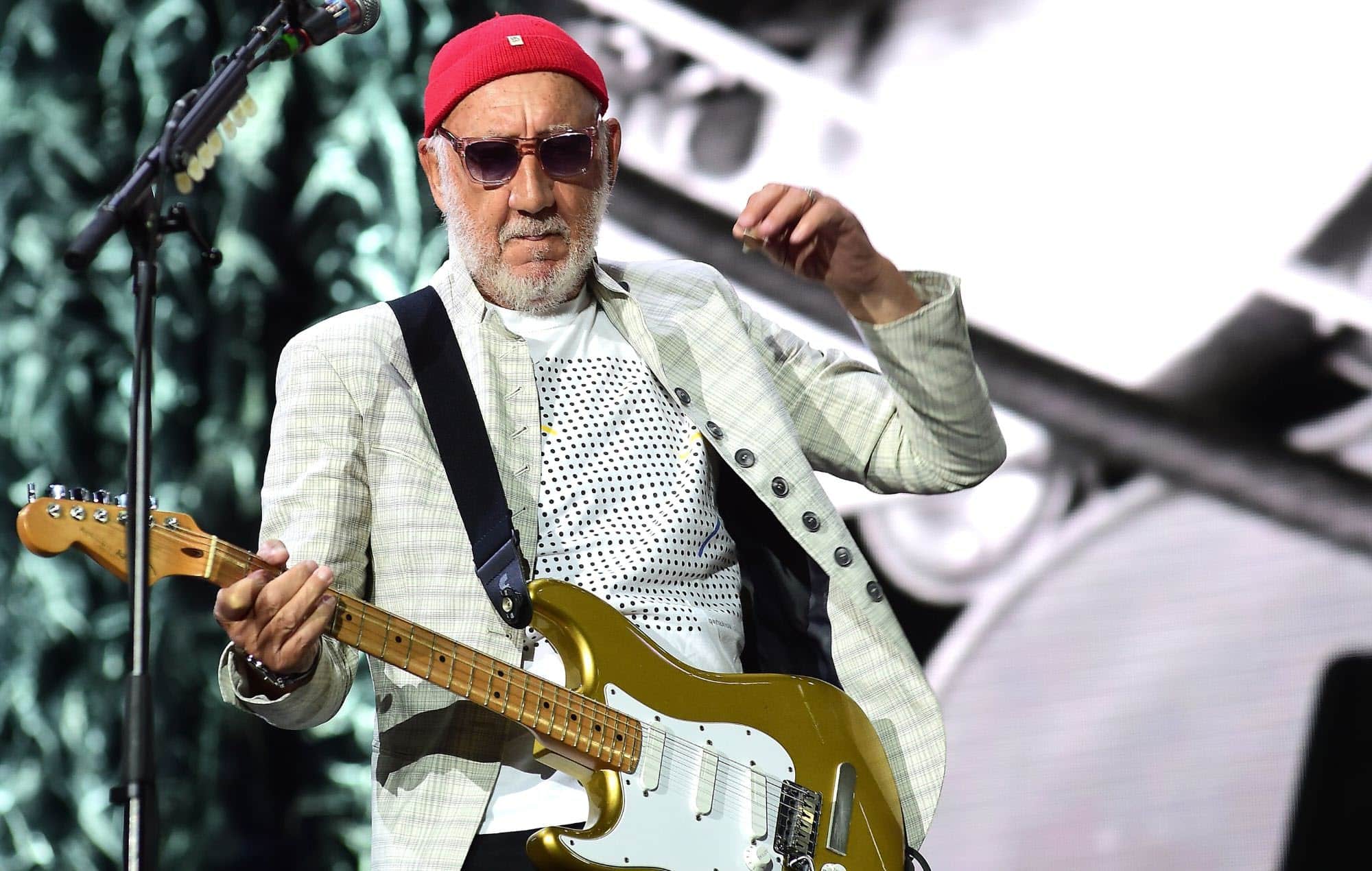
Pete Townshend is a British musician, singer, songwriter, and guitarist, best known as the guitarist and principal songwriter for the rock band The Who. Born on May 19, 1945, in London, England, Townshend is regarded as one of the most influential guitarists and rock composers of the 20th century.
Townshend’s musical style is characterized by his energetic guitar playing, innovative use of feedback, and powerful stage presence. He is also known for his introspective and often philosophical songwriting, which has tackled themes such as spirituality, identity, and the human condition.
As a member of The Who, Townshend has written many of the band’s most iconic songs, including “My Generation,” “Baba O’Riley,” “Behind Blue Eyes,” and “Won’t Get Fooled Again.” He is also known for his work as a solo artist, with albums like “Empty Glass” and “All the Best Cowboys Have Chinese Eyes.”
In addition to his musical career, Townshend is also a noted writer, editor, and philanthropist. He has published several books, including his autobiography “Who I Am,” and has been involved in various charitable causes, including organizations that support children’s welfare and music education.
1. My Generation (The Who)
“My Generation” is a seminal rock song by the British band The Who, released in 1965 as the title track of their debut album. Written by guitarist Pete Townshend, the song became an anthem for the youth culture of the 1960s and is considered one of the defining songs of the mod movement.
With its rebellious lyrics and aggressive guitar riff, “My Generation” captured the frustration and defiance of the younger generation. The famous line “Hope I die before I get old” became a rallying cry for the counterculture movement of the time.
The song’s stuttering vocal delivery by lead singer Roger Daltrey and Townshend’s explosive guitar solo contributed to its iconic status. “My Generation” remains a timeless classic that continues to resonate with listeners as a symbol of youthful rebellion and defiance against the status quo.
2. Won’t Get Fooled Again (The Who)
“Won’t Get Fooled Again” is a rock anthem by The Who, released in 1971 as a part of their album “Who’s Next.” Written by guitarist Pete Townshend, the song is renowned for its powerful vocals, thunderous drums, and iconic synthesizer solo by keyboardist John Entwistle.
The lyrics express disillusionment with political and social systems, reflecting the skepticism and frustration of the era. The famous refrain “Meet the new boss, same as the old boss” encapsulates the song’s message about the cyclical nature of power and corruption.
“Won’t Get Fooled Again” is also notable for its dynamic structure, featuring both quiet, introspective passages and explosive, anthemic choruses. The song’s epic length and theatrical elements, including Roger Daltrey’s primal scream near the end, contribute to its status as a rock masterpiece.
With its combination of powerful instrumentation and thought-provoking lyrics, “Won’t Get Fooled Again” remains one of The Who’s most enduring and influential songs, speaking to audiences across generations about the eternal struggle for justice and freedom.
3. Pinball Wizard (The Who)
“Pinball Wizard” is a rock song by The Who, featured in their 1969 rock opera album “Tommy.” Written by guitarist Pete Townshend, the song tells the story of a “deaf, dumb, and blind” boy who becomes a pinball champion despite his disabilities. The track became one of The Who’s most popular and enduring songs.
With its catchy melody, energetic rhythm, and memorable guitar riff, “Pinball Wizard” showcases The Who’s trademark sound. The song’s lyrics, filled with colorful imagery and playful language, contribute to its whimsical and irreverent vibe.
“Pinball Wizard” has been praised for its innovative use of storytelling and its incorporation of rock music into a larger narrative framework. The song’s success helped solidify The Who’s reputation as one of the most innovative and influential bands of the 1960s and beyond.
4. Baba O’Riley (The Who)
“Baba O’Riley” is a classic rock song by The Who, released in 1971 on their album “Who’s Next.” The song is known for its iconic synthesizer intro, played by Pete Townshend, and its powerful blend of rock instrumentation and introspective lyrics.
“Baba O’Riley” was written by Townshend and is often considered one of The Who’s signature songs. The lyrics reflect themes of teenage angst, rebellion, and the search for meaning, capturing the spirit of youthful defiance that was prevalent in the early 1970s.
The song’s title is a combination of two influences: Meher Baba, an Indian spiritual guru whom Townshend followed, and Terry Riley, a minimalist composer whose work inspired the repetitive synth pattern heard throughout the song.
“Baba O’Riley” has become a classic rock anthem and is frequently cited as one of the greatest rock songs of all time, praised for its innovative use of synthesizers and its enduring appeal.
5. Behind Blue Eyes (The Who)
“Behind Blue Eyes” is a poignant rock ballad by The Who, released in 1971 as part of their album “Who’s Next.” Written by guitarist Pete Townshend, the song is known for its introspective lyrics and haunting melody.
The lyrics of “Behind Blue Eyes” express feelings of loneliness, frustration, and vulnerability, portraying the inner turmoil of the narrator. The song’s narrator reflects on the struggles and hardships they face, revealing a sense of isolation and sadness behind their outward appearance.
With its stripped-down instrumentation and emotive vocal delivery by Roger Daltrey, “Behind Blue Eyes” stands out as a powerful and introspective moment in The Who’s discography. The song’s universal themes and heartfelt performance have resonated with listeners for decades, cementing its status as one of The Who’s most beloved and enduring songs.
6. Who Are You (The Who)
“Who Are You” is a song by the British rock band The Who, released in 1978 on the album of the same name. The song was written by Pete Townshend and is one of the band’s most famous tracks.
“Who Are You” is characterized by its hard-driving rock sound, featuring Roger Daltrey’s powerful vocals, Townshend’s distinctive guitar work, and Keith Moon’s dynamic drumming. The song’s lyrics are introspective, reflecting Townshend’s struggles with identity and substance abuse at the time.
The track is perhaps best known for its use as the theme song for the long-running TV series “CSI: Crime Scene Investigation.” “Who Are You” remains a staple of classic rock radio and is considered one of The Who’s signature songs, showcasing their musical prowess and enduring appeal.
7. Let My Love Open the Door (solo)
“Let My Love Open the Door” is a song by Pete Townshend, the guitarist and songwriter of The Who. It was released as a solo single in 1980, from his album “Empty Glass.” The track is known for its upbeat melody and optimistic lyrics, expressing a desire for love to overcome obstacles and bring healing.
With its catchy chorus and infectious rhythm, “Let My Love Open the Door” became one of Townshend’s most successful solo singles. The song’s message of love and redemption resonated with audiences, making it a popular choice for weddings, commercials, and movie soundtracks.
“Let My Love Open the Door” showcases Townshend’s versatility as a songwriter, diverging from the hard rock sound of The Who to deliver a more pop-oriented and radio-friendly tune. Its enduring popularity and universal appeal have cemented its status as a classic love song.
8. Rough Boys (solo)
“Rough Boys” is a song by Pete Townshend, known for his work with The Who, released as a single from his 1980 album “Empty Glass.” The song features a more straightforward rock sound compared to some of Townshend’s work with The Who, with a driving beat and powerful guitar riffs.
“Rough Boys” has been interpreted as a song about adolescent rebellion and the desire to break free from societal constraints. The lyrics touch on themes of alienation, defiance, and the search for identity, reflecting Townshend’s introspective songwriting style.
The song received critical acclaim upon its release and has since become one of Townshend’s most popular solo tracks. “Rough Boys” showcases Townshend’s skill as a songwriter and musician, with its infectious energy and memorable chorus making it a standout in his solo discography.
9. Give Blood (solo)
“Give Blood” is a song by Pete Townshend, released on his 1985 album “White City: A Novel.” The song features a catchy rock melody and lyrics that encourage resilience and perseverance in the face of adversity.
“Give Blood” is known for its driving rhythm and energetic guitar work, typical of Townshend’s solo style. The lyrics reflect Townshend’s interest in spiritual and philosophical themes, urging listeners to “give blood” in a metaphorical sense, suggesting a willingness to give one’s all in pursuit of a goal or cause.
The song received positive reviews upon its release and has remained a fan favorite in Townshend’s solo catalog. “Give Blood” showcases Townshend’s songwriting talent and his ability to craft memorable, anthemic rock songs that resonate with listeners.
10. English Boy (solo)
“English Boy” is a song by Pete Townshend, released as a single from his album “Psychoderelict” in 1993. The song is part of Townshend’s solo work outside of The Who.
“English Boy” is a reflective piece that delves into themes of identity, nostalgia, and cultural heritage. In the song, Townshend explores his English roots and the complexities of modern life, touching on topics such as fame, technology, and personal growth.
Musically, “English Boy” features Townshend’s distinctive guitar work and melodic songwriting, creating a rich and atmospheric sound. The song’s introspective lyrics and lush instrumentation combine to make it a standout track in Townshend’s solo discography, showcasing his talents as both a musician and a storyteller.

Edward Tomlin is a frequent contributor to Singers Room. Since 2005, Singersroom has been the voice of R&B around the world. Connect with us via social media below.









