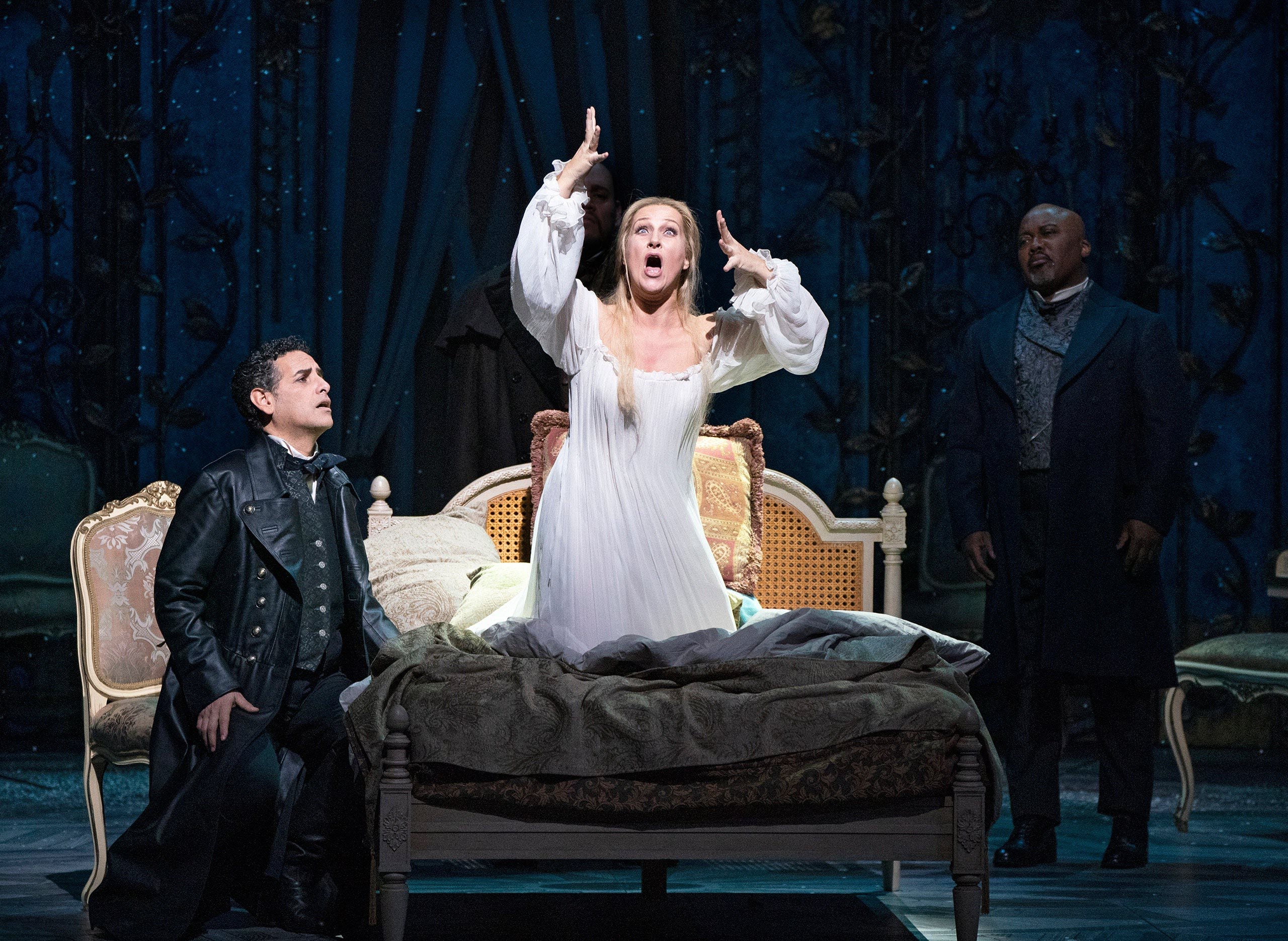
Opera has been captivating audiences for centuries with its combination of powerful vocals, dramatic storytelling, and exquisite musical compositions. From the grandeur of Verdi to the romance of Puccini, opera offers a rich tapestry of emotions and melodies that transcend time and culture. In this article, we explore the top 15 best opera songs of all time, each a masterpiece in its own right.
Among these iconic pieces is “Nessun Dorma” from Puccini’s Turandot, a soaring aria that has become synonymous with the beauty and passion of opera. Verdi’s “La donna è mobile” from Rigoletto is another standout, known for its catchy melody and playful charm. Mozart’s “Der Hölle Rache” from The Magic Flute showcases the virtuosic abilities of the soprano voice, reaching stratospheric heights with its demanding vocal acrobatics.
Other notable selections include “Largo al factotum” from Rossini’s The Barber of Seville, a lively and comedic aria that never fails to delight audiences, and “Casta Diva” from Bellini’s Norma, a hauntingly beautiful prayer sung by the title character.
Whether you’re a seasoned opera enthusiast or new to the genre, these 15 best opera songs are sure to leave a lasting impression with their beauty, emotion, and timeless appeal.
1. Nessun dorma by Giacomo Puccini
“Nessun Dorma” is arguably one of the most iconic and beloved arias in the operatic repertoire, featured in Giacomo Puccini’s final masterpiece, Turandot. Translating to “None Shall Sleep,” the aria is sung by the prince Calaf as he declares his unwavering determination to win the heart of Princess Turandot.
The aria’s soaring melody and powerful lyrics, coupled with its triumphant orchestration, have made it a staple in classical music and popular culture. Its climax, with Calaf’s emphatic cry of “Vincero!” (I will win!), is a moment of pure operatic grandeur that never fails to captivate audiences.
“Nessun Dorma” has been performed by countless tenors, most notably Luciano Pavarotti, whose rendition at the 1990 FIFA World Cup in Italy catapulted the aria to international fame. Its inclusion in numerous concerts, films, and even television talent shows has solidified its status as one of the most recognizable and enduring pieces of opera music.
Puccini’s masterpiece captures the essence of opera’s emotional depth and dramatic flair, making “Nessun Dorma” a timeless classic that continues to enchant listeners around the world.
2. La donna e mobile by Giuseppe Verdi
“La donna è mobile” is one of the most famous arias from Giuseppe Verdi’s opera Rigoletto. This lively and catchy aria is sung by the Duke of Mantua, a charming but deceitful character, who sings about the fickle nature of women, declaring that they are like feathers in the wind, changing direction at a whim.
Despite its playful and seemingly light-hearted melody, the aria is filled with irony, as the Duke reveals his manipulative and self-serving nature. The contrast between the joyful tune and the dark undertones of the character’s intentions adds depth to the aria and highlights Verdi’s skill in creating complex characters.
“La donna è mobile” has become a popular and recognizable piece in classical music, often performed outside of the opera house. Its catchy melody and memorable lyrics have made it a favorite among audiences and a showcase piece for tenors, requiring both vocal agility and dramatic flair.
Verdi’s masterful composition, combined with the aria’s enduring popularity, has solidified “La donna è mobile” as one of the best-known opera songs of all time, showcasing the composer’s ability to create music that is both musically captivating and emotionally resonant.
3. O mio babbino caro by Giacomo Puccini
“O mio babbino caro” is a poignant aria from Giacomo Puccini’s opera Gianni Schicchi. Sung by the character Lauretta, the aria is a heartfelt plea to her father, Schicchi, to allow her to marry the man she loves.
The aria is known for its beautiful melody and tender expression of love and longing. Lauretta compares her love to a flower that will wither if it is not nurtured, emphasizing the depth of her feelings and her desperation to be with her beloved.
“O mio babbino caro” is one of Puccini’s most popular and frequently performed arias, beloved for its lyrical beauty and emotional depth. Its melody is both enchanting and haunting, capturing the listener’s heart and evoking a range of emotions.
The aria’s popularity has extended beyond the opera house, with numerous recordings and performances in various musical contexts. Its timeless appeal lies in its universal theme of love and longing, portrayed with exquisite beauty and simplicity by Puccini’s masterful composition.
4. Der Hölle Rache kocht in meinem Herzen by Wolfgang Amadeus Mozart
“Der Hölle Rache kocht in meinem Herzen” is an aria from Wolfgang Amadeus Mozart’s opera The Magic Flute (Die Zauberflöte). It is sung by the Queen of the Night, a dramatic coloratura soprano role, in which she expresses her vengeful fury over her daughter Pamina’s perceived betrayal.
The aria is renowned for its challenging coloratura passages, requiring the soprano to navigate rapid runs and high notes with precision and agility. Its fiery and dramatic melody reflects the Queen’s intense emotions, as she calls upon the powers of hell to aid in her revenge.
Despite its technically demanding nature, “Der Hölle Rache” is one of the most famous arias in the soprano repertoire, admired for its vocal fireworks and dramatic impact. It is a showcase piece for sopranos, demonstrating their vocal range and agility.
Mozart’s composition brilliantly captures the Queen’s wrath and determination, with the orchestra adding to the aria’s dramatic intensity. “Der Hölle Rache” is a testament to Mozart’s mastery of opera and his ability to create music that is both musically complex and emotionally compelling.
5. Libiamo ne’ lieti calici by Giuseppe Verdi
“Libiamo ne’ lieti calici” is a famous drinking song from Giuseppe Verdi’s opera La Traviata. The aria is sung in the first act by the opera’s protagonists, Violetta and Alfredo, as they celebrate their newfound love and the pleasures of life.
The aria’s lively and rhythmic melody, combined with its celebratory lyrics, makes it a popular and memorable piece. The characters raise their glasses in a toast to love and joy, expressing their happiness and enthusiasm for life’s pleasures.
“Libiamo ne’ lieti calici” is known for its catchy tune and festive atmosphere, making it a favorite among audiences. Its spirited tempo and joyful lyrics reflect the opera’s themes of love, passion, and the fleeting nature of happiness.
Verdi’s composition showcases his talent for creating music that is both emotionally engaging and musically rich. “Libiamo ne’ lieti calici” is a testament to the composer’s ability to capture the essence of a moment and evoke a range of emotions through his music.
6. Largo al factotum by Gioachino Rossini
“Largo al factotum” is an iconic aria from Gioachino Rossini’s opera The Barber of Seville (Il barbiere di Siviglia). Sung by the character Figaro, the aria is a lively and humorous introduction to the character, who is a jack-of-all-trades and the barber of the title.
The aria’s rapid-fire lyrics and energetic melody showcase Figaro’s wit, charm, and self-confidence as he describes his busy life and his popularity among the ladies of Seville. The catchy “Figaro, Figaro, Figaro!” refrain has become one of the most recognizable phrases in opera.
“Largo al factotum” is a tour de force for baritones, requiring both vocal agility and comedic timing. Its fast-paced tempo and tongue-twisting lyrics make it a challenging yet exhilarating piece to perform.
Rossini’s lively and spirited composition captures the essence of Figaro’s character, making “Largo al factotum” one of the most famous and beloved arias in the operatic repertoire. Its humor, charm, and infectious melody have ensured its enduring popularity and status as a classic opera aria.
7. Vissi d’arte by Giacomo Puccini
“Vissi d’arte” is a poignant aria from Giacomo Puccini’s opera Tosca. Sung by the character Tosca, a famous opera singer, the aria is a heartfelt prayer to God, reflecting on her life and the injustices she has faced.
In the aria, Tosca questions why she, who has lived for art and love, now finds herself in a moment of despair and betrayal. She reflects on her devotion to her art and her belief in goodness, despite the hardships she has endured.
“Vissi d’arte” is a showcase for soprano voices, requiring both vocal control and emotional depth. Its melody is achingly beautiful, conveying Tosca’s anguish and vulnerability.
Puccini’s composition is a masterful blend of music and drama, capturing the emotional turmoil of the character. “Vissi d’arte” is a powerful and moving aria that showcases Puccini’s skill in creating music that is both musically and emotionally impactful.
8. Un bel di vedremo by Giacomo Puccini
“Un bel dì vedremo” is a beautiful aria from Giacomo Puccini’s opera Madama Butterfly. Sung by the title character, Cio-Cio-San (Butterfly), the aria is a poignant expression of hope and longing for the return of her beloved Pinkerton.
In the aria, Butterfly imagines the day when Pinkerton will return to her, believing steadfastly in his promise to come back. She describes the scene she envisions, with the sight of his ship on the horizon, signaling his return and the end of her loneliness.
“Un bel dì vedremo” is known for its lyrical melody and emotional depth, conveying Butterfly’s unwavering faith and optimism. The aria’s soaring melody and lush orchestration capture the beauty and tragedy of Butterfly’s love for Pinkerton.
Puccini’s composition is a masterpiece of operatic storytelling, blending music and drama to create a powerful emotional impact. “Un bel dì vedremo” is a highlight of Madama Butterfly and a testament to Puccini’s skill in creating music that is both profoundly moving and musically exquisite.
9. Si, mi chiamano Mimi by Giacomo Puccini
“Si, mi chiamano Mimi” is an aria from Giacomo Puccini’s opera La Bohème. Sung by the character Mimi, a young seamstress, the aria is a poignant introduction to her character, revealing her simplicity, warmth, and vulnerability.
In the aria, Mimi introduces herself to the poet Rodolfo, explaining that her name is Mimi, but her real name is Lucia. She describes her quiet, unassuming life, living alone and sewing flowers to make a living. Despite her humble circumstances, Mimi exudes a gentle and romantic nature, expressing her desire for love and companionship.
“Si, mi chiamano Mimi” is known for its lyrical beauty and emotional depth, capturing Mimi’s innocence and longing for a better life. The aria’s melody is tender and expressive, reflecting Mimi’s delicate and sensitive character.
Puccini’s composition is a testament to his ability to create music that is both emotionally engaging and musically exquisite. “Si, mi chiamano Mimi” is a highlight of La Bohème, showcasing Puccini’s talent for creating memorable characters and heartfelt melodies.
10. E lucevan le stelle by Giacomo Puccini
“E lucevan le stelle” is a famous aria from Giacomo Puccini’s opera Tosca. It is sung by the character Mario Cavaradossi, a painter, in the final act of the opera as he awaits execution.
In the aria, Cavaradossi reflects on his love for Tosca and his despair at facing death. He reminisces about their moments of happiness together, particularly recalling the beauty of the stars shining in the sky above them.
“E lucevan le stelle” is a poignant and emotionally intense aria, showcasing Puccini’s ability to convey deep emotions through music. The aria’s melody is hauntingly beautiful, reflecting Cavaradossi’s anguish and resignation.
Puccini’s composition is a powerful depiction of love, loss, and the fleeting nature of life. “E lucevan le stelle” is a highlight of Tosca, demonstrating Puccini’s skill in creating music that is both musically captivating and emotionally profound.
11. Voi, che sapete by Wolfgang Amadeus Mozart
“Voi, che sapete” is a famous aria from Wolfgang Amadeus Mozart’s opera The Marriage of Figaro (Le nozze di Figaro). It is sung by the character Cherubino, a young page, who is in love with love itself, constantly falling for every woman he sees.
In the aria, Cherubino expresses his confusion and frustration with the complexities of love, asking the women around him for advice on how to understand and navigate the intricacies of the heart. The aria is playful and charming, reflecting Cherubino’s youthful innocence and romantic naivety.
“Voi, che sapete” is known for its lyrical melody and lively tempo, making it a favorite among mezzo-sopranos. The aria’s light-hearted and humorous tone adds a touch of comedy to the opera, contrasting with the more serious themes of the plot.
Mozart’s composition is a delightful exploration of the follies of youth and the universal experience of love. “Voi, che sapete” is a standout aria in The Marriage of Figaro, showcasing Mozart’s talent for creating music that is both musically delightful and emotionally engaging.
12. Che gelida manina by Giacomo Puccini
“Che gelida manina” is a famous aria from Giacomo Puccini’s opera La Bohème. It is sung by the character Rodolfo, a poet, in the first act of the opera when he meets Mimi, the seamstress, for the first time.
In the aria, Rodolfo introduces himself to Mimi and expresses his immediate infatuation with her. He tells her about his life as a struggling artist, inviting her to his apartment. The aria is a passionate declaration of love, as Rodolfo tries to charm Mimi with his words and win her heart.
“Che gelida manina” is known for its lyrical beauty and emotional intensity, capturing the excitement and nervousness of new love. The aria’s melody is tender and expressive, reflecting Rodolfo’s romantic nature and his genuine feelings for Mimi.
Puccini’s composition is a masterful portrayal of love at first sight, with “Che gelida manina” serving as a highlight of La Bohème. The aria showcases Puccini’s talent for creating music that is both musically exquisite and emotionally compelling.
13. The Toreador Song by Georges Bizet
“The Toreador Song” is a famous aria from Georges Bizet’s opera Carmen. It is sung by the character Escamillo, a charismatic bullfighter, in the opera’s second act.
In the aria, Escamillo sings of the thrill of the bullfighting arena and the adoration he receives from the crowds. He describes the excitement and danger of his profession, comparing himself to a toreador who fearlessly confronts the bull.
“The Toreador Song” is known for its lively melody and rhythmic energy, capturing the bravado and swagger of Escamillo’s character. The aria’s catchy refrain and spirited tempo make it a favorite among audiences and a showcase piece for baritones.
Bizet’s composition is a vibrant and colorful depiction of Spanish culture, with “The Toreador Song” serving as one of the highlights of Carmen. The aria’s infectious rhythm and exhilarating melody reflect the opera’s themes of passion, jealousy, and fate, making it a memorable and iconic piece in the operatic repertoire.
14. Una furtiva lagrima by Gaetano Donizetti
“Una furtiva lagrima” is a famous aria from Gaetano Donizetti’s opera L’elisir d’amore (The Elixir of Love). It is sung by the character Nemorino, a young peasant, in the opera’s second act.
In the aria, Nemorino sings about the tear he saw in the eyes of the woman he loves, Adina, believing it to be a sign that she has feelings for him. He expresses his joy and hope that his love for her may not be in vain.
“Una furtiva lagrima” is known for its beautiful melody and heartfelt lyrics, reflecting Nemorino’s tender and sincere emotions. The aria’s gentle and melancholic melody, accompanied by a solo violin, creates a poignant and intimate atmosphere.
Donizetti’s composition is a masterpiece of bel canto opera, showcasing the beauty and expressiveness of the tenor voice. “Una furtiva lagrima” is a highlight of L’elisir d’amore, demonstrating Donizetti’s skill in creating music that is both emotionally captivating and musically exquisite.
15. Va, pensiero by Giuseppe Verdi
“Va, pensiero” is a famous chorus from Giuseppe Verdi’s opera Nabucco. It is also known as the “Chorus of the Hebrew Slaves.” The chorus is sung by the Hebrew slaves as they lament their exile from their homeland.
The lyrics of “Va, pensiero” express the longing of the Hebrews for their homeland, reflecting themes of longing, nostalgia, and hope for freedom. The chorus is a powerful and emotional piece, with a melody that is both stirring and melancholic.
“Va, pensiero” has become one of Verdi’s most famous and beloved works, with its melody often considered an unofficial anthem of Italy. The chorus’s themes of longing for freedom and homeland resonated with audiences at the time of its premiere and continue to resonate with audiences today.
Verdi’s composition is a testament to his skill in creating music that is both musically captivating and emotionally powerful. “Va, pensiero” remains a highlight of Nabucco and a symbol of the enduring power of music to express deep emotions and inspire hope.

Samuel Moore is a frequent contributor to Singers Room. Since 2005, Singersroom has been the voice of R&B around the world. Connect with us via social media below.









