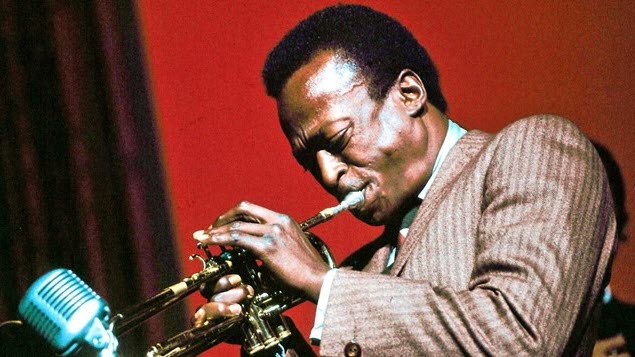
Jazz, with its improvisational nature and rich history, has produced some of the most iconic and influential music of all time. From its roots in the late 19th and early 20th centuries to its modern-day interpretations, jazz has captivated audiences worldwide. This article explores the top 15 best jazz songs that have stood the test of time and continue to inspire musicians and listeners alike.
Beginning with the early pioneers of jazz, such as Louis Armstrong and Duke Ellington, the list showcases the evolution of the genre through the decades. Songs like “What a Wonderful World” and “Take the ‘A’ Train” exemplify the soulful melodies and intricate rhythms that define jazz music. Moving into the bebop era, tracks like “A Night in Tunisia” and “Salt Peanuts” highlight the virtuosity and innovation of artists like Dizzy Gillespie and Charlie Parker.
As jazz continued to evolve, artists like Miles Davis and John Coltrane pushed the boundaries of the genre with groundbreaking albums like “Kind of Blue” and “A Love Supreme.” These albums are represented on the list by tracks like “So What” and “Acknowledgment,” respectively, showcasing the depth and complexity of their musical genius.
Whether you’re a longtime jazz aficionado or new to the genre, these 15 songs are essential listening for anyone interested in experiencing the best that jazz has to offer.
1. Take Five by The Dave Brubeck Quartet
“Take Five” by The Dave Brubeck Quartet stands as a monumental achievement in jazz music, making it an iconic entry on the list of the Top Most Popular Best Jazz Songs of All Time. Released in 1959 as part of the album “Time Out,” this masterpiece is celebrated for its innovative use of 5/4 time signature, a rarity in jazz at the time, giving it a distinctive and instantly recognizable rhythm.
The track features the unforgettable saxophone work of Paul Desmond, whose melodic improvisation and smooth, cool tone have captivated listeners for decades. Brubeck’s piano adds a layer of sophistication and complexity, creating a rich musical tapestry that is both accessible and deeply rewarding upon repeated listening.
“Take Five” not only became The Dave Brubeck Quartet’s signature piece but also a crossover hit, reaching a wide audience beyond jazz enthusiasts. Its enduring popularity is a testament to its timeless quality and its ability to transcend genres and generations.
In conclusion, “Take Five” is a shining example of jazz’s ability to innovate and captivate, making it a standout among the Top Most Popular Best Jazz Songs of All Time.
2. Sing Sing Sing by Benny Goodman
“Sing, Sing, Sing” by Benny Goodman is a definitive classic in the world of jazz, earning its place as one of the Top Most Popular Best Jazz Songs of All Time. Recorded in 1937, this energetic and lively piece showcases the best of the swing era, with its infectious rhythm and memorable melodies.
At the heart of the song is Goodman’s clarinet, which takes center stage with its dynamic and spirited performance. The song also features impressive solos from other band members, including drummer Gene Krupa, whose solo is particularly legendary for its intensity and virtuosity.
“Sing, Sing, Sing” became a massive hit and a staple of Goodman’s live performances, often serving as the finale to his concerts. Its popularity endured over the years, with numerous artists and bands covering the song and keeping its spirit alive.
The song’s impact goes beyond the realm of jazz, influencing popular culture and becoming a symbol of the swing era. Its inclusion in films, television shows, and advertisements has ensured its place in the collective memory of music lovers everywhere.
In summary, “Sing, Sing, Sing” is a timeless classic that continues to delight audiences with its infectious energy and virtuosic performances, securing its spot among the Top Most Popular Best Jazz Songs of All Time.
3. Take the ‘A’ Train by Duke Ellington
“Take the ‘A’ Train” by Duke Ellington is a cornerstone of jazz music, earning its place among the Top Most Popular Best Jazz Songs of All Time. Composed in 1939 by Billy Strayhorn, this iconic piece became one of Ellington’s signature tunes and a jazz standard.
The song’s title refers to the A subway train that ran through New York City, particularly to Harlem, where Ellington and his band were based. Its upbeat tempo and catchy melody capture the bustling energy and vibrant atmosphere of the city, making it an instant favorite among audiences.
“Take the ‘A’ Train” features brilliant performances by members of the Duke Ellington Orchestra, with Ellington’s masterful piano playing complemented by standout solos from other band members. The song’s arrangement is a testament to Ellington’s skill as a composer and bandleader, with its intricate harmonies and dynamic shifts showcasing the band’s incredible talent.
The song’s enduring popularity is a testament to its timeless appeal and its status as a jazz classic. It has been covered by numerous artists over the years, further solidifying its place in the jazz canon.
In conclusion, “Take the ‘A’ Train” is a quintessential jazz standard that captures the essence of the genre and remains a favorite among listeners of all generations, securing its spot among the Top Most Popular Best Jazz Songs of All Time.
4. So What by Miles Davis
“So What” by Miles Davis is a groundbreaking composition that revolutionized jazz and secured its place as one of the Top Most Popular Best Jazz Songs of All Time. Released in 1959 as the opening track of the album “Kind of Blue,” this modal jazz piece is a masterpiece of improvisation and mood.
The song is characterized by its distinctive modal structure, with the musicians improvising over two scales rather than traditional chord changes. This approach, along with the use of space and silence, gives “So What” a cool and laid-back atmosphere that is both introspective and inviting.
Davis’s trumpet playing on “So What” is nothing short of legendary, with his muted, melodic lines perfectly capturing the essence of the piece. The rest of the band, including John Coltrane on tenor saxophone and Bill Evans on piano, contributes equally brilliant solos that showcase their individual talents while maintaining a cohesive group sound.
“So What” has had a lasting impact on jazz and popular music, influencing countless musicians and serving as a touchstone for the modal jazz movement. Its timeless quality and innovative approach have cemented its status as a classic, ensuring its place among the Top Most Popular Best Jazz Songs of All Time.
5. Autumn Leaves by Joseph Kosma
“Autumn Leaves” is a classic jazz standard with music by Joseph Kosma and lyrics by Jacques Prévert (English lyrics by Johnny Mercer). Originally composed as a French song (“Les Feuilles Mortes”) in 1945, it has since become a beloved jazz standard performed by numerous artists.
The song’s melancholic melody and introspective lyrics evoke the imagery of autumn, using falling leaves as a metaphor for lost love and nostalgia. Its haunting beauty has made it a favorite among jazz musicians and vocalists, who often interpret it with their own unique style and flair.
“Autumn Leaves” has been recorded by many jazz legends, including Miles Davis, Bill Evans, and Chet Baker, among others. It has also been featured in various films and television shows, further solidifying its status as a timeless classic.
The song’s enduring popularity can be attributed to its universal theme of love and loss, which resonates with listeners of all generations. Its rich harmonies and evocative melody make it a standout among jazz standards, earning its place among the Top Most Popular Best Jazz Songs of All Time.
6. Blue in Green by Miles Davis
“Blue in Green” is a mesmerizing jazz composition by Miles Davis that exemplifies musical depth and emotional complexity, solidifying its place among the Top Most Popular Best Jazz Songs of All Time. Featured on the legendary album “Kind of Blue” from 1959, the track is renowned for its haunting beauty and innovative approach to modal jazz.
The song’s evocative melody and harmonies create a mood of introspection and melancholy, drawing listeners into its serene and contemplative atmosphere. Davis’s trumpet playing on “Blue in Green” is masterful, imbuing the piece with a sense of longing and introspection that is both captivating and deeply moving.
One of the notable features of “Blue in Green” is its disputed authorship. While it is commonly attributed to Davis, there is evidence to suggest that pianist Bill Evans played a significant role in its composition. Regardless of its origins, the song stands as a testament to the collaborative and improvisational nature of jazz.
“Blue in Green” has become a jazz standard, inspiring countless musicians and listeners with its emotional depth and artistic vision. Its inclusion in “Kind of Blue,” one of the best-selling and most influential jazz albums of all time, further cements its status as a timeless classic in the world of jazz music.
7. Round Midnight by Thelonious Monk
“Round Midnight” is a jazz standard composed by Thelonious Monk that has become one of the most recorded jazz compositions. It stands out as one of the Top Most Popular Best Jazz Songs of All Time for its haunting melody and sophisticated harmonic structure.
Originally recorded in 1944, “Round Midnight” is characterized by its melancholic and introspective mood, reflecting Monk’s unique approach to jazz composition. The song’s intricate melody and complex chord progressions have made it a favorite among jazz musicians looking to explore new musical territories.
One of the defining features of “Round Midnight” is its ability to convey a sense of emotional depth and complexity. Monk’s piano playing on the original recording is both expressive and restrained, capturing the essence of the piece’s somber beauty.
Over the years, “Round Midnight” has been covered by numerous artists, each bringing their own interpretation to the piece. Its enduring popularity is a testament to its timeless quality and its ability to resonate with listeners of all generations.
In conclusion, “Round Midnight” is a masterpiece of jazz composition that continues to captivate audiences with its evocative melody and profound emotional impact, securing its place among the Top Most Popular Best Jazz Songs of All Time.
8. Songbird by Fleetwood Mac
“Songbird” is a beautiful and heartfelt song by Fleetwood Mac, written by Christine McVie. While not a traditional jazz song, its emotional depth and melodic beauty have earned it a place as a beloved piece in the broader realm of popular music.
Released in 1977 as part of the iconic album “Rumours,” “Songbird” stands out for its simplicity and sincerity. McVie’s tender vocals, accompanied by her gentle piano playing, create a sense of intimacy and vulnerability that resonates with listeners.
The song’s lyrics convey a message of love and longing, with McVie expressing a deep yearning for connection and understanding. This universal theme, combined with the song’s delicate melody, has made it a favorite for couples and romantics alike.
“Songbird” has been covered by various artists over the years, further solidifying its status as a timeless classic. Its inclusion in “Rumours,” one of the best-selling albums of all time, has ensured its place in the pantheon of great music.
In summary, “Songbird” may not fit the traditional jazz mold, but its emotional impact and enduring appeal make it a standout in its own right, earning it a place among the most beloved songs of all time.
9. Straight, No Chaser by Thelonious Monk
“Straight, No Chaser” is a quintessential jazz composition by the legendary Thelonious Monk, firmly securing its place among the Top Most Popular Best Jazz Songs of All Time. Recorded in 1951, this iconic piece exemplifies Monk’s distinctive style and musical innovation.
The song’s driving rhythm and bluesy melody showcase Monk’s unique approach to jazz composition, characterized by angular melodies and unexpected harmonic twists. Its title, “Straight, No Chaser,” reflects the directness and honesty of Monk’s musical vision, eschewing unnecessary embellishments in favor of a straightforward and unapologetic sound.
Monk’s piano playing on “Straight, No Chaser” is both rhythmic and percussive, with each note played with intention and precision. The song’s memorable melody and infectious groove have made it a favorite among jazz musicians and audiences alike, with countless covers and interpretations paying homage to its enduring appeal.
Beyond its musical significance, “Straight, No Chaser” also serves as a showcase for Monk’s improvisational prowess, with each performance offering new insights and surprises. Its inclusion in the jazz canon is a testament to its lasting impact and its status as a timeless classic in the world of jazz music.
10. Body and Soul by Coleman Hawkins
“Body and Soul” is a jazz standard with a rich history and a place among the Top Most Popular Best Jazz Songs of All Time. Originally composed in 1930, the song has been recorded by numerous artists and has become a jazz classic.
One of the most famous recordings of “Body and Soul” is by saxophonist Coleman Hawkins, whose 1939 rendition is considered one of the definitive versions of the song. Hawkins’ recording is notable for its lyrical and emotive saxophone playing, which helped establish the song as a showcase for improvisational skill and emotional depth.
“Body and Soul” is characterized by its lush harmonies and expressive melody, which lend themselves to creative interpretation and improvisation. The song’s evocative lyrics and timeless melody have made it a favorite among jazz musicians and vocalists, with countless recordings exploring its emotional depths.
Over the years, “Body and Soul” has become a jazz standard, recorded by artists from all corners of the jazz world. Its enduring popularity is a testament to its universal appeal and its status as a masterpiece of jazz composition.
In conclusion, “Body and Soul” stands as a testament to the enduring power of jazz music, with its timeless melody and evocative lyrics captivating listeners and musicians alike. Its place among the Top Most Popular Best Jazz Songs of All Time is well-deserved, solidifying its status as a jazz classic.
11. A Night in Tunisia by Dizzy Gillespie
“A Night in Tunisia” is a jazz standard composed by Dizzy Gillespie in the 1940s, and it has since become one of the Top Most Popular Best Jazz Songs of All Time. Known for its exotic melodies and complex rhythms, the song has captivated audiences and musicians alike with its unique blend of Afro-Cuban and bebop influences.
Gillespie’s composition is characterized by its driving tempo and intricate chord progressions, creating a sense of energy and excitement that is both exhilarating and challenging for performers. The song’s title and melodies evoke the exoticism of North Africa, adding to its mystique and allure.
One of the most famous recordings of “A Night in Tunisia” is by Gillespie himself, featuring his signature trumpet playing and innovative approach to jazz. The song has since been covered by numerous artists, each bringing their own interpretation to this jazz classic.
“A Night in Tunisia” has become a jazz standard, frequently performed in jazz clubs and concert halls around the world. Its enduring popularity is a testament to its timeless appeal and its status as a masterpiece of jazz composition.
In summary, “A Night in Tunisia” is a vibrant and dynamic jazz composition that continues to captivate audiences with its exotic melodies and infectious rhythms. Its place among the Top Most Popular Best Jazz Songs of All Time is well-deserved, solidifying its status as a jazz classic.
12. Four by Miles Davis
“Four” is a jazz standard composed by Miles Davis, known for its catchy melody and bebop-inspired chord changes. Recorded in 1954 for the album “Miles Davis Volume 1,” the song has since become a favorite among jazz musicians and listeners alike.
“Four” is characterized by its upbeat tempo and playful melody, which is based on a simple four-note motif that repeats throughout the song. Despite its simplicity, the song’s chord changes are harmonically rich and provide ample opportunity for improvisation.
Davis’s trumpet playing on “Four” is both lyrical and inventive, with his trademark tone and phrasing shining through. The song’s structure allows for extended solos, with each musician adding their own unique voice to the piece.
“Four” has become a jazz standard, frequently performed at jam sessions and concerts. Its catchy melody and engaging chord changes make it a favorite for musicians looking to showcase their improvisational skills.
In conclusion, “Four” is a classic jazz composition that continues to delight audiences with its infectious melody and dynamic energy. Its status as a jazz standard is a testament to its enduring appeal and its place among the Top Most Popular Best Jazz Songs of All Time.
13. Giant Steps by John Coltrane
“Giant Steps” is a monumental jazz composition by John Coltrane that has secured its place as one of the Top Most Popular Best Jazz Songs of All Time. Recorded in 1959, the song is known for its complex chord changes and rapid harmonic movement, challenging both performers and listeners alike.
The title “Giant Steps” refers to the song’s harmonic structure, which features a series of rapid key changes, each a major third apart. This harmonic innovation was groundbreaking at the time and has since become a hallmark of Coltrane’s style.
Coltrane’s saxophone playing on “Giant Steps” is virtuosic, with his rapid-fire improvisations pushing the boundaries of jazz improvisation. The song’s fast tempo and intricate melody demand precision and skill from the performers, making it a favorite among jazz musicians looking to test their abilities.
Despite its technical complexity, “Giant Steps” remains accessible and engaging for listeners, with its catchy melody and driving rhythm drawing them in. The song’s innovative approach to harmony and improvisation has influenced generations of musicians and has secured its place as a classic in the jazz canon.
In summary, “Giant Steps” is a tour de force of jazz composition and improvisation that continues to captivate audiences with its innovative approach and dynamic energy. Its place among the Top Most Popular Best Jazz Songs of All Time is well-deserved, solidifying its status as a jazz classic.
14. West End Blues by Louis Armstrong
“West End Blues” is a landmark jazz recording by Louis Armstrong that has secured its place as one of the Top Most Popular Best Jazz Songs of All Time. Recorded in 1928, the song is celebrated for its groundbreaking trumpet solo and its influence on the development of jazz.
The song’s opening trumpet solo, played by Armstrong, is considered one of the greatest in jazz history. His use of melodic improvisation and innovative use of blues scales set a new standard for jazz trumpet playing and established him as a preeminent figure in the genre.
“West End Blues” also features Armstrong’s vocal performance, showcasing his distinctive gravelly voice and charismatic delivery. The song’s lyrics, which describe the sights and sounds of New Orleans, pay homage to Armstrong’s roots and his role in popularizing jazz around the world.
The song’s impact on jazz cannot be overstated, with its innovative use of harmonies and rhythms influencing generations of musicians. Its inclusion in the Grammy Hall of Fame and the National Recording Registry is a testament to its enduring significance in American music.
In conclusion, “West End Blues” is a seminal jazz recording that continues to inspire and captivate audiences with its virtuosic trumpet playing and infectious energy. Its place among the Top Most Popular Best Jazz Songs of All Time is well-deserved, solidifying its status as a jazz classic.
15. Back Home Again in Indiana by James Hanley
“Back Home Again in Indiana” is a beloved jazz standard with music by James F. Hanley and lyrics by Ballard MacDonald. While not originally conceived as a jazz piece, its inclusion in the jazz repertoire, particularly at the Indianapolis 500 automobile race, has made it a staple of the genre.
The song’s nostalgic lyrics evoke a sense of longing and homecoming, with references to familiar landmarks and memories of the past. Its simple yet heartfelt melody has made it a favorite among jazz musicians, who often use it as a vehicle for improvisation and expression.
“Back Home Again in Indiana” has been recorded by numerous artists, including Louis Armstrong, Duke Ellington, and Nat King Cole, among others. Its enduring popularity is a testament to its universal themes of home, nostalgia, and belonging.
In addition to its popularity in jazz circles, “Back Home Again in Indiana” is also a cultural touchstone in the state of Indiana, where it is considered an unofficial anthem. Its inclusion in the jazz canon is a testament to its lasting appeal and its ability to transcend genres and generations.

Samuel Moore is a frequent contributor to Singers Room. Since 2005, Singersroom has been the voice of R&B around the world. Connect with us via social media below.









