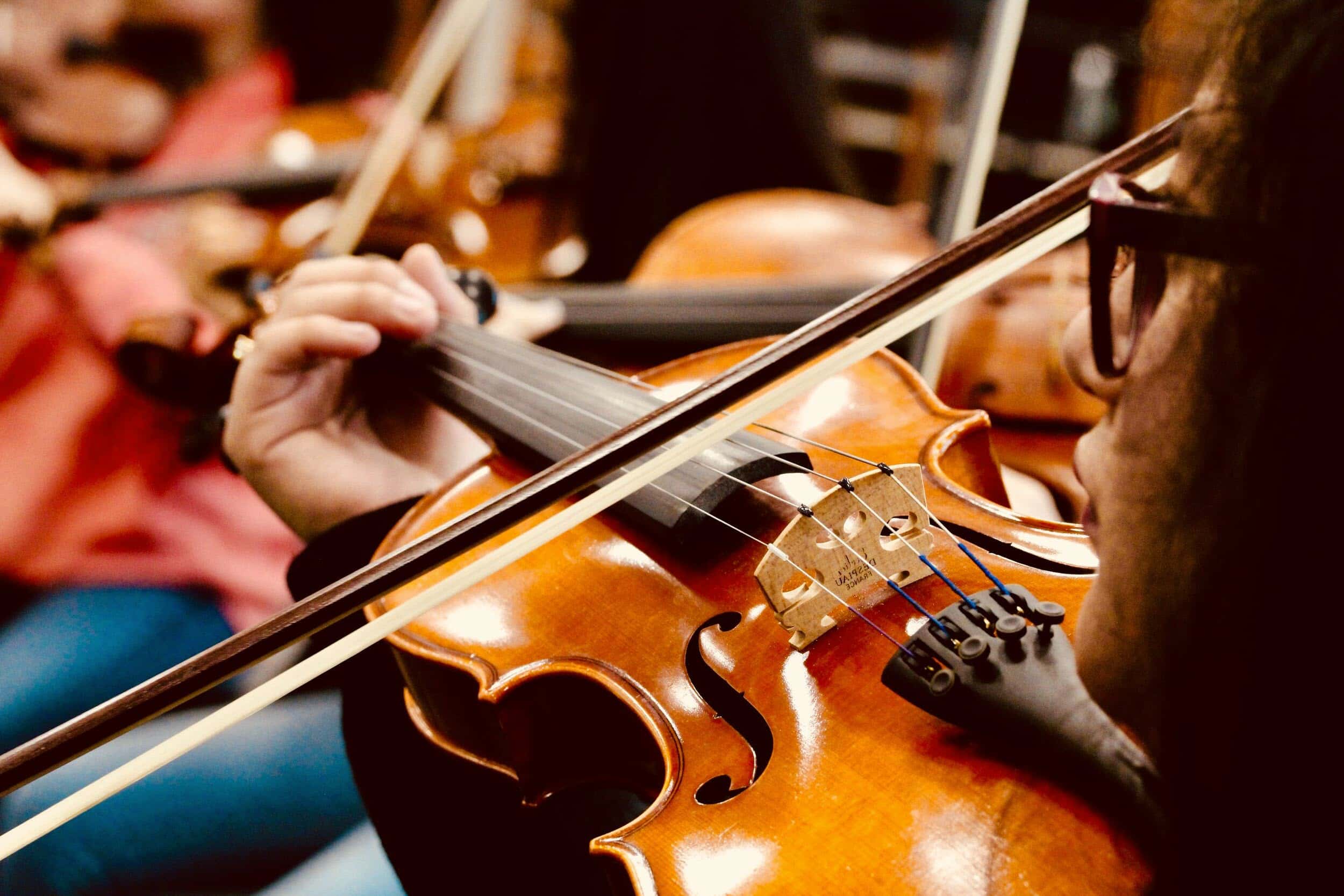
Instrumental music has a unique ability to transcend language barriers and evoke deep emotions through melody, rhythm, and harmony alone. From classical masterpieces to modern compositions, these instrumental pieces have stood the test of time, captivating listeners with their beauty and complexity. In this article, we explore the top 15 best instrumental music songs of all time, each a shining example of musical excellence.
Among these timeless classics is Beethoven’s “Symphony No. 9 in D minor, Op. 125,” a monumental work that features a stirring instrumental fourth movement, the “Ode to Joy.” Also featured is Mozart’s “Symphony No. 40 in G minor, K. 550,” a symphonic masterpiece known for its emotional depth and technical brilliance.
Modern instrumental pieces are also well represented, with Yanni’s “Aria” showcasing his signature blend of classical and contemporary elements. Additionally, Ennio Morricone’s “The Ecstasy of Gold” from the film “The Good, the Bad and the Ugly” is a cinematic gem that has captivated audiences for generations.
Whether you’re a fan of classical music or contemporary compositions, this list of the top 15 best instrumental music songs is sure to inspire and delight, showcasing the timeless beauty of instrumental music across genres and eras.
1. Clair de Lune by Claude Debussy
“Clair de Lune” by Claude Debussy stands as a timeless masterpiece in the realm of instrumental music, captivating audiences with its ethereal beauty and emotive depth. Composed in the late 19th century, this enchanting piano piece transports listeners to a world of serene moonlit nights and introspective contemplation.
Debussy’s delicate yet intricate melodies effortlessly evoke a sense of tranquility and introspection, making “Clair de Lune” a beloved favorite among music enthusiasts worldwide. Its subtle nuances and evocative harmonies paint vivid imagery of moonlit landscapes, gently stirring the imagination and touching the soul.
As one of Debussy’s most renowned compositions, “Clair de Lune” continues to enchant listeners across generations, its enduring appeal transcending the boundaries of time and culture. Whether as a backdrop for moments of quiet reflection or as a source of inspiration for artists and musicians alike, this iconic piece remains a cornerstone of instrumental music, revered for its timeless beauty and emotional resonance.
With its delicate melodies and evocative harmonies, “Clair de Lune” stands as a testament to Debussy’s genius and remains a cherished gem in the pantheon of classical music, earning its place as one of the top most popular instrumental songs of all time.
2. Fur Elise by Ludwig van Beethoven
“Fur Elise” by Ludwig van Beethoven is a timeless masterpiece that has captivated audiences for centuries with its hauntingly beautiful melody and elegant simplicity. Composed in the early 19th century, this iconic piano piece exudes a sense of grace and poignancy that continues to resonate with listeners around the world.
Beethoven’s genius shines through in the delicate interplay of notes, as “Fur Elise” weaves a narrative of longing and tenderness. Its instantly recognizable melody has made it a staple of classical music repertoire and a beloved favorite among pianists and music enthusiasts alike.
The piece’s title, translated as “For Elise,” adds an air of mystery and romance, sparking endless speculation about the identity of the elusive Elise. This enigmatic quality only adds to the allure of the composition, inviting listeners to immerse themselves in its emotive depths.
As one of Beethoven’s most enduring works, “Fur Elise” holds a special place in the hearts of music lovers everywhere, its timeless appeal transcending the boundaries of time and culture. Whether as a soothing backdrop for quiet moments of reflection or as a showcase of technical skill and artistic expression, this iconic piece continues to inspire and delight audiences of all ages, earning its place as one of the top most popular instrumental songs of all time.
3. Canon in D by Johann Pachelbel
“Canon in D” by Johann Pachelbel stands as a pinnacle of baroque elegance, captivating audiences with its exquisite harmonies and timeless charm. Composed in the late 17th century, this iconic piece for strings exudes a sense of grace and majesty that has made it a perennial favorite in the world of instrumental music.
Pachelbel’s ingenious use of a repeating bass line, overlaid with intricate variations and counterpoint, creates a mesmerizing tapestry of sound that unfolds with breathtaking beauty. The piece’s gentle, steady progression builds an atmosphere of serenity and grandeur, evoking images of stately processions and celestial splendor.
“Canon in D” has earned its place as one of the most beloved compositions in classical music, cherished for its enduring beauty and universal appeal. Its graceful melodies and intricate interplay of voices have inspired countless musicians and composers, leaving an indelible mark on the musical landscape.
Whether as a backdrop for weddings, celebrations, or moments of quiet contemplation, “Canon in D” continues to captivate listeners with its timeless elegance and emotional depth. Its enduring popularity and widespread acclaim solidify its position as one of the top most popular instrumental songs of all time, a testament to Pachelbel’s genius and the enduring power of music to touch the soul.
4. Asturias (Leyenda) by Isaac Albeniz
“Asturias (Leyenda)” by Isaac Albéniz is a breathtaking masterpiece that transports listeners to the rugged landscapes and vibrant culture of Spain. Composed in the late 19th century as part of Albéniz’s “Suite Española,” this iconic piano piece captures the essence of Spanish flamenco music with its passionate rhythms and fiery melodies.
From the moment the first notes cascade from the piano, “Asturias (Leyenda)” sweeps listeners away on a journey of intensity and drama. Its evocative melodies and intricate harmonies paint a vivid picture of the Asturian region, with its majestic mountains and rich cultural heritage.
Albéniz’s masterful composition seamlessly blends elements of classical and folk music, creating a tapestry of sound that is both timeless and deeply rooted in Spanish tradition. The piece’s relentless energy and virtuosic passages demand the utmost skill and expression from performers, captivating audiences with its raw emotion and technical brilliance.
As one of Albéniz’s most celebrated works, “Asturias (Leyenda)” continues to captivate listeners with its evocative power and sheer beauty. Its enduring popularity and widespread acclaim solidify its place as one of the top most popular instrumental songs of all time, a testament to the enduring legacy of Spanish music and Albéniz’s unparalleled genius.
5. Ride of the Valkyries by Richard Wagner
“Ride of the Valkyries” by Richard Wagner is an electrifying symphonic masterpiece that unleashes a whirlwind of power and drama. Composed in the 19th century as part of Wagner’s opera “Die Walküre,” this iconic piece ignites the imagination with its thunderous rhythms and heroic melodies.
From the opening fanfare to the exhilarating crescendo, “Ride of the Valkyries” propels listeners into the heart of battle, as the Valkyries, mythical warrior maidens, soar through the sky to gather fallen heroes for Valhalla. Wagner’s bold orchestration and dynamic motifs evoke a sense of grandeur and triumph, immersing audiences in a world of myth and legend.
The piece’s relentless energy and driving tempo make it a thrilling showcase for orchestras, demanding precision and power from every section. Its iconic melody has been immortalized in popular culture, serving as a symbol of courage and valor in film, television, and beyond.
As one of Wagner’s most iconic compositions, “Ride of the Valkyries” continues to captivate audiences with its visceral intensity and epic scope. Its enduring popularity and widespread recognition solidify its place as one of the top most popular instrumental songs of all time, a testament to Wagner’s enduring legacy as one of the greatest composers in history.
6. The Entertainer by Scott Joplin
“The Entertainer” by Scott Joplin is a timeless ragtime classic that exudes infectious energy and charm. Composed in the late 19th century, this iconic piano piece captures the spirit of America’s ragtime era with its lively syncopated rhythms and playful melodies.
From the moment the jaunty tune begins, “The Entertainer” transports listeners to the bustling streets and lively saloons of turn-of-the-century America. Joplin’s intricate pianistic flourishes and clever melodic twists create a sense of excitement and joy that is impossible to resist.
“The Entertainer” became immensely popular during its time and has since become one of the most recognizable and beloved pieces of American music. Its catchy refrain and toe-tapping rhythms have been embraced by audiences of all ages, earning it a permanent place in the pantheon of popular music.
As a testament to Joplin’s genius and the enduring appeal of ragtime music, “The Entertainer” remains a cherished favorite among pianists and music lovers worldwide. Its timeless charm and infectious optimism solidify its place as one of the top most popular instrumental songs of all time, a testament to the enduring power of music to uplift the spirit and bring joy to the soul.
7. Thus Spoke Zarathustra by Richard Strauss
“Thus Spoke Zarathustra” by Richard Strauss is a monumental orchestral work that evokes a sense of cosmic grandeur and philosophical depth. Inspired by Friedrich Nietzsche’s philosophical novel of the same name, this iconic composition opens with one of the most recognizable musical passages in history, famously used in Stanley Kubrick’s film “2001: A Space Odyssey.”
From its majestic opening fanfare, “Thus Spoke Zarathustra” transports listeners on a journey through the vast expanse of the universe, exploring themes of human existence, enlightenment, and the eternal cycle of life. Strauss’s masterful orchestration and rich harmonic textures create a sonic tapestry that is both awe-inspiring and profoundly moving.
The piece’s dramatic peaks and valleys mirror the tumultuous journey of Nietzsche’s protagonist, Zarathustra, as he seeks to impart his wisdom to humanity. Through its sweeping melodies and thunderous climaxes, “Thus Spoke Zarathustra” captures the essence of Nietzsche’s philosophical vision, inviting listeners to contemplate the mysteries of existence and the nature of reality.
As one of Strauss’s most enduring works, “Thus Spoke Zarathustra” continues to captivate audiences with its epic scale and emotional depth. Its iconic opening motif has become synonymous with themes of discovery and enlightenment, cementing its place as one of the top most popular instrumental songs of all time and a cultural touchstone for generations to come.
8. Prelude No. 1 in C major by J.S. Bach
“Prelude No. 1 in C major” by Johann Sebastian Bach is a sublime work of unparalleled beauty and elegance. Part of Bach’s “The Well-Tempered Clavier,” this iconic composition showcases the composer’s mastery of counterpoint and harmonic richness.
From the moment the first notes resound, Bach’s intricate polyphony weaves a mesmerizing tapestry of sound, captivating listeners with its depth and complexity. The prelude unfolds with grace and fluidity, its melodic lines intertwining in a sublime dance of voices that transcends time and space.
Bach’s genius shines through in the prelude’s seamless blend of technical precision and emotive expression. Each voice contributes to the overall texture, creating a sense of unity and coherence that is both breathtaking and profound.
As one of Bach’s most beloved compositions, “Prelude No. 1 in C major” continues to enchant audiences with its timeless beauty and universal appeal. Its elegant simplicity and profound depth make it a favorite among pianists and music lovers alike, earning its place as one of the top most popular instrumental songs of all time and a testament to Bach’s enduring legacy as one of the greatest composers in history.
9. Moonlight Sonata by Ludwig van Beethoven
“Moonlight Sonata” by Ludwig van Beethoven is an iconic piano composition that embodies the essence of romantic introspection and emotional depth. Composed in the early 19th century, this masterpiece, formally known as “Piano Sonata No. 14 in C-sharp minor, Op. 27, No. 2,” has captivated audiences with its hauntingly beautiful melodies and evocative harmonies.
The sonata’s first movement, known as “Adagio sostenuto,” opens with a serene and melancholic melody that transports listeners to a world of moonlit solitude and introspection. Beethoven’s use of dynamic contrasts and expressive phrasing creates a sense of tension and release, drawing listeners into a deeply emotional journey.
As the sonata progresses, it transitions into more lively and dramatic passages, showcasing Beethoven’s mastery of form and structure. The contrast between the somber opening and the fiery intensity of the later movements adds depth and complexity to the piece, revealing the full range of human emotion.
“Moonlight Sonata” stands as a testament to Beethoven’s genius and remains one of the most beloved and enduring works in the classical repertoire. Its timeless beauty and profound emotional resonance have cemented its place as one of the top most popular instrumental songs of all time, captivating audiences with its evocative power and timeless appeal.
10. In the Hall of the Mountain King from Peer Gynt Suite by Edvard Grieg
“In the Hall of the Mountain King” from the Peer Gynt Suite by Edvard Grieg is a thrilling orchestral composition that immerses listeners in a world of mystery and suspense. Composed in the late 19th century, this iconic piece captures the imagination with its relentless rhythm and haunting melodies.
As the music unfolds, Grieg masterfully builds tension and anticipation, drawing listeners into the dark and foreboding atmosphere of the mountain king’s hall. The driving tempo and repetitive motifs create a sense of urgency and excitement, evoking images of a wild chase through the depths of the earth.
The piece’s dramatic crescendos and frenetic energy culminate in a breathtaking climax, as the music reaches a fever pitch of intensity. Grieg’s rich orchestration and dynamic contrasts add depth and complexity to the composition, immersing audiences in a world of fantasy and adventure.
“In the Hall of the Mountain King” has become one of Grieg’s most recognizable and beloved works, cherished for its exhilarating energy and evocative imagery. Its enduring popularity and widespread acclaim solidify its place as one of the top most popular instrumental songs of all time, a testament to Grieg’s unparalleled skill as a composer and his ability to transport listeners to fantastical realms beyond imagination.
11. Prelude in C-sharp minor by Sergei Rachmaninoff
Sergei Rachmaninoff’s “Prelude in C-sharp minor” is a hauntingly beautiful piano composition that captures the soul with its poignant melodies and rich harmonies. Composed in the late 19th century, this iconic piece is a testament to Rachmaninoff’s profound emotional depth and virtuosic pianistic skill.
From the moment the first notes resound, Rachmaninoff draws listeners into a world of melancholy introspection and longing. The prelude’s mournful yet exquisite melody unfolds with a sense of inevitability, weaving a tapestry of emotions that tugs at the heartstrings.
As the music progresses, Rachmaninoff explores a range of emotions, from despair to hope, with each phrase imbued with a sense of profound longing and yearning. The piece’s dramatic peaks and valleys mirror the complexities of the human experience, inviting listeners to immerse themselves in its emotive depths.
“Prelude in C-sharp minor” has become one of Rachmaninoff’s most beloved and enduring works, cherished for its timeless beauty and universal resonance. Its evocative power and emotional depth have captivated audiences for generations, earning it a place as one of the top most popular instrumental songs of all time and solidifying Rachmaninoff’s legacy as one of the greatest composers of the Romantic era.
12. Flight of the Bumblebee by Nikolai Rimsky-Korsakov
“Flight of the Bumblebee” by Nikolai Rimsky-Korsakov is a virtuosic orchestral interlude that dazzles listeners with its lightning-fast tempo and intricate melodies. Composed in the late 19th century as part of Rimsky-Korsakov’s opera “The Tale of Tsar Saltan,” this iconic piece has become synonymous with technical brilliance and musical agility.
From the moment the music begins, “Flight of the Bumblebee” whisks listeners away on a whirlwind journey, evoking the frenetic energy of a buzzing bumblebee in flight. Rimsky-Korsakov’s masterful orchestration and nimble melodies create a sense of urgency and excitement, immersing audiences in a world of rapid motion and dynamic contrast.
The piece’s relentless pace and dizzying runs make it a formidable challenge for performers, demanding precision and agility from every section of the orchestra. Its intricate passages and rapid-fire tempo have made it a favorite among virtuoso musicians and a thrilling showcase for orchestras around the world.
As one of Rimsky-Korsakov’s most famous compositions, “Flight of the Bumblebee” continues to captivate audiences with its exhilarating energy and technical brilliance. Its enduring popularity and widespread acclaim solidify its place as one of the top most popular instrumental songs of all time, a testament to Rimsky-Korsakov’s genius and the enduring power of music to inspire and delight.
13. Autumn from The Four Seasons by Antonio Vivaldi
“Autumn” from Antonio Vivaldi’s “The Four Seasons” is a breathtaking musical depiction of the changing seasons, capturing the essence of fall with its rich melodies and evocative imagery. Composed in the early 18th century as part of Vivaldi’s iconic set of violin concertos, “Autumn” stands as a testament to the composer’s mastery of form and expression.
From the opening bars, Vivaldi transports listeners to a world of crisp autumn air and vibrant colors, painting a vivid picture of the season’s beauty and bounty. The music brims with warmth and vitality, as the solo violin weaves a tapestry of melodic lines that dance and swirl like falling leaves in the wind.
Vivaldi’s evocative harmonies and lively rhythms capture the essence of harvest time, with melodies that evoke the joy of gathering and celebration. From rustic folk dances to pastoral landscapes, “Autumn” is a rich tapestry of sound that celebrates the beauty and abundance of the season.
As one of Vivaldi’s most beloved compositions, “Autumn” continues to enchant audiences with its timeless beauty and universal appeal. Its evocative power and emotional depth make it a favorite among listeners of all ages, earning its place as one of the top most popular instrumental songs of all time and a cherished gem in the classical repertoire.
14. Carnival of the Animals: The Swan by Camille Saint-Saens
“The Swan” from Camille Saint-Saëns’ “Carnival of the Animals” is a sublime and graceful cello solo that captures the beauty and elegance of this majestic bird. Composed in the 19th century, “The Swan” is one of Saint-Saëns’ most famous works and has become a staple of the classical repertoire.
As the cello sings its serene melody, listeners are transported to a tranquil pond where the swan glides effortlessly across the water’s surface. Saint-Saëns’ lush harmonies and lyrical lines evoke a sense of serenity and peace, creating a moment of quiet contemplation amidst the bustling energy of the carnival.
“The Swan” stands out as a poignant and evocative portrayal of beauty and grace, with its soaring melodies and tender expression. The cello’s rich and sonorous tones lend a sense of depth and warmth to the music, enveloping listeners in its gentle embrace.
As one of the highlights of “Carnival of the Animals,” “The Swan” continues to captivate audiences with its timeless beauty and emotional depth. Its exquisite melody and evocative imagery make it a cherished favorite among classical music lovers, earning its place as one of the top most popular instrumental songs of all time and a testament to Saint-Saëns’ enduring legacy as one of the greatest composers of the Romantic era.
15. Blue Danube Waltz by Johann Strauss II
The “Blue Danube Waltz” by Johann Strauss II is a dazzling orchestral masterpiece that captures the splendor and elegance of Vienna’s famous river. Composed in the 19th century, this iconic waltz has become synonymous with the beauty and grandeur of the Austrian capital and remains one of Strauss’s most beloved works.
From the sweeping opening bars to the lively dance rhythms, the “Blue Danube Waltz” enchants listeners with its captivating melodies and graceful charm. Strauss’s masterful orchestration and lilting melodies evoke images of swirling ballroom dancers and moonlit nights along the banks of the Danube, transporting audiences to a world of romance and enchantment.
As the music unfolds, it builds to a joyous and triumphant climax, filling listeners with a sense of exhilaration and euphoria. The waltz’s infectious energy and vibrant spirit make it a favorite at concerts, balls, and celebrations around the world, where it never fails to delight audiences of all ages.
As one of the most famous and enduring works in the waltz repertoire, the “Blue Danube Waltz” continues to captivate listeners with its timeless beauty and universal appeal. Its irresistible charm and evocative melodies solidify its place as one of the top most popular instrumental songs of all time, a beloved treasure of classical music that continues to inspire and enchant generations of music lovers.

Samuel Moore is a frequent contributor to Singers Room. Since 2005, Singersroom has been the voice of R&B around the world. Connect with us via social media below.









