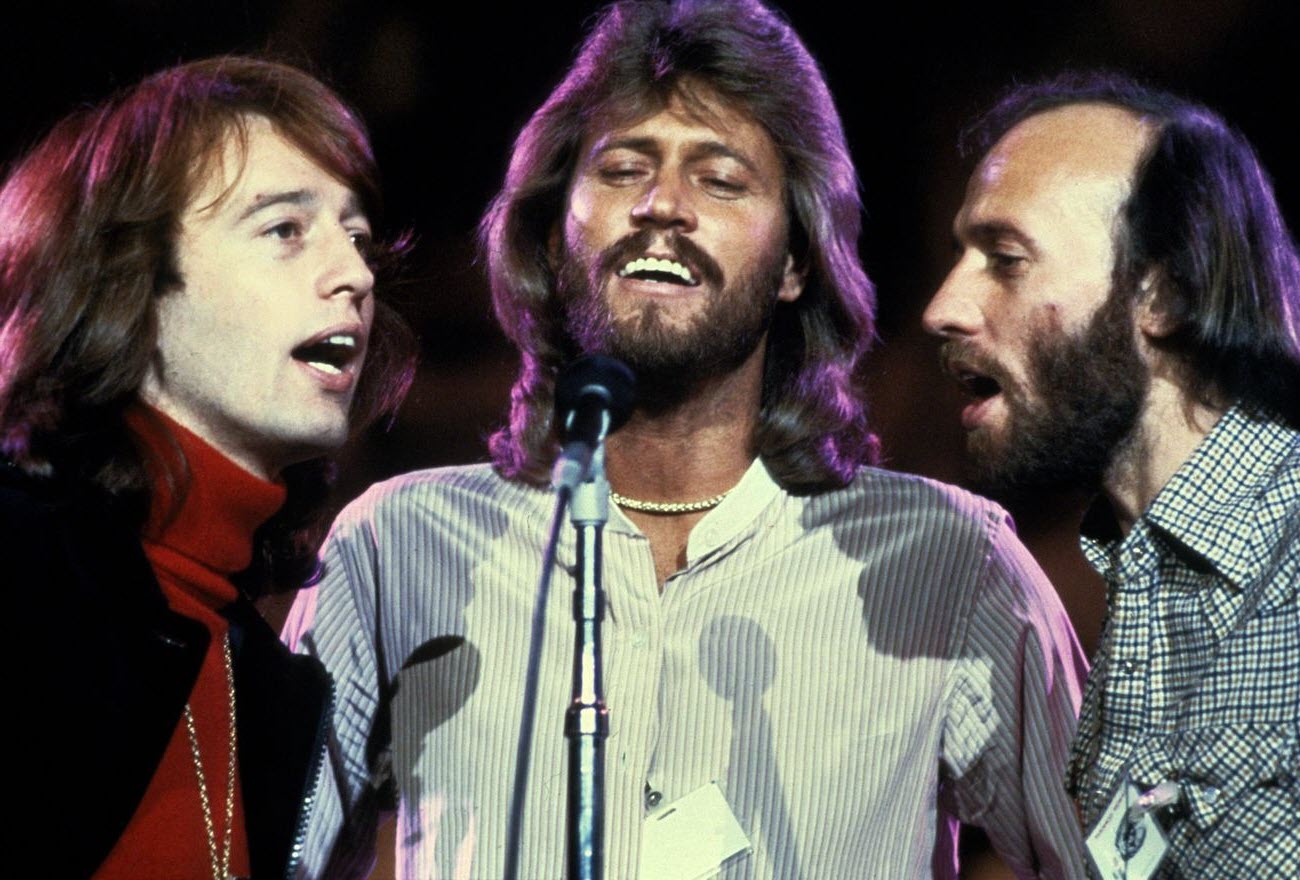
The Bee Gees were a pop music group formed in 1958, consisting of brothers Barry, Robin, and Maurice Gibb. They became one of the most successful and acclaimed musical acts of all time. The group’s sound evolved over the years, starting with a Beatles-influenced pop rock style in the 1960s, transitioning to a more R&B and soul sound in the early 1970s, and finally achieving worldwide fame with their disco music in the late 1970s.
Some of their most famous songs include “Stayin’ Alive,” “How Deep Is Your Love,” “Night Fever,” and “More Than a Woman,” which were all part of the soundtrack for the movie “Saturday Night Fever” and helped define the disco era. The Bee Gees continued to release music throughout the 1980s and 1990s, exploring different styles and genres. Their harmonies, songwriting, and production skills have influenced countless artists and left a lasting impact on popular music.
1. Stayin’ Alive
“Stayin’ Alive” is a disco anthem by the Bee Gees, released in 1977 as part of the soundtrack for the film “Saturday Night Fever.” With its infectious beat, catchy melody, and falsetto vocals, the song became an instant hit and an iconic symbol of the disco era. “Stayin’ Alive” is characterized by its pulsating rhythm, driving bassline, and uplifting lyrics, which convey a sense of resilience and determination. The song’s protagonist reflects on their struggles and hardships but remains determined to persevere and keep “stayin’ alive.” With its timeless appeal and universal message of resilience, “Stayin’ Alive” continues to be celebrated as one of the Bee Gees’ greatest hits, synonymous with the disco genre and an enduring symbol of the 1970s.
2. How Deep Is Your Love
“How Deep Is Your Love” is a timeless love ballad by the Bee Gees, released in 1977. With its smooth melody, heartfelt lyrics, and lush harmonies, the song became one of the group’s most beloved hits. “How Deep Is Your Love” captures the depth and intensity of romantic love, as the protagonist expresses their feelings of devotion and longing for their partner. The song’s soulful vocals and tender instrumentation create a romantic atmosphere, evoking a sense of intimacy and connection. “How Deep Is Your Love” remains a classic of the pop genre, cherished for its timeless beauty and universal appeal.
3. Night Fever
“Night Fever” is a disco classic by the Bee Gees, released in 1977 as part of the “Saturday Night Fever” soundtrack. With its infectious beat, catchy hooks, and electrifying energy, the song became an instant hit and an emblematic anthem of the disco era. “Night Fever” is characterized by its pulsating rhythm, soulful vocals, and danceable groove, which evoke the vibrant nightlife and carefree spirit of the late 1970s. The song’s lyrics celebrate the excitement and allure of dancing the night away, capturing the euphoria and escapism of the disco experience. “Night Fever” remains a beloved favorite among fans of the Bee Gees and disco music, embodying the era’s timeless appeal and enduring legacy.
4. Jive Talkin’
“Jive Talkin'” is a song by the Bee Gees, released in 1975. It marked the group’s transition from ballads to more dance-oriented music, foreshadowing their disco era. The song features a distinctive guitar riff and a funky beat, with lyrics that reflect the street slang term “jive talkin'” for deceptive or insincere speech.
“Jive Talkin'” became a major hit for the Bee Gees, reaching the top of the charts in several countries. It was also featured on the soundtrack of the movie “Saturday Night Fever,” contributing to the Bee Gees’ dominance of the disco scene in the late 1970s. The song’s catchy melody and infectious groove helped solidify its place as one of the Bee Gees’ signature songs.
5. You Should Be Dancing
“You Should Be Dancing” is a disco classic by the Bee Gees, released in 1976. With its infectious beat, funky bassline, and energetic vocals, the song became one of the group’s signature hits and a staple of the disco era. “You Should Be Dancing” is characterized by its upbeat tempo and irresistible groove, which invite listeners to hit the dance floor and let loose. The song’s lyrics exude a sense of joy and liberation, encouraging everyone to shed their inhibitions and embrace the rhythm of the music. With its electrifying energy and timeless appeal, “You Should Be Dancing” remains a beloved favorite among fans of the Bee Gees and disco music alike.
6. Tragedy
“Tragedy” is a disco and pop-rock anthem by the Bee Gees, released in 1979. With its pulsating rhythm, soaring vocals, and dramatic orchestration, the song stands out as one of the group’s most iconic hits. “Tragedy” is characterized by its intense energy and emotional depth, exploring themes of heartbreak and loss. The song’s lyrics reflect on the pain of a romantic breakup, conveying a sense of despair and longing. Despite its melancholic subject matter, “Tragedy” is also infused with a sense of resilience and defiance, as the protagonist vows to overcome their sorrow and find strength in the face of adversity. With its powerful vocals and infectious melody, “Tragedy” remains a timeless classic that continues to captivate audiences around the world.
7. Too Much Heaven
“Too Much Heaven” is a song by the Bee Gees, released in 1978. It is a soulful ballad with lush harmonies and heartfelt lyrics. The song’s lyrics express a deep love and longing, with the singer proclaiming that being with their loved one feels like “too much heaven.” The Bee Gees’ trademark harmonies are showcased in this song, creating a rich and emotional sound.
“Too Much Heaven” was a major hit for the Bee Gees, reaching the top of the charts in several countries. It was also included on the soundtrack of the movie “Saturday Night Fever,” further solidifying the Bee Gees’ status as disco superstars. The song’s beautiful melody and heartfelt lyrics have made it a classic and a favorite among fans of the Bee Gees’ music.
8. More Than a Woman
“More Than a Woman” is a song by the Bee Gees, originally written for the soundtrack of the 1977 film “Saturday Night Fever.” It is a disco song with a smooth groove and romantic lyrics. The song’s lyrics express admiration and love for a woman who is more than just a lover but also a friend and confidante.
“More Than a Woman” was originally recorded by the Bee Gees for the film’s soundtrack, but it became more widely known through a cover version by the group Tavares, which was also featured on the soundtrack. Both versions of the song were hits, with the Tavares version reaching the top ten on the charts in several countries.
The Bee Gees’ original version of “More Than a Woman” showcases their signature harmonies and falsetto vocals, adding to the song’s romantic and heartfelt tone. The song has since become a classic and is often associated with the disco era of the late 1970s.
9. I Started a Joke
“I Started a Joke” is a poignant ballad by the Bee Gees, released in 1968 as part of their album “Idea.” With its haunting melody, heartfelt lyrics, and emotional vocals, the song stands out as one of the group’s most iconic compositions. “I Started a Joke” explores themes of loneliness, regret, and existential questioning. The lyrics depict a protagonist who reflects on the unintended consequences of their actions, realizing that their words have caused pain and misunderstanding. Despite its somber tone, the song is also infused with a sense of vulnerability and introspection, inviting listeners to reflect on the complexities of human relationships and the power of words. “I Started a Joke” remains a timeless classic, cherished for its beauty, depth, and emotional resonance.
10. To Love Somebody
“To Love Somebody” is a song by the Bee Gees, written by Barry Gibb and Robin Gibb. It was initially released in 1967 and has since been covered by numerous artists. The song is a soulful ballad with heartfelt lyrics about unrequited love and the desire to be loved by someone deeply.
The Bee Gees’ version of “To Love Somebody” features their trademark harmonies and emotional delivery, showcasing the depth of the song’s lyrics. The song has a timeless quality that has resonated with audiences for decades, and it remains one of the Bee Gees’ most enduring and beloved songs.

Edward Tomlin is a frequent contributor to Singers Room. Since 2005, Singersroom has been the voice of R&B around the world. Connect with us via social media below.









