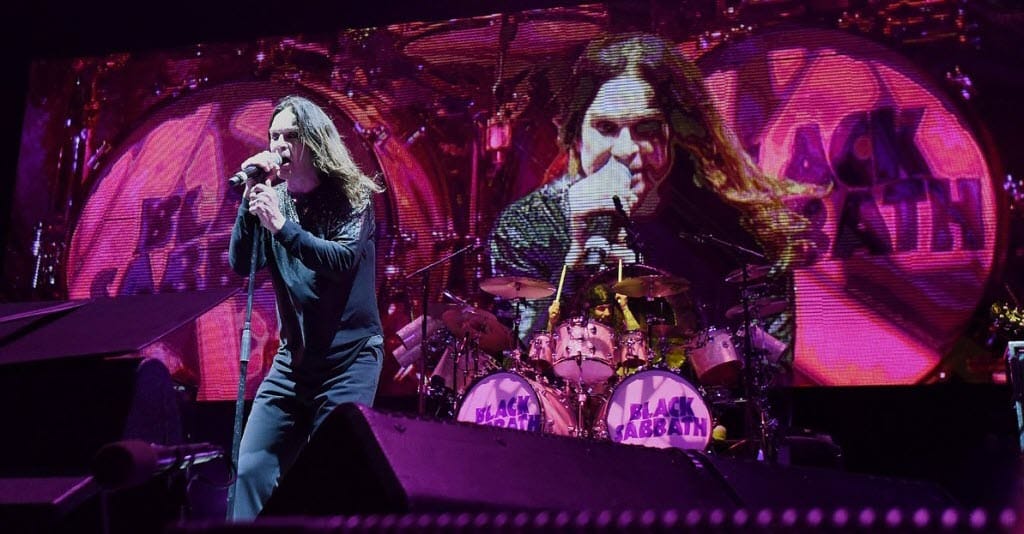
Ozzy Osbourne, often hailed as the “Prince of Darkness,” has left an indelible mark on the world of rock and heavy metal. From his early days as the lead vocalist of Black Sabbath to his prolific solo career, Ozzy’s music has transcended generations, earning him a legendary status among fans and critics alike. Known for his distinctive voice, dark thematic elements, and electrifying performances, Osbourne’s songs capture the essence of rebellion, angst, and raw energy. This article delves into the top ten best Ozzy Osbourne songs of all time, showcasing tracks that have defined his career and cemented his legacy. Each song selected represents a pivotal moment in Ozzy’s musical journey, highlighting his evolution as an artist and his enduring influence on the genre. Whether you’re a longtime fan or new to his music, this list offers a comprehensive look at the tracks that have not only stood the test of time but also continue to resonate with audiences worldwide. From haunting ballads to heavy-hitting anthems, these songs epitomize the essence of Ozzy Osbourne’s unparalleled contribution to rock and metal music.
1. Perry Mason
“Perry Mason” stands out as one of Ozzy Osbourne’s most iconic songs, blending his signature vocals with heavy guitar riffs and a compelling narrative. Released in 1995 as part of his album “Ozzmosis,” the track showcases Osbourne’s ability to craft dark, introspective lyrics, drawing listeners into a world of mystery and intrigue.
The song’s lyrics, inspired by the fictional lawyer Perry Mason, delve into themes of justice, truth, and redemption. Osbourne’s powerful vocals, accompanied by Zakk Wylde’s masterful guitar work, create a haunting and memorable melody that resonates with fans worldwide.
“Perry Mason” received widespread acclaim upon its release, earning Osbourne a Grammy nomination for Best Metal Performance. Its success solidified Osbourne’s status as a rock legend and further cemented his reputation as one of the genre’s most influential artists.
With its captivating lyrics, dynamic instrumentation, and Osbourne’s raw, emotive delivery, “Perry Mason” remains a staple of his live performances and a fan favorite, continuing to captivate audiences with its timeless appeal.
2. I Don’t Know
“I Don’t Know” is a classic track from Ozzy Osbourne’s debut solo album, “Blizzard of Ozz,” released in 1980. The song showcases Osbourne’s powerful vocals and the exceptional guitar work of the late Randy Rhoads.
As one of the standout tracks from the album, “I Don’t Know” features a driving rhythm and memorable guitar riffs that have become synonymous with Osbourne’s early solo career. The lyrics reflect a sense of confusion and introspection, with Osbourne singing about his struggles to find answers and make sense of the world around him.
The song’s anthemic chorus and infectious melody have made it a favorite among fans and a staple of Osbourne’s live performances. Its raw energy and emotional depth continue to resonate with listeners, solidifying its place as one of Osbourne’s most beloved songs.
“I Don’t Know” remains a testament to Osbourne’s enduring talent and influence in the world of rock music, reminding us of the power of his music to connect with audiences on a profound level.
3. Mama, I’m Coming Home
“Mama, I’m Coming Home” is a heartfelt ballad from Ozzy Osbourne’s album “No More Tears,” released in 1991. Written by Osbourne, along with Zakk Wylde and Lemmy Kilmister of Motörhead, the song showcases a softer side of Osbourne’s music while retaining his signature emotional depth.
The lyrics of “Mama, I’m Coming Home” speak to the longing for home and the comfort of loved ones, a sentiment that resonates with many listeners. Osbourne’s vocals are filled with emotion, conveying a sense of vulnerability and longing that adds to the song’s emotional impact.
The track’s melody is memorable and melodic, with Wylde’s guitar work adding a layer of depth and richness to the music. The song’s chorus, with its heartfelt declaration of returning home, has made it a favorite among fans and a staple of Osbourne’s live performances.
“Mama, I’m Coming Home” was a commercial success, reaching the top 40 on the Billboard Hot 100 chart. Its emotional resonance and universal themes have made it one of Osbourne’s most enduring songs, showcasing his versatility as an artist and his ability to connect with audiences on a deep and personal level.
4. Crazy Train
“Crazy Train” is an iconic song from Ozzy Osbourne’s debut solo album, “Blizzard of Ozz,” released in 1980. Written by Osbourne, Randy Rhoads, and Bob Daisley, the track is known for its powerful guitar riffs, dynamic tempo changes, and Osbourne’s distinctive vocals.
The song’s lyrics are often interpreted as a commentary on the state of the world and the human condition, with themes of confusion, unrest, and a call for change. The memorable guitar riff that opens the song has become one of the most recognizable in rock music history, solidifying its place as a classic rock anthem.
“Crazy Train” was a commercial success, reaching the top 10 on the UK Singles Chart and becoming one of Osbourne’s signature songs. Its popularity has endured over the years, with the song being featured in numerous films, TV shows, and sporting events.
The track’s combination of powerful lyrics, memorable melody, and exceptional musicianship has made it a favorite among fans and a standout in Osbourne’s discography. Its enduring popularity is a testament to Osbourne’s status as a rock legend and his ability to create music that resonates with audiences of all ages.
5. Mr. Crowley
“Mr. Crowley” is a haunting and powerful track from Ozzy Osbourne’s debut solo album, “Blizzard of Ozz,” released in 1980. The song is known for its dark and mysterious lyrics, which are said to be inspired by the infamous British occultist Aleister Crowley.
Written by Osbourne, Randy Rhoads, and Bob Daisley, “Mr. Crowley” features intricate guitar work and a dramatic, theatrical style that sets it apart from many of Osbourne’s other songs. The track showcases Rhoads’ exceptional guitar skills, with a memorable guitar solo that has become legendary among fans of rock music.
The lyrics of “Mr. Crowley” delve into themes of mysticism, magic, and the occult, reflecting Osbourne’s fascination with these subjects. Despite its controversial subject matter, the song has been praised for its musicality and remains a favorite among fans of Osbourne’s early solo work.
“Mr. Crowley” has had a lasting impact on rock music and has been covered by numerous artists over the years. Its dark and atmospheric sound, combined with its complex lyrics and exceptional musicianship, make it a standout track in Osbourne’s discography and a testament to his status as a pioneering figure in heavy metal music.
6. Bark at the Moon
“Bark at the Moon” is a heavy metal anthem by Ozzy Osbourne, released as the title track from his 1983 album. The song is known for its powerful guitar riffs, catchy melody, and Osbourne’s distinctive vocals.
The lyrics of “Bark at the Moon” tell the story of a creature that rises from the depths of hell to seek revenge, with Osbourne’s vocals conveying a sense of urgency and desperation. The track features a memorable guitar solo by Jake E. Lee, adding to its dynamic and energetic feel.
The song’s music video, featuring Osbourne as a mad scientist who transforms into a werewolf, became iconic and helped to popularize the song. “Bark at the Moon” was a commercial success, reaching the top 40 on the Billboard Hot 100 chart and becoming one of Osbourne’s most popular songs.
Over the years, “Bark at the Moon” has remained a fan favorite and a staple of Osbourne’s live performances. Its powerful sound and anthemic chorus continue to resonate with audiences, solidifying its place as one of Osbourne’s most enduring tracks.
7. No More Tears
“No More Tears” is a standout track from Ozzy Osbourne’s album of the same name, released in 1991. The song is notable for its powerful vocals, masterful guitar work, and evocative lyrics.
Written by Osbourne, along with Zakk Wylde, Randy Castillo, and John Purdell, “No More Tears” features a memorable guitar riff and a soaring chorus that have made it a fan favorite. The song’s lyrics convey a sense of longing and introspection, with Osbourne reflecting on past mistakes and looking toward a brighter future.
The track’s music video, featuring Osbourne in a dark, rainy cityscape, captured the mood of the song and helped to popularize it. “No More Tears” was a commercial success, reaching the top 10 on the Billboard Hot 100 chart and earning Osbourne a Grammy nomination for Best Metal Performance.
“No More Tears” remains one of Osbourne’s most enduring songs, with its powerful lyrics and infectious melody continuing to resonate with audiences. Its message of hope and redemption, combined with its exceptional musicianship, make it a standout track in Osbourne’s discography.
8. Miracle Man
“Miracle Man” is a hard-hitting track from Ozzy Osbourne’s album “No Rest for the Wicked,” released in 1988. The song is known for its aggressive guitar riffs, driving rhythm, and Osbourne’s powerful vocals.
Written by Osbourne, along with guitarist Zakk Wylde and bassist/lyricist Bob Daisley, “Miracle Man” is a biting commentary on televangelists and those who exploit religion for personal gain. The song’s lyrics criticize the hypocrisy of such figures, with Osbourne delivering the vocals with a sense of anger and defiance.
The track features Wylde’s exceptional guitar work, including a blistering solo that showcases his technical prowess. The song’s energetic tempo and intense atmosphere make it a standout in Osbourne’s catalog, reflecting the heavier and more aggressive sound he embraced in the late 1980s.
“Miracle Man” was a commercial success, receiving significant airplay on rock radio stations and earning Osbourne a Grammy nomination for Best Metal Performance. Its powerful message and hard-hitting sound have made it a favorite among fans of Osbourne’s heavier material, cementing its place as a classic in his discography.
9. Over the Mountain
“Over the Mountain” is a powerful track from Ozzy Osbourne’s album “Diary of a Madman,” released in 1981. The song is known for its driving rhythm, intricate guitar work, and Osbourne’s dynamic vocals.
Written by Osbourne, along with guitarist Randy Rhoads and bassist Bob Daisley, “Over the Mountain” features a memorable guitar riff and a soaring chorus that have made it a fan favorite. The song’s lyrics convey a sense of defiance and determination, with Osbourne singing about overcoming obstacles and rising above challenges.
The track’s music showcases Rhoads’ exceptional guitar skills, including a blistering guitar solo that highlights his technical prowess. The song’s energetic tempo and powerful vocals make it a standout in Osbourne’s catalog, reflecting the raw energy and emotion that defined his early solo work.
“Over the Mountain” remains a staple of Osbourne’s live performances and a favorite among fans of his early material. Its anthemic chorus and powerful message continue to resonate with audiences, solidifying its place as a classic in Osbourne’s discography.
10. Shot in the Dark
“Shot in the Dark” is a standout track from Ozzy Osbourne’s album “The Ultimate Sin,” released in 1986. The song is characterized by its catchy melody, memorable guitar riffs, and Osbourne’s distinctive vocals.
Written by Osbourne, along with guitarist Jake E. Lee and bassist/keyboardist Phil Soussan, “Shot in the Dark” features a driving rhythm and a powerful chorus that have made it one of Osbourne’s most popular songs. The track’s lyrics speak to the thrill of taking risks and living life to the fullest, with Osbourne’s vocals conveying a sense of excitement and adventure.
The song’s music video, featuring Osbourne performing in a dark, mysterious setting, helped to popularize the track and make it a hit on rock radio stations. “Shot in the Dark” was a commercial success, reaching the top 10 on the Billboard Mainstream Rock chart and earning Osbourne a Grammy nomination for Best Metal Performance.
“Shot in the Dark” remains a fan favorite and a staple of Osbourne’s live performances. Its infectious melody and anthemic chorus continue to resonate with audiences, solidifying its place as one of Osbourne’s most enduring songs.

Samuel Moore is a frequent contributor to Singers Room. Since 2005, Singersroom has been the voice of R&B around the world. Connect with us via social media below.









