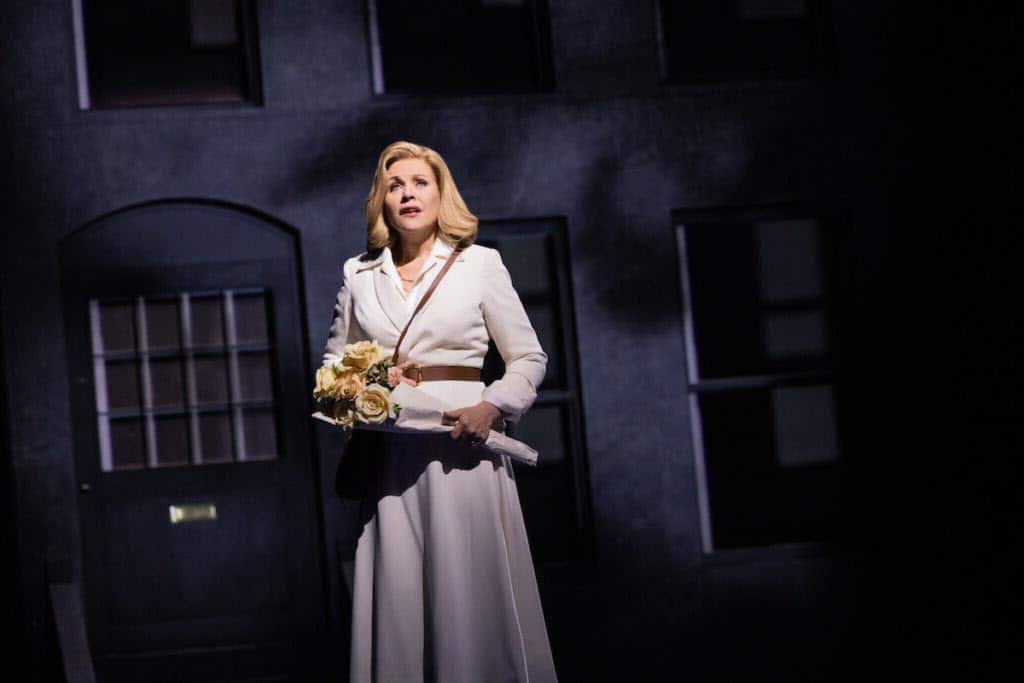
Opera singers are highly trained vocalists who perform in operas, which are dramatic productions set to music that combine singing, acting, and orchestral accompaniment. Opera singers are known for their powerful voices, technical skill, and ability to convey emotion through music.
Opera singers undergo years of rigorous training to develop their voices and master the techniques required for singing in the operatic style. They must have exceptional vocal range, control, and stamina to perform in large theaters without amplification.
Opera singers are typically classified into different voice types based on the range, timbre, and tessitura (the range of comfortable singing) of their voices. The main voice types for female singers are soprano, mezzo-soprano, and contralto, while male singers are classified as tenors, baritones, and basses.
Opera singers perform a wide range of repertoire, from classic operas by composers like Mozart, Verdi, and Puccini to contemporary works by living composers. They often perform in opera houses and theaters around the world, captivating audiences with their stunning vocal performances and dramatic interpretations.
1. Maria Callas
Maria Callas, often hailed as the “La Divina,” epitomized the quintessential operatic soprano of the 20th century. Born in New York City in 1923 to Greek parents, Callas’s voice enraptured audiences worldwide with its remarkable range, emotional depth, and dramatic intensity. Renowned for her exceptional vocal technique and unparalleled stage presence, she brought iconic roles to life, from the tragic heroines of Bellini and Donizetti to the demanding characters of Verdi and Puccini. Despite personal struggles and controversies, Callas remains an enduring legend, her recordings and performances immortalizing her as one of the greatest opera singers of all time.
2. Luciano Pavarotti
Luciano Pavarotti, the embodiment of operatic brilliance, graced stages worldwide with his commanding presence and unparalleled tenor voice. Born in Modena, Italy, in 1935, Pavarotti’s prodigious talent and charisma captivated audiences, earning him the title “King of the High Cs.” His golden voice effortlessly soared through the most demanding arias, delivering passionate performances imbued with emotion and authenticity. Beyond his vocal prowess, Pavarotti’s warm personality and generosity endeared him to millions, transcending cultural barriers. A true ambassador of opera, his iconic renditions and charitable endeavors left an indelible mark on the world, ensuring his legacy as one of the greatest tenors in history.
3. Renée Fleming
Renée Fleming, the epitome of grace and versatility in the world of opera, captivated audiences with her luminous soprano voice and exquisite artistry. Born in Indiana, USA, in 1959, Fleming’s voice possessed a rare combination of richness, clarity, and emotional depth. Renowned for her impeccable technique and nuanced interpretations, she effortlessly inhabited a wide range of roles spanning from Mozart to Strauss. Beyond the operatic stage, Fleming’s crossover appeal and collaborations with diverse artists showcased her boundless creativity and musical curiosity. A true icon of her generation, her contributions to the world of classical music continue to inspire and enchant audiences worldwide.
4. Plácido Domingo
Plácido Domingo, the titan of the operatic stage, redefined the tenor repertoire with his unparalleled vocal prowess and magnetic stage presence. Born in Spain in 1941, Domingo’s remarkable career spans over six decades, during which he portrayed a vast array of iconic roles with unmatched passion and versatility. Renowned for his powerful yet lyrical voice, Domingo’s interpretations ranged from the romantic heroes of Verdi and Puccini to the dramatic intensity of Wagner and Strauss. Beyond opera, his boundless talent extended to conducting and administration, solidifying his status as a true renaissance artist and cultural ambassador. Domingo’s enduring legacy continues to inspire generations of opera lovers worldwide.
5. Joan Sutherland
Dame Joan Sutherland, affectionately known as “La Stupenda,” enchanted audiences worldwide with her dazzling coloratura soprano voice and unparalleled virtuosity. Born in Australia in 1926, Sutherland’s extraordinary vocal range and technical mastery made her one of the greatest sopranos of the 20th century. Renowned for her crystalline high notes and impeccable agility, she effortlessly tackled the most demanding roles in the bel canto repertoire, earning acclaim as the definitive interpreter of Donizetti, Bellini, and Rossini. Sutherland’s magnetic stage presence and regal demeanor captivated audiences, solidifying her legacy as one of opera’s most beloved and influential figures, inspiring generations of singers to come.
6. José Carreras
José Carreras, the Spanish tenor whose velvety voice and emotional depth stirred the hearts of audiences worldwide, stands as a pillar of the operatic world. Born in Barcelona in 1946, Carreras rose to prominence as one of the legendary “Three Tenors,” alongside Luciano Pavarotti and Plácido Domingo. Renowned for his lyrical expressiveness and heartfelt interpretations, Carreras’ performances encompassed a wide repertoire, from the romantic heroes of Verdi and Puccini to the Spanish zarzuela tradition. His triumphant comeback from leukemia in the late 1980s symbolized resilience and inspired millions. Carreras’ enduring legacy extends beyond the stage, shaping the landscape of classical music for generations to come.
7. Montserrat Caballé
Montserrat Caballé, the Spanish soprano whose ethereal voice and exquisite artistry captivated audiences around the globe, stands as a towering figure in the world of opera. Born in Barcelona in 1933, Caballé’s vocal range and versatility allowed her to excel in a diverse repertoire, from the bel canto masterpieces of Bellini and Donizetti to the dramatic works of Verdi and Puccini. Renowned for her impeccable technique, rich tone, and remarkable breath control, she imbued each performance with profound emotion and lyricism. Caballé’s collaborations with legendary conductors and her iconic portrayal of iconic heroines cemented her status as one of the greatest sopranos of the 20th century, leaving an indelible mark on the world of classical music.
8. Birgit Nilsson
Birgit Nilsson, the Swedish soprano of legendary stature, reigned supreme as the Wagnerian soprano par excellence, possessing a voice of unparalleled power, clarity, and stamina. Born in 1918 in rural Sweden, Nilsson’s remarkable career spanned over four decades, during which she became synonymous with the most demanding soprano roles in the operatic repertoire. Renowned for her fearless approach to the dramatic Wagnerian repertoire, she conquered the world’s greatest opera houses with her commanding presence and electrifying performances. Nilsson’s voice, with its gleaming top notes and seemingly limitless reserves of strength, set a standard against which all subsequent Wagnerian sopranos are measured, securing her place as one of the most iconic and influential singers of the 20th century.
9. Franco Corelli
Franco Corelli, the Italian tenor hailed for his magnetic stage presence and thrilling vocal prowess, embodied the epitome of the operatic hero. Born in 1921 in Ancona, Italy, Corelli’s voice possessed a rare combination of power, agility, and passion. Renowned for his ringing top notes and effortless vocal technique, he mesmerized audiences with his impassioned portrayals of romantic leads in operas by Verdi, Puccini, and Donizetti. Corelli’s charismatic stage persona, coupled with his unmistakable vocal timbre, made him a favorite among audiences and critics alike. His recordings and performances continue to inspire generations of opera lovers, solidifying his legacy as one of the greatest tenors of the 20th century.
10. Mirella Freni
Mirella Freni, the beloved Italian soprano, enchanted audiences with her radiant voice, emotional depth, and profound artistry. Born in Modena, Italy, in 1935, Freni’s lyrical soprano was marked by its warmth, purity, and remarkable versatility. Renowned for her exquisite phrasing and nuanced interpretations, she excelled in a diverse repertoire ranging from the delicate heroines of Mozart and Puccini to the dramatic roles of Verdi and Tchaikovsky. Freni’s captivating stage presence and innate musicality endeared her to audiences worldwide, earning her acclaim as one of the most beloved and respected sopranos of her generation. Her recordings and performances continue to inspire and enchant listeners, ensuring her legacy as a true icon of the operatic stage.
11. Leontyne Price
Leontyne Price, the trailblazing American soprano, captivated audiences worldwide with her stunning voice, regal presence, and profound artistry. Born in Laurel, Mississippi, in 1927, Price’s rich, velvety soprano voice transcended genres, from opera to spirituals and art songs. Renowned for her impeccable technique, effortless high notes, and deeply expressive interpretations, she portrayed iconic roles in operas by Verdi, Puccini, and Strauss with unparalleled grace and authority. Price’s historic performances broke barriers and paved the way for future generations of African-American opera singers, earning her acclaim as one of the greatest sopranos of the 20th century. Her legacy as a cultural icon and vocal trailblazer endures, inspiring audiences and artists alike to this day.
12. Renata Tebaldi
Renata Tebaldi, the Italian soprano with a voice of celestial beauty, epitomized the golden age of opera with her unmatched vocal purity and emotional resonance. Born in Pesaro, Italy, in 1922, Tebaldi’s velvety soprano possessed a unique combination of warmth, power, and lyricism. Renowned for her seamless legato, exquisite phrasing, and deeply expressive interpretations, she enraptured audiences with her portrayals of beloved heroines in operas by Verdi, Puccini, and Giordano. Tebaldi’s voice, with its shimmering timbre and effortless high notes, earned her acclaim as one of the greatest sopranos of the 20th century, and her recordings continue to enchant listeners with their timeless beauty. Her legacy as a vocal icon and cultural ambassador endures, inspiring generations of opera lovers worldwide.
13. Jussi Björling
Jussi Björling, the Swedish tenor hailed as one of the finest voices of the 20th century, enchanted audiences with his golden timbre, remarkable technical skill, and emotive performances. Born in Sweden in 1911, Björling’s lyric tenor voice possessed a rare combination of power, warmth, and clarity. Renowned for his effortless high notes, seamless legato, and innate musicality, he excelled in a diverse repertoire spanning from the bel canto operas of Donizetti and Bellini to the dramatic roles of Verdi and Puccini. Björling’s recordings and performances continue to inspire singers and audiences alike, securing his legacy as one of the greatest tenors in the history of opera.
14. Cecilia Bartoli
Cecilia Bartoli, the Italian mezzo-soprano renowned for her extraordinary vocal agility, artistic versatility, and captivating stage presence, has left an indelible mark on the world of classical music. Born in Rome in 1966, Bartoli’s dazzling coloratura and expressive depth have earned her acclaim in a wide range of repertoire, from Baroque to bel canto to contemporary works. Renowned for her impeccable technique, soulful interpretations, and adventurous programming, she has breathed new life into countless operatic roles and rediscovered forgotten gems of the vocal repertoire. Bartoli’s magnetic performances and innovative recordings continue to captivate audiences worldwide, cementing her status as one of the most celebrated and influential mezzo-sopranos of her generation.
15. Bryn Terfel
Bryn Terfel, the Welsh bass-baritone celebrated for his powerful voice, magnetic stage presence, and versatility, stands as one of the foremost interpreters of operatic and concert repertoire. Born in Pant Glas, Wales, in 1965, Terfel’s rich and resonant voice, coupled with his commanding stage demeanor, has made him a favorite among audiences and critics alike. Renowned for his portrayals of iconic roles in operas by Mozart, Wagner, and Verdi, as well as his interpretations of Welsh folk songs and Broadway classics, Terfel’s performances are marked by their emotional depth, vocal brilliance, and engaging charisma. His recordings and live performances continue to inspire audiences worldwide, securing his place as one of the leading bass-baritones of his generation.

Edward Tomlin is a frequent contributor to Singers Room. Since 2005, Singersroom has been the voice of R&B around the world. Connect with us via social media below.