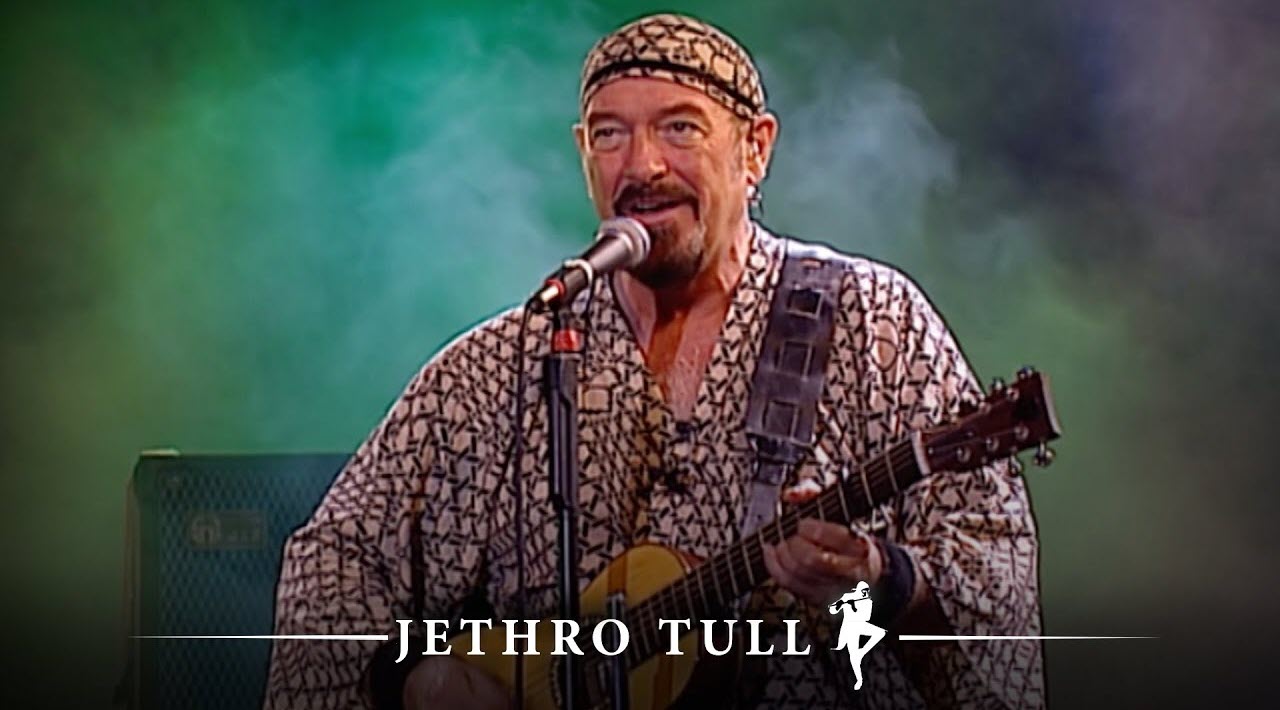
Jethro Tull, the iconic British rock band formed in 1967, has left an indelible mark on the music world with their unique blend of progressive rock, folk, and blues influences. Fronted by the enigmatic Ian Anderson, known for his distinctive flute playing and charismatic stage presence, Jethro Tull has amassed a rich catalog of music over the years. As one of the pioneers of the progressive rock movement, their sound is characterized by complex arrangements, thoughtful lyrics, and virtuosic musicianship.
In this article, we delve into the Top Most Popular 10 Best Jethro Tull Songs of All Time, exploring the tracks that have resonated most deeply with fans and critics alike. From their early blues-infused rockers to their later, more intricate compositions, each song on this list showcases the band’s evolution and enduring appeal. Whether you’re a longtime fan looking to reminisce or a newcomer eager to discover their music, this list offers a glimpse into the musical legacy of one of rock’s most innovative and enduring bands.
1. Skating Away on the Thin Ice of the New Day
“Skating Away on the Thin Ice of the New Day” stands as a pinnacle of Jethro Tull’s musical prowess and lyrical depth. Released in 1974 as part of their album “War Child,” this song encapsulates the band’s signature blend of folk, rock, and progressive elements. Ian Anderson’s distinctive flute melodies intertwine seamlessly with Martin Barre’s electrifying guitar riffs, creating a sonic landscape that is both haunting and exhilarating.
Lyrically, the song explores themes of resilience, escapism, and the inevitability of change. The metaphor of skating on thin ice serves as a poignant allegory for navigating the uncertain terrain of life’s transitions. Anderson’s evocative imagery paints a vivid picture of a protagonist determined to seize the moment and embrace the challenges ahead, even in the face of adversity.
“Skating Away on the Thin Ice of the New Day” has endured as one of Jethro Tull’s most beloved tracks, captivating audiences with its timeless appeal and profound message. Its infectious melodies and thought-provoking lyrics continue to resonate with listeners around the world, solidifying its status as one of the band’s crowning achievements and earning its place as one of the top most popular and best Jethro Tull songs of all time.
2. My God
“My God” emerges as an iconic anthem in Jethro Tull’s illustrious repertoire, renowned for its powerful blend of musical virtuosity and thought-provoking lyricism. Released in 1971 as part of the seminal album “Aqualung,” this track showcases the band at the height of their creative prowess.
At its core, “My God” grapples with themes of spirituality, existentialism, and the complexities of faith. Ian Anderson’s searing vocals and dynamic flute work command attention from the outset, while Martin Barre’s blistering guitar solos inject a sense of urgency and intensity into the composition.
Lyrically, the song offers a scathing critique of organized religion, challenging conventional beliefs and questioning the nature of divinity. Anderson’s biting wit and incisive wordplay compel listeners to confront their own beliefs and values, fostering a sense of introspection and intellectual engagement.
“My God” has endured as a standout track in Jethro Tull’s discography, resonating with audiences for its raw emotional power and profound social commentary. Its electrifying instrumentation and thought-provoking lyrics continue to captivate listeners, solidifying its status as one of the band’s most revered and influential compositions. As one of the top most popular and best Jethro Tull songs of all time, “My God” remains a testament to the band’s enduring legacy and artistic innovation.
3. Songs From the Wood
“Songs From the Wood” represents the quintessence of Jethro Tull’s fusion of folk, rock, and progressive elements, capturing the imagination with its enchanting melodies and evocative storytelling. Released in 1977 as the title track of their album, this song transports listeners to a realm of mystical forests and ancient folklore.
Ian Anderson’s distinctive flute melodies dance gracefully alongside Martin Barre’s intricate guitar work, weaving a tapestry of sound that is at once earthy and ethereal. The song’s buoyant rhythm and infectious energy evoke images of lively village celebrations and timeless rituals, inviting listeners to immerse themselves in its vivid imagery.
Lyrically, “Songs From the Wood” celebrates the beauty and vitality of nature while exploring themes of nostalgia, tradition, and the passage of time. Anderson’s poetic lyrics conjure visions of ancient oaks and hidden glades, painting a vivid portrait of a world imbued with magic and wonder.
As one of Jethro Tull’s most beloved compositions, “Songs From the Wood” has left an indelible mark on audiences around the world. Its timeless appeal and universal themes have earned it a place as one of the top most popular and best Jethro Tull songs of all time, cementing its status as a cherished classic in the annals of rock music history.
4. Aqualung
“Aqualung” stands as a towering pillar of Jethro Tull’s musical legacy, a defining masterpiece that epitomizes the band’s unique blend of progressive rock and folk influences. Released in 1971 as the title track of their acclaimed album, this song remains an enduring emblem of the band’s creative vision and lyrical depth.
From the haunting opening chords to the blistering guitar solos, “Aqualung” captivates listeners with its raw energy and gritty intensity. Martin Barre’s electrifying guitar work and Ian Anderson’s impassioned vocals command attention, while the song’s dynamic shifts in tempo and mood keep audiences on the edge of their seats.
Lyrically, “Aqualung” paints a vivid portrait of urban decay and social alienation, offering a searing critique of the dehumanizing effects of modern society. Anderson’s poignant storytelling and vivid imagery shed light on the plight of the marginalized and disenfranchised, challenging listeners to confront uncomfortable truths about the world around them.
As one of Jethro Tull’s most iconic compositions, “Aqualung” has left an indelible mark on the landscape of rock music. Its powerful message and electrifying instrumentation continue to resonate with audiences, earning it a well-deserved place as one of the top most popular and best Jethro Tull songs of all time. With its timeless appeal and enduring relevance, “Aqualung” remains a testament to the band’s enduring legacy and artistic innovation.
5. Locomotive Breath
“Locomotive Breath” emerges as a high-octane tour de force in Jethro Tull’s illustrious catalog, captivating audiences with its driving rhythm and blistering instrumentation. Released in 1971 as part of their seminal album “Aqualung,” this song showcases the band’s dynamic musicality and Ian Anderson’s electrifying stage presence.
From the thunderous opening riff to the frenetic flute solos, “Locomotive Breath” exudes a sense of urgency and intensity that is impossible to ignore. Martin Barre’s powerhouse guitar work propels the song forward with relentless momentum, while Anderson’s impassioned vocals inject a palpable sense of drama and urgency.
Lyrically, “Locomotive Breath” offers a harrowing commentary on the frenetic pace of modern life and the relentless pursuit of material wealth. Anderson’s vivid imagery and evocative storytelling paint a vivid picture of a world in chaos, where individuals are consumed by their own desires and ambitions.
As one of Jethro Tull’s most enduring and iconic compositions, “Locomotive Breath” has solidified its status as a classic rock staple. Its electrifying energy and thought-provoking lyrics continue to resonate with audiences around the world, earning it a well-deserved place as one of the top most popular and best Jethro Tull songs of all time. With its timeless appeal and explosive intensity, “Locomotive Breath” remains a testament to the band’s enduring legacy and musical innovation.
6. Cross-Eyed Mary
“Cross-Eyed Mary” stands as a captivating gem in Jethro Tull’s repertoire, blending elements of rock, folk, and blues into a mesmerizing sonic tapestry. Originally released in 1971 as part of their seminal album “Aqualung,” this song showcases the band’s versatility and Ian Anderson’s evocative songwriting.
From the gritty guitar riffs to the haunting flute melodies, “Cross-Eyed Mary” captivates listeners with its darkly atmospheric soundscapes and infectious rhythm. Martin Barre’s dynamic guitar work provides a powerful backdrop for Anderson’s distinctive vocals, while the song’s dynamic shifts in tempo and mood keep audiences enthralled from start to finish.
Lyrically, “Cross-Eyed Mary” delves into themes of societal alienation and the struggles of the marginalized, offering a poignant commentary on the human condition. Anderson’s vivid imagery and incisive wordplay paint a vivid picture of a young girl caught in the throes of poverty and desperation, navigating a world that is both cruel and indifferent.
As one of Jethro Tull’s most beloved compositions, “Cross-Eyed Mary” has earned its place as a classic rock staple. Its haunting melodies and thought-provoking lyrics continue to resonate with audiences around the world, solidifying its status as one of the top most popular and best Jethro Tull songs of all time. With its timeless appeal and enduring relevance, “Cross-Eyed Mary” remains a testament to the band’s enduring legacy and musical innovation.
7. Thick as a Brick
“Thick as a Brick” stands as a towering epic in Jethro Tull’s illustrious discography, pushing the boundaries of progressive rock with its sprawling structure and intricate musical arrangements. Released in 1972 as a single continuous track spanning the entire album, this ambitious composition showcases the band’s virtuosity and Ian Anderson’s lyrical prowess.
From its intricate instrumental passages to its dynamic shifts in tempo and mood, “Thick as a Brick” takes listeners on a captivating journey through a richly textured musical landscape. Ian Anderson’s masterful flute work intertwines seamlessly with Martin Barre’s blistering guitar solos, while the rhythm section provides a solid foundation for the song’s elaborate musical tapestry.
Lyrically, “Thick as a Brick” offers a satirical commentary on the nature of fame, media, and the human condition. Anderson’s witty wordplay and sharp social observations paint a vivid portrait of a society consumed by superficiality and hypocrisy, challenging listeners to question their own perceptions of reality.
As one of Jethro Tull’s most ambitious and acclaimed compositions, “Thick as a Brick” has earned its place as a cornerstone of progressive rock. Its groundbreaking approach to songwriting and its thought-provoking lyrics continue to inspire generations of musicians and listeners alike, solidifying its status as one of the top most popular and best Jethro Tull songs of all time. With its unparalleled complexity and enduring relevance, “Thick as a Brick” remains a timeless masterpiece that stands as a testament to the band’s unparalleled creativity and musical innovation.
8. Bungle in the Jungle
“Bungle in the Jungle” emerges as a vibrant and infectious groove in Jethro Tull’s diverse repertoire, offering a departure from their signature progressive rock sound with its catchy melodies and playful lyrics. Released in 1974 as part of their album “War Child,” this song showcases the band’s versatility and Ian Anderson’s knack for crafting memorable tunes.
From its infectious rhythms to its lighthearted flute melodies, “Bungle in the Jungle” exudes a sense of joy and exuberance that is impossible to resist. Martin Barre’s buoyant guitar riffs provide the perfect backdrop for Anderson’s spirited vocals, while the song’s upbeat tempo and sing-along chorus make it an instant crowd-pleaser.
Lyrically, “Bungle in the Jungle” offers a whimsical take on the struggles of survival in the natural world, using playful imagery and clever wordplay to convey its message. Anderson’s colorful storytelling and irreverent humor paint a vivid picture of a jungle teeming with life and adventure, inviting listeners to join in the fun.
As one of Jethro Tull’s most beloved and accessible compositions, “Bungle in the Jungle” has earned its place as a fan favorite. Its infectious energy and memorable melodies continue to resonate with audiences around the world, solidifying its status as one of the top most popular and best Jethro Tull songs of all time. With its timeless appeal and irresistible charm, “Bungle in the Jungle” remains a testament to the band’s enduring legacy and musical innovation.
9. Living in the Past
“Living in the Past” is a nostalgic anthem that resonates with listeners through its infectious melody and reflective lyrics. Originally released in 1969 as a single and later included in the album of the same name, this Jethro Tull classic has stood the test of time, remaining a beloved favorite among fans.
The song’s distinctive flute riff, played by Ian Anderson, is instantly recognizable and sets the tone for a journey through memories and introspection. Martin Barre’s guitar work complements Anderson’s flute, creating a rich and melodic tapestry that captures the essence of the band’s signature sound.
Lyrically, “Living in the Past” speaks to the universal experience of looking back on one’s life and grappling with the passage of time. Anderson’s introspective lyrics touch on themes of nostalgia, regret, and the bittersweet nature of memory, inviting listeners to reflect on their own journeys.
As one of Jethro Tull’s most enduring hits, “Living in the Past” continues to captivate audiences with its timeless appeal and emotional resonance. Its melodic charm and introspective lyrics have earned it a place as one of the top most popular and best Jethro Tull songs of all time, solidifying its status as a cherished classic in the annals of rock music history.
10. Teacher
“Teacher” emerges as a dynamic and provocative track in Jethro Tull’s repertoire, showcasing the band’s knack for blending rock sensibilities with thought-provoking lyrical content. Released in 1970 as part of their album “Benefit,” this song stands as a testament to the band’s willingness to push boundaries and challenge societal norms.
From its infectious groove to its searing guitar riffs, “Teacher” grabs listeners’ attention from the get-go and never lets go. Martin Barre’s electrifying guitar work drives the song forward with a relentless energy, while Ian Anderson’s impassioned vocals inject a sense of urgency and defiance into the mix.
Lyrically, “Teacher” offers a scathing critique of the education system and its limitations. Anderson’s biting wit and incisive observations paint a vivid picture of a world where conformity reigns supreme and individuality is stifled, challenging listeners to question the status quo and think for themselves.
As one of Jethro Tull’s most politically charged compositions, “Teacher” has earned its place as a rallying cry for those who dare to challenge authority and defy convention. Its raw energy and rebellious spirit continue to resonate with audiences around the world, solidifying its status as one of the top most popular and best Jethro Tull songs of all time. With its timeless message and electrifying instrumentation, “Teacher” remains a testament to the band’s enduring legacy and musical innovation.

Samuel Moore is a frequent contributor to Singers Room. Since 2005, Singersroom has been the voice of R&B around the world. Connect with us via social media below.









