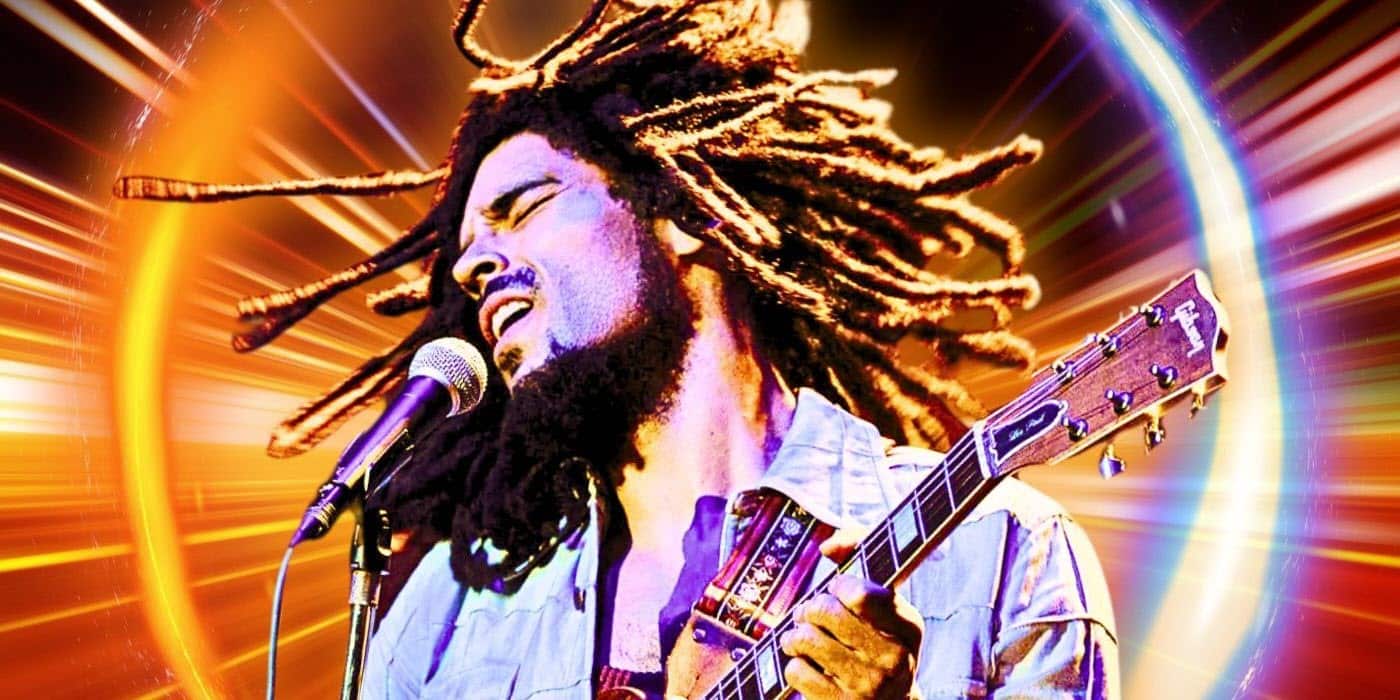
Bob Marley’s music transcends generations, cultures, and borders, resonating with listeners worldwide decades after his passing. In commemorating his enduring legacy, we delve into the timeless melodies and profound lyrics that have solidified Bob Marley as an icon of reggae music. From his early days with The Wailers to his solo career, Marley’s discography is a treasure trove of classics that continue to inspire and uplift millions. In this exploration, we embark on a journey through the top ten most beloved Bob Marley songs, each representing a unique blend of his unmatched musical talent and unwavering commitment to social justice. From anthems of unity and liberation to soulful reflections on love and spirituality, Marley’s repertoire encapsulates the essence of human experience with unparalleled authenticity. As we celebrate the profound impact of his music, we pay homage to the enduring spirit of a legend whose songs continue to transcend barriers, fostering connection and empowerment across the globe. Join us as we rediscover the magic of Bob Marley’s music and honor the ten timeless compositions that have etched their place in the hearts of fans everywhere.
1. One Love
“One Love” stands as an iconic anthem in the vast repertoire of Bob Marley, encapsulating his message of unity, love, and peace. Released in 1965 as a part of the album “The Wailing Wailers,” the song resonated deeply with audiences worldwide, transcending boundaries of culture and geography. Its infectious rhythm, coupled with Marley’s soul-stirring vocals, makes it an enduring favorite among fans of reggae and beyond.
“One Love” is more than just a song; it’s a mantra for harmony and understanding. Its lyrics advocate for a world where differences are celebrated rather than dividing forces, and where love triumphs over hatred and prejudice. The song’s simple yet profound message continues to inspire generations, carrying on Marley’s legacy as a musical prophet of peace.
From its humble beginnings, “One Love” has grown to become a symbol of hope and solidarity, often performed at concerts, festivals, and even political rallies. Its universal appeal transcends time, remaining as relevant today as it was when it was first recorded. As the definitive embodiment of Bob Marley’s musical genius and his vision for a better world, “One Love” rightfully claims its place as one of the most popular and cherished songs of all time.
2. Could You Be Loved
“Could You Be Loved” is a timeless masterpiece by Bob Marley that exudes irresistible energy and groove. Released in 1980 as part of the album “Uprising,” the song effortlessly blends reggae with elements of funk and rock, creating a sound that captivates listeners from the first note to the last.
At its core, “Could You Be Loved” is a celebration of love in all its forms. Marley’s vocals are infused with passion and conviction as he explores the complexities of relationships and the universal desire for acceptance and affection. The infectious rhythm, punctuated by a catchy guitar riff and vibrant percussion, beckons listeners to move and dance, making it a staple on dancefloors around the world.
Beyond its irresistible melody, “Could You Be Loved” carries a powerful message of self-reflection and empowerment. It urges listeners to embrace love with an open heart and to question societal norms that may hinder personal growth and happiness. The song’s uplifting spirit and infectious optimism continue to resonate with audiences, solidifying its status as one of Bob Marley’s most beloved songs.
As a testament to Marley’s enduring legacy, “Could You Be Loved” remains a timeless classic that transcends generations and continues to inspire love and unity across the globe.
3. Three Little Birds
“Three Little Birds” is a soothing and uplifting gem in Bob Marley’s illustrious discography, instantly recognizable by its infectious melody and reassuring lyrics. Originally released in 1977 as part of the album “Exodus,” the song has since become an anthem of hope and resilience, cherished by fans worldwide.
At its heart, “Three Little Birds” radiates positivity and encouragement, serving as a reminder that no matter the challenges one faces, everything will be alright. Marley’s velvety vocals, accompanied by the gentle strumming of acoustic guitar and the melodious chirping of birds, create a tranquil atmosphere that soothes the soul.
The song’s simple yet profound message resonates deeply with listeners, offering solace in times of uncertainty and hardship. Its iconic refrain, “Don’t worry about a thing, ’cause every little thing gonna be alright,” has become a mantra for perseverance and optimism, embraced by individuals from all walks of life.
“Three Little Birds” has transcended its status as a mere song to become a symbol of resilience and hope. Its timeless appeal continues to unite generations, serving as a source of comfort and inspiration in moments of doubt. As one of Bob Marley’s most beloved compositions, “Three Little Birds” embodies the enduring power of music to uplift the human spirit and spread joy to all who listen.
4. Buffalo Soldier
“Buffalo Soldier” is a stirring tribute to the resilient spirit of the African diaspora, immortalized by Bob Marley and The Wailers in 1983. Released posthumously on the album “Confrontation,” the song delves into the history of the Buffalo Soldiers, African American cavalrymen who served with distinction in the United States Army during the late 19th and early 20th centuries.
Marley’s impassioned vocals and the song’s reggae-infused rhythm capture the essence of struggle and perseverance, paying homage to the Buffalo Soldiers’ legacy of courage and fortitude in the face of adversity. The lyrics reflect on the challenges these soldiers endured, from fighting on the frontier to confronting discrimination and injustice at home.
“Buffalo Soldier” transcends its historical context to become a universal anthem of resistance and resilience. Its powerful message resonates with anyone who has faced oppression or discrimination, serving as a reminder of the strength that lies within the human spirit.
Through its infectious melody and thought-provoking lyrics, “Buffalo Soldier” remains a testament to Bob Marley’s ability to infuse music with social commentary and historical significance. It stands as a timeless tribute to the unsung heroes of the past and a rallying cry for justice and equality in the present.
5. Redemption Song
“Redemption Song” stands as a poignant masterpiece, marking the culmination of Bob Marley’s musical and spiritual journey. Released in 1980 as the final track on the album “Uprising,” this acoustic ballad represents Marley at his most introspective and vulnerable.
Stripped down to just Marley’s voice and acoustic guitar, “Redemption Song” carries an intimate and raw emotional weight. The lyrics, inspired by Marcus Garvey’s teachings and Marley’s own experiences, delve into themes of emancipation, self-liberation, and the quest for personal and collective redemption.
As Marley reflects on the struggles and injustices faced by oppressed people, he also offers a message of hope and empowerment. The song’s refrain, “Emancipate yourselves from mental slavery, none but ourselves can free our minds,” serves as a rallying cry for self-awareness and liberation from mental chains.
“Redemption Song” is not merely a song; it’s a spiritual anthem that resonates with listeners on a profound level. Its timeless message of empowerment and freedom continues to inspire generations, transcending cultural and geographical boundaries.
As the final solo recording released by Bob Marley before his passing, “Redemption Song” holds a special place in the hearts of fans worldwide. It stands as a testament to Marley’s enduring legacy as a musical prophet and a voice for social change, reminding us of the power of music to heal, inspire, and uplift the human spirit.
6. Stir It Up
“Stir It Up” is a soulful and seductive classic from Bob Marley and The Wailers, released in 1972 as part of their album “Catch a Fire.” With its infectious rhythm and romantic lyrics, the song embodies the essence of love and passion.
From the moment the iconic guitar riff kicks in, “Stir It Up” captivates listeners with its irresistible groove. Marley’s smooth vocals, accompanied by the harmonious backing vocals of The Wailers, create a mesmerizing blend of reggae and soul that transports audiences to a state of euphoria.
The lyrics of “Stir It Up” are poetic and evocative, using the metaphor of cooking to describe the intensity of romantic desire. Marley’s imagery is vivid and sensual, painting a picture of two lovers coming together in a blaze of passion and longing.
Beyond its infectious melody and romantic lyrics, “Stir It Up” carries a deeper message of unity and connection. It celebrates the power of love to transcend barriers of race, religion, and nationality, bringing people together in a shared experience of joy and intimacy.
As one of Bob Marley’s most beloved songs, “Stir It Up” continues to enchant audiences around the world with its timeless appeal. Its universal themes of love and unity resonate as strongly today as they did upon its initial release, solidifying its place as an enduring classic in the pantheon of reggae music.
7. Is This Love
“Is This Love” stands as a timeless testament to the universal power of love, skillfully crafted by Bob Marley and The Wailers. Released in 1978 as part of the album “Kaya,” this soulful reggae ballad captivates listeners with its heartfelt lyrics and infectious melody.
From the moment the song begins, Marley’s smooth vocals envelop the listener in a warm embrace, conveying the depth of emotion and longing expressed in the lyrics. Backed by the melodic rhythms of The Wailers, “Is This Love” creates a mesmerizing musical landscape that transports audiences to a state of blissful reverie.
At its core, “Is This Love” explores the profound feelings of affection and devotion that accompany the experience of falling in love. Marley’s lyrics are poetic and introspective, capturing the ecstasy and uncertainty of newfound romance with honesty and vulnerability.
“Is This Love” transcends its status as a mere love song to become a universal anthem of connection and intimacy. Its timeless appeal continues to resonate with audiences of all ages and backgrounds, serving as a reminder of the transformative power of love to uplift and inspire.
As one of Bob Marley’s most iconic compositions, “Is This Love” remains a cherished favorite among fans worldwide. Its enduring popularity speaks to the enduring legacy of Marley’s music and his ability to touch the hearts of millions with his soul-stirring melodies and profound lyrics.
8. Jamming
“Jamming” is a jubilant anthem of musical celebration and unity from Bob Marley and The Wailers, released in 1977 as part of the album “Exodus.” With its infectious rhythm and uplifting melody, the song embodies the essence of joy and camaraderie.
From the moment the upbeat guitar riff kicks in, “Jamming” exudes an irresistible energy that compels listeners to move and dance. Marley’s exuberant vocals, coupled with the harmonious backing vocals of The Wailers, create a dynamic and immersive musical experience that transports audiences to a state of pure euphoria.
At its core, “Jamming” is a celebration of the universal language of music and its power to unite people from all walks of life. The lyrics speak of the joy and freedom found in coming together to create and share music, transcending differences and fostering a sense of community and connection.
“Jamming” is more than just a song; it’s a state of mind—an invitation to let go of inhibitions and embrace the moment with open arms. Its vibrant energy and infectious optimism continue to resonate with audiences around the world, making it a perennial favorite at parties, concerts, and gatherings of all kinds.
As one of Bob Marley’s most beloved compositions, “Jamming” remains a timeless classic that embodies the spirit of togetherness and celebration. Its enduring popularity serves as a testament to Marley’s musical genius and his ability to touch the hearts and souls of listeners with his uplifting melodies and messages of love and unity.
9. Get Up, Stand Up
“Get Up, Stand Up” is a powerful call to action and anthem for social change, penned by Bob Marley and Peter Tosh. Released in 1973 on The Wailers’ album “Burnin’,” this reggae classic resonates with fiery passion and unwavering conviction.
From its opening chords, “Get Up, Stand Up” commands attention with its potent blend of pulsating rhythm and incisive lyrics. Marley’s fervent vocals, accompanied by Tosh’s defiant delivery, convey a sense of urgency and determination, urging listeners to rise up against oppression and injustice.
At its core, “Get Up, Stand Up” is a rallying cry for empowerment and liberation. The song confronts issues of social inequality and political corruption head-on, challenging listeners to take a stand and fight for their rights. Its timeless message of resistance and solidarity continues to inspire activists and advocates for justice around the world.
“Get Up, Stand Up” is more than just a song; it’s a manifesto for change—a declaration of defiance against systems of oppression and a testament to the power of collective action. Its enduring relevance serves as a reminder of the ongoing struggle for equality and human rights, resonating with new generations of activists and freedom fighters.
As one of Bob Marley’s most iconic compositions, “Get Up, Stand Up” remains a potent symbol of resistance and resilience. Its revolutionary spirit continues to ignite hearts and minds, emboldening individuals to rise up and demand a better world for themselves and future generations.
10. I Shot the Sheriff
“I Shot the Sheriff” is a captivating narrative song written and popularized by Bob Marley. Originally released in 1973 on The Wailers’ album “Burnin’,” the song weaves a compelling tale of intrigue and moral ambiguity.
Set to a mesmerizing reggae groove, “I Shot the Sheriff” draws listeners in with its catchy rhythm and Marley’s distinctive vocal delivery. The song’s protagonist confesses to shooting the local sheriff but maintains his innocence regarding the deputy’s death, sparking curiosity and debate over the true events that transpired.
At its core, “I Shot the Sheriff” delves into themes of justice, accountability, and the complexities of right and wrong. Marley’s lyrics explore the blurred lines between law enforcement and criminality, challenging listeners to question established authority and consider the motivations behind acts of rebellion.
The song’s popularity and enduring appeal stem not only from its infectious melody but also from its thought-provoking lyrics, which resonate with listeners on a deeper level. Whether interpreted as a literal narrative or a metaphor for social and political resistance, “I Shot the Sheriff” continues to spark discussion and interpretation among fans and critics alike.
As one of Bob Marley’s signature songs, “I Shot the Sheriff” remains a testament to his ability to craft compelling stories that transcend genre and resonate across generations. Its timeless message of defiance and introspection ensures its place as a classic in the pantheon of reggae music.

Samuel Moore is a frequent contributor to Singers Room. Since 2005, Singersroom has been the voice of R&B around the world. Connect with us via social media below.







