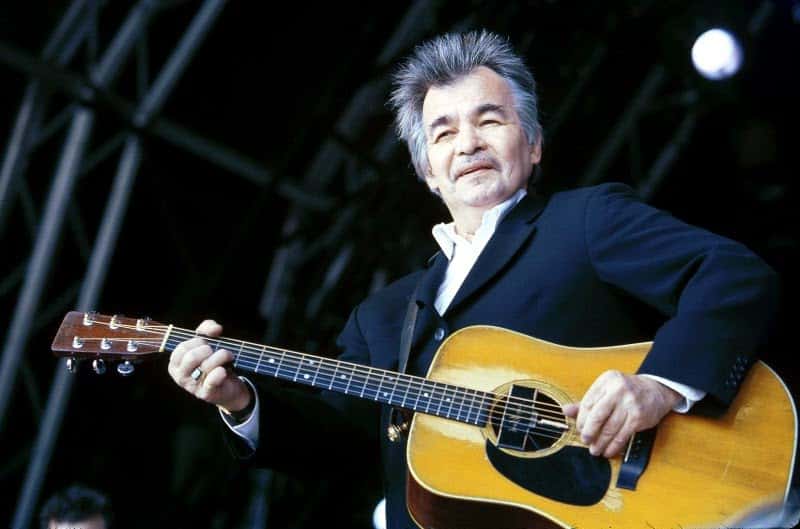
John Prine was an American singer-songwriter known for his witty and poignant lyrics, memorable melodies, and distinctive voice. He was born on October 10, 1946, in Maywood, Illinois, and grew up in the Chicago area. Prine’s music is often described as a blend of folk, country, and Americana, with a storytelling style that resonated with listeners.
Prine began his musical career in the early 1970s, gaining attention for his self-titled debut album, which included songs like “Sam Stone,” “Hello in There,” and “Angel from Montgomery,” all of which would become classics. Prine’s songwriting was praised for its depth, humor, and empathy, with lyrics that often explored the lives of ordinary people facing everyday struggles.
Over the course of his career, Prine released over 18 studio albums and won multiple Grammy Awards. He was known for his engaging live performances and his ability to connect with audiences through his music. Prine’s songs have been covered by numerous artists across genres, highlighting his influence and impact on the music world.
Prine passed away on April 7, 2020, due to complications from COVID-19. He left behind a rich musical legacy and is remembered as one of America’s greatest songwriters.
1. Angel from Montgomery
“Angel from Montgomery” is a song written by John Prine. It was first recorded for his 1971 self-titled debut album. The song is a poignant ballad that tells the story of a middle-aged woman reflecting on her life and dreams while living in a mundane existence in Montgomery, Alabama. The narrator longs for a way to break free from her life and regrets, hoping for a chance to start anew.
“Angel from Montgomery” has been widely acclaimed for its emotional depth and storytelling. The song has been covered by numerous artists across various genres, including Bonnie Raitt, who had a popular rendition of the song on her 1974 album *Streetlights*. Raitt’s version helped introduce the song to a wider audience and became one of her signature songs.
“Angel from Montgomery” is considered one of John Prine’s greatest compositions and has become a classic of Americana music. Its evocative lyrics and haunting melody continue to resonate with listeners, making it a timeless piece in the folk and country music genres.
2. Sam Stone
“Sam Stone” is a song written by John Prine that appears on his 1971 self-titled debut album. The song tells the story of a Vietnam War veteran who returns home with a morphine addiction, struggles to readjust to civilian life, and ultimately succumbs to his addiction. The lyrics are powerful and poignant, addressing themes of war, addiction, and the impact of trauma on individuals and families.
“Sam Stone” is known for its vivid storytelling and emotional depth. The song’s chorus, which repeats the line “There’s a hole in daddy’s arm where all the money goes,” is particularly haunting and has resonated with many listeners. Prine’s empathetic songwriting and understated delivery add to the song’s impact, creating a powerful narrative that sheds light on the often overlooked struggles faced by returning veterans.
“Sam Stone” has been praised for its honesty and compassion, and it has become one of John Prine’s most enduring and influential songs. It has been covered by numerous artists and is considered a classic of the folk and Americana genres.
3. Hello in There
“Hello in There” is a song written by John Prine that appears on his 1971 self-titled debut album. The song is a poignant ballad that tells the story of an elderly couple and explores themes of loneliness, aging, and the passage of time. The lyrics paint a vivid picture of the couple’s life, highlighting their isolation and the lack of connection they feel with the world around them.
“Hello in There” is known for its empathetic and compassionate lyrics, as well as its gentle melody. The song’s chorus, which repeats the line “You know that old trees just grow stronger, and old rivers grow wilder every day,” has become particularly iconic and has resonated with listeners of all ages.
“Hello in There” has been praised for its emotional depth and its ability to capture the universal experience of aging and loneliness. The song has been covered by many artists and is considered one of John Prine’s signature songs. It remains a powerful and moving piece that continues to touch audiences around the world.
4. Paradise
“Paradise” is a song written by John Prine that appears on his 1971 self-titled debut album. The song is a nostalgic look at Prine’s childhood memories of visiting his grandparents in the small town of Paradise, Kentucky. Prine reflects on the changes that have occurred in the town, particularly due to strip mining, which has altered the landscape and destroyed much of the natural beauty of the area.
“Paradise” is known for its evocative lyrics and simple, acoustic melody. The song’s chorus, which repeats the line “Daddy, won’t you take me back to Muhlenberg County, down by the Green River where paradise lay,” has become particularly iconic and has resonated with many listeners who have their own memories of simpler times and places.
“Paradise” has been covered by numerous artists and has become one of John Prine’s most beloved songs. It is considered a classic of the folk and Americana genres and is often cited as one of Prine’s finest compositions. The song’s timeless themes of loss, nostalgia, and environmentalism continue to resonate with audiences today.
5. That’s the Way That the World Goes ‘Round
“That’s the Way That the World Goes ‘Round” is a song written by John Prine that appears on his 1978 album *Bruised Orange*. The song is a lighthearted and humorous take on life’s ups and downs, with lyrics that reflect on the unpredictable nature of the world and the need to take things in stride.
“That’s the Way That the World Goes ‘Round” is known for its catchy melody and playful lyrics. The song’s chorus, which repeats the line “That’s the way that the world goes ’round, you’re up one day, the next you’re down,” has a universal appeal and has resonated with listeners of all ages.
“That’s the Way That the World Goes ‘Round” has been covered by several artists and is considered one of John Prine’s signature songs. It showcases Prine’s wit and storytelling abilities, as well as his knack for capturing life’s quirks and ironies in his music. The song remains a favorite among fans and is often cited as one of Prine’s best works.
6. In Spite of Ourselves
“In Spite of Ourselves” is a song written and originally recorded by John Prine. It was released in 1999 as the title track of his album *In Spite of Ourselves*. The song is a duet with country music artist Iris DeMent and features humorous and slightly risqué lyrics about a couple who, despite their flaws and quirks, love each other deeply.
“In Spite of Ourselves” is known for its catchy melody and witty lyrics. The song’s chorus, which repeats the line “In spite of ourselves, we’ll end up sittin’ on a rainbow,” has a playful and optimistic tone that has resonated with many listeners.
“In Spite of Ourselves” has been praised for its clever wordplay and the chemistry between Prine and DeMent. The song has been covered by several artists and remains a favorite among fans of both artists. It is considered one of John Prine’s signature songs and is often included in his live performances.
7. Christmas in Prison
“Christmas in Prison” is a song written by John Prine that appears on his 1973 album *Sweet Revenge*. The song is a melancholic and bittersweet reflection on spending Christmas in a prison cell, longing for freedom and the company of loved ones.
“Christmas in Prison” is known for its evocative lyrics and simple, acoustic melody. The song’s narrator describes the prison setting during the holiday season, painting a vivid picture of the loneliness and longing that can accompany such an experience. Despite the somber subject matter, the song also contains moments of beauty and hope, as the narrator finds solace in memories of past Christmases and dreams of a brighter future.
“Christmas in Prison” has been praised for its emotional depth and its ability to evoke a strong sense of empathy and compassion in listeners. The song has become a fan favorite and is often included in John Prine’s live performances. It is considered one of Prine’s most poignant and powerful compositions, showcasing his talent for storytelling and his ability to capture complex emotions in his music.
8. Souvenirs
“Souvenirs” is a song written by John Prine and originally released on his 1972 album “Diamonds in the Rough.” The song reflects on memories and keepsakes from the past, symbolized by souvenirs, and the way they can evoke feelings of nostalgia and longing. Prine’s lyrics are reflective and introspective, exploring themes of time, loss, and the passage of life.
“Souvenirs” is known for its poignant lyrics and gentle melody, which create a melancholic and contemplative mood. The song’s chorus, which repeats the line “Memories, they can’t be boughten, they can’t be won at carnivals for free,” has become particularly memorable and resonant with listeners.
“Souvenirs” has been praised for its emotional depth and its ability to evoke a sense of universal experience. The song has been covered by various artists over the years and is considered one of John Prine’s classic compositions. It is often cited as a standout track in Prine’s discography, showcasing his talent for storytelling and his ability to capture complex emotions in his music.
9. All the Best
“All the Best” is a song by John Prine from his 1991 album *The Missing Years*. The song is a lighthearted and witty farewell letter to a former lover, filled with humorous and sarcastic lines. Prine sings about leaving behind various items and memories, wishing the best for his ex-partner in a somewhat sardonic tone.
“All the Best” is known for its clever wordplay and Prine’s distinctive storytelling style. The song’s chorus, which repeats the line “All the best, to you,” has a catchy melody that contrasts with the song’s cynical lyrics, creating an ironic and engaging effect.
“All the Best” has been praised for its humor and Prine’s delivery, which captures the wry humor and resignation of the song’s narrator. It has become a fan favorite and is often included in Prine’s live performances. The song showcases Prine’s ability to blend humor and poignancy in his songwriting, making it a standout track in his catalog.
10. Illegal Smile
“Illegal Smile” is a song by John Prine from his self-titled debut album, released in 1971. The song is known for its whimsical and humorous lyrics, which describe the act of smiling to oneself for no apparent reason, even though it may be perceived as “illegal” or inappropriate.
“Illegal Smile” has been interpreted in various ways, with some seeing it as a song about finding joy and laughter in everyday life, while others interpret it as a tongue-in-cheek reference to drug use, particularly marijuana. Prine himself has stated that the song is about finding happiness in simple things and not taking life too seriously.
“Illegal Smile” has become one of John Prine’s most beloved songs and is often cited as a classic example of his unique songwriting style. The song’s catchy melody and clever lyrics have made it a favorite among fans and a staple of Prine’s live performances.

Edward Tomlin is a frequent contributor to Singers Room. Since 2005, Singersroom has been the voice of R&B around the world. Connect with us via social media below.









