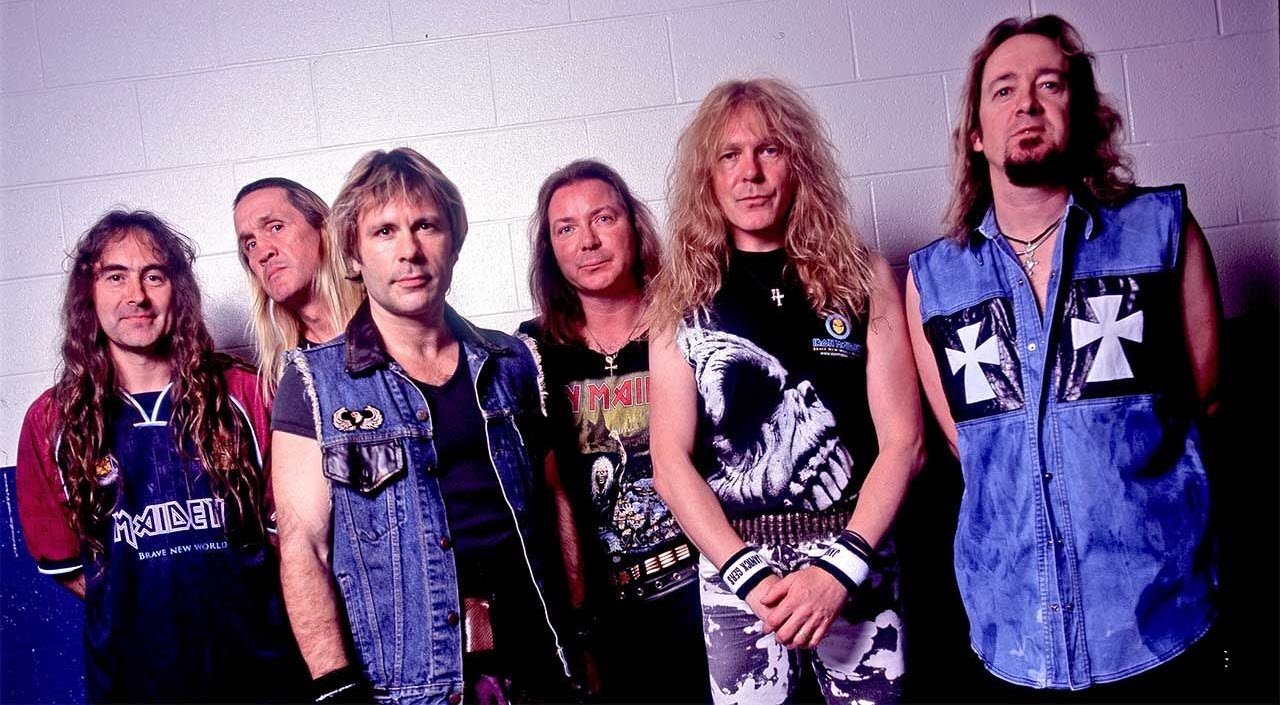
Iron Maiden is a British heavy metal band formed in 1975. They are one of the most influential and successful heavy metal bands in history, known for their elaborate stage shows, powerful sound, and iconic mascot, “Eddie.” The band’s music often features complex instrumentals, powerful vocals, and fantasy-themed lyrics.
Iron Maiden has released numerous albums, including classics like “The Number of the Beast,” “Powerslave,” and “Seventh Son of a Seventh Son.” They are also known for their energetic live performances and have a dedicated global fan base. Over the years, Iron Maiden has maintained a consistent lineup, with founder and bassist Steve Harris being the primary songwriter.
The band’s music often explores themes of war, mythology, history, and literature, setting them apart from many of their contemporaries in the heavy metal genre. Iron Maiden’s influence on heavy metal music and culture is significant, and they continue to be a major force in the genre to this day.
1. Aces High
“Aces High” is a song by Iron Maiden, appearing on their fifth studio album, “Powerslave,” released in 1984. The song is inspired by World War II aerial combat, particularly the Battle of Britain. The lyrics describe the experience of a British RAF pilot engaging in aerial combat against German forces.
“Aces High” is known for its fast tempo, powerful guitar riffs, and energetic vocals by Bruce Dickinson. The song’s chorus, “Run, live to fly, fly to live, do or die,” has become a rallying cry for fans at Iron Maiden concerts. “Aces High” is considered one of Iron Maiden’s classic songs and is often included in their live setlists.
2. Rime Of The Ancient Mariner
“Rime of the Ancient Mariner” is a song by the British heavy metal band Iron Maiden, released in 1984 on their album “Powerslave.” The song is inspired by the epic poem of the same name written by Samuel Taylor Coleridge in 1798.
Iron Maiden’s “Rime of the Ancient Mariner” is an ambitious and epic track, spanning over thirteen minutes in length. The song’s lyrics closely follow the narrative of Coleridge’s poem, telling the story of a mariner who embarks on a perilous journey at sea, facing supernatural forces and consequences for his actions.
Musically, “Rime of the Ancient Mariner” features intricate guitar work, powerful vocals by Bruce Dickinson, and dynamic shifts in tempo and mood that capture the drama and intensity of the poem’s narrative. The song showcases Iron Maiden’s trademark style of combining complex musical arrangements with storytelling lyrics.
“Rime of the Ancient Mariner” has become one of Iron Maiden’s most iconic and beloved songs, celebrated for its ambitious scope, lyrical depth, and masterful musicianship. It remains a fan favorite and a highlight of the band’s live performances, showcasing their ability to create epic and memorable heavy metal anthems.
3. Phantom Of The Opera
“Phantom of the Opera” is a song by Iron Maiden, featured on their self-titled debut album, released in 1980. The song is known for its complex musical structure, featuring multiple tempo changes, intricate guitar solos, and dynamic shifts in intensity.
The lyrics of “Phantom of the Opera” are inspired by the novel of the same name by Gaston Leroux, which tells the story of a mysterious figure who haunts the Paris Opera House. Iron Maiden’s song captures the dramatic and eerie atmosphere of the novel, with Bruce Dickinson’s vocals soaring over the intricate instrumentation.
“Phantom of the Opera” is considered one of Iron Maiden’s early masterpieces and a fan favorite. It has remained a staple of their live performances and is often regarded as one of the standout tracks from their extensive catalog.
4. 2 Minutes To Midnight
“2 Minutes to Midnight” is a song by Iron Maiden, released in 1984 as the lead single from their fifth studio album, “Powerslave.” The song’s lyrics address the Doomsday Clock, which symbolizes the threat of nuclear war, and the tension of living in a world on the brink of destruction.
“2 Minutes to Midnight” is characterized by its powerful guitar riffs, energetic tempo, and Bruce Dickinson’s distinctive vocals. The song’s chorus, “Two minutes to midnight, the hands that threaten doom,” reflects the sense of urgency and impending catastrophe conveyed in the lyrics.
The song was a commercial success for Iron Maiden, reaching the top ten in the UK singles chart and becoming a fan favorite. “2 Minutes to Midnight” remains a popular song in Iron Maiden’s live performances and is often included in their greatest hits compilations.
5. Wasted Years
“Wasted Years” is a song by the British heavy metal band Iron Maiden, released in 1986 on their album “Somewhere in Time.” The song, written by the band’s guitarist Adrian Smith, is one of Iron Maiden’s most popular and enduring tracks.
“Wasted Years” features a driving rhythm, melodic guitar riffs, and powerful vocals by Bruce Dickinson. The song’s lyrics explore themes of regret, reflection, and the passage of time, with the protagonist lamenting the mistakes and missed opportunities of the past.
Musically, “Wasted Years” showcases Iron Maiden’s signature blend of heavy metal and melodic rock, with intricate guitar solos and dynamic shifts in tempo. The song’s anthemic chorus and catchy melody have made it a fan favorite and a staple of the band’s live performances.
“Wasted Years” was a commercial success, reaching the top 20 on the UK Singles Chart and receiving widespread acclaim from fans and critics alike. It remains one of Iron Maiden’s most beloved songs, celebrated for its powerful lyrics, memorable melody, and infectious energy.
6. Seventh Son Of A Seventh Son
“Seventh Son of a Seventh Son” is the title track from Iron Maiden’s seventh studio album, released in 1988. The song is inspired by the folklore surrounding the seventh son of a seventh son, who is believed to have special powers or abilities in some cultures.
The lyrics of the song tell the story of a seventh son who possesses clairvoyant abilities and can see into the future. The song explores themes of prophecy, destiny, and the struggle between good and evil.
Musically, “Seventh Son of a Seventh Son” is notable for its progressive elements, featuring complex arrangements, multiple guitar harmonies, and atmospheric keyboards. The song showcases Iron Maiden’s musical versatility and willingness to experiment with different styles.
“Seventh Son of a Seventh Son” is considered one of Iron Maiden’s epic songs, with its dynamic shifts in tempo and mood. It has become a fan favorite and is often performed live by the band.
7. Powerslave
“Powerslave” is the title track from Iron Maiden’s fifth studio album, released in 1984. Written by the band’s lead vocalist Bruce Dickinson, the song is a powerful and dynamic heavy metal anthem that showcases Iron Maiden’s musical prowess and lyrical depth.
“Powerslave” features a driving rhythm, intricate guitar work, and soaring vocals by Dickinson. The song’s lyrics explore themes of power, tyranny, and the pursuit of freedom, drawing inspiration from ancient Egyptian mythology and imagery.
Musically, “Powerslave” is characterized by its epic scope and dynamic shifts in tempo and mood. The song’s powerful riffs and melodic hooks create a sense of grandeur and intensity, while Dickinson’s commanding vocals add to the song’s dramatic impact.
“Powerslave” has become one of Iron Maiden’s most iconic and beloved songs, celebrated for its epic scale, intricate musicianship, and thought-provoking lyrics. It remains a fan favorite and a highlight of the band’s live performances, showcasing Iron Maiden’s ability to create powerful and memorable heavy metal anthems.
8. The Trooper
“The Trooper” is a song by Iron Maiden, released in 1983 as the second single from their fourth studio album, “Piece of Mind.” The song is inspired by the Charge of the Light Brigade, a famous military action during the Crimean War. The lyrics describe the bravery and valor of a British soldier as he charges into battle, despite facing overwhelming odds.
Musically, “The Trooper” is characterized by its galloping rhythm, powerful guitar riffs, and Bruce Dickinson’s intense vocal delivery. The song’s iconic guitar solo, played by Dave Murray and Adrian Smith, is one of the most famous in Iron Maiden’s catalog.
“The Trooper” has become one of Iron Maiden’s signature songs and is a staple of their live performances. It is often included in their greatest hits compilations and is highly regarded by fans and critics alike for its energy, melody, and historical subject matter.
9. Hallowed Be Thy Name
“Hallowed Be Thy Name” is a monumental song by Iron Maiden, featured on their iconic album “The Number of the Beast,” released in 1982. Written by Steve Harris, the band’s bassist and primary songwriter, the song is widely regarded as one of Iron Maiden’s greatest achievements and a cornerstone of heavy metal music.
“Hallowed Be Thy Name” is an epic, multi-layered composition that showcases Iron Maiden’s trademark blend of powerful riffs, intricate melodies, and dynamic arrangements. Clocking in at over seven minutes, the song takes listeners on a journey through its various sections, building tension and intensity with each verse and chorus.
Lyrically, “Hallowed Be Thy Name” explores themes of mortality, fear, and redemption, drawing inspiration from religious imagery and existential philosophy. The song’s protagonist finds himself facing imminent death and reflects on his life, grappling with the uncertainty of what lies beyond.
With its powerful instrumentation, emotive vocals by Bruce Dickinson, and thought-provoking lyrics, “Hallowed Be Thy Name” has earned universal acclaim from fans and critics alike. It has become a staple of Iron Maiden’s live performances and a defining moment in their illustrious career, solidifying their status as one of heavy metal’s most influential and enduring bands.
10. Fear Of The Dark
“Fear of the Dark” is a song by Iron Maiden, released in 1992 as the title track from their ninth studio album. The song is one of Iron Maiden’s most popular and enduring songs, often cited as a fan favorite.
“Fear of the Dark” is known for its haunting melody, atmospheric guitar work, and introspective lyrics. The song explores the theme of fear, particularly the fear of the unknown and the darkness. The lyrics describe a sense of unease and paranoia, with lines like “Someone’s always there” and “Fear of the dark, fear of the dark, I have a constant fear that something’s always near.”
Musically, “Fear of the Dark” features a memorable guitar riff and a powerful chorus that has become a sing-along anthem at Iron Maiden concerts. The song’s dynamic structure and emotional depth have contributed to its enduring popularity among fans.
“Fear of the Dark” has been a regular part of Iron Maiden’s live setlist and is often played as the final song of their concerts, accompanied by elaborate stage effects and audience participation.

Edward Tomlin is a frequent contributor to Singers Room. Since 2005, Singersroom has been the voice of R&B around the world. Connect with us via social media below.









