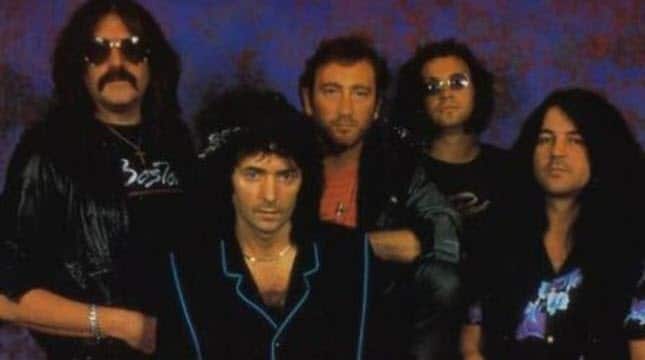
Deep Purple is a legendary British rock band formed in Hertford, England, in 1968. They are widely regarded as pioneers of hard rock and heavy metal music. The band’s classic lineup, known as the Mark II lineup, featured Ian Gillan on vocals, Ritchie Blackmore on guitar, Jon Lord on keyboards, Roger Glover on bass, and Ian Paice on drums. Deep Purple gained fame for hits like “Smoke on the Water,” known for its iconic guitar riff, and “Highway Star.” Their powerful, virtuosic performances and innovative blend of blues, rock, and classical elements have influenced generations of musicians and solidified their place in rock history.
1. Woman From Tokyo
“Woman from Tokyo” is a song by the British rock band Deep Purple. It was released on their 1973 album “Who Do We Think We Are”. The song was written by the band members Ritchie Blackmore, Ian Gillan, Roger Glover, Jon Lord, and Ian Paice. “Woman from Tokyo” is known for its catchy guitar riff, energetic rhythm, and memorable chorus. Lyrically, the song is about the band’s experiences during their tour in Japan and the allure of a mysterious woman from Tokyo. It became one of Deep Purple’s most popular and enduring songs, receiving significant airplay on rock radio stations. “Woman from Tokyo” remains a staple in the band’s live performances and is considered a classic rock anthem.
2. Black Night
“Black Night” is a classic rock song by Deep Purple, released as a single in 1970. The track features a catchy riff and driving rhythm, characteristic of the band’s early hard rock sound. With its energetic groove and memorable chorus, “Black Night” became one of Deep Purple’s signature songs and a staple of their live performances. Lyrically, the song touches on themes of loneliness and longing, with frontman Ian Gillan delivering powerful vocals. “Black Night” remains a fan favorite and a testament to Deep Purple’s enduring influence on the rock music landscape.
3. Hush
“Hush” is a song originally recorded by American musician Billy Joe Royal in 1967. However, it gained widespread popularity when it was covered by British rock band Deep Purple in 1968 for their debut album, “Shades of Deep Purple”. The song was written by Joe South.
Deep Purple’s version of “Hush” is characterized by its distinctive guitar riff, Hammond organ fills, and energetic rhythm. It showcases the band’s early sound, blending elements of rock, pop, and psychedelia. The song’s lyrics depict a man pleading with his lover to keep their relationship secret, urging her to “hush” about their romance.
Deep Purple’s cover of “Hush” became a hit, reaching the top five on the Billboard Hot 100 chart in the United States. It helped propel the band to international fame and remains one of their most recognizable songs. The success of “Hush” played a significant role in establishing Deep Purple as one of the leading rock bands of the late 1960s and early 1970s.
4. Highway Star
“Highway Star” is an iconic rock anthem by Deep Purple, featured on their 1972 album “Machine Head.” Known for its blistering guitar riffs, high-energy tempo, and virtuosic performances, “Highway Star” is often considered one of the greatest driving songs of all time. Guitarist Ritchie Blackmore’s lightning-fast solos, Jon Lord’s mesmerizing keyboard work, and Ian Gillan’s powerful vocals combine to create an electrifying listening experience. Lyrically, the song captures the thrill of the open road, embodying the spirit of freedom and adventure. “Highway Star” remains a staple of classic rock radio and a highlight of Deep Purple’s legendary career.
5. Lazy
“Lazy” is a song by Deep Purple from their 1972 album “Machine Head.” It’s one of the longer tracks on the album, running over seven minutes. The song features a prominent Hammond organ solo by Jon Lord and showcases the band’s signature blend of hard rock and blues elements.
Lyrically, “Lazy” paints a picture of someone who is unmotivated and unwilling to work hard. The song’s protagonist is depicted as lounging around, avoiding responsibility, and preferring to take the easy way out. Despite its laid-back theme, the song itself is anything but lazy, with intricate instrumentation and dynamic shifts in tempo and intensity.
“Lazy” is often praised for its instrumental prowess, particularly Jon Lord’s virtuosic keyboard work. It has become a fan favorite and a staple of Deep Purple’s live performances over the years, showcasing the band’s improvisational skills and musicianship.
6. Perfect Strangers
“Perfect Strangers” is a hit song by Deep Purple, released in 1984 as the title track of their album of the same name. The song marked the reunion of Deep Purple’s classic Mark II lineup after an eight-year hiatus, featuring Ian Gillan on vocals, Ritchie Blackmore on guitar, Jon Lord on keyboards, Roger Glover on bass, and Ian Paice on drums. “Perfect Strangers” is characterized by its powerful riff, soaring vocals, and atmospheric keyboard melodies, showcasing the band’s trademark sound. The lyrics explore themes of reunion and rediscovery, reflecting on the passage of time and the bonds of friendship. “Perfect Strangers” remains a fan favorite and a testament to Deep Purple’s enduring legacy in rock music.
7. Space Truckin’
“Space Truckin'” is a rock song by Deep Purple, featured on their 1972 album “Machine Head.” The track is known for its energetic tempo, infectious groove, and adventurous lyrics, which evoke imagery of interstellar travel and cosmic exploration. With its driving rhythm and electrifying guitar solos by Ritchie Blackmore, “Space Truckin'” captures the essence of 1970s hard rock. The song became a fan favorite and a staple of Deep Purple’s live performances, showcasing the band’s improvisational prowess and dynamic stage presence. “Space Truckin'” remains a beloved classic in rock music, celebrated for its infectious energy and imaginative storytelling.
8. Rat Bat Blue
“Rat Bat Blue” is a blues-infused rock song by Deep Purple, appearing on their 1973 album “Who Do We Think We Are.” The track showcases the band’s ability to blend blues elements with their signature hard rock sound. Featuring Ritchie Blackmore’s gritty guitar riffs, Jon Lord’s soulful keyboard work, and Ian Gillan’s impassioned vocals, “Rat Bat Blue” exudes a raw and emotive energy. Lyrically, the song explores themes of frustration and disillusionment, with Gillan’s lyrics painting a vivid picture of urban decay and societal unrest. Despite being lesser-known compared to some of Deep Purple’s other hits, “Rat Bat Blue” remains a hidden gem in their discography, appreciated by fans for its bluesy charm and musical craftsmanship.
9. Smoke on the Water
“Smoke on the Water” is one of the most iconic rock songs of all time, recorded by Deep Purple and released on their 1972 album “Machine Head”. The song is instantly recognizable by its iconic guitar riff, composed by Ritchie Blackmore.
The lyrics of “Smoke on the Water” recount an actual event: the burning down of the Montreux Casino in Switzerland during a Frank Zappa concert in December 1971. The casino fire was caused by a fan firing a flare gun, which ignited the casino’s roof. The phrase “Smoke on the water” refers to the smoke billowing from the burning casino and reflecting on Lake Geneva.
Aside from its memorable riff, the song is also known for its straightforward structure and powerful, bluesy rock sound. It’s often considered one of the greatest guitar songs ever recorded and has been covered by countless artists across various genres.
“Smoke on the Water” has endured as a classic rock anthem and remains a staple of rock radio playlists. Its influence on rock music is undeniable, and it continues to inspire generations of musicians with its timeless riff and energetic spirit.
10. Fireball
“Fireball” is a song by the British rock band Deep Purple, released as the title track and the first single from their fifth studio album, “Fireball,” in 1971. It was written by the members of Deep Purple: Ritchie Blackmore, Ian Gillan, Roger Glover, Jon Lord, and Ian Paice.
“Fireball” is known for its fast-paced tempo, driven by a relentless rhythm section and Ritchie Blackmore’s fiery guitar work. The song’s lyrics evoke a sense of speed and excitement, with references to racing and burning rubber. The title “Fireball” itself suggests intensity and energy, reflecting the song’s dynamic nature.
Upon its release, “Fireball” achieved commercial success, reaching the top 10 in several countries, including the UK. It solidified Deep Purple’s reputation as one of the leading bands in the hard rock and heavy metal genres of the era.
“Fireball” remains a fan favorite and a staple in Deep Purple’s live performances. Its energetic vibe and powerful instrumentation continue to resonate with audiences, making it one of the standout tracks in the band’s extensive catalog.

Edward Tomlin is a frequent contributor to Singers Room. Since 2005, Singersroom has been the voice of R&B around the world. Connect with us via social media below.









