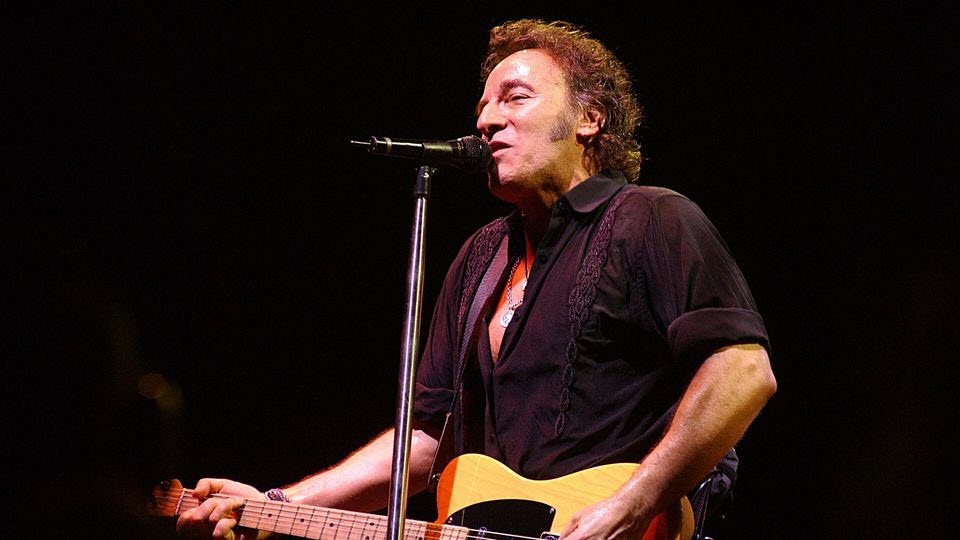
Bruce Springsteen, known as “The Boss,” is an iconic American singer-songwriter and musician, renowned for his evocative storytelling and energetic stage performances. Emerging in the 1970s, Springsteen’s music, characterized by its heartland rock style and themes of working-class struggles, resonates deeply with a broad audience. His breakthrough album, “Born to Run,” cemented his status, while subsequent albums like “Born in the U.S.A.” and “The River” solidified his legacy. Springsteen’s lyrics often reflect the American experience, blending hope and hardship. Beyond music, his influence extends to social activism, making him a prominent cultural figure.
1. Born in the USA
“Born in the U.S.A.” is Bruce Springsteen’s seventh studio album, released on June 4, 1984. It stands as one of his most commercially successful and critically acclaimed works. The album features a rock-driven sound and poignant lyrics that explore the complexities of American life, particularly the struggles of working-class individuals. Its title track, often misinterpreted as a patriotic anthem, actually critiques the treatment of Vietnam War veterans. Other notable songs include “Dancing in the Dark,” “Glory Days,” and “I’m on Fire.” The album’s robust sound and compelling narratives helped cement Springsteen’s status as a leading figure in rock music.
2. The Rising
“The Rising” is a poignant album by Bruce Springsteen, released in 2002. It captures the emotional aftermath of the September 11 attacks, offering a mix of sorrow, resilience, and hope. The title track, “The Rising,” stands out with its narrative of a firefighter ascending a burning tower, embodying themes of bravery and sacrifice. Springsteen’s lyrical storytelling, combined with the E Street Band’s powerful instrumentation, creates a deeply moving experience. The album, acclaimed for its heartfelt reflection on tragedy and recovery, underscores Springsteen’s ability to connect with listeners through compelling, socially relevant music.
3. Born To Run
“Born to Run,” released in 1975, is Bruce Springsteen’s seminal album that catapulted him to fame. This iconic record captures the restless spirit of youth and the longing for freedom. The title track, “Born to Run,” is an anthem of escape and aspiration, driven by a powerful blend of rock and roll energy and vivid lyrical imagery. Songs like “Thunder Road” and “Jungleland” showcase Springsteen’s storytelling prowess and the E Street Band’s dynamic musicianship. Widely acclaimed, “Born to Run” solidified Springsteen’s reputation as a quintessential American rock artist, resonating deeply with generations of listeners.
4. Thunder Road
“Thunder Road” is a song by Bruce Springsteen, serving as the opening track on his 1975 album “Born to Run.” Widely regarded as one of his greatest songs, it captures the spirit of youthful aspiration and escape. The song features vivid, cinematic lyrics that tell the story of a young couple dreaming of a better life beyond their small-town confines. Musically, it blends rock and folk influences, beginning with a gentle harmonica and piano introduction before building to a powerful, full-band crescendo. “Thunder Road” showcases Springsteen’s talent for storytelling and his ability to evoke emotion and imagery through music.
5. Badlands
“Badlands” is a song by Bruce Springsteen, released as the opening track on his 1978 album “Darkness on the Edge of Town.” It is one of Springsteen’s most iconic songs, known for its driving beat, passionate vocals, and defiant lyrics. The song addresses themes of resilience, determination, and the struggle to achieve a better life despite facing adversity. With its anthemic chorus and powerful instrumentation, “Badlands” encapsulates the album’s darker, more introspective tone compared to his previous work. The song has become a staple in Springsteen’s live performances, resonating deeply with fans for its message of hope and perseverance.
6. The River
“The River” is a song by Bruce Springsteen, released as the title track of his 1980 double album. It is a poignant narrative about the harsh realities of working-class life and the fading of youthful dreams. The song tells the story of a young couple grappling with economic hardship and unfulfilled promises, symbolized by the recurring image of the river. Musically, “The River” features a somber yet melodic arrangement, with harmonica and acoustic guitar creating a reflective atmosphere. The song’s evocative storytelling and emotional depth have made it one of Springsteen’s most enduring and beloved tracks, highlighting his skill as a chronicler of everyday struggles.
7. Darkness on the Edge of Town
“Darkness on the Edge of Town,” released in 1978, is a profound album by Bruce Springsteen that explores themes of struggle, resilience, and the quest for redemption. Following the success of “Born to Run,” this album delves into more somber and introspective territory. Songs like “Badlands” and “The Promised Land” highlight Springsteen’s gritty vocals and compelling lyricism, reflecting the working-class challenges and dreams. The haunting title track, “Darkness on the Edge of Town,” encapsulates a sense of unresolved longing and determination. Praised for its raw honesty and emotional depth, the album stands as a testament to Springsteen’s artistry and connection to the American experience.
8. Lucky Town
“Lucky Town” is an album by Bruce Springsteen, released on March 31, 1992, simultaneously with his “Human Touch” album. This tenth studio album marks a shift toward a more personal and introspective style, reflecting Springsteen’s experiences and thoughts during a period of significant change in his life. The album’s sound blends rock with elements of folk and heartland rock. Key tracks include the upbeat title song “Lucky Town,” which celebrates resilience and renewal, “Better Days,” which acknowledges personal struggles and growth, and “If I Should Fall Behind,” a poignant ballad about loyalty and commitment. “Lucky Town” showcases Springsteen’s ability to craft deeply personal yet universally resonant songs.
9. Streets of Philadelphia
“Streets of Philadelphia” is a poignant song by Bruce Springsteen, released in 1994 as part of the soundtrack for the film *Philadelphia*. The song addresses themes of isolation, loss, and resilience in the face of the AIDS crisis. With its haunting melody and somber lyrics, it reflects the protagonist’s struggle and search for dignity. Springsteen’s understated vocal delivery and the melancholic instrumental backdrop create a powerful emotional impact. “Streets of Philadelphia” earned widespread acclaim, winning an Academy Award for Best Original Song and four Grammy Awards, solidifying its place as a significant and moving piece in Springsteen’s catalog.
10. Racing in the Street
“Racing in the Street” is a haunting and evocative song by Bruce Springsteen, featured on his 1978 album *Darkness on the Edge of Town*. The song tells the story of a man who finds solace in street racing amidst the hardships of his daily life. With its poignant piano melody and introspective lyrics, it delves into themes of escape, disillusionment, and the search for meaning. Springsteen’s storytelling prowess shines through as he paints a vivid picture of the protagonist’s struggles and desires. “Racing in the Street” is celebrated for its emotional depth and stands as a testament to Springsteen’s ability to capture the complexities of the human experience.

Edward Tomlin is a frequent contributor to Singers Room. Since 2005, Singersroom has been the voice of R&B around the world. Connect with us via social media below.









