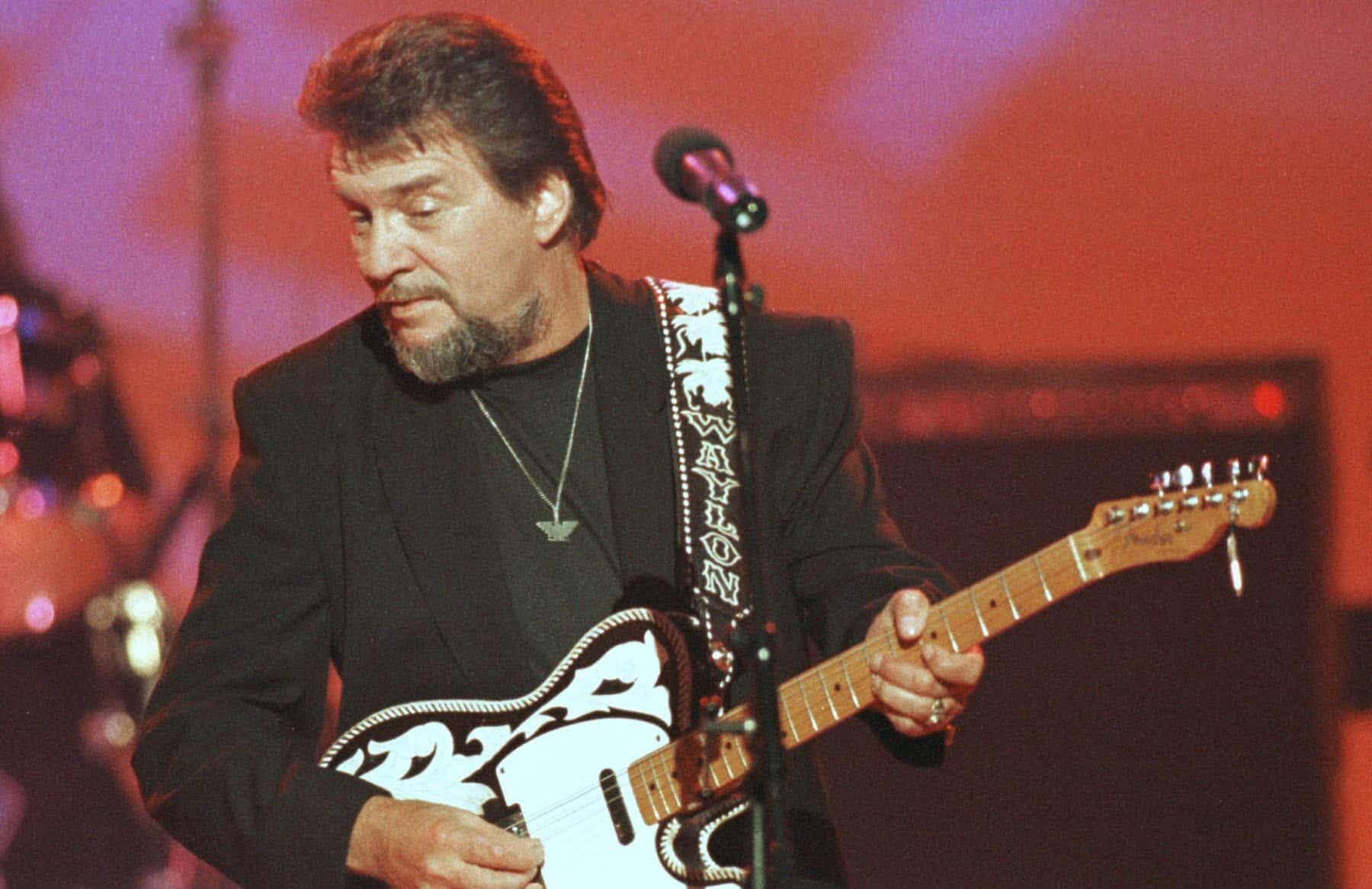
Waylon Jennings was an iconic American country music singer, songwriter, and musician, born on June 15, 1937, in Littlefield, Texas, and passing away on February 13, 2002. He is often credited as one of the pioneers of the outlaw country movement, a subgenre of country music that rebelled against the polished Nashville sound of the time.
Jennings began his music career in the late 1950s as a bass player for Buddy Holly, famously giving up his seat on the ill-fated flight that took Holly’s life in 1959. He then went on to establish himself as a solo artist in the 1960s, releasing a string of albums and singles that garnered moderate success.
However, it was in the 1970s that Jennings truly came into his own as an artist. He embraced a rebellious image and sound, characterized by a rough-edged, rock-influenced style that defied the conventions of mainstream country music. Hits like “Lonesome, On’ry and Mean,” “Honky Tonk Heroes,” and “Are You Sure Hank Done It This Way” cemented his reputation as an outlaw country pioneer.
Jennings’ career soared throughout the 1970s and 1980s, producing numerous chart-topping albums and singles, as well as collaborations with other country music legends like Willie Nelson, Johnny Cash, and Kris Kristofferson as part of the supergroup The Highwaymen.
Beyond his music, Jennings was known for his distinctive appearance, often sporting a black cowboy hat and leather vest, as well as his rebellious attitude and outspokenness. He remained a beloved figure in country music until his passing, leaving behind a lasting legacy as one of the genre’s most influential and enduring artists.
1. Good Hearted Woman
“Good Hearted Woman” is a classic country song originally performed by Waylon Jennings, with Willie Nelson providing harmony vocals. Released in 1972 as the title track of Jennings’ album, the song became one of his signature tunes and a staple of country music. It tells the story of a man who appreciates the simple joys and virtues of life, particularly the love and loyalty of a good-hearted woman. The song’s lyrics paint a vivid picture of a relationship built on mutual respect and understanding, with the protagonist acknowledging his partner’s unwavering support and devotion. Musically, “Good Hearted Woman” features a catchy melody, twangy guitar licks, and Jennings’ distinctive baritone vocals, which perfectly capture the song’s sentiment. Over the years, the song has been covered by numerous artists and remains a beloved classic in the country music canon, celebrated for its timeless themes of love, loyalty, and appreciation for life’s blessings.
2. Luckenbach, Texas (Back to the Basics of Love)
“Luckenbach, Texas (Back to the Basics of Love)” is a classic country song performed by Waylon Jennings, with background vocals by Willie Nelson. Released in 1977 as the title track of Jennings’ album, the song became one of his most well-known hits and a staple of country music. “Luckenbach, Texas” paints a nostalgic picture of a small town where simplicity and authenticity reign supreme, contrasting it with the hustle and bustle of modern life. The lyrics evoke a sense of longing for a return to a simpler way of living, emphasizing the importance of love, friendship, and genuine human connection. Musically, the song features a laid-back, mid-tempo groove, with Jennings’ distinctive vocals and Nelson’s harmonies perfectly complementing each other. “Luckenbach, Texas” has since become a country music anthem, celebrated for its timeless appeal and its portrayal of traditional values in an increasingly fast-paced world.
3. Mammas Don’t Let Your Babies Grow Up to Be Cowboys
“Mammas Don’t Let Your Babies Grow Up to Be Cowboys” is a classic country song originally performed by Ed Bruce and later popularized as a duet by Waylon Jennings and Willie Nelson. Released in 1978, the song became a major hit on the country music charts and has since become a timeless anthem in the genre. The song’s lyrics offer a humorous yet heartfelt warning to mothers, advising them to steer their children away from the rugged and often tumultuous lifestyle of a cowboy. Instead, it suggests alternative career paths that might offer a more stable and fulfilling future. Despite its cautionary message, the song also romanticizes the cowboy way of life, acknowledging its allure and appeal. Musically, “Mammas Don’t Let Your Babies Grow Up to Be Cowboys” features a catchy melody, twangy guitar riffs, and the distinctive vocal harmonies of Jennings and Nelson. The song’s combination of humor, sincerity, and nostalgia has made it a beloved classic in the country music canon, resonating with audiences for generations.
4. I’m a Ramblin’ Man
“I’m a Ramblin’ Man” is a classic country song performed by the iconic Waylon Jennings, released in 1974 as the title track of his album of the same name. The song is characterized by its upbeat tempo, twangy guitar riffs, and Jennings’ distinctively rich and rugged voice.
In “I’m a Ramblin’ Man,” Jennings portrays a restless and free-spirited character who lives life on the road, moving from town to town and embracing the freedom of the open highway. The song’s lyrics celebrate the nomadic lifestyle, with the protagonist proudly proclaiming his independence and love for the open road.
Musically, “I’m a Ramblin’ Man” embodies the traditional sound of outlaw country, with its driving rhythm and catchy melody. Jennings’ effortless delivery and charismatic performance add depth and authenticity to the song, making it a timeless classic in the country music genre.
The song’s popularity helped solidify Waylon Jennings’ status as one of the leading figures in outlaw country music, alongside artists like Willie Nelson, Johnny Cash, and Merle Haggard. “I’m a Ramblin’ Man” remains a fan favorite and a staple of Jennings’ live performances, celebrated for its infectious energy and relatable themes of wanderlust and freedom.
5. Are You Sure Hank Done It This Way
“Are You Sure Hank Done It This Way” is a classic country song performed by the legendary Waylon Jennings, released in 1975 as part of his album “Dreaming My Dreams.” The song is characterized by its gritty vocals, twangy guitar licks, and introspective lyrics.
In “Are You Sure Hank Done It This Way,” Jennings reflects on the changing landscape of country music and the evolution of the genre. The song’s lyrics question whether the traditional sound and values of country music, embodied by artists like Hank Williams, are being lost in favor of commercialism and conformity.
Musically, “Are You Sure Hank Done It This Way” captures the raw energy and rebellious spirit of outlaw country, with Jennings’ distinctive voice and edgy guitar work driving the song forward. The track’s laid-back groove and catchy melody make it a standout in Jennings’ discography, resonating with listeners who appreciate its authenticity and honesty.
The song’s critical commentary on the state of country music struck a chord with audiences and cemented Waylon Jennings’ reputation as a trailblazer in the genre. “Are You Sure Hank Done It This Way” remains a timeless classic and a testament to Jennings’ enduring impact on the world of country music.
6. I’ve Always Been Crazy
“I’ve Always Been Crazy” is a country song performed by Waylon Jennings. Released in 1978 as the title track of his album, the song became one of his signature tunes and a staple of his live performances. The lyrics express Jennings’ rebellious spirit and independent nature, as he defiantly embraces his unconventional lifestyle and refuses to conform to societal norms. The song’s driving beat and gritty guitar riffs reflect Jennings’ outlaw country sound, while his emotive vocals convey a sense of authenticity and conviction. “I’ve Always Been Crazy” resonated with audiences who admired Jennings’ unapologetic attitude and celebrated his status as a pioneer of the outlaw country movement. Over the years, the song has remained a favorite among country music fans and has cemented its place as a classic in the genre.
7. Don’t You Think This Outlaw Bit’s Done Got Out of Hand
“Don’t You Think This Outlaw Bit’s Done Got Out of Hand” is a notable country song by Waylon Jennings, released in 1978 as part of his album “I’ve Always Been Crazy.” The song reflects on the outlaw country movement and its consequences, questioning the direction the movement has taken.
In “Don’t You Think This Outlaw Bit’s Done Got Out of Hand,” Jennings expresses concerns about the excesses and extremes associated with the outlaw image in country music. The lyrics suggest that the rebellious spirit of the outlaw movement has become distorted and sensationalized, leading to negative consequences for both the artists and the genre as a whole.
Musically, the song features Jennings’ trademark gritty vocals and raw instrumentation, with twangy guitars and driving rhythms that capture the essence of outlaw country. The track’s infectious melody and catchy hooks make it a standout in Jennings’ catalog, showcasing his talent for blending traditional country with a modern edge.
“Don’t You Think This Outlaw Bit’s Done Got Out of Hand” resonated with audiences and critics alike, reflecting the growing disillusionment with the outlaw country movement in the late 1970s. The song remains a poignant commentary on the complexities of fame, identity, and artistic integrity, solidifying Waylon Jennings’ legacy as a pioneering figure in country music.
8. Honky Tonk Heroes
“Honky Tonk Heroes” is a song written by Billy Joe Shaver and performed by Waylon Jennings. Released in 1973 as the title track of Jennings’ album, the song is considered one of the defining tracks of the outlaw country genre. “Honky Tonk Heroes” pays homage to the hard-living, rough-around-the-edges characters who frequent honky-tonk bars, celebrating their resilience and rebellious spirit. The lyrics paint a vivid picture of a gritty and colorful world filled with love, heartache, and whiskey-fueled escapades. Musically, the song features a driving rhythm, twangy guitar riffs, and Jennings’ distinctive vocals, which perfectly capture the song’s rugged and authentic feel. “Honky Tonk Heroes” became a signature tune for Jennings and has since become a classic in the country music canon, revered for its raw energy and timeless appeal.
9. Only Daddy That’ll Walk the Line
“Only Daddy That’ll Walk the Line” is a classic country song by Waylon Jennings, released in 1968 as a single from his album “Only the Greatest.” The song is characterized by its driving rhythm, twangy guitar riffs, and Jennings’ distinctive vocal delivery.
In “Only Daddy That’ll Walk the Line,” Jennings portrays a defiant and independent character who refuses to conform to societal norms or expectations. The lyrics depict a man who is unapologetically himself, walking his own path and living life on his own terms.
Musically, the song embodies the traditional sound of outlaw country, with its gritty vocals and raw instrumentation. Jennings’ powerful voice and charismatic performance add depth and authenticity to the song, making it a standout in his extensive discography.
“Only Daddy That’ll Walk the Line” became one of Waylon Jennings’ signature songs and a fan favorite at his live performances. Its rebellious spirit and infectious energy resonated with audiences, earning Jennings widespread acclaim and establishing him as a leading figure in the outlaw country movement.
Decades after its release, “Only Daddy That’ll Walk the Line” remains a beloved classic in the world of country music, celebrated for its timeless appeal and enduring influence on the genre.
10. Amanda
“Amanda” is a country song written by Bob McDill and performed by Waylon Jennings. Released in 1979 as a single from his album “Greatest Hits,” the song became one of Jennings’ most successful and enduring hits. “Amanda” is a heartfelt ballad that tells the story of a man who realizes the depth of his love for a woman named Amanda. The lyrics express his longing for her and his desire to be with her, despite the challenges and obstacles they may face. Musically, the song features a gentle melody, soulful vocals from Jennings, and lush instrumentation that includes strings and piano. “Amanda” struck a chord with listeners, becoming a wedding and anniversary favorite and earning Jennings a Grammy Award for Best Country Vocal Performance, Male, in 1980. The song remains a beloved classic in the country music genre and a testament to Jennings’ talent as both a singer and interpreter of songs.

Edward Tomlin is a frequent contributor to Singers Room. Since 2005, Singersroom has been the voice of R&B around the world. Connect with us via social media below.









