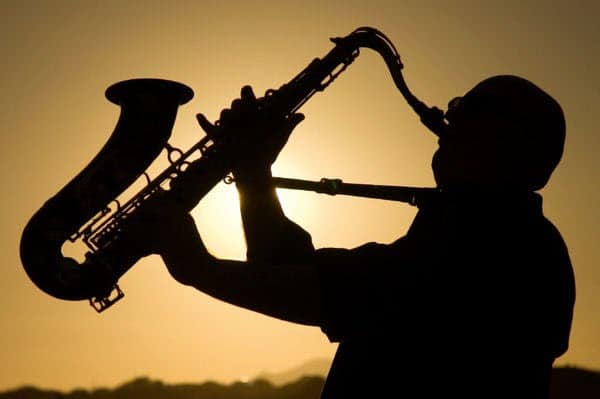
Saxophone players are musicians who specialize in playing the saxophone, a versatile woodwind instrument with a distinctive sound. Saxophone players are known for their ability to produce a wide range of tones, from smooth and mellow to bright and piercing, making the saxophone a popular choice in various musical genres, including jazz, classical, blues, and pop.
Saxophone players are skilled in techniques such as vibrato, trills, and glissandos, which allow them to add expressiveness and emotion to their playing. They often play a lead role in ensembles, but they also excel in solo performances, showcasing their technical prowess and musicality.
Saxophone players come from diverse backgrounds and play styles, ranging from the soulful and lyrical to the energetic and virtuosic. They continue to push the boundaries of the instrument, exploring new sounds and styles, and their contributions to music are celebrated by audiences around the world.
1. Coleman Hawkins
Coleman Hawkins, born in 1904 in Missouri, was an influential American jazz tenor saxophonist. Considered one of the greatest jazz musicians of the 20th century, Hawkins played a crucial role in the development of the saxophone as a solo instrument in jazz. His innovative approach to improvisation and his rich, full-bodied tone set a new standard for the tenor saxophone.
Hawkins was a pioneer of the bebop and hard bop styles, and his recordings, such as “Body and Soul” and “Coleman Hawkins Encounters Ben Webster,” are regarded as classics. Hawkins’ virtuosic playing and expressive style continue to inspire saxophonists and jazz musicians to this day.
2. Stan Getz
Stan Getz, born in 1927 in Pennsylvania, was an influential American jazz saxophonist known for his lush, lyrical tone and melodic improvisation. He was one of the most renowned tenor saxophonists in jazz, with a career spanning over five decades.
Getz’s sound was heavily influenced by the cool jazz movement, and he became known for his smooth, laid-back style. His collaborations with artists like João Gilberto on the landmark album “Getz/Gilberto,” featuring the hit “The Girl from Ipanema,” helped popularize bossa nova in the United States.
Getz’s technical mastery and emotional depth made him a standout in the jazz world, and his recordings continue to be cherished by fans of jazz and music lovers alike.
3. Charlie Parker
Charlie Parker, also known as “Bird,” was an iconic American jazz saxophonist and composer born in 1920. He was a central figure in the development of bebop, a form of jazz characterized by fast tempos, virtuosic improvisation, and advanced harmonies.
Parker’s innovative approach to melody, rhythm, and harmony revolutionized jazz and influenced generations of musicians. His recordings, such as “Ko-Ko,” “Confirmation,” and “Yardbird Suite,” are celebrated for their complexity and creativity.
Despite personal struggles, including drug addiction and health issues, Parker’s musical genius remained unparalleled. His legacy as one of the greatest jazz musicians of all time is secure, and his impact on the genre continues to be felt to this day.
4. John Coltrane
John Coltrane, born on September 23, 1926, in Hamlet, North Carolina, was a towering figure in jazz music, revered for his groundbreaking contributions as a saxophonist, composer, and bandleader. Coltrane’s innovative improvisational style and harmonic explorations pushed the boundaries of jazz and expanded its possibilities. His albums like “A Love Supreme,” “Giant Steps,” and “My Favorite Things” are considered masterpieces, showcasing his virtuosity and spiritual depth. Coltrane’s “sheets of sound” technique and his later avant-garde experiments profoundly influenced generations of musicians. Even after his untimely death in 1967, his impact on jazz and music as a whole remains immeasurable, solidifying his status as one of the greatest musicians of the 20th century.
5. Sonny Rollins
Sonny Rollins, born Theodore Walter Rollins on September 7, 1930, in New York City, is a towering figure in the world of jazz music. Renowned for his powerful tenor saxophone sound, innovative improvisation, and prolific output, Rollins has left an indelible mark on the jazz landscape. With a career spanning over seven decades, he has released numerous critically acclaimed albums and collaborated with jazz luminaries like Miles Davis, Thelonious Monk, and Max Roach. Rollins’ compositions and performances, characterized by their rhythmic complexity and melodic inventiveness, have earned him multiple Grammy Awards and the admiration of musicians and jazz enthusiasts worldwide. His enduring legacy as a jazz icon continues to inspire new generations of musicians.
6. Ornette Coleman
Ornette Coleman, born in 1930 in Texas, was a pioneering American jazz saxophonist, violinist, trumpeter, and composer. He was one of the major innovators of the free jazz movement in the 1960s, challenging traditional jazz conventions with his unconventional approach to melody, harmony, and rhythm.
Coleman’s music was characterized by its lack of predetermined chord changes and structures, allowing for greater freedom and spontaneity in improvisation. His album “The Shape of Jazz to Come” is considered a landmark in jazz history, showcasing his unique vision and avant-garde sensibilities.
Despite facing criticism and controversy, Coleman’s influence on jazz and experimental music was profound, and he remains a highly influential figure in the world of music.
7. Cannonball Adderley
Cannonball Adderley, born Julian Edwin Adderley in 1928, was an American jazz alto saxophonist known for his soulful playing and charismatic personality. He was a prominent figure in the hard bop style of jazz, combining elements of blues, gospel, and R&B into his music.
Adderley rose to fame in the late 1950s and 1960s, primarily through his work with his own band, the Cannonball Adderley Quintet, which featured his brother, Nat Adderley, on cornet. The quintet’s albums, such as “Somethin’ Else” and “Mercy, Mercy, Mercy! Live at ‘The Club'”, are considered classics of the genre.
Adderley’s expressive playing and dynamic stage presence made him a beloved figure in jazz, and his influence can still be heard in the music of countless saxophonists today.
8. Gerry Mulligan
Gerry Mulligan, born Gerald Joseph Mulligan on April 6, 1927, in Queens, New York City, was a pioneering figure in jazz as a baritone saxophonist, composer, arranger, and bandleader. Mulligan emerged as a prominent figure in the 1950s West Coast jazz scene, known for his distinctive sound, lyrical improvisation, and cool aesthetic. His piano-less quartet with Chet Baker became iconic, producing influential recordings like “Bernie’s Tune” and “My Funny Valentine.” Mulligan’s innovative approach to arranging and composing, exemplified in works like “Jeru” and “Line for Lyons,” helped shape the development of modern jazz. His contributions to jazz as a performer and innovator have left an enduring legacy, inspiring musicians across generations.
9. Wayne Shorter
Wayne Shorter, born in 1933 in Newark, New Jersey, is an acclaimed American jazz saxophonist and composer. He is considered one of the greatest living jazz composers, known for his innovative approach to composition and improvisation.
Shorter rose to fame in the 1960s as a member of Art Blakey’s Jazz Messengers and later joined Miles Davis’s Second Great Quintet, where he made significant contributions to the development of modal jazz and post-bop. He is also known for his work as a co-founder of the influential jazz fusion band Weather Report.
Shorter’s compositions are characterized by their complex harmonic structures, lyrical melodies, and adventurous spirit. His contributions to jazz have earned him numerous accolades, including multiple Grammy Awards and a Kennedy Center Honor. Wayne Shorter continues to inspire musicians and audiences worldwide with his innovative music.
10. Paul Desmond
Paul Desmond, born Paul Emil Breitenfeld in 1924, was an influential American jazz alto saxophonist and composer best known for his work with the Dave Brubeck Quartet. Desmond’s cool, melodic style and lyrical improvisations made him one of the most distinctive saxophonists in jazz.
Desmond’s most famous composition is “Take Five,” a jazz standard that became a signature piece for the Dave Brubeck Quartet. His smooth, understated approach to playing the alto saxophone set him apart from his contemporaries and earned him a dedicated following.
Desmond’s contributions to jazz continue to be celebrated, and his music remains popular with jazz enthusiasts around the world. He is remembered not only for his technical prowess but also for his unique musical voice and lyrical expression.
11. Dexter Gordon
Dexter Gordon, born in 1923 in Los Angeles, California, was a pioneering American jazz tenor saxophonist known for his big, warm tone and sophisticated improvisational style. He was one of the first tenor players to adapt the bebop style to the tenor saxophone, and his playing was deeply rooted in the blues.
Gordon’s career spanned over four decades, during which he recorded numerous albums and collaborated with many jazz greats, including Lionel Hampton, Charlie Parker, and Bud Powell. He also had a successful career as an actor, appearing in several films, most notably “Round Midnight,” for which he received an Academy Award nomination for Best Actor.
Gordon’s music continues to inspire saxophonists and jazz musicians around the world, and he is remembered as one of the greatest tenor saxophonists in the history of jazz.
12. Sonny Stitt
Sonny Stitt, born Edward Hammond Boatner Jr. in 1924, was an American jazz saxophonist of the bebop/hard bop idiom. Known for his dazzling speed and technical proficiency on both the alto and tenor saxophones, Stitt was a prolific recording artist and performer.
Stitt’s style was heavily influenced by Charlie Parker, and he was often criticized for sounding too similar to Parker. However, Stitt developed his own sound over time, characterized by a bluesy, soulful approach and a remarkable command of the instrument.
Throughout his career, Stitt recorded over 100 albums as a leader and sideman, leaving behind a vast and impressive body of work. His contributions to jazz are significant, and he is regarded as one of the greatest saxophonists in the history of the genre.
13. Lester Young
Lester Young, born Lester Willis Young on August 27, 1909, in Woodville, Mississippi, was a pioneering tenor saxophonist and one of the most influential figures in the history of jazz. Known for his smooth and relaxed playing style, Young’s improvisational approach and unique tone set him apart from his contemporaries. As a key member of the Count Basie Orchestra in the 1930s, Young helped define the sound of swing-era jazz with his innovative phrasing and melodic sensibility. His recordings as a bandleader and sideman, such as “Lester Leaps In” and “Sometimes I’m Happy,” remain classics of the jazz canon. Young’s legacy as a visionary musician and cultural icon continues to resonate, inspiring generations of jazz artists.
14. Michael Brecker
Michael Brecker, born in 1949 in Philadelphia, Pennsylvania, was an influential American jazz saxophonist and composer. He was known for his unparalleled command of the saxophone, particularly the tenor saxophone, and his innovative approach to improvisation.
Brecker rose to prominence in the 1970s and 1980s, becoming one of the most sought-after session and studio musicians in jazz and popular music. He was a member of the jazz fusion band Steps Ahead and collaborated with a wide range of artists, including Herbie Hancock, Pat Metheny, and Joni Mitchell.
Brecker’s playing was characterized by its technical virtuosity, harmonic sophistication, and emotional depth. He won numerous Grammy Awards throughout his career and is considered one of the greatest tenor saxophonists in the history of jazz. His influence on the instrument and on contemporary jazz music continues to be felt to this day.
15. Sidney Bechet
Sidney Bechet, born in 1897 in New Orleans, Louisiana, was a pioneering American jazz saxophonist, clarinetist, and composer. He was one of the first notable jazz soloists and is considered one of the greatest clarinetists in the history of jazz.
Bechet’s style was characterized by its expressive, bluesy sound and innovative use of vibrato. He was known for his virtuosic technique and improvisational skills, which made him a standout in the early jazz scene.
Bechet’s influence on jazz was profound, and he helped popularize the use of the saxophone in jazz music. He toured Europe extensively and recorded numerous albums, leaving behind a rich legacy of recordings that continue to inspire jazz musicians to this day.

Edward Tomlin is a frequent contributor to Singers Room. Since 2005, Singersroom has been the voice of R&B around the world. Connect with us via social media below.