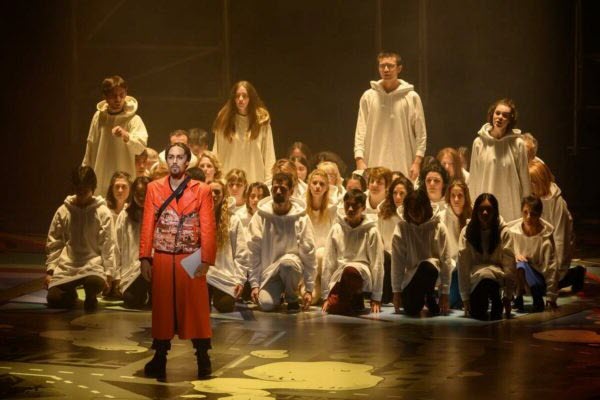
Opera, with its powerful voices, intricate compositions, and dramatic narratives, has enthralled audiences for centuries. From the grand stages of Europe to intimate theaters worldwide, opera has captivated listeners with its emotional depth and breathtaking performances. In this article, we delve into the realm of opera to explore the top 15 most popular and best opera songs of all time. These timeless pieces have stood the test of time, resonating with audiences across generations. Each song on this list represents the pinnacle of operatic artistry, showcasing the remarkable talent of composers and singers who have brought these masterpieces to life. Whether you’re a seasoned opera aficionado or a newcomer to this rich art form, these iconic songs are sure to leave a lasting impression. Join us on a journey through the world of opera as we celebrate the beauty, passion, and unparalleled artistry of these 15 exceptional opera songs.
1. Va, pensiero by Giuseppe Verdi
“Va, pensiero” by Giuseppe Verdi is a timeless masterpiece that has captured the hearts of opera enthusiasts for generations. This stirring chorus from Verdi’s opera *Nabucco* is often hailed as one of the most iconic and powerful pieces in the opera repertoire.
The song, also known as the “Chorus of the Hebrew Slaves,” is a poignant lament sung by the Israelites as they long for their homeland, which has been destroyed by the Babylonian King Nabucco (Nebuchadnezzar). The lyrics, set to Verdi’s emotive music, express a deep sense of longing, sorrow, and hope for freedom, making it a powerful anthem of resilience and yearning for liberation.
“Va, pensiero” has transcended its operatic origins to become a symbol of national identity and solidarity. It has been embraced by various movements and causes around the world, resonating with people who seek solace and inspiration in its poignant melodies and profound lyrics.
With its soaring melodies, rich harmonies, and evocative lyrics, “Va, pensiero” continues to captivate audiences and remind us of the enduring power of music to move and uplift the human spirit.
2. Una furtiva lagrima by Gaetano Donizetti
“Una furtiva lagrima” from Gaetano Donizetti’s opera *L’elisir d’amore* is a beloved aria that showcases the beauty and emotion of the tenor voice. The aria is sung by the protagonist Nemorino, who, believing he has finally won the heart of the woman he loves, Adina, sees her shed a tear and interprets it as a sign of her love for him.
The aria is known for its lyrical melody and heartfelt expression, as Nemorino reflects on the power of love and the joy he feels at Adina’s apparent affection. The title, which translates to “A furtive tear,” refers to the single tear that Adina sheds, which Nemorino sees as a confirmation of her love.
“Una furtiva lagrima” is celebrated for its exquisite melody, which builds in intensity as Nemorino’s emotions overflow. The aria’s heartfelt lyrics and Donizetti’s masterful orchestration combine to create a poignant and unforgettable moment in opera.
This aria has become one of the most famous and frequently performed pieces in the operatic repertoire, cherished for its beauty, emotion, and the profound way it captures the essence of love and longing.
3. The Toreador Song by Georges Bizet
The Toreador Song, or “Votre toast, je peux vous le rendre” in French, is one of the most famous arias from Georges Bizet’s opera *Carmen*. Sung by the character Escamillo, a dashing bullfighter, the song is a lively and boastful aria in which Escamillo celebrates his success in the bullring and the admiration of the crowds.
The Toreador Song is characterized by its energetic melody and rhythmic intensity, reflecting the character of Escamillo as a charismatic and confident figure. The lyrics boast of the Toreador’s bravery and skill, painting a vivid picture of the excitement and glamour of the bullfighting world.
The aria is accompanied by a lively orchestral score, including the distinctive sounds of the Spanish bullfighting music, which adds to the festive and celebratory atmosphere of the song. The Toreador Song has become one of the most recognizable and popular pieces from *Carmen*, beloved for its catchy tune and vibrant orchestration.
With its lively tempo and spirited lyrics, the Toreador Song captures the essence of the passionate and dramatic world of *Carmen*, making it a favorite among opera lovers and a standout moment in the opera repertoire.
4. Che gelida manina by Giacomo Puccini
“Che gelida manina” is an aria from Giacomo Puccini’s opera *La Bohème*. It is sung by the character Rodolfo, a poet, as he introduces himself to Mimì, the young seamstress who lives in the apartment next to his. The aria is a heartfelt expression of love at first sight, as Rodolfo is immediately captivated by Mimì’s beauty and charm.
The title, which translates to “What a cold little hand,” refers to the moment when Rodolfo takes Mimì’s hand to warm it, and the aria unfolds as a tender and lyrical expression of his feelings for her. Rodolfo sings of his own life as a struggling artist and invites Mimì to share in the warmth of his apartment and his love.
“Che gelida manina” is renowned for its beautiful melody and emotional depth, showcasing Puccini’s gift for lyrical expression and his ability to capture the nuances of human emotion. The aria’s soaring melody and expressive lyrics make it a standout moment in *La Bohème* and a favorite among opera enthusiasts.
With its poignant lyrics and passionate melody, “Che gelida manina” has become one of the most famous and beloved arias in the operatic repertoire, capturing the essence of love, longing, and the fleeting beauty of life.
5. Voi, che sapete by Wolfgang Amadeus Mozart
“Voi, che sapete” is an aria from Wolfgang Amadeus Mozart’s opera *The Marriage of Figaro* (*Le nozze di Figaro*). It is sung by the character Cherubino, a young pageboy who is in love with love itself. In the aria, Cherubino expresses his confusion and frustration with the complexities of love, asking the women around him for advice and understanding.
The title, which translates to “You who know what love is,” reflects Cherubino’s plea for guidance from those more experienced in matters of the heart. The aria is characterized by its lively and playful melody, which contrasts with the deeper emotions expressed in the lyrics.
“Voi, che sapete” is a showcase for a mezzo-soprano voice, requiring agility and expressiveness to convey Cherubino’s youthful ardor and emotional turmoil. The aria’s charming melody and witty lyrics make it a delightful and memorable moment in *The Marriage of Figaro*, highlighting Mozart’s gift for melody and characterization.
With its blend of humor, charm, and emotional depth, “Voi, che sapete” has become one of Mozart’s most famous and beloved arias, capturing the universal experience of love and the timeless appeal of his music.
6. E lucevan le stelle by Giacomo Puccini
“E lucevan le stelle” is an aria from Giacomo Puccini’s opera *Tosca*. It is sung by the character Mario Cavaradossi, a painter who has been imprisoned and faces execution at dawn. In the aria, Cavaradossi reflects on his love for Tosca and his despair at facing death, lamenting the beauty of the stars and the fact that he will never see them again.
The title, which translates to “And the stars were shining,” refers to the opening lines of the aria, where Cavaradossi recalls the night he spent with Tosca and the beauty of the starlit sky. The aria is characterized by its lyrical melody and emotional intensity, as Cavaradossi expresses his love, regret, and resignation in the face of his impending death.
“E lucevan le stelle” is considered one of Puccini’s most poignant and beautiful arias, showcasing his gift for melody and his ability to capture the depth of human emotion. The aria’s haunting melody and heartfelt lyrics make it a standout moment in *Tosca* and a favorite among opera enthusiasts.
With its evocative music and profound lyrics, “E lucevan le stelle” is a powerful expression of love, loss, and the fleeting nature of life, capturing the essence of *Tosca* and the tragic fate of its characters.
7. Suor Angelica Si, mi chiamano Mimi by Giacomo Puccini
In *La Bohème*, the aria is sung by Mimi, a young seamstress, as she introduces herself to the poet Rodolfo. In the aria, Mimi describes her simple life as a seamstress and her hopes and dreams for love and happiness. The title translates to “Yes, they call me Mimi,” referring to how she is known in her neighborhood.
The aria is characterized by its gentle melody and heartfelt lyrics, as Mimi expresses her warmth, kindness, and longing for a deeper connection with Rodolfo. The aria is a showcase for a soprano voice, requiring sensitivity and expressiveness to convey Mimi’s innocence and vulnerability.
“Si, mi chiamano Mimi” is one of Puccini’s most famous and beloved arias, capturing the essence of Mimi’s character and the emotional heart of *La Bohème*. With its lyrical beauty and poignant lyrics, the aria has become a classic in the operatic repertoire, cherished for its timeless appeal and universal themes of love and loss.
8. Un bel di vedremo by Giacomo Puccini
“Un bel dì vedremo” is an aria from Giacomo Puccini’s opera *Madama Butterfly*. It is sung by the character Cio-Cio San, also known as Butterfly, as she expresses her unwavering belief that one day, her beloved Pinkerton will return to her.
The title translates to “One fine day, we’ll see,” referring to Butterfly’s hopeful anticipation of the return of her American naval officer husband. The aria is characterized by its lyrical melody and emotional depth, as Butterfly describes the day when she will see Pinkerton’s ship on the horizon and their reunion.
“Un bel dì vedremo” is a showcase for a soprano voice, requiring both power and delicacy to convey Butterfly’s longing and hope. The aria is one of Puccini’s most famous and beloved, capturing the character’s resilience and faith in the face of heartbreak and betrayal.
With its beautiful melody and poignant lyrics, “Un bel dì vedremo” has become a classic in the operatic repertoire, cherished for its emotional impact and the timeless beauty of Puccini’s music. The aria’s themes of love, loss, and longing resonate with audiences around the world, making it a standout moment in *Madama Butterfly* and a favorite among opera enthusiasts.
9. Vissi d’arte by Giacomo Puccini
“Vissi d’arte” is an aria from Giacomo Puccini’s opera *Tosca*. It is sung by the character Floria Tosca, a famous opera singer, as she reflects on her life and the injustices she has faced. The title translates to “I lived for art,” referring to Tosca’s dedication to her craft and her belief in the power of art to bring meaning to her life.
In the aria, Tosca laments the cruel twists of fate that have led her to the current moment of despair and betrayal. She questions why, despite her devotion to art and her efforts to live a virtuous life, she is now faced with such suffering and loss.
“Vissi d’arte” is characterized by its beautiful melody and emotional depth, as Tosca bares her soul and questions the fairness of the world. The aria is a showcase for a soprano voice, requiring both technical skill and emotional sensitivity to convey the character’s inner turmoil.
With its poignant lyrics and haunting melody, “Vissi d’arte” is one of Puccini’s most famous and beloved arias, capturing the essence of *Tosca* and the tragic fate of its heroine. The aria’s themes of love, sacrifice, and the power of art to transcend suffering resonate with audiences and make it a standout moment in the operatic repertoire.
10. Largo al factotum by Gioachino Rossini
“Largo al factotum” is an aria from Gioachino Rossini’s opera *The Barber of Seville* (*Il barbiere di Siviglia*). It is sung by the character Figaro, the barber of Seville, as he boasts about his skills and popularity with the ladies.
The title translates to “Make way for the factotum,” referring to Figaro’s many roles and responsibilities as a barber, matchmaker, and general handyman. The aria is known for its rapid-fire tempo and tongue-twisting lyrics, as Figaro describes his busy and bustling life.
“Largo al factotum” is a showcase for a baritone voice, requiring agility and comedic timing to convey Figaro’s larger-than-life personality. The aria is characterized by its lively melody and humorous lyrics, making it a favorite among opera singers and audiences alike.
With its catchy tune and witty lyrics, “Largo al factotum” has become one of Rossini’s most famous and recognizable arias, capturing the charm and humor of *The Barber of Seville*. The aria’s playful tone and infectious energy make it a standout moment in the operatic repertoire, showcasing Rossini’s skill as a composer of comic opera.
11. Libiamo ne’ lieti calici by Giuseppe Verdi
“Libiamo ne’ lieti calici” is a famous drinking song from Giuseppe Verdi’s opera *La Traviata*. It is sung in the first act by the characters Violetta and Alfredo as they celebrate their newfound love and the joys of life.
The title translates to “Let’s drink from the joyful cups,” and the lyrics express a sentiment of living in the moment and enjoying life’s pleasures. The lively and rhythmic melody of the aria, combined with its celebratory lyrics, creates a festive and exhilarating atmosphere.
“Libiamo ne’ lieti calici” is a duet that requires both singers to display vocal agility and charisma, as they toast to love and happiness. The aria is one of the most famous and frequently performed pieces from *La Traviata*, beloved for its catchy tune and exuberant spirit.
With its spirited melody and joyful lyrics, “Libiamo ne’ lieti calici” has become a favorite among opera enthusiasts and a popular choice for concert performances and special occasions. The aria’s themes of love, friendship, and the joy of living make it a timeless and uplifting piece in the operatic repertoire.
12. Der Hölle Rache kocht in meinem Herzen by Wolfgang Amadeus Mozart
“Der Hölle Rache kocht in meinem Herzen,” also known as the “Queen of the Night Aria,” is an aria from Wolfgang Amadeus Mozart’s opera *The Magic Flute* (*Die Zauberflöte*). It is sung by the Queen of the Night, a vengeful and powerful character who seeks retribution against Sarastro, the high priest.
The title translates to “Hell’s vengeance boils in my heart,” and the aria is known for its dramatic coloratura passages and high notes, which showcase the Queen of the Night’s anger and determination. The aria is a tour de force for a coloratura soprano, requiring exceptional vocal agility and control.
In the aria, the Queen of the Night urges her daughter, Pamina, to kill Sarastro, promising her freedom and threatening her with eternal damnation if she fails. The aria’s dark and menacing tone, combined with its virtuosic vocal demands, make it one of the most challenging and thrilling pieces in the soprano repertoire.
“Der Hölle Rache” is a standout moment in *The Magic Flute*, showcasing Mozart’s mastery of dramatic expression and his ability to create memorable and powerful characters. The aria’s intense emotions and demanding vocal requirements have made it a favorite among audiences and a showcase piece for sopranos around the world.
13. O mio babbino caro by Giacomo Puccini
“O mio babbino caro” is an aria from Giacomo Puccini’s opera *Gianni Schicchi*. It is sung by the character Lauretta, Schicchi’s daughter, as she pleads with her father to allow her to marry Rinuccio, the man she loves.
The title translates to “Oh my dear papa,” and the aria is characterized by its poignant melody and heartfelt lyrics, as Lauretta begs her father to grant her wish. The aria is a showcase for a soprano voice, requiring both tenderness and emotional depth to convey Lauretta’s love and desperation.
“O mio babbino caro” is one of Puccini’s most famous and beloved arias, known for its beautiful melody and lyrical expression. The aria’s simplicity and sincerity, combined with its emotional impact, have made it a favorite among opera singers and audiences alike.
With its memorable tune and touching lyrics, “O mio babbino caro” has become a classic in the operatic repertoire, capturing the essence of love, family, and the power of music to convey deep emotions.
14. La donna è mobile by Giuseppe Verdi
“La donna è mobile” is an aria from Giuseppe Verdi’s opera *Rigoletto*. It is sung by the Duke of Mantua, a character known for his charm and womanizing ways, as he expresses his cynical views on women and love.
The title translates to “Woman is fickle,” and the aria is characterized by its lively and catchy melody, reflecting the Duke’s carefree and hedonistic attitude. The aria is a showcase for a tenor voice, requiring agility and charisma to convey the Duke’s playful and seductive nature.
“La donna è mobile” is one of Verdi’s most famous and recognizable arias, known for its infectious tune and witty lyrics. The aria’s popularity has made it a favorite among opera singers and audiences alike, often performed as a standalone piece outside of the opera.
With its spirited melody and playful lyrics, “La donna è mobile” captures the essence of the Duke’s character and the themes of love and betrayal in *Rigoletto*. The aria’s enduring popularity and universal appeal have solidified its place as one of the most iconic pieces in the operatic repertoire.
15. Nessun dorma by Giacomo Puccini
“Nessun dorma” is an aria from Giacomo Puccini’s opera *Turandot*. It is sung by the character Calaf, the unknown prince who falls in love with the icy Princess Turandot. In the aria, Calaf expresses his resolve to win Turandot’s heart, declaring that none shall sleep until he has succeeded.
The title translates to “None shall sleep,” and the aria is characterized by its powerful melody and soaring climax, as Calaf proclaims his love and determination. “Nessun dorma” is a showcase for a tenor voice, requiring strength and emotional depth to convey Calaf’s passion and determination.
“È una divinità!” is often considered one of the most iconic and recognizable arias in the operatic repertoire, known for its memorable melody and dramatic intensity. The aria’s triumphant conclusion, with Calaf proclaiming that he will win Turandot’s heart, has made it a favorite among opera singers and audiences alike.
With its emotional depth and stirring melody, “Nessun dorma” captures the essence of love, courage, and the triumph of the human spirit, making it a timeless and beloved piece in the world of opera.

Samuel Moore is a frequent contributor to Singers Room. Since 2005, Singersroom has been the voice of R&B around the world. Connect with us via social media below.









