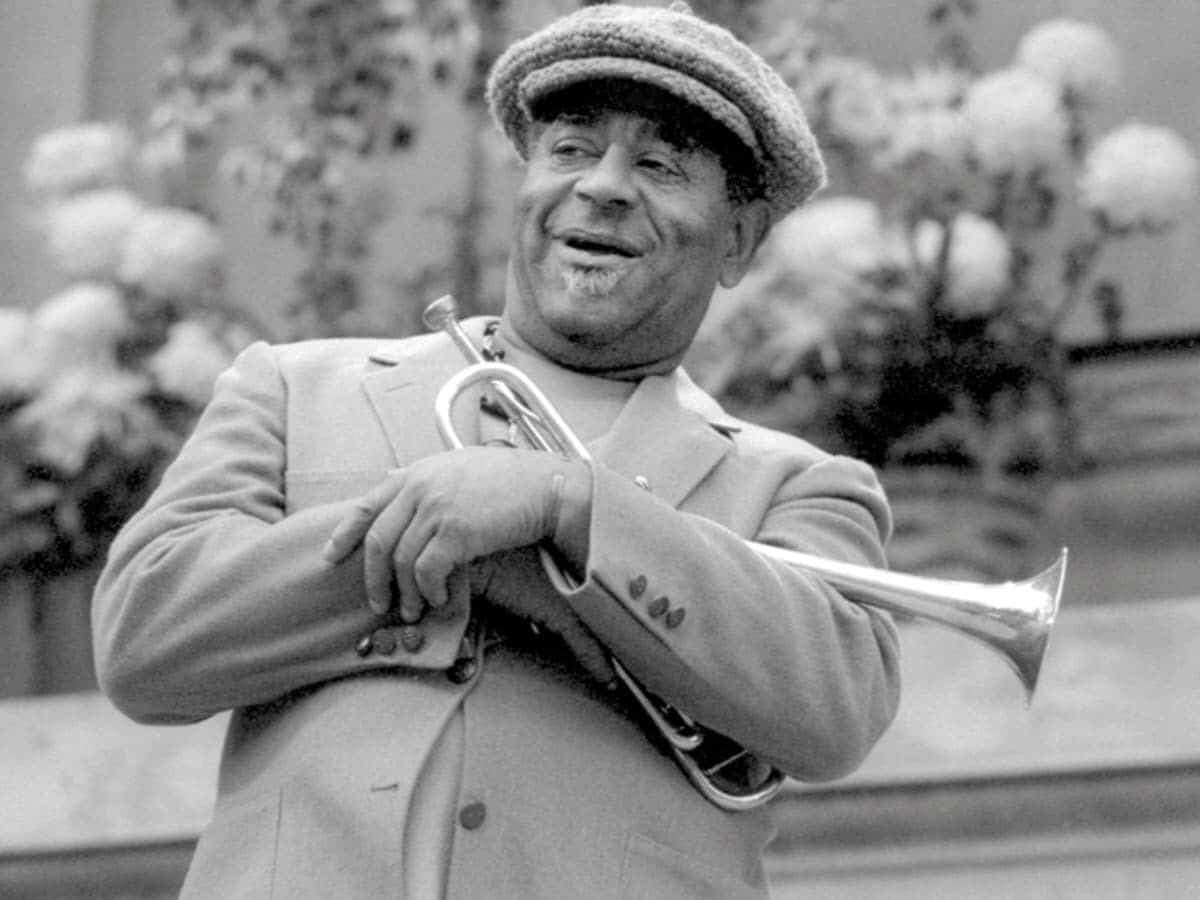
Jazz music, with its roots deeply embedded in African American culture, has captivated audiences for over a century with its infectious rhythms, soulful melodies, and improvisational flair. As a genre that constantly evolves and embraces a wide range of styles, jazz has produced timeless classics that continue to resonate with listeners of all ages. In this article, we explore the top 15 most popular and enduring jazz songs of all time, each a testament to the genre’s rich history and lasting impact on the music world. From the smooth sounds of Louis Armstrong’s “What a Wonderful World” to the complex harmonies of John Coltrane’s “Giant Steps,” these songs showcase the diversity and innovation that define jazz music. Whether you’re a seasoned jazz enthusiast or a newcomer to the genre, this list is sure to inspire a deeper appreciation for the artistry and creativity of jazz musicians past and present.
1. So What by Miles Davis
“So What” by Miles Davis stands as an iconic cornerstone in the pantheon of jazz music, hailed as one of the topmost popular and best jazz songs of all time. Released in 1959 as the opening track of Davis’s seminal album “Kind of Blue,” the song embodies the essence of cool jazz, setting a new standard in improvisation and musical innovation.
From the moment the melodic bass line introduces itself, listeners are captivated by its understated allure, drawing them into a mesmerizing musical journey. Davis’s trumpet effortlessly weaves intricate melodies, punctuated by subtle nuances and expressive phrasing, while John Coltrane’s tenor saxophone adds layers of depth and emotion to the composition.
“So What” epitomizes the modal jazz movement, characterized by its departure from conventional chord progressions and emphasis on improvisation within a modal framework. The song’s minimalist structure provides ample space for each musician to showcase their virtuosity, resulting in a timeless masterpiece that continues to resonate with audiences worldwide.
With its evocative atmosphere and timeless appeal, “So What” remains an enduring symbol of artistic excellence and a testament to Miles Davis’s unparalleled genius in reshaping the landscape of jazz music. Its legacy endures, ensuring its place as one of the most beloved and influential jazz compositions of all time.
2. Sing, Sing, Sing by Benny Goodman
“Sing, Sing, Sing” by Benny Goodman is a tour de force of swing jazz that has cemented its status as one of the topmost popular and best jazz songs of all time. Released in 1937, this iconic piece embodies the exuberance and energy of the swing era, capturing the essence of the Big Band sound in its purest form.
From the thunderous opening drum solo by the legendary Gene Krupa to the infectious swing rhythm that drives the entire ensemble, “Sing, Sing, Sing” immediately commands attention and demands movement. Goodman’s clarinet takes center stage, leading the ensemble through a series of exhilarating solos and ensemble passages that showcase the virtuosity of each musician.
The song’s infectious melody and relentless groove invite listeners to immerse themselves in its irresistible charm, transporting them to the vibrant dance halls of the swing era. Its memorable refrain and dynamic shifts in intensity ensure that “Sing, Sing, Sing” remains a timeless anthem of joy and celebration.
As one of the most enduring and beloved compositions in jazz history, “Sing, Sing, Sing” continues to captivate audiences with its irresistible rhythm and timeless appeal. Its legacy as a quintessential masterpiece of swing jazz ensures its place among the greatest jazz songs of all time.
3. In the Mood by Glenn Miller
“In the Mood” by Glenn Miller stands tall as one of the most iconic and enduring jazz songs of all time, captivating audiences with its infectious swing rhythm and unforgettable melody. Released in 1939, this timeless classic embodies the essence of the swing era, evoking images of bustling dance halls and vibrant nightlife.
From its instantly recognizable opening riff to its exhilarating brass section, “In the Mood” exudes an irresistible energy that is impossible to resist. Miller’s expert arrangement seamlessly blends together the talents of his orchestra, creating a rich tapestry of sound that pulses with life and excitement.
The song’s driving rhythm and catchy melody invite listeners to tap their feet and sway to the beat, transporting them to a bygone era of glamour and sophistication. Whether heard on the radio or on the dance floor, “In the Mood” never fails to ignite a sense of joy and nostalgia in all who hear it.
As one of the defining songs of the swing era, “In the Mood” has left an indelible mark on the world of music, inspiring generations of jazz musicians and enthusiasts alike. Its timeless appeal and universal charm ensure that it will continue to be celebrated as one of the greatest jazz songs of all time.
4. Autumn Leaves by Cannonball Adderley
“Autumn Leaves” as interpreted by Cannonball Adderley is a mesmerizing rendition that has earned its place as one of the most cherished and revered jazz standards of all time. Originally composed by Joseph Kosma with lyrics by Jacques Prévert in 1945, Adderley’s rendition, featured on his album “Somethin’ Else” released in 1958, is a hauntingly beautiful exploration of melancholy and nostalgia.
Adderley’s soulful saxophone takes center stage, weaving a tapestry of emotion with every note. His expressive phrasing and deep sense of lyricism imbue the melody with a sense of longing and introspection, evoking the wistful beauty of falling leaves and fading memories.
Backed by a stellar ensemble including Miles Davis on trumpet, Hank Jones on piano, Sam Jones on bass, and Art Blakey on drums, Adderley’s rendition of “Autumn Leaves” unfolds with grace and elegance. Each musician brings their unique voice to the performance, creating a dynamic interplay of sound that is both intimate and expansive.
As the song unfolds, listeners are transported to a world of bittersweet romance and quiet contemplation, where every chord and melody carries the weight of a lifetime of experiences. Adderley’s interpretation of “Autumn Leaves” stands as a timeless masterpiece, resonating with audiences across generations and reaffirming its status as one of the most beloved jazz songs of all time.
5. ‘Round Midnight by Thelonious Monk
“‘Round Midnight” by Thelonious Monk is a hauntingly beautiful jazz composition that has solidified its place as one of the most revered and cherished pieces in the jazz canon. Originally composed in 1944, this timeless classic has been covered by numerous artists, but Monk’s rendition, recorded in 1957, remains the quintessential interpretation.
Monk’s unique approach to composition and improvisation is on full display in “‘Round Midnight.” His distinctive piano playing style, characterized by angular melodies and unexpected harmonies, creates a sense of mystery and depth that is both captivating and enigmatic. With each note, Monk invites listeners into a world of introspection and contemplation.
The melancholic melody of “‘Round Midnight” unfolds like a poignant narrative, weaving a tapestry of emotion that speaks to the complexities of the human experience. Monk’s masterful use of space and timing adds to the song’s sense of longing and solitude, evoking the quiet solitude of the late-night hours.
As one of the most recorded jazz compositions of all time, “‘Round Midnight” has transcended its status as a mere song to become a symbol of artistic expression and innovation. Monk’s timeless masterpiece continues to resonate with audiences around the world, reaffirming its place as one of the greatest jazz songs of all time.
6. Blue in Green by Miles Davis
“Blue in Green” is a masterpiece of emotional depth and musical innovation, penned by Miles Davis and featured on his landmark album “Kind of Blue” released in 1959. This ethereal composition stands as a testament to Davis’s genius as both a composer and a trumpeter, offering a mesmerizing journey into the heart of jazz.
From the first haunting notes, “Blue in Green” envelops listeners in a world of quiet introspection and profound beauty. Davis’s muted trumpet floats effortlessly over the lush harmonies, painting a portrait of melancholy and longing. The minimalist arrangement, featuring Bill Evans’s delicate piano and the subtle interplay of bass and drums, creates a sense of space and intimacy that is both captivating and profound.
As the song unfolds, each note seems to linger in the air, suspended in time like a fleeting memory. Davis’s evocative phrasing and understated elegance imbue “Blue in Green” with a sense of haunting nostalgia, evoking the bittersweet beauty of lost love and distant dreams.
With its timeless allure and haunting beauty, “Blue in Green” continues to captivate audiences with its timeless appeal. As one of the standout tracks on “Kind of Blue,” it remains a cornerstone of the jazz repertoire, celebrated for its emotional depth and unparalleled artistry.
7. A Night in Tunisia by Dizzy Gillespie
“A Night in Tunisia” by Dizzy Gillespie is a high-energy jazz standard that has captivated audiences for generations with its infectious rhythm and innovative melodies. Originally composed in 1942 by Gillespie and Frank Paparelli, this iconic piece has become synonymous with the bebop movement and stands as a testament to Gillespie’s revolutionary approach to jazz.
From the moment the fiery trumpet lines announce the song’s arrival, “A Night in Tunisia” transports listeners to a world of excitement and adventure. Gillespie’s virtuosic improvisation and unmistakable bebop style electrify the air, while the pulsating rhythm section drives the music forward with relentless energy.
The song’s distinctive melody, with its angular intervals and exotic harmonies, evokes the bustling streets of North Africa, painting a vivid sonic landscape that is both evocative and enchanting. As the music builds to a fever pitch, each musician takes their turn to shine, contributing to the dynamic interplay that is the hallmark of bebop.
With its exhilarating tempo and electrifying solos, “A Night in Tunisia” has become a favorite among jazz musicians and enthusiasts alike. Its enduring popularity and timeless appeal serve as a testament to Gillespie’s enduring legacy as one of the true giants of jazz music.
8. Four by Miles Davis
“Four” by Miles Davis is a quintessential jazz composition that exemplifies the essence of cool jazz with its sleek melody and sophisticated harmonies. Composed by jazz pianist Eddie “Cleanhead” Vinson, Davis’s interpretation, featured on his album “Walkin'” released in 1954, showcases his impeccable skill as a trumpeter and bandleader.
From the opening bars, “Four” captivates listeners with its understated elegance and effortless groove. Davis’s muted trumpet delivers the catchy melody with finesse, supported by a stellar ensemble that includes Horace Silver on piano, Percy Heath on bass, and Kenny Clarke on drums. The tight-knit interplay between the musicians creates a sense of cohesion and unity, driving the music forward with precision and style.
Despite its simplicity, “Four” is a masterclass in musical sophistication, with its intricate harmonies and subtle nuances revealing new depths upon each listen. Davis’s restrained yet emotive playing style adds to the song’s allure, drawing listeners in with its quiet intensity and understated beauty.
As one of the standout tracks on “Walkin’,” “Four” remains a beloved jazz standard that continues to inspire musicians and audiences alike. Its timeless appeal and timeless elegance ensure that it will be cherished as a classic of the genre for generations to come.
9. Summertime by Ella Fitzgerald
“Summertime” as performed by Ella Fitzgerald is a timeless rendition of a beloved jazz standard, capturing the essence of the season with its sultry vocals and evocative melody. Originally composed by George Gershwin for the opera “Porgy and Bess,” Fitzgerald’s interpretation, featured on her album “Ella Fitzgerald Sings the George and Ira Gershwin Songbook” released in 1959, remains one of the definitive versions of the song.
From the moment Fitzgerald’s voice glides over the opening notes, listeners are transported to a languid summer evening, filled with the promise of romance and adventure. Her rich, velvety tones imbue the lyrics with a sense of longing and nostalgia, evoking the lazy days and warm nights of summertime.
Backed by a lush orchestral arrangement, Fitzgerald’s performance is both intimate and expansive, capturing the full spectrum of emotions contained within the song. Whether she’s delivering a soulful lament or soaring to dazzling heights, her vocal prowess is on full display, captivating audiences with every phrase.
As one of the most iconic jazz vocalists of all time, Fitzgerald brings a depth of feeling and artistry to “Summertime” that is unmatched. Her interpretation of this classic standard continues to resonate with audiences around the world, reminding us of the enduring power of music to evoke memories and stir the soul.
10. Georgia on My Mind by Ray Charles
“Georgia on My Mind” as interpreted by Ray Charles is a soulful rendition of a timeless classic that resonates with deep emotion and heartfelt sincerity. Originally composed by Hoagy Carmichael with lyrics by Stuart Gorrell in 1930, Charles’s version, released in 1960 as a single and later included on his album “The Genius Hits the Road,” became an instant sensation, earning critical acclaim and enduring popularity.
From the moment Charles’s rich, velvety voice fills the air, listeners are drawn into a world of poignant nostalgia and tender reminiscence. His soul-stirring delivery infuses the lyrics with a sense of longing and devotion, evoking the beauty and charm of the southern state that inspired the song.
Backed by a lush orchestral arrangement and Charles’s own soulful piano playing, “Georgia on My Mind” unfolds with a sense of grace and elegance that is truly captivating. Each note is imbued with a depth of feeling and authenticity that speaks to Charles’s profound connection to the music and lyrics.
As one of his signature songs, “Georgia on My Mind” holds a special place in the hearts of fans around the world, serving as a timeless tribute to the power of love and the enduring spirit of home. Charles’s masterful interpretation of this classic standard continues to touch the hearts and souls of listeners, reminding us of the beauty and resilience of the human spirit.
11. God Bless the Child by Billie Holiday
“God Bless the Child” by Billie Holiday is a timeless masterpiece that transcends genre boundaries, blending elements of jazz, blues, and gospel to create a poignant and unforgettable musical experience. Co-written by Holiday and Arthur Herzog Jr., this iconic song was released in 1941 and remains one of Holiday’s most enduring and beloved recordings.
From the moment Holiday’s voice fills the air, listeners are captivated by the raw emotion and vulnerability she brings to the song. With her distinctively husky tone and impeccable phrasing, she delivers the lyrics with a depth of feeling that is both haunting and powerful.
The song’s message, with its themes of self-reliance and resilience, resonates deeply with audiences, offering solace and inspiration in times of struggle. Holiday’s heartfelt delivery, combined with the soulful accompaniment of the backing band, creates a sense of intimacy and connection that is truly profound.
As one of the most iconic figures in jazz history, Holiday’s rendition of “God Bless the Child” stands as a testament to her unparalleled talent and enduring legacy. Her ability to convey the pain and hope contained within the song’s lyrics has solidified its place as a timeless classic, cherished by generations of listeners around the world.
12. What a Wonderful World by Louis Armstrong
“What a Wonderful World” by Louis Armstrong is an enduring anthem of hope and optimism that continues to resonate with audiences around the world. Released in 1967, this timeless classic has become one of Armstrong’s most iconic and beloved recordings, capturing the essence of his warm-hearted persona and infectious joy for life.
From the moment Armstrong’s gravelly voice fills the air, listeners are transported to a world of beauty and wonder. With his soulful delivery and heartfelt sincerity, he invites us to see the world through his eyes, finding magic in the simplest of pleasures and celebrating the richness of human experience.
The song’s uplifting melody, paired with its poignant lyrics, creates a sense of hope and possibility that is both inspiring and comforting. Whether singing about the beauty of nature, the joy of friendship, or the wonder of everyday miracles, Armstrong’s performance is filled with genuine warmth and affection.
As one of the most recognizable and beloved songs in popular music, “What a Wonderful World” has transcended generations, touching the hearts of listeners young and old. Its timeless message of love, gratitude, and optimism serves as a reminder of the beauty and wonder that surrounds us each and every day.
13. Strange Fruit by Billie Holiday
“Strange Fruit” by Billie Holiday stands as a haunting and powerful protest song, delivering a poignant message about racism, violence, and the horrors of lynching in America. Originally written as a poem by Abel Meeropol and set to music, Holiday’s rendition, recorded in 1939, remains one of the most iconic and chilling recordings of the song.
From the opening bars, Holiday’s voice drips with sorrow and anguish as she sings of “strange fruit hanging from the poplar trees.” The stark imagery evokes the brutal reality of lynching, forcing listeners to confront the ugliness of racial violence and discrimination.
With each haunting verse, Holiday’s delivery grows more intense, her voice trembling with emotion as she denounces the inhumanity of the practice. Backed only by a simple piano accompaniment, her performance is stripped of any pretense, laying bare the raw pain and suffering at the heart of the song.
“Strange Fruit” was a daring and controversial choice for Holiday to record at the time, but her fearless commitment to speaking truth to power ensured its lasting impact. The song remains a powerful symbol of resistance and resilience, challenging listeners to confront the injustices of the past and work towards a more just and equitable future.
14. Take Five by The Dave Brubeck Quartet
“Take Five” by The Dave Brubeck Quartet is an iconic jazz composition that has left an indelible mark on the genre with its distinctive time signature and infectious groove. Composed by saxophonist Paul Desmond and recorded in 1959 for the album “Time Out,” this groundbreaking piece remains one of the best-known and most beloved jazz recordings of all time.
From the moment the hypnotic rhythm begins, listeners are drawn into the mesmerizing world of “Take Five.” The unconventional 5/4 time signature, highlighted by Joe Morello’s innovative drumming, gives the song its signature feel, creating a sense of tension and release that is both thrilling and captivating.
Paul Desmond’s lyrical saxophone melody floats effortlessly over the pulsating rhythm, weaving a tapestry of sound that is at once intricate and accessible. His cool, understated playing style adds to the song’s allure, evoking images of smoky jazz clubs and late-night conversations.
As one of the first jazz compositions to achieve mainstream success, “Take Five” broke new ground and helped to popularize jazz music to a wider audience. Its timeless appeal and innovative approach continue to inspire musicians and listeners alike, cementing its place as a classic of the genre.
15. Take the ‘A’ Train by Duke Ellington
“Take the ‘A’ Train” is a quintessential jazz standard composed by Billy Strayhorn and made famous by Duke Ellington and his orchestra. Recorded in 1941, this swinging tune became one of Ellington’s signature pieces, showcasing his band’s impeccable musicianship and innovative arrangements.
From the moment the train-inspired rhythm chugs along, listeners are transported to the vibrant streets of New York City. The song’s jaunty melody, punctuated by catchy horn riffs and playful piano lines, captures the energy and excitement of the city that never sleeps.
“Take the ‘A’ Train” was originally written as a tribute to the A subway line in New York, which provided easy access to Harlem, the heart of African-American culture during the Harlem Renaissance. The song’s upbeat tempo and lively instrumentation reflect the bustling atmosphere of Harlem in its heyday, celebrating the spirit of innovation and creativity that defined the era.
As one of the most beloved compositions in the jazz repertoire, “Take the ‘A’ Train” has been covered by countless artists and remains a favorite among jazz enthusiasts of all ages. Its infectious rhythm and timeless melody ensure that it will continue to be celebrated as a classic of the genre for years to come.

Samuel Moore is a frequent contributor to Singers Room. Since 2005, Singersroom has been the voice of R&B around the world. Connect with us via social media below.









