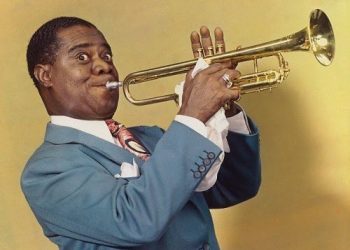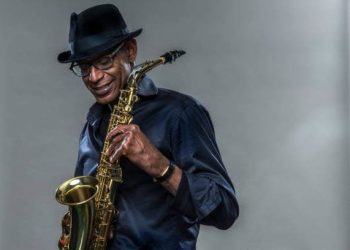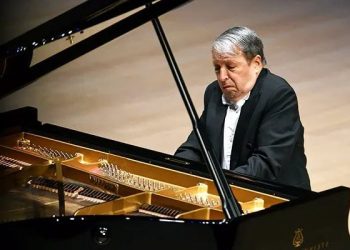
Jazz artists are musicians who specialize in the improvisational and rhythmic styles of music that define the genre. They are known for their technical proficiency, creativity, and ability to interpret and reinvent musical themes. Jazz artists often collaborate with other musicians in small ensembles or big bands, using their instruments to engage in musical conversations and create dynamic, ever-evolving soundscapes. Jazz artists draw on a wide range of influences, including blues, ragtime, and classical music, to create their own unique style. They are known for their expressive playing, innovative compositions, and ability to captivate audiences with their virtuosity and improvisational skills.
1. Wynton Marsalis
Wynton Marsalis, born in 1961 in New Orleans, Louisiana, is an acclaimed American trumpeter, composer, bandleader, and educator. He is one of the most prominent and influential jazz musicians of his generation, known for his virtuosic trumpet playing, compositional skills, and commitment to preserving and promoting jazz music.
Marsalis rose to fame in the 1980s and 1990s, winning numerous Grammy Awards for his recordings and becoming the first and only artist to win Grammy Awards in both jazz and classical categories in the same year. He has recorded over 70 albums, showcasing his versatility and mastery of various styles of music.
In addition to his performing career, Marsalis is also a passionate advocate for music education. He has served as the artistic director of Jazz at Lincoln Center in New York City since 1987, where he has worked to bring jazz into the mainstream and inspire a new generation of musicians.
Marsalis’ contributions to jazz and music education have earned him widespread acclaim and recognition. He continues to tour and perform around the world, spreading his love for jazz and sharing his extraordinary talent with audiences everywhere.
2. Ella Fitzgerald
Ella Fitzgerald, born in 1917 in Newport News, Virginia, was an iconic American jazz singer often referred to as the “First Lady of Song” and the “Queen of Jazz.” Fitzgerald’s extraordinary vocal range, purity of tone, and improvisational ability made her one of the most celebrated and influential jazz singers of the 20th century.
Fitzgerald began her singing career in the 1930s and quickly gained fame for her unparalleled talent. She became known for her scat singing and her ability to mimic instruments with her voice, creating a unique and captivating sound.
Throughout her career, Fitzgerald recorded over 200 albums and won 13 Grammy Awards. She collaborated with many jazz legends, including Duke Ellington, Louis Armstrong, and Count Basie, and her interpretations of the Great American Songbook are considered definitive.
Fitzgerald’s impact on jazz and popular music is immeasurable, and she continues to be revered as one of the greatest singers of all time. Her voice, with its warmth, clarity, and emotional depth, remains an inspiration to singers and music lovers around the world. Fitzgerald passed away in 1996, but her legacy as a jazz legend lives on.
3. Dave Brubeck
Dave Brubeck, born on December 6, 1920, in Concord, California, was a pioneering jazz pianist, composer, and bandleader. Renowned for his innovative approach to rhythm and harmony, Brubeck was instrumental in popularizing jazz to a wider audience in the 1950s and 1960s. His quartet, featuring saxophonist Paul Desmond, produced iconic recordings such as “Take Five” and “Blue Rondo à la Turk,” which blended elements of classical music with jazz improvisation. Brubeck’s adventurous compositions and use of unusual time signatures set him apart in the jazz world, earning him critical acclaim and commercial success. Throughout his career, he remained a leading figure in jazz, pushing boundaries and inspiring generations of musicians.
4. Dizzy Gillespie
Dizzy Gillespie, born John Birks Gillespie on October 21, 1917, in Cheraw, South Carolina, was a towering figure in the world of jazz music. Renowned for his virtuosic trumpet playing, innovative compositions, and charismatic stage presence, Gillespie played a pivotal role in the development of bebop and modern jazz. Alongside Charlie Parker, he pioneered a new style of improvisation characterized by complex harmonies, rapid tempos, and intricate melodies. Hits like “A Night in Tunisia” and “Salt Peanuts” showcased Gillespie’s dynamic playing and innovative approach to jazz. Beyond his musical contributions, Gillespie was also a tireless ambassador for jazz, spreading its influence around the world. His legacy as one of the greatest trumpeters in jazz history continues to inspire musicians and audiences alike.
5. Thelonious Monk
Thelonious Monk, born in 1917 in Rocky Mount, North Carolina, was an American jazz pianist and composer renowned for his unique improvisational style and contributions to the genre. Monk’s innovative approach to jazz harmony and rhythm made him one of the most important and influential figures in the development of modern jazz.
Monk’s distinctive piano playing was characterized by its percussive attack, angular melodies, and innovative use of dissonance and space. His compositions, such as “Round Midnight,” “Blue Monk,” and “Straight, No Chaser,” are considered jazz standards and are studied by musicians around the world.
Despite early criticism and commercial struggles, Monk’s music eventually gained widespread acclaim, and he became one of the most recorded jazz composers of his time. He was also known for his eccentric personality and unique sense of style, which further added to his legend.
Monk’s influence on jazz is immeasurable, and he continues to be celebrated as one of the greatest jazz musicians and composers of all time. He was posthumously awarded the Grammy Lifetime Achievement Award in 1993, cementing his legacy as a true jazz icon. Monk passed away in 1982, but his music remains as vibrant and influential as ever.
6. Billie Holiday
Billie Holiday, born in 1915 in Philadelphia, Pennsylvania, was an iconic American jazz singer and songwriter known for her distinctive voice, emotive singing style, and deeply personal interpretations of songs. Holiday’s unique vocal phrasing and ability to convey deep emotion made her one of the most influential jazz singers of all time.
Holiday rose to fame in the 1930s and 1940s, recording numerous jazz standards such as “Strange Fruit,” “God Bless the Child,” and “Lover Man.” Her recordings are noted for their raw emotional power and intimate storytelling, which resonated with audiences and critics alike.
Despite facing numerous personal and professional challenges, including racism and substance abuse, Holiday’s music continued to captivate listeners and inspire generations of musicians. She remains a symbol of resilience and artistic integrity, and her legacy as a jazz icon endures to this day. Holiday passed away in 1959, but her music remains as powerful and influential as ever.
7. Herbie Hancock
Herbie Hancock, born in 1940 in Chicago, Illinois, is an American jazz pianist, keyboardist, composer, and bandleader. He is one of the most influential and innovative figures in the history of jazz and popular music, known for his groundbreaking work in jazz fusion, funk, and electronic music.
Hancock rose to fame in the 1960s as a member of the Miles Davis Quintet, where he played a key role in the development of modal jazz and jazz fusion. He later embarked on a successful solo career, recording a series of critically acclaimed albums that pushed the boundaries of jazz and incorporated elements of funk, rock, and electronic music.
Hancock’s pioneering use of synthesizers and electronic instruments in jazz helped redefine the genre and influenced a generation of musicians. His compositions, such as “Cantaloupe Island,” “Chameleon,” and “Watermelon Man,” have become jazz standards and continue to be performed by musicians around the world.
Hancock’s contributions to music have earned him numerous awards, including 14 Grammy Awards. He continues to perform and record music, exploring new sounds and styles while remaining true to his innovative spirit. Hancock’s legacy as a jazz visionary and musical innovator is secure, and he remains a revered figure in the world of music.
8. Chet Baker
Chet Baker, born in 1929 in Yale, Oklahoma, was an American jazz trumpeter, vocalist, and composer known for his distinctive sound and lyrical style. Baker rose to fame in the 1950s as a leading figure in the West Coast jazz scene, known for his cool, understated approach to jazz.
Baker’s trumpet playing was characterized by its soft, melodic tone and lyrical phrasing, which set him apart from other trumpet players of his time. His singing voice was equally unique, with a delicate, intimate quality that complemented his trumpet playing.
Despite personal struggles with drug addiction and legal issues, Baker continued to perform and record music throughout his career, leaving behind a rich legacy of recordings that showcase his exceptional talent and creativity.
Baker’s influence on jazz and popular music is profound, and he remains a celebrated figure in the history of jazz. His recordings, such as “My Funny Valentine” and “Let’s Get Lost,” are considered classics of the genre and continue to be admired by musicians and music lovers around the world. Baker passed away in 1988, but his legacy as a jazz icon lives on.
9. Count Basie
Count Basie, born William James Basie on August 21, 1904, in Red Bank, New Jersey, was a legendary jazz pianist, bandleader, and composer. Renowned for his understated yet swinging piano style and innovative arrangements, Basie became one of the most influential figures in the history of jazz. His Count Basie Orchestra, formed in the late 1930s, set the standard for big band swing music, featuring iconic soloists like Lester Young and Freddie Green. Hits like “One O’Clock Jump” and “April in Paris” showcased Basie’s talent for creating infectious grooves and memorable melodies. Throughout his career, Basie remained a leading figure in jazz, earning numerous awards and accolades for his contributions to the genre. His legacy as a jazz pioneer and bandleader continues to inspire musicians and audiences worldwide.
10. Mary Lou Williams
Mary Lou Williams, born Mary Elfrieda Scruggs in 1910 in Atlanta, Georgia, was an influential American jazz pianist, arranger, and composer. She was a key figure in the development of jazz, bridging the gap between swing and bebop styles.
Williams began her career as a pianist in the 1920s and quickly gained recognition for her exceptional talent. She was known for her inventive compositions and arrangements, which incorporated elements of blues, boogie-woogie, and classical music.
Williams worked with many of the jazz greats of her time, including Duke Ellington, Benny Goodman, and Thelonious Monk. She also led her own bands and composed music for big bands and orchestras.
Williams’ music was ahead of its time, and she played a significant role in shaping the sound of modern jazz. She continued to perform and record music until her death in 1981, leaving behind a legacy of innovation and creativity that continues to inspire musicians today.
11. Ray Brown
Ray Brown, born in 1926 in Pittsburgh, Pennsylvania, was an influential American jazz double bassist known for his impeccable technique, rhythmic prowess, and melodic sensibility. He was a key figure in the development of modern jazz bass playing and was highly regarded for his work as a sideman and bandleader.
Brown rose to prominence in the 1940s and 1950s, performing and recording with jazz legends such as Dizzy Gillespie, Charlie Parker, and Oscar Peterson. His solid, swinging bass lines provided a strong foundation for countless recordings and live performances, earning him a reputation as one of the finest bassists in jazz history.
In addition to his work as a performer, Brown was also a respected educator, passing on his knowledge and experience to future generations of jazz musicians. He continued to perform and record music until his death in 2002, leaving behind a legacy of excellence and innovation in jazz bass playing.
12. J.J. Johnson
J.J. Johnson, born James Louis Johnson in 1924 in Indianapolis, Indiana, was an influential American jazz trombonist, composer, and arranger. He is widely regarded as one of the greatest trombonists in the history of jazz and was known for his virtuosic technique, smooth tone, and innovative approach to the instrument.
Johnson rose to prominence in the 1940s and 1950s, becoming known for his work with the big bands of Count Basie and Dizzy Gillespie. He was a pioneer of the bebop style on trombone, adapting the fast, complex lines of bebop to the instrument and influencing generations of trombonists.
In addition to his work as a performer, Johnson was also a prolific composer and arranger, contributing many compositions and arrangements to the jazz repertoire. He continued to perform and record music until his death in 2001, leaving behind a legacy of exceptional musicianship and creativity that continues to inspire jazz musicians around the world.
13. Benny Goodman
Benny Goodman, born Benjamin David Goodman on May 30, 1909, in Chicago, Illinois, was a groundbreaking clarinetist, bandleader, and one of the most influential figures in the history of jazz and swing music. Known as the “King of Swing,” Goodman played a pivotal role in popularizing swing music in the 1930s and 1940s, helping to make jazz a mainstream genre. His clarinet virtuosity, innovative arrangements, and energetic performances with his orchestra captivated audiences across the globe. Hits like “Sing, Sing, Sing” and “Stompin’ at the Savoy” became swing era classics and solidified Goodman’s status as a jazz icon. Beyond his musical achievements, Goodman was also a pioneer in breaking down racial barriers in music, famously leading one of the first racially integrated jazz bands. His legacy as a jazz innovator and cultural trailblazer continues to resonate, inspiring generations of musicians and listeners alike.
14. Django Reinhardt
Django Reinhardt, born in 1910 in Liberchies, Belgium, was a pioneering Belgian-born Romani-French jazz guitarist and composer. Reinhardt is regarded as one of the greatest guitarists of all time and a key figure in the development of jazz guitar.
Reinhardt’s music blended traditional Gypsy melodies with the jazz styles of the time, creating a unique and innovative sound. Despite suffering severe burns to his left hand in a fire, which left him with limited use of two fingers, Reinhardt developed a distinctive style of playing that emphasized his strengths, including rapid single-note runs, virtuosic arpeggios, and a strong sense of swing.
Reinhardt is best known for his work with the Quintet of the Hot Club of France, which he co-led with violinist Stéphane Grappelli. The group’s recordings, such as “Minor Swing” and “Daphne,” are considered classics of the jazz genre and showcase Reinhardt’s remarkable talent and creativity.
Reinhardt’s influence on jazz guitarists is immeasurable, and his music continues to be celebrated for its beauty, complexity, and innovation. He passed away in 1953, but his legacy as a guitar virtuoso and jazz pioneer lives on.
15. Coleman Hawkins
Coleman Hawkins, born in 1904 in St. Joseph, Missouri, was an influential American jazz tenor saxophonist. He is considered one of the greatest and most innovative saxophonists in the history of jazz, known for his rich, full tone and pioneering approach to improvisation.
Hawkins rose to prominence in the 1920s and 1930s, playing with some of the most important jazz musicians of the time, including Louis Armstrong and Fletcher Henderson. He is credited with popularizing the tenor saxophone as a solo instrument in jazz, and his recordings, such as “Body and Soul” and “The Man I Love,” are regarded as classics of the genre.
Hawkins’ innovative approach to harmony and rhythm helped shape the sound of jazz during the swing era and beyond. His influence can be heard in the playing of countless saxophonists who followed him, and he remains a revered figure in the history of jazz. Hawkins passed away in 1969, but his music continues to inspire and captivate audiences around the world.

Edward Tomlin is a frequent contributor to Singers Room. Since 2005, Singersroom has been the voice of R&B around the world. Connect with us via social media below.