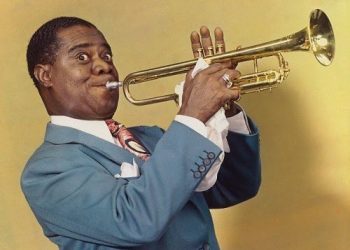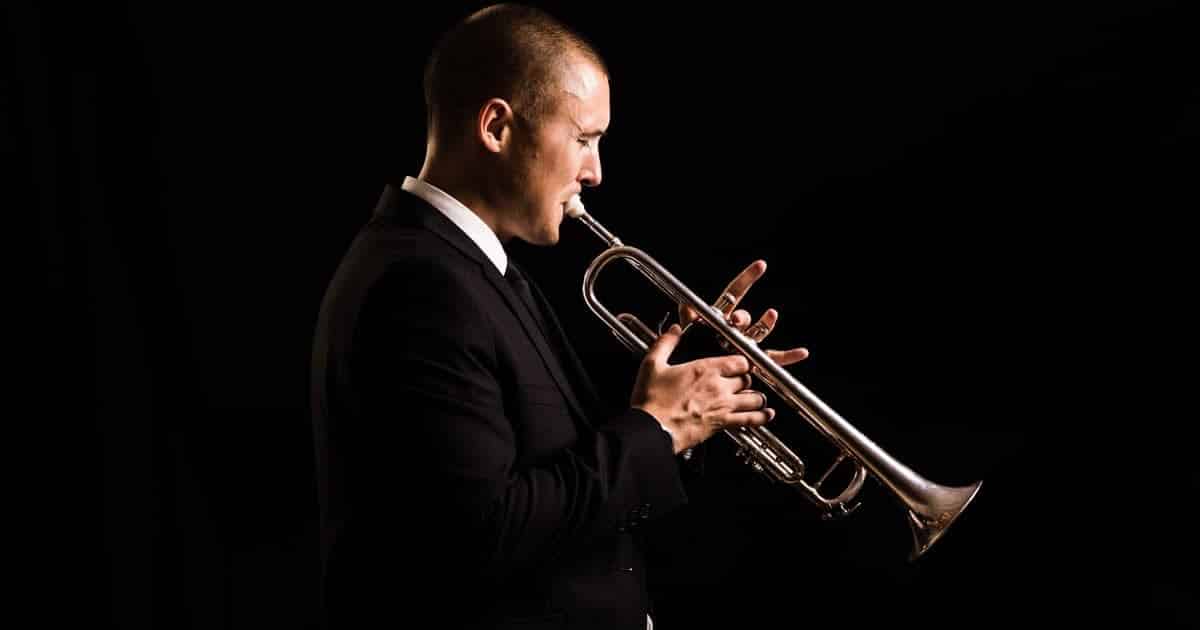
Trumpet players, the heralds of brass brilliance, possess a unique blend of power, precision, and passion that sets them apart in the world of music. With embouchures poised and valves at the ready, they breathe life into their instruments, unleashing a cascade of vibrant tones that soar through the air with majestic force.
Their performances are a testament to the versatility of the trumpet, capable of traversing genres from the majestic fanfares of classical compositions to the soulful wails of jazz improvisation. Each note they play is infused with a fervent energy, captivating audiences with its clarity and resonance.
Trumpet players are virtuosos of expression, wielding their instruments like extensions of their own beings. With each flourish and trill, they convey a wealth of emotion, from the triumphant cries of victory to the tender whispers of longing.
Whether commanding the spotlight in a symphony orchestra or leading a raucous brass band parade, trumpet players exude charisma and confidence, their music resonating with the power to uplift spirits and stir the soul. In their hands, the trumpet becomes more than just a tool of sound—it becomes a beacon of musical brilliance, heralding the triumphs and tribulations of the human experience.
1. Woody Shaw
Woody Shaw, born on December 24, 1944, was an influential American jazz trumpeter, composer, and bandleader known for his innovative approach to improvisation, virtuosic technique, and contributions to the post-bop and jazz fusion movements. Shaw’s music combined elements of bebop, modal jazz, and avant-garde jazz, and he was celebrated for his adventurous harmonies, intricate melodic lines, and expressive playing style.
Shaw emerged as a prominent figure in the jazz world in the 1960s and 1970s, gaining recognition for his work as a sideman with prominent jazz musicians such as Horace Silver, Art Blakey, and McCoy Tyner. He quickly established himself as one of the leading trumpeters of his generation, known for his dynamic solos, inventive compositions, and innovative use of technology.
In the 1970s, Shaw formed his own quintet and began to explore more avant-garde and experimental sounds. He released a series of acclaimed albums as a bandleader, including “Blackstone Legacy” (1970), “Rosewood” (1977), and “The Iron Men” (1980), which showcased his distinctive sound and forward-thinking approach to jazz.
Shaw’s compositions, such as “Zoltan,” “The Moontrane,” and “Rosewood,” have become jazz standards and are widely performed and recorded by musicians around the world. His innovative use of harmony and rhythm, coupled with his fiery improvisations, set him apart as one of the most innovative and forward-looking musicians of his time.
In addition to his work as a performer and composer, Shaw was also a dedicated educator and mentor, sharing his knowledge and passion for jazz with younger generations of musicians. He taught at several universities and music schools and was known for his generous spirit and commitment to passing on the tradition of jazz to future generations.
Woody Shaw’s career was tragically cut short when he passed away on May 10, 1989, at the age of 44. However, his legacy as one of the most innovative and influential trumpeters in jazz history lives on through his timeless recordings and enduring influence on the genre. He remains revered by musicians and fans alike for his unparalleled talent, creativity, and contributions to the evolution of jazz.
2. Bix Beiderbecke
Bix Beiderbecke, born Leon Bismark Beiderbecke on March 10, 1903, was an influential American jazz cornetist, pianist, and composer known for his distinctive playing style, lyrical improvisations, and pioneering contributions to the development of jazz in the 1920s.
Beiderbecke emerged as a prominent figure in the jazz world during the Roaring Twenties, a time of great cultural and artistic ferment in America. His smooth, lyrical cornet playing and innovative approach to improvisation set him apart from his contemporaries and earned him a devoted following among jazz enthusiasts.
One of Beiderbecke’s most famous recordings is “Singin’ the Blues” (1927), a landmark recording that showcases his lyrical cornet playing and his ability to convey emotion and depth through his improvisations. The recording is considered one of the finest examples of early jazz and remains a classic of the genre.
In addition to his work as a cornetist, Beiderbecke was also a talented pianist and composer. His compositions, such as “In a Mist” and “Candlelights,” reflect his eclectic musical influences and his unique approach to harmony and melody. Beiderbecke’s piano compositions in particular are admired for their impressionistic qualities and their anticipation of developments in jazz and classical music.
Despite his relatively short life and career, Beiderbecke left a lasting impact on the world of jazz. His innovative playing style and adventurous spirit inspired countless musicians and helped shape the direction of jazz for generations to come. Beiderbecke’s influence can be heard in the playing of later jazz cornetists and trumpeters, including Louis Armstrong, Miles Davis, and Chet Baker, among others.
Tragically, Beiderbecke’s life was cut short by his struggles with alcoholism, and he passed away on August 6, 1931, at the age of 28. However, his legacy as one of the most important figures in the history of jazz lives on through his timeless recordings and enduring influence on the genre. He remains revered as a jazz icon and a symbol of the Roaring Twenties era.
3. Nat Adderley
Nat Adderley, born Nathaniel Adderley on November 25, 1931, was an influential American jazz cornetist, trumpeter, and composer known for his soulful playing, catchy compositions, and contributions to the hard bop and soul jazz movements. He was the younger brother of the legendary alto saxophonist Cannonball Adderley, with whom he frequently collaborated throughout his career.
Nat Adderley first gained recognition in the late 1950s as a member of the Cannonball Adderley Quintet, one of the most popular and successful jazz groups of the era. His partnership with his brother resulted in numerous acclaimed recordings, including the classic albums “Something Else!!!!” (1958) and “Mercy, Mercy, Mercy! Live at ‘The Club'” (1966).
As a composer, Nat Adderley penned several jazz standards that became signature tunes for the Cannonball Adderley Quintet and other jazz ensembles. One of his most famous compositions is “Work Song,” a bluesy jazz anthem that features a catchy melody and a memorable call-and-response format. “Work Song” has been recorded by numerous jazz artists and remains a classic of the genre.
In addition to his work with his brother, Nat Adderley also had a successful career as a bandleader and recording artist in his own right. He released a series of albums for Riverside, Savoy, and other labels, showcasing his soulful playing and his talent as a composer and arranger.
Throughout his career, Nat Adderley remained committed to preserving and advancing the legacy of jazz, both as a performer and as an educator. He taught at several universities and music schools and mentored numerous aspiring musicians, passing on his knowledge and passion for jazz to future generations.
Nat Adderley passed away on January 2, 2000, but his legacy as one of the greatest cornetists and composers in jazz history lives on through his timeless recordings and enduring influence on the genre. He remains revered for his soulful playing, his catchy compositions, and his significant contributions to the development of hard bop and soul jazz.
4. Roy Eldridge
Roy Eldridge, born on January 30, 1911, was an influential American jazz trumpeter known for his virtuosic playing, fiery improvisations, and pioneering contributions to the development of bebop and swing music. Often referred to as “Little Jazz” due to his diminutive stature and immense talent, Eldridge was one of the most dynamic and influential trumpet players of his time.
Eldridge rose to prominence in the 1930s as a member of various big bands, including those led by Gene Krupa, Teddy Hill, and Fletcher Henderson. His electrifying solos and powerful high notes quickly made him a favorite among audiences and fellow musicians alike.
One of Eldridge’s most famous recordings is “After You’ve Gone” (1936), a classic jazz standard that features his scorching trumpet playing and dynamic improvisations. His innovative approach to phrasing, rhythm, and technique set new standards for trumpet playing in jazz and helped pave the way for the bebop revolution of the 1940s.
In addition to his work as a soloist, Eldridge was also a talented arranger and bandleader. He led several successful small groups throughout his career, recording numerous albums and touring extensively around the world.
Eldridge’s influence on the development of jazz cannot be overstated. His technical mastery, innovative improvisations, and charismatic stage presence inspired generations of trumpet players and helped shape the evolution of the genre.
Roy Eldridge passed away on February 26, 1989, but his legacy as one of the greatest trumpet players in jazz history lives on through his timeless recordings and enduring influence on the genre. He remains revered for his groundbreaking contributions to swing and bebop music and is remembered as a true jazz pioneer.
5. Harry James
Harry James, born on March 15, 1916, was an iconic American jazz trumpeter, bandleader, and actor known for his virtuosic trumpet playing, smooth tone, and charismatic stage presence. He was one of the most popular and successful bandleaders of the Swing Era and enjoyed a career that spanned several decades.
James rose to fame in the 1930s and 1940s as a member of Benny Goodman’s orchestra, where his dazzling trumpet solos and showmanship made him a standout performer. He later formed his own big band, the Harry James Orchestra, which quickly became one of the leading ensembles of the Swing Era.
One of James’s most famous recordings is “Trumpet Blues and Cantabile” (1939), a swinging jazz standard that features his virtuosic trumpet playing and smooth, lyrical phrasing. His expressive tone and technical prowess made him a favorite among audiences and fellow musicians alike.
In addition to his instrumental talent, James was also a talented arranger and bandleader. His orchestra featured some of the finest musicians of the era and produced numerous hit recordings, including “You Made Me Love You,” “Ciribiribin,” and “Sleepy Lagoon.”
James’s popularity extended beyond the world of music, and he appeared in several films throughout his career, including “Syncopation” (1942) and “Best Foot Forward” (1943). His good looks and charm made him a natural on screen, and he became a popular figure in Hollywood during the Swing Era.
Harry James continued to perform and record until his passing on July 5, 1983. His legacy as one of the greatest trumpeters and bandleaders in the history of jazz lives on through his timeless recordings and enduring influence on the genre. He remains revered for his technical mastery, musical versatility, and contributions to the golden age of swing music.
6. Donald Byrd
Donald Byrd, born on December 9, 1932, was an influential American jazz trumpeter, composer, and educator known for his versatile playing style, innovative approach to jazz, and significant contributions to the genre over the course of his career. Byrd was a leading figure in the hard bop and soul jazz movements of the 1950s and 1960s and later embraced funk and fusion influences in the 1970s.
Byrd first gained recognition in the 1950s as a member of Art Blakey’s Jazz Messengers, where he honed his skills alongside other jazz luminaries such as Horace Silver, Hank Mobley, and Jackie McLean. His powerful trumpet playing and melodic improvisations quickly made him a standout performer in the group.
In the 1960s, Byrd began to explore more adventurous and experimental sounds, incorporating elements of avant-garde jazz and modal jazz into his music. He released a series of acclaimed albums as a bandleader during this period, including “Free Form” (1961) and “A New Perspective” (1963), which featured innovative arrangements and compositions.
Byrd’s career took a new direction in the 1970s when he embraced funk and fusion influences, incorporating electric instruments and synthesizers into his music. He released several successful albums in this style, including “Black Byrd” (1973) and “Street Lady” (1973), which became crossover hits and introduced his music to a wider audience.
In addition to his work as a performer and recording artist, Byrd was also a dedicated educator and mentor. He taught at several universities and music schools and mentored numerous aspiring musicians, passing on his knowledge and passion for jazz to future generations.
Donald Byrd’s contributions to jazz were recognized with numerous awards and honors throughout his career, including multiple Grammy nominations and induction into the DownBeat Jazz Hall of Fame. He passed away on February 4, 2013, but his legacy as one of the most versatile and innovative trumpeters in jazz history lives on through his timeless recordings and enduring influence on the genre.
7. Arturo Sandoval
Arturo Sandoval, born on November 6, 1949, is a Cuban-American jazz trumpeter, pianist, and composer known for his virtuosic trumpet playing, improvisational skills, and versatility across various jazz styles. Sandoval’s remarkable talent and musicality have earned him widespread acclaim and recognition as one of the greatest trumpet players of his generation.
Sandoval first gained prominence in Cuba in the 1960s and 1970s as a member of the celebrated Orquesta Cubana de Música Moderna, where he honed his skills as a trumpeter and developed a reputation for his electrifying performances and innovative approach to jazz.
In the late 1970s, Sandoval’s international career began to take off when he joined the internationally acclaimed Cuban jazz ensemble Irakere, led by pianist Chucho Valdés. As a member of Irakere, Sandoval gained international recognition for his dazzling trumpet solos, fiery improvisations, and contributions to the group’s groundbreaking fusion of jazz, Afro-Cuban rhythms, and funk.
Sandoval defected from Cuba in 1990 and settled in the United States, where he continued to pursue his career as a solo artist, bandleader, and recording artist. He has released numerous albums as a leader, showcasing his exceptional trumpet playing and his versatility across various jazz styles, including bebop, Latin jazz, and fusion.
Throughout his career, Sandoval has collaborated with some of the biggest names in jazz and popular music, including Dizzy Gillespie, Stan Getz, Chick Corea, and Quincy Jones, among others. His performances and recordings have earned him multiple Grammy Awards and nominations, as well as critical acclaim from audiences and critics alike.
In addition to his work as a musician, Sandoval is also a renowned educator and mentor, teaching at several universities and music schools and passing on his knowledge and passion for jazz to future generations of musicians.
Arturo Sandoval’s contributions to jazz and Latin music are celebrated worldwide, and he continues to inspire audiences with his extraordinary talent, passion, and dedication to the art form. He remains a beloved figure in the jazz community and a true ambassador for the power of music to unite and uplift people across cultures and borders.
8. Maynard Ferguson
Maynard Ferguson, born on May 4, 1928, was a Canadian jazz trumpeter, bandleader, and composer known for his remarkable range, powerful sound, and virtuosic playing style. Ferguson was one of the most celebrated and influential trumpet players of the 20th century, and his career spanned over six decades.
Ferguson first gained recognition in the 1950s as a member of Stan Kenton’s orchestra, where he showcased his exceptional trumpet playing and dynamic stage presence. His soaring high notes and electrifying solos quickly made him a standout performer in the band, and he became known as one of the leading trumpeters of the era.
In the 1960s, Ferguson formed his own big band, the Maynard Ferguson Orchestra, which became one of the most popular and successful jazz ensembles of the time. His band’s high-energy performances, innovative arrangements, and thrilling trumpet solos captivated audiences around the world and earned Ferguson a devoted following.
One of Ferguson’s most famous recordings is his version of “MacArthur Park” (1970), a jazz-rock fusion arrangement that features his explosive trumpet playing and showcases his versatility as a musician. The recording became a crossover hit and introduced Ferguson’s music to a new generation of listeners.
Throughout his career, Ferguson continued to push the boundaries of jazz and explore new musical territories. He experimented with various styles and genres, including jazz-rock fusion, funk, and even disco, and his adventurous spirit and willingness to take risks made him a beloved figure among jazz enthusiasts and musicians alike.
In addition to his work as a performer and bandleader, Ferguson was also a talented composer and arranger, contributing numerous original compositions and arrangements to the jazz repertoire.
Maynard Ferguson’s contributions to jazz and popular music are celebrated worldwide, and his legacy as one of the greatest trumpet players in the history of the genre lives on through his timeless recordings and enduring influence on generations of musicians. He passed away on August 23, 2006, but his music continues to inspire and captivate audiences around the world.
9. Clifford Brown
Clifford Brown, born on October 30, 1930, was an extraordinary American jazz trumpeter whose career was tragically cut short, yet his impact on the genre remains profound. Known for his lyrical and inventive style, impeccable technique, and warm tone, Brown emerged as one of the most promising and influential figures in jazz during the 1950s.
Brown’s career began to soar when he joined Lionel Hampton’s band in 1953, where he quickly gained attention for his remarkable talent. He later became a member of the Max Roach Quintet, a collaboration that produced some of the most revered recordings in jazz history.
One of Brown’s most celebrated albums is “Clifford Brown & Max Roach” (1954), which features his dazzling trumpet playing and showcases his remarkable chemistry with Roach and the other members of the quintet. The album, which includes iconic tracks like “Joy Spring” and “Daahoud,” is considered a masterpiece of the hard bop era and solidified Brown’s reputation as one of the finest trumpet players of his time.
Tragically, Brown’s promising career was cut short when he died in a car accident on June 26, 1956, at the age of 25. Despite his untimely death, his impact on jazz was profound, and his recordings continue to inspire and influence musicians to this day.
Brown’s technical prowess, melodic sensibility, and soulful expression left an indelible mark on the jazz world, and he remains revered as one of the greatest trumpet players in the history of the genre. He is remembered not only for his exceptional talent as a musician but also for his warmth, humility, and dedication to his craft.
10. Wynton Marsalis
Wynton Marsalis, born on October 18, 1961, is an American trumpet player, composer, educator, and bandleader who has had a profound impact on the world of jazz and classical music. Renowned for his virtuosic trumpet playing, Marsalis is one of the most prominent and influential figures in contemporary jazz.
Marsalis first gained widespread recognition in the early 1980s as a member of Art Blakey’s Jazz Messengers and later as a leader of his own bands, including the Wynton Marsalis Quintet and the Wynton Marsalis Septet. He quickly established himself as a leading figure in the “Young Lions” movement, which sought to revitalize traditional jazz styles such as bebop and hard bop.
In addition to his work in jazz, Marsalis is also a prolific composer and arranger, with a body of work that spans both jazz and classical genres. He has composed numerous jazz suites, orchestral works, and chamber music pieces, earning him critical acclaim and multiple Grammy Awards.
Marsalis is also a dedicated educator and advocate for music education. He has served as the artistic director of Jazz at Lincoln Center since its inception in 1987 and has worked tirelessly to promote jazz education and appreciation around the world.
In recognition of his contributions to music, Marsalis has received numerous awards and honors, including the Pulitzer Prize for Music, the National Medal of Arts, and the NEA Jazz Masters Award. He is the first and only artist to win Grammy Awards in both jazz and classical categories in the same year, and his recordings have earned him critical acclaim and commercial success.
Wynton Marsalis’s influence extends far beyond the world of music. He is a cultural ambassador and a tireless advocate for the power of music to uplift, inspire, and unite people of all backgrounds. His dedication to excellence, innovation, and education has made him a revered figure in both jazz and classical music, and his legacy will continue to inspire generations of musicians for years to come.
11. Lee Morgan
Lee Morgan, born on July 10, 1938, was a talented American jazz trumpeter and composer known for his lyrical playing, expressive style, and powerful sound. He emerged as one of the leading figures of the hard bop movement during the 1950s and 1960s and became one of the most influential trumpet players of his generation.
Morgan’s career began at a young age when he joined Dizzy Gillespie’s big band at the age of 18. He quickly gained recognition for his exceptional talent and became known for his distinctive tone, technical proficiency, and melodic improvisations.
In the late 1950s, Morgan began recording as a leader and released a series of acclaimed albums for Blue Note Records, including “The Cooker” (1957) and “Lee Morgan Indeed!” (1957). These recordings showcased his formidable skills as a soloist and composer and established him as one of the most promising young talents in jazz.
One of Morgan’s most famous recordings is “The Sidewinder” (1964), a soul jazz classic that became a crossover hit and remains one of the best-selling jazz albums of all time. The album’s title track, with its infectious groove and catchy melody, catapulted Morgan to stardom and solidified his reputation as a leading voice in jazz.
Tragically, Morgan’s career was cut short when he was shot and killed by his common-law wife, Helen More, on February 19, 1972, at the age of 33. Despite his untimely death, his contributions to jazz continue to be celebrated, and his recordings remain beloved by jazz enthusiasts around the world.
Lee Morgan’s legacy as one of the greatest trumpeters in jazz history lives on through his timeless recordings and enduring influence on the genre. He is remembered not only for his exceptional talent as a musician but also for his contributions to the development of hard bop and soul jazz and his impact on generations of jazz musicians.
12. Louis Armstrong
Louis Armstrong, born on August 4, 1901, was an iconic American jazz trumpeter, vocalist, and bandleader who revolutionized the world of music and became one of the most influential figures in the history of jazz. Known affectionately as “Satchmo” and “Pops,” Armstrong’s groundbreaking contributions to jazz and his charismatic stage presence made him a beloved figure around the world.
Armstrong’s career began in the early 1920s when he joined King Oliver’s Creole Jazz Band in Chicago. He quickly gained attention for his innovative trumpet playing, characterized by his virtuosic technique, expressive phrasing, and ability to improvise. His recordings with the Hot Five and Hot Seven bands during the 1920s, including classics like “West End Blues” and “Potato Head Blues,” are considered some of the finest examples of early jazz and helped define the genre for generations to come.
In addition to his instrumental prowess, Armstrong was also a gifted vocalist known for his unique gravelly voice and his ability to interpret songs with depth and emotion. His recordings of songs like “What a Wonderful World,” “Hello, Dolly!,” and “La Vie En Rose” became international hits and remain beloved classics to this day.
Armstrong’s influence extended far beyond the world of music. He broke racial barriers and became a symbol of racial equality and unity through his music and his activism. His infectious smile, warm personality, and positive outlook on life endeared him to millions of fans around the world, and he remains one of the most iconic and beloved figures in the history of American popular music.
Throughout his career, Armstrong toured extensively around the world, spreading joy and spreading the message of jazz to audiences of all backgrounds. His performances were legendary for their energy, spontaneity, and improvisational brilliance, and he inspired countless musicians with his innovative approach to music.
Louis Armstrong passed away on July 6, 1971, but his legacy as one of the greatest musicians of the 20th century lives on through his timeless recordings, enduring influence on jazz and popular music, and his lasting impact on the hearts and minds of people around the world.
13. Miles Davis
Miles Davis, born on May 26, 1926, was an iconic American jazz trumpeter, bandleader, and composer who revolutionized the world of music and became one of the most influential figures in the history of jazz. Known for his restless creativity, fearless experimentation, and visionary approach to music, Davis constantly pushed the boundaries of the genre and left an indelible mark on generations of musicians.
Davis first gained recognition in the 1940s as a member of Charlie Parker’s bebop quintet, where he emerged as one of the leading figures of the bebop movement. His innovative trumpet playing, characterized by his understated yet deeply expressive style, quickly made him a standout performer and earned him a reputation as one of the most important trumpeters in jazz history.
In the 1950s, Davis formed his own groups and began to experiment with new musical styles and approaches. His collaborations with musicians such as pianist Gil Evans resulted in groundbreaking recordings such as “Birth of the Cool” (1957) and “Miles Ahead” (1957), which helped popularize the “cool jazz” and “modal jazz” movements.
One of Davis’s most celebrated albums is “Kind of Blue” (1959), widely regarded as one of the greatest jazz albums of all time. Featuring a stellar lineup of musicians, including John Coltrane, Cannonball Adderley, and Bill Evans, the album showcases Davis’s mastery of improvisation, his innovative use of modal harmony, and his ability to evoke emotion and atmosphere through his playing.
In the 1960s, Davis continued to push the boundaries of jazz with his experiments in free jazz, fusion, and electric instrumentation. Albums like “In a Silent Way” (1969) and “Bitches Brew” (1970) revolutionized the jazz world and paved the way for the emergence of jazz fusion and the jazz-rock movement.
Throughout his career, Davis remained a restless innovator, constantly seeking new sounds and new directions for his music. His willingness to take risks and challenge convention made him a controversial figure at times, but it also ensured that his music remained vital and relevant throughout his career.
Miles Davis’s influence on the world of music cannot be overstated. His groundbreaking recordings, visionary approach to music, and uncompromising artistic vision have inspired countless musicians and continue to shape the direction of jazz and popular music to this day. He passed away on September 28, 1991, but his legacy as one of the greatest musicians of the 20th century lives on through his timeless recordings and enduring influence on the genre.
14. Dizzy Gillespie
Dizzy Gillespie, born John Birks Gillespie on October 21, 1917, was an iconic American jazz trumpeter, composer, bandleader, and educator who played a pivotal role in the development of bebop and modern jazz. Known for his virtuosic trumpet playing, charismatic stage presence, and distinctive bent horn, Gillespie was one of the most influential figures in the history of jazz.
Gillespie’s career began in the swing era, where he played with prominent big bands such as Cab Calloway’s orchestra. However, it was his role as a leading figure in the bebop movement of the 1940s that cemented his legacy as one of the greatest trumpeters in jazz history. Alongside innovators like Charlie Parker, Thelonious Monk, and Bud Powell, Gillespie helped to revolutionize jazz with his groundbreaking compositions, complex harmonies, and lightning-fast improvisations.
One of Gillespie’s most famous compositions is “A Night in Tunisia,” a bebop standard that features his virtuosic trumpet playing and complex harmonic structures. The composition became a signature tune for Gillespie and remains one of the most beloved and frequently performed pieces in the jazz repertoire.
Gillespie’s contributions to jazz extended beyond his work as a performer and composer. He was also a tireless educator and mentor, helping to nurture the talents of countless aspiring musicians and passing on his knowledge and passion for jazz to future generations.
In addition to his musical innovations, Gillespie was known for his larger-than-life personality and his wit and humor both on and off the stage. His trademark bent trumpet, which he adopted after an accidental mishap, became one of the most recognizable symbols in jazz and a reflection of his irreverent and playful approach to music.
Throughout his career, Gillespie received numerous awards and honors, including multiple Grammy Awards and induction into the DownBeat Jazz Hall of Fame. He remained active as a performer and bandleader until his passing on January 6, 1993, but his influence on jazz continues to be felt to this day. Dizzy Gillespie’s legacy as a pioneering figure in the world of jazz and a true ambassador for the art form lives on through his timeless recordings, enduring compositions, and lasting impact on generations of musicians and music lovers.
15. Freddie Hubbard
Freddie Hubbard, born on April 7, 1938, was an influential American jazz trumpeter known for his virtuosic playing, versatility, and innovative approach to the instrument. Hubbard emerged as one of the leading figures of the post-bop and hard bop movements during the 1960s and 1970s and became one of the most celebrated trumpeters of his generation.
Hubbard’s career began in the late 1950s when he moved to New York City and quickly gained recognition for his exceptional talent. He performed and recorded with some of the biggest names in jazz, including Art Blakey, Wayne Shorter, Herbie Hancock, and John Coltrane, among others.
One of Hubbard’s most famous recordings is “Red Clay” (1970), a landmark album that showcases his formidable skills as a trumpeter, composer, and bandleader. The album, which features a fusion of jazz, funk, and soul influences, became a crossover hit and introduced Hubbard’s music to a wider audience.
Throughout his career, Hubbard explored a wide range of musical styles and genres, from bebop and hard bop to jazz fusion and beyond. His innovative approach to harmony, rhythm, and improvisation pushed the boundaries of jazz and helped shape the direction of the genre for generations to come.
In addition to his work as a performer and recording artist, Hubbard was also a talented composer and arranger, contributing numerous original compositions and arrangements to the jazz repertoire. His compositions, such as “Little Sunflower,” “First Light,” and “Straight Life,” have become jazz standards and are widely performed and recorded by musicians around the world.
Hubbard’s influence on the world of jazz cannot be overstated. His virtuosic trumpet playing, adventurous spirit, and relentless pursuit of musical excellence made him one of the most admired and respected figures in the history of jazz. He passed away on December 29, 2008, but his legacy as one of the greatest trumpeters in jazz history lives on through his timeless recordings and enduring influence on the genre.

Edward Tomlin is a frequent contributor to Singers Room. Since 2005, Singersroom has been the voice of R&B around the world. Connect with us via social media below.