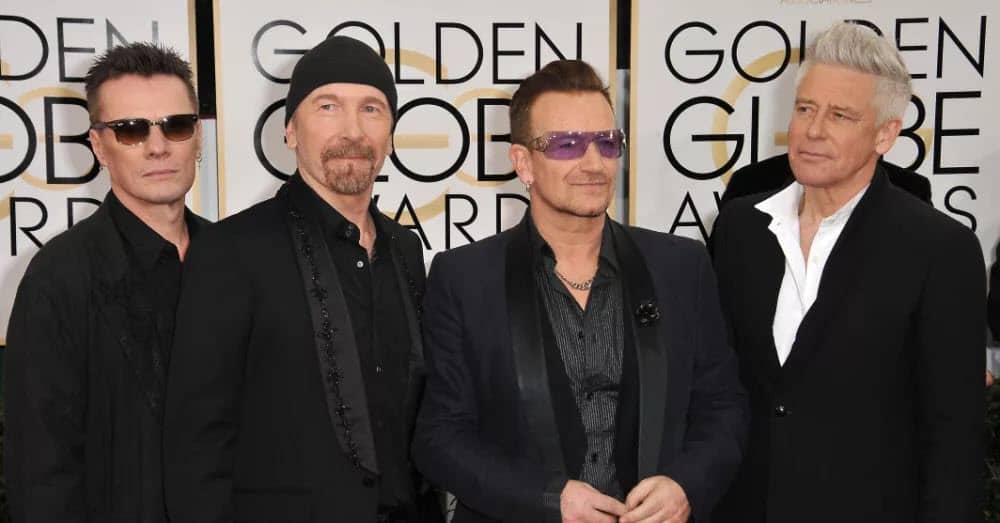
U2 is an Irish rock band formed in Dublin in 1976. The group consists of Bono (vocals and rhythm guitar), the Edge (lead guitar, keyboards, and backing vocals), Adam Clayton (bass guitar), and Larry Mullen Jr. (drums and percussion).
U2’s sound is characterized by their anthemic rock style, often incorporating elements of post-punk, alternative rock, and electronic music. Their lyrics often touch on themes of social and political activism, spirituality, and personal reflection.
The band gained international fame with their early albums, such as “War” (1983) and “The Joshua Tree” (1987), which featured hits like “Sunday Bloody Sunday,” “Pride (In the Name of Love),” and “With or Without You.” “The Joshua Tree” in particular solidified U2’s reputation as one of the world’s biggest rock bands, winning critical acclaim and multiple Grammy Awards.
Throughout their career, U2 has continued to evolve musically, experimenting with different genres and styles. They have released numerous successful albums, including “Achtung Baby” (1991), “Zooropa” (1993), “All That You Can’t Leave Behind” (2000), and “How to Dismantle an Atomic Bomb” (2004).
U2 is also known for their electrifying live performances and their commitment to social causes. Bono, in particular, has been heavily involved in various humanitarian efforts, including campaigns against poverty and disease in Africa.
With over four decades of music-making, U2 remains one of the most enduring and influential rock bands of all time, selling millions of records worldwide and leaving an indelible mark on the music industry.
1. Desire
“Desire” is a song by U2, released in 1988 as the lead single from their album “Rattle and Hum.” It was written by U2’s lead vocalist Bono and guitarist the Edge, with contributions from the entire band. The song is known for its bluesy rock sound and energetic rhythm.
“Desire” features a distinctive slide guitar riff by the Edge and a driving beat by drummer Larry Mullen Jr. Lyrically, the song explores themes of desire, temptation, and longing. Bono’s vocals are characterized by their raw intensity and passionate delivery, adding to the song’s emotional impact.
The music video for “Desire” was directed by Richard Lowenstein and features the band performing the song in a gritty, black-and-white style. The video captures the energy and charisma of U2’s live performances, further enhancing the song’s appeal.
“Desire” was a commercial success, reaching the top ten in several countries and solidifying U2’s status as one of the world’s biggest rock bands. It remains a staple of U2’s live shows and is often cited as one of their standout tracks from the late 1980s.
2. Mysterious Ways
“Mysterious Ways” is a song by the Irish rock band U2, released as the second single from their 1991 album “Achtung Baby.” The song was written by U2’s members Bono, the Edge, Adam Clayton, and Larry Mullen Jr.
“Mysterious Ways” is characterized by its distinctive guitar riff, funky rhythm, and infectious groove. Lyrically, the song explores themes of desire, spirituality, and the enigmatic nature of human relationships. The lyrics suggest that love and divine intervention can manifest in unexpected and mysterious ways.
The music video for “Mysterious Ways,” directed by Stéphane Sednaoui, features a belly dancer performing alongside the band members in a Moroccan village. The video’s vibrant visuals and exotic imagery complement the song’s eclectic sound.
Upon its release, “Mysterious Ways” received widespread acclaim from critics and became one of U2’s most popular and enduring songs. It topped the charts in multiple countries and remains a staple of the band’s live performances. With its infectious energy and spiritual undertones, “Mysterious Ways” continues to captivate audiences around the world.
3. Vertigo
“Vertigo” is a song by the Irish rock band U2, released as the lead single from their 2004 album “How to Dismantle an Atomic Bomb.” The song was written by U2’s members Bono, the Edge, Adam Clayton, and Larry Mullen Jr.
“Vertigo” is characterized by its energetic guitar riff, driving rhythm, and anthemic chorus. Lyrically, the song is a celebration of the thrill and excitement of rock and roll, with Bono’s vocals delivering a sense of urgency and passion.
The music video for “Vertigo,” directed by Alex and Martin, features the band performing the song against a backdrop of bold, abstract visuals. The video’s fast-paced editing and vibrant imagery capture the song’s dynamic energy and intensity.
Upon its release, “Vertigo” received widespread acclaim from critics and became one of U2’s most successful singles of the 2000s. It topped the charts in multiple countries and earned the band several Grammy Awards, including Best Rock Performance by a Duo or Group with Vocal.
“Vertigo” remains a fan favorite and a staple of U2’s live performances, known for its infectious energy and memorable guitar riff. With its electrifying sound and powerful lyrics, “Vertigo” continues to resonate with audiences around the world.
4. Sunday Bloody Sunday
“Sunday Bloody Sunday” is a politically charged song by the Irish rock band U2, released as the opening track from their 1983 album “War.” The song was written by U2’s members Bono, the Edge, Adam Clayton, and Larry Mullen Jr.
“Sunday Bloody Sunday” addresses the Troubles in Northern Ireland, specifically the Bloody Sunday incident of 1972, when British soldiers shot and killed unarmed civil rights protesters in Derry. The song’s lyrics express outrage and sorrow over the violence and injustice of the conflict, while also advocating for peace and reconciliation.
Musically, “Sunday Bloody Sunday” is characterized by its martial drumbeat, powerful guitar riffs, and anthemic chorus. Bono’s impassioned vocals convey a sense of urgency and defiance, making the song a powerful rallying cry for social justice.
The song’s iconic live performances, often featuring a white flag waved by Bono, have further cemented its status as one of U2’s signature songs. “Sunday Bloody Sunday” has also been covered by numerous artists and has become a symbol of resistance and solidarity in the face of oppression.
Decades after its release, “Sunday Bloody Sunday” remains a timeless anthem for peace and justice, resonating with audiences around the world who continue to confront the challenges of conflict and inequality.
5. Pride (In the Name of Love)
“Pride (In the Name of Love)” is a song by U2, released in 1984 as the lead single from their album “The Unforgettable Fire.” It was written by the band’s members, with lyrics by Bono, U2’s lead vocalist, and music by the entire band.
The song is a tribute to Martin Luther King Jr. and his work in the civil rights movement. The lyrics reflect on King’s life, his dedication to non-violent activism, and the impact he had on the world. The chorus, which repeats “In the name of love / What more in the name of love,” highlights King’s message of love and peace as central to his activism.
Musically, “Pride (In the Name of Love)” features a memorable guitar riff by the Edge, along with a driving rhythm section provided by bassist Adam Clayton and drummer Larry Mullen Jr. Bono’s vocals are emotive and passionate, conveying the song’s powerful message.
The song’s release coincided with the celebration of Martin Luther King Jr. Day in the United States, and it became one of U2’s most iconic and enduring tracks. “Pride (In the Name of Love)” achieved commercial success, reaching the top ten in several countries and becoming a staple of U2’s live performances.
Beyond its commercial success, “Pride (In the Name of Love)” has been praised for its poignant lyrics and its tribute to Martin Luther King Jr.’s legacy. It remains a timeless anthem for social justice and equality, and it continues to resonate with audiences around the world.
6. Where the Streets Have No Name
“Where the Streets Have No Name” is a song by the Irish rock band U2, released as the opening track from their 1987 album “The Joshua Tree.” The song was written by U2’s members Bono, the Edge, Adam Clayton, and Larry Mullen Jr.
“Where the Streets Have No Name” is characterized by its anthemic sound, soaring guitar lines, and pulsating rhythm. Lyrically, the song explores themes of hope, longing, and escape, with Bono’s vocals expressing a desire to transcend social and geographic boundaries.
The song’s title was inspired by Bono’s experiences visiting Ethiopia and witnessing the poverty and suffering there. He envisioned a place where people were not defined by their social status or location, but rather by their humanity and spirit.
“Where the Streets Have No Name” is renowned for its epic live performances, often serving as the opening song for U2’s concerts. The band’s performance of the song at the Live Aid concert in 1985 is particularly memorable, with Bono famously climbing a scaffold and waving a white flag.
The song’s powerful message and infectious melody have made it one of U2’s most beloved and enduring songs. It has been covered by numerous artists and continues to resonate with audiences around the world, inspiring hope and unity in the face of adversity.
7. Beautiful Day
“Beautiful Day” is a song by U2, released in 2000 as the lead single from their album “All That You Can’t Leave Behind.” It was written by the band’s members, with lyrics by Bono and music by the entire band.
“Beautiful Day” is an uplifting rock anthem that celebrates hope, renewal, and the beauty of life. The lyrics convey a sense of optimism and resilience, encouraging listeners to embrace the opportunities and challenges that each day brings. The chorus, with its anthemic refrain of “It’s a beautiful day / Don’t let it get away,” has become one of the most iconic and recognizable lines in U2’s discography.
Musically, “Beautiful Day” features a memorable guitar riff by the Edge, along with a driving rhythm section provided by bassist Adam Clayton and drummer Larry Mullen Jr. Bono’s vocals are powerful and impassioned, conveying the song’s message of positivity and gratitude.
The song’s release was accompanied by a visually stunning music video directed by Jonas Åkerlund, which features footage of U2 performing on a runway at Charles de Gaulle Airport in Paris, interspersed with surreal imagery and scenes of everyday life. The video won several awards, including the Grammy Award for Best Music Video.
“Beautiful Day” was a commercial and critical success, topping the charts in multiple countries and winning three Grammy Awards, including Song of the Year. It remains one of U2’s most beloved and enduring songs, and it is often cited as one of the greatest rock anthems of all time.
8. I Still Haven’t Found What I’m Looking For
“I Still Haven’t Found What I’m Looking For” is a song by the Irish rock band U2, released as the second single from their 1987 album “The Joshua Tree.” The song was written by U2’s members Bono, the Edge, Adam Clayton, and Larry Mullen Jr.
“I Still Haven’t Found What I’m Looking For” is characterized by its gospel-inspired sound, soulful vocals, and uplifting melody. Lyrically, the song explores themes of spiritual longing, doubt, and the search for meaning and fulfillment. Bono’s vocals convey a sense of yearning and introspection as he reflects on his journey and quest for purpose.
The song’s memorable chorus, with its repeated refrain of “I still haven’t found what I’m looking for,” resonates with listeners who can relate to feelings of uncertainty and longing in their own lives.
“I Still Haven’t Found What I’m Looking For” received widespread acclaim from critics and became one of U2’s most successful songs, topping the charts in multiple countries. Its timeless message and universal appeal have made it a staple of U2’s live performances and a fan favorite for decades.
The song’s introspective lyrics and anthemic melody continue to resonate with audiences around the world, reminding listeners that the search for meaning and fulfillment is a universal human experience.
9. One
“One” is a song by U2, released in 1991 as the third single from their album “Achtung Baby.” It was written by the band’s members, with lyrics by Bono and music by the entire band.
“One” is a powerful and emotionally resonant ballad that explores themes of love, reconciliation, and unity. The lyrics are open to interpretation, with Bono’s introspective and evocative verses addressing themes of personal and interpersonal struggle, while the chorus emphasizes the idea of coming together and finding common ground.
Musically, “One” features a haunting melody and atmospheric instrumentation, including the Edge’s signature guitar sound and Bono’s emotive vocals. The song’s arrangement builds gradually, culminating in a powerful climax that reflects the intensity of its message.
The release of “One” was accompanied by a thought-provoking music video directed by Anton Corbijn, which features stark imagery and symbolic visuals that complement the song’s themes. The video became iconic and is often regarded as one of the greatest music videos of all time.
“One” received widespread critical acclaim and was a commercial success, reaching the top ten in multiple countries. It has since become one of U2’s most beloved and enduring songs, frequently cited as one of the greatest rock songs ever recorded. The song’s message of empathy and connection continues to resonate with audiences around the world.
10. With or Without You
“With or Without You” is a poignant ballad by the Irish rock band U2, released as the lead single from their 1987 album “The Joshua Tree.” The song was written by U2’s members Bono, the Edge, Adam Clayton, and Larry Mullen Jr.
“With or Without You” is characterized by its haunting melody, atmospheric instrumentation, and emotional lyrics. The song explores themes of love, longing, and vulnerability, with Bono’s vocals conveying a sense of heartache and introspection.
The song’s lyrics reflect the complexities of relationships, capturing the push and pull of desire and dependence. The chorus, with its refrain of “I can’t live with or without you,” encapsulates the paradoxical nature of love and the difficulty of letting go.
“With or Without You” became one of U2’s most successful songs, topping the charts in multiple countries and earning critical acclaim for its emotional depth and musical craftsmanship. Its timeless appeal has made it a staple of U2’s live performances and a fan favorite for decades.
The song’s evocative melody and introspective lyrics continue to resonate with audiences around the world, speaking to the universal experience of love and loss. “With or Without You” remains a powerful and enduring testament to the enduring impact of U2’s music.

Edward Tomlin is a frequent contributor to Singers Room. Since 2005, Singersroom has been the voice of R&B around the world. Connect with us via social media below.









