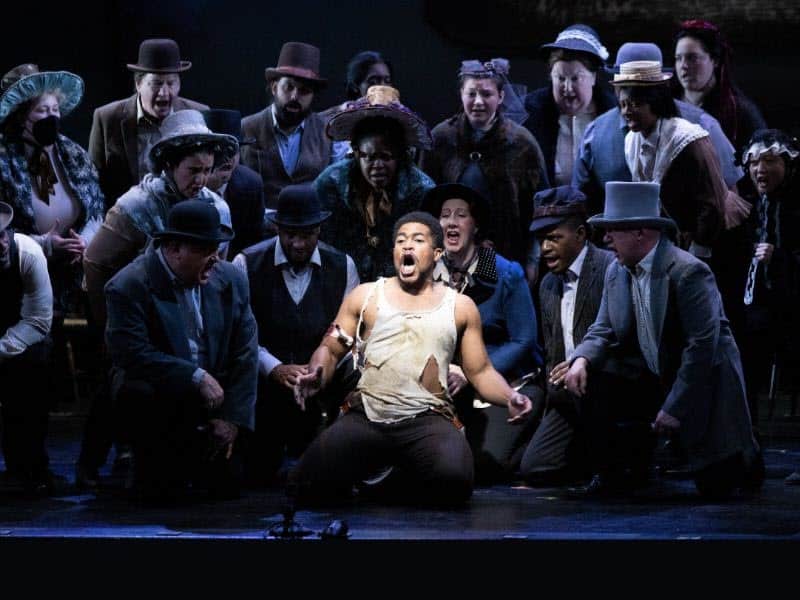
Opera songs are the pinnacle of vocal and musical artistry, encapsulating the human experience in a fusion of music, drama, and emotion. These compositions, often performed in grand theaters with elaborate sets and costumes, tell stories of love, tragedy, passion, and triumph through the power of music and singing.
At the heart of opera are the arias, solo pieces that showcase the vocal prowess and emotional depth of the singer. These arias range from heart-wrenching laments to triumphant declarations, each expressing the character’s innermost thoughts and feelings. Alongside the arias are ensembles, duets, and choruses, which further enrich the narrative and add depth to the storytelling.
Opera songs are crafted with meticulous attention to detail, blending intricate melodies, rich harmonies, and dynamic orchestration to create a truly immersive experience for the audience. They are performed by highly trained singers who possess not only exceptional vocal abilities but also the dramatic skills to convey the characters’ emotions convincingly.
From the soaring heights of love-struck romances to the depths of despair in moments of tragedy, opera songs transport listeners to another world, stirring the soul and leaving an indelible impression long after the final notes fade away.
1. Nessun dorma by Giacomo Puccini
“Nessun Dorma” is an aria from the final act of Giacomo Puccini’s opera “Turandot,” first performed in 1926. It has since become one of the most famous and beloved arias in the operatic repertoire, celebrated for its emotional depth, soaring melodies, and dramatic intensity.
The aria is sung by the character Calaf, a prince who falls in love with the cold-hearted Princess Turandot. In order to marry her, Calaf must solve three riddles posed by Turandot. If he fails, he will be executed at dawn. Despite the risk, Calaf confidently declares that none shall sleep until he has won Turandot’s heart, hence the title “Nessun Dorma,” which translates to “None Shall Sleep.”
Musically, “Nessun Dorma” is characterized by its powerful and stirring melody, which builds in intensity as Calaf expresses his determination to win Turandot’s love. The aria begins with a tender and plaintive melody, reflecting Calaf’s longing for Turandot, before swelling into a triumphant and impassioned declaration of love. Puccini’s lush orchestration, featuring soaring strings and dramatic brass fanfares, adds to the aria’s emotional impact, creating a sense of grandeur and majesty befitting its operatic setting.
“Nessun Dorma” has transcended the world of opera to become a widely recognized and beloved piece of music, performed by countless singers in concerts, recitals, and even pop music settings. Its universal themes of love, courage, and determination continue to resonate with audiences around the world, making it a timeless classic of the operatic repertoire.
2. La donna e mobile by Giuseppe Verdi
“La donna è mobile” is one of the most famous and recognizable arias in the operatic repertoire, composed by Giuseppe Verdi for his opera “Rigoletto.” Written in 1851, this aria is a spirited and lively showcase for the Duke of Mantua, a character known for his charm and roguish nature.
The aria is sung in Act 3 of “Rigoletto” by the Duke, who sings about the fickleness of women and how they cannot be trusted. The Duke, a notorious womanizer, revels in the thrill of seduction and views love as a fleeting and transient pleasure. The catchy melody and playful lyrics capture the Duke’s carefree and hedonistic attitude towards romance, making “La donna è mobile” a favorite among both audiences and tenors alike.
Musically, “La donna è mobile” is characterized by its upbeat tempo, jaunty rhythm, and memorable melody. Verdi’s skillful orchestration, featuring lively strings and bright brass accents, adds to the aria’s energetic and effervescent quality. The aria’s infectious melody and singable refrain have made it a popular choice for concerts, recitals, and even pop culture references, ensuring its enduring popularity outside of the opera house.
“La donna è mobile” remains a beloved and iconic piece of music, celebrated for its catchy melody, lively rhythm, and witty lyrics. Its enduring appeal and universal themes of love and betrayal continue to captivate audiences around the world, cementing its status as one of Verdi’s most beloved compositions.
3. O mio babbino caro by Giacomo Puccini
“O mio babbino caro” is an aria from the opera “Gianni Schicchi” by Italian composer Giacomo Puccini. The opera premiered in 1918 as part of Puccini’s trilogy “Il trittico.” The aria is sung by the character Lauretta, the daughter of Gianni Schicchi, who pleads with her father to allow her to marry the man she loves.
The aria is known for its exquisite beauty and emotional intensity. Lauretta’s tender and heartfelt plea to her father is expressed through a melody that is both hauntingly beautiful and deeply moving. The aria’s title translates to “Oh my dear papa,” and its lyrics convey Lauretta’s desperate longing to be with her beloved Rinuccio.
“O mio babbino caro” is one of Puccini’s most famous and beloved compositions, cherished for its lush melodies and poignant expression of love and longing. It has been performed and recorded by countless opera singers and has become a staple of the soprano repertoire.
The aria’s timeless appeal has also led to its inclusion in various films, television shows, and popular culture references. Its enduring popularity is a testament to Puccini’s mastery of melody and his ability to evoke deep emotion through his music.
4. Der Hölle Rache kocht in meinem Herzen by Wolfgang Amadeus Mozart
“Der Hölle Rache kocht in meinem Herzen” is an aria from Wolfgang Amadeus Mozart’s opera “Die Zauberflöte” (The Magic Flute). It is also known simply as the “Queen of the Night Aria.” The opera premiered in 1791, and the aria is sung by the character Queen of the Night in the second act.
The aria is renowned for its virtuosic vocal demands, featuring incredibly high notes and rapid passages that require exceptional skill and agility from the soprano performer. The Queen of the Night, furious with her daughter Pamina and seeking revenge on the opera’s protagonist Sarastro, sings of her rage and desire for vengeance.
The title “Der Hölle Rache kocht in meinem Herzen” translates to “Hell’s vengeance boils in my heart,” and the aria’s lyrics express the Queen’s fury and determination to see her enemies punished. The music is dramatic and intense, with rapid-fire coloratura passages and soaring high notes that convey the Queen’s powerful emotions.
Despite its technical challenges, the aria has become one of the most famous and frequently performed pieces in the operatic repertoire. It showcases Mozart’s skill as a composer and his ability to create music that is both musically complex and emotionally gripping.
“Der Hölle Rache kocht in meinem Herzen” is a highlight of “Die Zauberflöte” and a showcase for sopranos who tackle its demanding vocal requirements. It continues to captivate audiences with its dramatic power and remains one of Mozart’s most celebrated compositions.
5. Libiamo ne’ lieti calici by Giuseppe Verdi
“Libiamo ne’ lieti calici” is a famous drinking song from Giuseppe Verdi’s opera “La Traviata.” Composed in 1853, this lively and exuberant aria is sung in the first act of the opera during a festive party scene, where the characters celebrate life and love.
The title translates to “Let’s drink from the joyful cups,” and the aria’s lyrics express the joy of living in the moment and seizing the pleasures of life. Sung by the opera’s protagonist, Violetta, and the romantic lead, Alfredo, “Libiamo ne’ lieti calici” is a toast to friendship, love, and the joys of youth.
Musically, “Libiamo ne’ lieti calici” is characterized by its sprightly tempo, catchy melody, and spirited orchestration. Verdi’s lively and effervescent score, featuring sparkling strings, festive brass fanfares, and rhythmic percussion, perfectly captures the atmosphere of a lively party. The aria’s memorable melody and singable refrain have made it a popular choice for concerts, recitals, and even weddings.
“Libiamo ne’ lieti calici” is a beloved and iconic piece of music, celebrated for its infectious energy, joyful spirit, and universal themes of love and celebration. Its enduring popularity and timeless appeal continue to captivate audiences around the world, making it a cherished part of the operatic repertoire.
6. Largo al factotum by Gioachino Rossini
“Largo al factotum” is one of the most famous arias from the opera “Il barbiere di Siviglia” (The Barber of Seville) by Italian composer Gioachino Rossini. The opera premiered in 1816, with a libretto by Cesare Sterbini based on the play by Pierre Beaumarchais.
The aria is sung in the first act by the character Figaro, a lively and resourceful barber who serves as the opera’s central character. In “Largo al factotum,” Figaro introduces himself and his various skills as a barber, declaring himself to be the busiest and most important person in town.
The aria’s title translates to “Make way for the factotum,” and its lively melody and rapid-fire lyrics perfectly capture Figaro’s energetic personality and quick wit. The music is characterized by its jaunty rhythm and catchy melody, which have made it instantly recognizable and beloved by audiences around the world.
“Largo al factotum” is a showcase for baritones who perform the role of Figaro, requiring both vocal agility and comedic flair. The aria’s humorous lyrics and spirited music have made it a favorite among opera singers and audiences alike, and it remains one of the most popular and frequently performed pieces in the operatic repertoire.
7. Vissi d’arte by Giacomo Puccini
“Vissi d’arte” is a poignant aria from Giacomo Puccini’s opera “Tosca.” Composed in 1900, this aria is sung by the opera’s protagonist, Floria Tosca, a celebrated opera singer who finds herself in a desperate situation.
The title “Vissi d’arte” translates to “I lived for art,” and the aria’s lyrics express Tosca’s anguish and despair as she grapples with the injustice and cruelty of fate. In the aria, Tosca reflects on her devotion to her art and her unwavering commitment to living a virtuous life, despite the suffering and betrayal she has endured.
Musically, “Vissi d’arte” is characterized by its poignant melody, expressive lyrics, and lush orchestration. Puccini’s emotive score, featuring soaring strings, plaintive woodwinds, and dramatic brass accents, perfectly captures the intensity of Tosca’s emotions as she pleads for divine intervention.
“Vissi d’arte” is a powerful and deeply moving piece of music, celebrated for its emotional depth, lyrical beauty, and heartbreaking sincerity. Its universal themes of sacrifice, redemption, and the power of art to transcend suffering continue to resonate with audiences around the world, making it one of Puccini’s most beloved and enduring compositions.
8. Un bel di vedremo by Giacomo Puccini
“Un bel dì vedremo” is an aria from the opera “Madama Butterfly” by Italian composer Giacomo Puccini. The opera premiered in 1904, with a libretto by Luigi Illica and Giuseppe Giacosa based on the short story by John Luther Long and the play by David Belasco.
In “Un bel dì vedremo,” the protagonist Cio-Cio-San, also known as Butterfly, expresses her hopeful anticipation of the return of her beloved, the American naval officer Pinkerton. Despite his abandonment of her after their brief marriage, Butterfly clings to the hope that he will return to her one day, as he promised.
The aria’s title translates to “One fine day, we’ll see,” and its beautiful melody and poignant lyrics convey Butterfly’s longing and optimism. The music is characterized by its lyrical lines and expressive orchestration, which perfectly capture the emotional depth of the character’s feelings.
“Un bel dì vedremo” is one of the most famous and beloved arias in the operatic repertoire, cherished for its haunting beauty and heartfelt emotion. It is a showcase for sopranos who perform the role of Butterfly, requiring both vocal power and emotional sensitivity.
The aria’s universal themes of love, hope, and longing have resonated with audiences around the world, and it remains a highlight of “Madama Butterfly” and a defining moment in the career of Giacomo Puccini.
9. Si, mi chiamano Mimi by Giacomo Puccini
“Si, mi chiamano Mimi” is a poignant aria from Giacomo Puccini’s opera “La Bohème.” Composed in 1896, this aria is sung by the character Mimi, a young seamstress who falls in love with the poet Rodolfo.
The title “Si, mi chiamano Mimi” translates to “Yes, they call me Mimi,” and the aria’s lyrics introduce Mimi’s character as she describes herself to Rodolfo. In the aria, Mimi shares details of her simple and humble life, expressing her warmth, kindness, and longing for love.
Musically, “Si, mi chiamano Mimi” is characterized by its lyrical melody, tender expression, and intimate orchestration. Puccini’s emotive score, featuring delicate strings, gentle woodwinds, and poignant harmonies, perfectly captures the innocence and vulnerability of Mimi’s character as she opens her heart to Rodolfo.
“Si, mi chiamano Mimi” is a beautiful and touching piece of music, celebrated for its emotional depth, lyrical beauty, and heartfelt sincerity. Its universal themes of love, longing, and the search for human connection continue to resonate with audiences around the world, making it one of Puccini’s most beloved and enduring compositions.
10. E lucevan le stelle by Giacomo Puccini
“E lucevan le stelle” is a poignant aria from Giacomo Puccini’s opera “Tosca.” Composed in 1900, this aria is sung by the character Mario Cavaradossi, a painter and the lover of the opera’s protagonist, Floria Tosca.
The title “E lucevan le stelle” translates to “And the stars were shining,” and the aria’s lyrics express Cavaradossi’s bittersweet reflections as he awaits his execution. In the aria, Cavaradossi reminisces about his love for Tosca and laments the injustice of his impending death. He finds solace in the beauty of the night sky and the memories of his beloved.
Musically, “E lucevan le stelle” is characterized by its haunting melody, expressive lyrics, and dramatic orchestration. Puccini’s emotive score, featuring plaintive strings, poignant woodwinds, and powerful brass accents, perfectly captures the intensity of Cavaradossi’s emotions as he faces his fate.
“E lucevan le stelle” is a deeply moving and poignant piece of music, celebrated for its emotional depth, lyrical beauty, and heartbreaking sincerity. Its universal themes of love, loss, and the fragility of life continue to resonate with audiences around the world, making it one of Puccini’s most beloved and enduring compositions.
11. Voi, che sapete by Wolfgang Amadeus Mozart
“Voi, che sapete” is an aria from Wolfgang Amadeus Mozart’s opera “Le nozze di Figaro” (The Marriage of Figaro). The opera premiered in 1786, with a libretto by Lorenzo Da Ponte based on the play by Pierre Beaumarchais.
In “Voi, che sapete,” the character Cherubino, a young page in the Count’s household, sings about the confusing and overwhelming feelings of love that he is experiencing for the Countess. The aria is addressed to Susanna, the Countess’s maid, and Cherubino asks her for advice on how to deal with his emotions.
The title “Voi, che sapete” translates to “You, who know” in English, and the aria’s lyrics express Cherubino’s vulnerability and innocence as he grapples with the complexities of love. The music is characterized by its gentle melody and lilting rhythm, which perfectly capture the youthful ardor and longing of the character.
“Voi, che sapete” is one of Mozart’s most beloved and frequently performed arias, cherished for its beauty and emotional depth. It is a showcase for mezzo-sopranos who perform the role of Cherubino, requiring both vocal agility and expressive interpretation.
The aria’s universal themes of love and longing have resonated with audiences for centuries, and it remains a highlight of “Le nozze di Figaro” and a testament to Mozart’s genius as a composer.
12. Che gelida manina by Giacomo Puccini
“Che gelida manina” is an aria from the opera “La Bohème” by Italian composer Giacomo Puccini. The opera premiered in 1896, with a libretto by Luigi Illica and Giuseppe Giacosa based on the novel “Scènes de la vie de bohème” by Henri Murger.
In “Che gelida manina,” the protagonist Rodolfo, a struggling poet, sings to Mimì, a young seamstress, whom he has just met. The aria takes place in the first act when Rodolfo and Mimì are alone in his garret apartment. Rodolfo sings of his immediate attraction to Mimì and invites her to warm her frozen hands by his fireplace.
The title “Che gelida manina” translates to “What a frozen little hand” in English, and the aria’s lyrics express Rodolfo’s admiration for Mimì’s beauty and his desire to comfort her. The music is characterized by its lyrical melody and emotional intensity, which perfectly capture the tender and romantic nature of the scene.
“Che gelida manina” is one of Puccini’s most famous and beloved arias, cherished for its beauty and poignancy. It is a showcase for tenors who perform the role of Rodolfo, requiring both vocal power and expressive interpretation.
The aria’s universal themes of love and longing have resonated with audiences for over a century, and it remains a highlight of “La Bohème” and a testament to Puccini’s genius as a composer.
13. The Toreador Song by Georges Bizet
“The Toreador Song” is an aria from the opera “Carmen” by French composer Georges Bizet. The opera premiered in 1875, with a libretto by Henri Meilhac and Ludovic Halévy based on the novella of the same name by Prosper Mérimée.
In “The Toreador Song,” the character Escamillo, a dashing bullfighter, sings of his bravery and skill in the bullring, as well as his popularity with the crowds. The aria takes place in the second act of the opera, during a gathering at the tavern where Escamillo is celebrated by his admirers.
The title “The Toreador Song” refers to the profession of Escamillo as a bullfighter, known as a “toreador” in Spanish. The aria’s lyrics boast of the toreador’s fearless demeanor and his prowess in the arena. The music is characterized by its lively tempo and rhythmic energy, reflecting the excitement and spectacle of the bullfight.
“The Toreador Song” is one of the most famous and recognizable arias in the operatic repertoire, cherished for its catchy melody and vibrant orchestration. It is a showcase for baritones who perform the role of Escamillo, requiring both vocal strength and charisma.
The aria’s universal appeal and memorable tune have made it a favorite among opera enthusiasts and casual listeners alike. It remains a highlight of “Carmen” and a testament to Bizet’s skill as a composer.
14. Una furtiva lagrima by Gaetano Donizetti
“Una furtiva lagrima” is a famous aria from Gaetano Donizetti’s opera “L’elisir d’amore” (The Elixir of Love). Composed in 1832, this aria is sung by the character Nemorino, a young peasant who is hopelessly in love with the wealthy Adina.
The title “Una furtiva lagrima” translates to “A furtive tear,” and the aria’s lyrics describe Nemorino’s reaction when he sees Adina shedding a tear. In the aria, Nemorino reflects on the power of love and is moved by Adina’s display of emotion. He interprets her tear as a sign that she may return his affections, filling him with hope and joy.
Musically, “Una furtiva lagrima” is characterized by its tender melody, expressive lyrics, and lyrical orchestration. Donizetti’s emotive score, featuring delicate strings, gentle woodwinds, and poignant brass accents, perfectly captures the sincerity and vulnerability of Nemorino’s emotions as he experiences the tumult of love.
“Una furtiva lagrima” is a beloved and iconic piece of music, celebrated for its emotional depth, lyrical beauty, and heartfelt sincerity. Its universal themes of love, longing, and the transformative power of emotion continue to resonate with audiences around the world, making it one of Donizetti’s most enduring and cherished compositions.
15. Va, pensiero by Giuseppe Verdi
“Va, pensiero” is an iconic chorus from the opera “Nabucco” by Italian composer Giuseppe Verdi. The opera premiered in 1842 and quickly became one of Verdi’s most celebrated works.
In “Va, pensiero,” the Hebrew slaves lament their exile from their homeland, expressing their longing for freedom and their desire to return to their beloved country. The chorus takes place in the third act of the opera, when the Israelites are held captive by the Babylonian king Nabucco.
The title “Va, pensiero” translates to “Go, thought” in English, and the chorus’s lyrics evoke a sense of nostalgia and yearning for their lost homeland. The music is characterized by its poignant melody and stirring harmonies, which perfectly capture the sorrow and longing of the Hebrew slaves.
“Va, pensiero” has become one of Verdi’s most famous and beloved compositions, cherished for its beauty and emotional power. It is often performed as a standalone piece in concerts and has been adopted as an anthem for various causes and movements.
The chorus’s universal themes of freedom and longing have resonated with audiences for generations, and it remains a highlight of “Nabucco” and a testament to Verdi’s genius as a composer.

Edward Tomlin is a frequent contributor to Singers Room. Since 2005, Singersroom has been the voice of R&B around the world. Connect with us via social media below.









