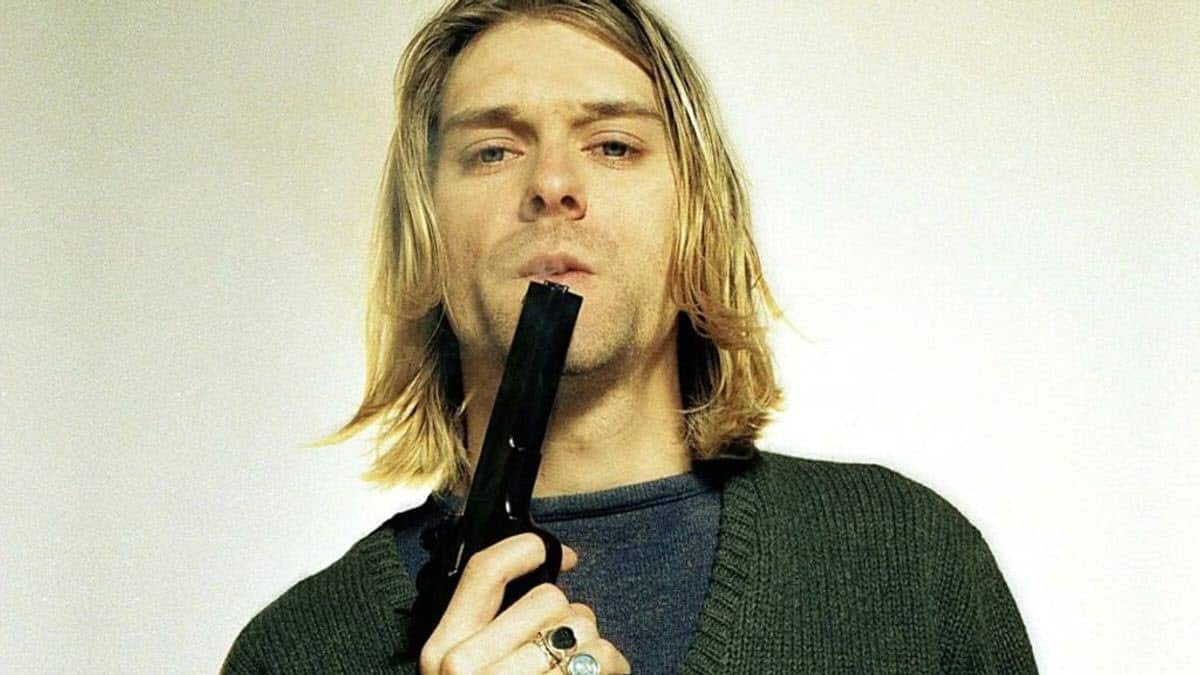
Kurt Cobain was an influential musician and songwriter, best known as the lead vocalist, guitarist, and primary songwriter of the band Nirvana. He was born on February 20, 1967, in Aberdeen, Washington, USA, and tragically passed away on April 5, 1994, at the age of 27.
Cobain formed Nirvana in 1987 with bassist Krist Novoselic and drummer Dave Grohl. The band’s fusion of punk, alternative rock, and grunge music helped define the sound of the early 1990s and contributed to the popularity of the Seattle music scene. Nirvana’s second album, “Nevermind,” released in 1991, became a cultural phenomenon, propelled by the success of its lead single, “Smells Like Teen Spirit.” The album is often credited with bringing alternative rock and grunge music into the mainstream.
Cobain’s songwriting was characterized by its raw emotion, introspective lyrics, and loud-quiet dynamics, which became hallmarks of the grunge genre. He was also known for his distinctive vocal style, which ranged from melodic to anguished screams.
Despite Nirvana’s commercial success, Cobain struggled with the pressures of fame and battled with addiction and mental health issues throughout his life. He was open about his struggles with depression, chronic pain, and substance abuse, which were reflected in his music and lyrics.
On April 5, 1994, Cobain was found dead at his home in Seattle, Washington, from a self-inflicted gunshot wound. His death was a shock to fans around the world and marked the end of Nirvana. Cobain’s influence on music and culture continues to be profound, and he is often remembered as one of the most iconic and influential figures in rock music history.
1. Where Did You Sleep Last Night
“Where Did You Sleep Last Night” is a traditional American folk song that gained widespread recognition through Nirvana’s iconic performance on their MTV Unplugged concert in 1993. The song is also known by other titles, such as “In the Pines” or “Black Girl.”
The origins of the song are unclear, with variations of the lyrics and melodies existing in American folk music for decades. The earliest known recording dates back to the 1910s by folklorist Cecil Sharp.
Nirvana’s rendition of “Where Did You Sleep Last Night” showcased Kurt Cobain’s raw and emotional delivery, with his haunting vocals adding depth and intensity to the song. The performance was particularly notable for its climax, where Cobain’s voice reaches a powerful crescendo during the final verses.
The song’s lyrics tell the story of a man questioning his lover about her whereabouts, with themes of love, betrayal, and loss woven throughout. The ambiguity of the lyrics, combined with Cobain’s impassioned performance, contributed to the song’s emotional impact.
Nirvana’s MTV Unplugged concert, including their performance of “Where Did You Sleep Last Night,” was released as an album titled “MTV Unplugged in New York” in 1994, following Cobain’s death. The album received widespread acclaim and is often regarded as one of the greatest live albums of all time.
“Where Did You Sleep Last Night” has since become one of Nirvana’s most iconic songs and is remembered as a standout moment from their career. The song’s enduring popularity has cemented its status as a classic in American folk music.
2. Pennyroyal Tea
“Pennyroyal Tea” is a song by the American rock band Nirvana, written by the band’s frontman Kurt Cobain. It was originally recorded during the sessions for the band’s third and final studio album, “In Utero,” released in 1993.
The song features Cobain’s signature raw vocals and introspective lyrics, exploring themes of depression, alienation, and self-medication. The lyrics allude to the herb pennyroyal tea, which was rumored to induce abortions, reflecting Cobain’s struggles with drug addiction and mental health issues.
“Pennyroyal Tea” showcases Nirvana’s trademark blend of grunge and alternative rock, with its gritty guitar riffs and dynamic shifts in intensity. Cobain’s emotive delivery adds depth and authenticity to the song’s melancholic atmosphere.
Despite its critical acclaim and popularity among fans, “Pennyroyal Tea” never received an official single release due to Cobain’s untimely death in 1994. However, it remains one of Nirvana’s most beloved and enduring tracks, remembered for its raw honesty and emotional resonance.
3. The Man Who Sold the World
“The Man Who Sold the World” is a song originally written and performed by the legendary English musician David Bowie. It was the title track of his third studio album, released in 1970. The song is renowned for its haunting melody, enigmatic lyrics, and innovative musical arrangement.
Bowie’s original version of “The Man Who Sold the World” features his distinctive vocals accompanied by electric guitar and other instruments, creating a psychedelic and atmospheric sound. The lyrics of the song are often interpreted as exploring themes of identity, self-perception, and existentialism.
The song gained renewed popularity when it was covered by the American rock band Nirvana for their iconic MTV Unplugged performance in 1993. Nirvana’s stripped-down rendition of “The Man Who Sold the World” showcased a raw intensity and vulnerability, with Kurt Cobain’s emotive vocals adding a new dimension to the song.
Since then, “The Man Who Sold the World” has been covered by numerous artists and remains a classic in both Bowie’s and Nirvana’s discographies. Its timeless appeal and profound lyrics continue to resonate with audiences, cementing its status as one of the most enduring and influential songs in rock music history.
4. About a Girl
“About a Girl” is a song by Nirvana, written by Kurt Cobain. It was released on their debut album, “Bleach,” in 1989. The song is notable for its departure from the loud and abrasive sound that characterized much of Nirvana’s later work, instead featuring a more melodic and jangly guitar-driven sound.
“About a Girl” is one of the few songs on “Bleach” that diverges from the heavy, distorted style that defines much of the album. Instead, it showcases Cobain’s knack for writing catchy melodies and heartfelt lyrics. The song’s lyrics are said to be inspired by Cobain’s relationship with Tracy Marander, his then-girlfriend, and touch on themes of love, frustration, and insecurity.
Despite being somewhat of an outlier on “Bleach,” “About a Girl” has become one of Nirvana’s most beloved and enduring songs. Its inclusion on the band’s MTV Unplugged concert in 1993 further elevated its status, showcasing its timeless appeal and Cobain’s songwriting talent.
“About a Girl” has been covered by various artists over the years and remains a fan favorite among Nirvana’s repertoire. Its contrast with the rest of “Bleach” foreshadowed the diverse range of styles that Nirvana would explore on their subsequent albums, particularly on their breakthrough release, “Nevermind.”
5. All Apologies
“All Apologies” is a song by the American rock band Nirvana, written by the band’s frontman Kurt Cobain. It was released as the lead single from their third and final studio album, “In Utero,” in 1993.
The song is characterized by its introspective lyrics, melancholic melody, and dynamic shifts in intensity. Cobain’s emotive vocals and raw guitar riffs contribute to the song’s haunting atmosphere, while the band’s tight instrumentation adds depth and texture.
Lyrically, “All Apologies” reflects Cobain’s feelings of self-doubt, alienation, and inner turmoil. The chorus, with its repeated refrain of “All in all is all we are,” encapsulates the sense of resignation and acceptance of life’s imperfections.
Despite its introspective tone, “All Apologies” also contains elements of hope and redemption, as Cobain seeks solace in the act of apologizing and accepting one’s flaws.
The song’s powerful emotional resonance, combined with Nirvana’s raw energy and authenticity, has made “All Apologies” one of the band’s most enduring and beloved songs. It remains a staple of their discography and continues to resonate with audiences around the world.
6. In Bloom
“In Bloom” is a song by Nirvana, released on their second studio album, “Nevermind,” in 1991. The song was written by Kurt Cobain and is one of the band’s most well-known tracks.
“In Bloom” is characterized by its catchy guitar riff, driving rhythm, and sarcastic lyrics. The song is said to be a commentary on the commercialization and misinterpretation of the underground music scene, particularly grunge, which Nirvana was associated with at the time. The lyrics poke fun at fans who misinterpret the meaning behind Nirvana’s songs and the subculture they represent.
The chorus of “In Bloom” features the refrain “He’s the one who likes all our pretty songs / And he likes to sing along / And he likes to shoot his gun / But he knows not what it means.” These lines are often interpreted as a critique of fans who enjoy Nirvana’s music superficially without understanding or appreciating its deeper themes.
Musically, “In Bloom” is characterized by its dynamic shifts between quiet verses and loud, energetic choruses, a signature feature of Nirvana’s style. The song’s memorable guitar riff, played by Kurt Cobain, and Dave Grohl’s powerful drumming contribute to its infectious energy.
“In Bloom” was released as the fourth single from “Nevermind” and received critical acclaim. The song’s music video, directed by Kevin Kerslake, features the band performing in a parody of a 1960s-style variety show, adding to its satirical tone.
Overall, “In Bloom” is considered one of Nirvana’s signature songs and a classic of the grunge era. Its combination of catchy hooks, biting lyrics, and explosive energy has made it a favorite among fans and a staple of the band’s live performances.
7. Lithium
“Lithium” is a song by the American rock band Nirvana, written by the band’s frontman Kurt Cobain. It was released as the third single from their second studio album, “Nevermind,” in 1992.
The song is characterized by its dynamic shifts in intensity, from quiet verses to explosive choruses, and features Cobain’s signature raw vocals and gritty guitar riffs. Lyrically, “Lithium” explores themes of mental illness, medication, and the search for inner peace.
The title “Lithium” refers to the psychiatric drug often prescribed to treat bipolar disorder, and the song’s lyrics reflect Cobain’s own struggles with depression and mood swings. The chorus, with its repeated refrain of “I’m so happy ’cause today I found my friends, they’re in my head,” captures the complex and contradictory emotions associated with mental illness.
“Lithium” became one of Nirvana’s most popular and enduring songs, receiving critical acclaim for its powerful lyrics and infectious melody. Its intense energy and emotional depth resonated with audiences around the world, cementing its status as a classic in the band’s discography.
The song’s impact continues to be felt today, as it remains a staple of rock radio and a favorite among fans of Nirvana and grunge music in general.
8. Heart-Shaped Box
“Heart-Shaped Box” is a song by Nirvana, released in 1993 as the lead single from their third and final studio album, “In Utero.” The song was written by Kurt Cobain and is one of Nirvana’s most recognizable tracks.
“Heart-Shaped Box” is characterized by its dark, brooding atmosphere, haunting melody, and powerful dynamics. The song’s lyrics are cryptic and surreal, with imagery that is open to interpretation. Cobain’s vocals range from subdued and introspective to raw and emotive, adding to the song’s intensity.
The title “Heart-Shaped Box” is said to have been inspired by a heart-shaped box that Courtney Love, Cobain’s wife, had given him. However, the lyrics delve into themes of love, loss, and longing, with some interpretations suggesting a more sinister undertone.
Musically, “Heart-Shaped Box” features a distinctive guitar riff played by Cobain, along with a driving rhythm section provided by bassist Krist Novoselic and drummer Dave Grohl. The song’s arrangement builds gradually, with layers of distortion and feedback adding to its sonic texture.
The release of “Heart-Shaped Box” was accompanied by a surreal and visually striking music video directed by Anton Corbijn. The video features surreal and disturbing imagery, including a girl in a Ku Klux Klan robe, an old man in a hospital bed, and surreal landscapes, reflecting the song’s dark themes.
“Heart-Shaped Box” received widespread critical acclaim and became one of Nirvana’s most successful singles. It topped the charts in multiple countries and helped propel “In Utero” to commercial success. The song remains a fan favorite and is often cited as one of Nirvana’s greatest achievements.
9. Come As You Are
“Come As You Are” is a song by the American rock band Nirvana, written by the band’s frontman Kurt Cobain. It was released as the second single from their second studio album, “Nevermind,” in 1992.
The song is characterized by its distinctive guitar riff, catchy melody, and hypnotic groove. Cobain’s vocals alternate between soft verses and powerful choruses, creating a sense of tension and release throughout the song.
Lyrically, “Come As You Are” addresses themes of authenticity, acceptance, and individuality. The chorus, with its repeated refrain of “Come as you are, as you were, as I want you to be,” encourages listeners to embrace themselves without pretense or judgment.
The song’s title and lyrics have been interpreted as a message of inclusivity and tolerance, inviting people to be true to themselves and not conform to societal expectations.
“Come As You Are” became one of Nirvana’s most successful songs, receiving widespread acclaim from critics and fans alike. Its infectious melody and relatable lyrics resonated with audiences around the world, helping to solidify Nirvana’s status as one of the most influential bands of the 1990s.
Decades after its release, “Come As You Are” remains a beloved classic and a testament to the enduring power of Nirvana’s music.
10. Smells Like Teen Spirit
“Smells Like Teen Spirit” is a song by Nirvana, released in 1991 as the lead single from their second studio album, “Nevermind.” It was written by Kurt Cobain, Krist Novoselic, and Dave Grohl.
“Smells Like Teen Spirit” is widely regarded as one of the most iconic and influential songs in the history of rock music. It is credited with popularizing the grunge genre and bringing alternative rock into the mainstream. The song’s loud-quiet dynamics, catchy guitar riff, and anthemic chorus became synonymous with the sound of the early 1990s.
Lyrically, “Smells Like Teen Spirit” is characterized by its cryptic and nonsensical lyrics, which were inspired by a combination of Cobain’s personal experiences and his observations of the youth culture of the time. The phrase “smells like teen spirit” itself was taken from a slogan written on a wall by Cobain’s friend Kathleen Hanna, mocking his then-girlfriend Tobi Vail’s deodorant.
The music video for “Smells Like Teen Spirit,” directed by Samuel Bayer, became an iconic symbol of the grunge era. Filmed in a high school gymnasium, the video features a chaotic and energetic performance by Nirvana, along with scenes of disaffected youth engaging in rebellious behavior. The video received heavy rotation on MTV and helped propel the song to commercial success.
“Smells Like Teen Spirit” was a critical and commercial success, reaching the top of the charts in several countries and receiving widespread acclaim from critics. It remains one of Nirvana’s most well-known and beloved songs, frequently cited as one of the greatest rock songs of all time. Its impact on popular culture and its lasting influence on rock music continue to be felt to this day.

Edward Tomlin is a frequent contributor to Singers Room. Since 2005, Singersroom has been the voice of R&B around the world. Connect with us via social media below.









