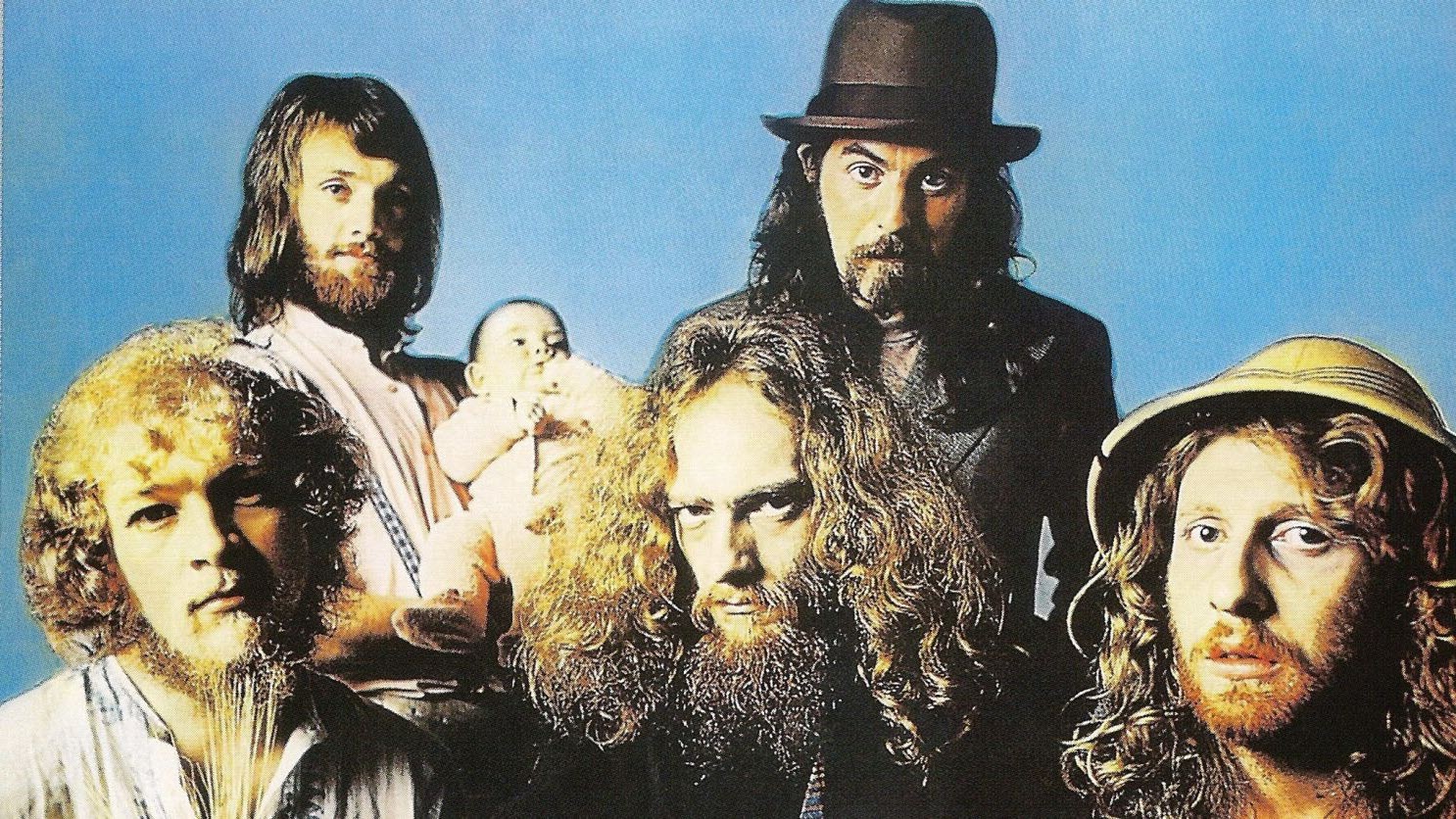
Jethro Tull, a band synonymous with innovation and boundary-pushing in the realm of rock music, has left an indelible mark on the music scene since its inception in the late 1960s. With their eclectic blend of folk, blues, classical, and progressive rock elements, Jethro Tull carved out a unique niche that continues to captivate audiences worldwide. In this article, we embark on a journey through the band’s illustrious discography to uncover their top 10 best songs of all time. Each track serves as a testament to the band’s unparalleled musicianship, thought-provoking lyricism, and visionary approach to songwriting. From iconic hits that dominated the airwaves to lesser-known gems cherished by devoted fans, this list celebrates the diverse sonic tapestry woven by Jethro Tull over the decades. Whether it’s the haunting flute melodies of Ian Anderson, the intricate guitar work of Martin Barre, or the dynamic rhythms provided by the ensemble, every song encapsulates the band’s signature sound while offering something new and compelling to discover. So, join us as we delve into the timeless catalog of Jethro Tull and celebrate the enduring legacy of one of rock music’s most influential and revered bands.
1. Skating Away on the Thin Ice of the New Day
“Skating Away on the Thin Ice of the New Day” stands as a cornerstone in Jethro Tull’s illustrious discography, resonating deeply with fans worldwide and earning its place as one of the band’s most beloved tracks. Released in 1974 as part of the album “War Child,” the song showcases Jethro Tull’s signature blend of progressive rock, folk, and Ian Anderson’s distinctive flute melodies.
The song’s evocative lyrics paint a vivid picture of resilience and adaptability in the face of uncertainty, with Anderson’s poignant storytelling capturing the essence of navigating life’s challenges. Its haunting melody and intricate instrumentation, including Anderson’s mesmerizing flute solos, create a captivating sonic landscape that has captivated audiences for decades.
“Skating Away on the Thin Ice of the New Day” has endured as a timeless classic, cherished by fans for its introspective themes and musical craftsmanship. Its universal message of perseverance and hope continues to resonate with listeners, making it an essential part of Jethro Tull’s legacy and earning its place as one of the top most popular and best-loved songs in the band’s extensive repertoire.
2. My God
“My God” is an iconic track from Jethro Tull’s seminal album “Aqualung,” released in 1971. This progressive rock masterpiece remains one of the band’s most enduring and influential songs. At its core, “My God” is a profound exploration of spirituality, skepticism, and the human condition.
Ian Anderson’s dynamic vocals and impassioned flute playing take center stage, accompanied by Martin Barre’s blistering guitar riffs and the band’s tight rhythm section. The song’s complex arrangements and shifting dynamics showcase Jethro Tull’s musical virtuosity and innovative approach to rock music.
Lyrically, “My God” delves into themes of existentialism and religious questioning, with Anderson’s thought-provoking lyrics challenging conventional beliefs and societal norms. The song’s provocative commentary on organized religion and its impact on society struck a chord with audiences, cementing its status as a classic of the progressive rock genre.
“My God” remains a standout track in Jethro Tull’s extensive catalog, beloved by fans for its musical complexity, lyrical depth, and timeless relevance. Its enduring legacy as one of the band’s top most popular songs underscores its significance in the pantheon of rock music history.
3. Songs From the Wood
“Songs From the Wood” epitomizes the enchanting fusion of folk and rock that defines Jethro Tull’s distinctive sound. Released as the title track of their 1977 album, this song embodies the band’s exploration of English folklore and rural imagery.
Ian Anderson’s evocative lyrics transport listeners to a whimsical woodland realm, where ancient rituals and mystical creatures dwell. The song’s lively acoustic instrumentation, punctuated by Anderson’s signature flute flourishes, captures the spirit of celebration and reverence for nature.
“Songs From the Wood” is a testament to Jethro Tull’s musical versatility, seamlessly blending folk melodies with rock energy to create a captivating sonic tapestry. The band’s expert musicianship, including Martin Barre’s intricate guitar work and John Evan’s vibrant keyboard arrangements, adds depth and texture to the song’s enchanting atmosphere.
With its infectious rhythm and infectious melody, “Songs From the Wood” has become a fan favorite and enduring classic in Jethro Tull’s repertoire. Its timeless appeal lies in its ability to transport listeners to a world of magic and wonder, making it one of the band’s top most popular songs cherished by fans around the globe.
4. Aqualung
“Aqualung” stands tall as one of Jethro Tull’s most iconic and enduring compositions. Serving as the title track of their 1971 album, this song is a tour de force of progressive rock, showcasing the band’s musical prowess and lyrical depth.
Ian Anderson’s gritty vocals and searing flute solos are at the forefront, delivering a powerful narrative that paints a vivid portrait of urban decay and social alienation. The song’s haunting melody and dynamic shifts in tempo create a sense of unease and urgency, reflecting the darker themes explored in its lyrics.
At its heart, “Aqualung” is a commentary on the plight of the disenfranchised and marginalized individuals who inhabit society’s fringes. Anderson’s evocative storytelling and incisive observations cut to the core of human vulnerability and societal hypocrisy, challenging listeners to confront uncomfortable truths.
With its infectious riff, evocative lyrics, and dynamic instrumentation, “Aqualung” remains a cornerstone of Jethro Tull’s catalog and a defining moment in the history of rock music. Its enduring popularity and cultural significance solidify its status as one of the band’s top most popular and influential songs, continuing to resonate with audiences worldwide for generations to come.
5. Locomotive Breath
“Locomotive Breath” is an electrifying anthem that epitomizes the raw energy and musical virtuosity of Jethro Tull. Released on their seminal 1971 album “Aqualung,” this track has become one of the band’s most beloved and enduring hits.
From the moment the song kicks off with its iconic guitar riff, “Locomotive Breath” grabs listeners’ attention and doesn’t let go. Ian Anderson’s dynamic vocals and frenetic flute playing drive the song forward with relentless momentum, perfectly complemented by Martin Barre’s blistering guitar solos and the band’s tight rhythm section.
Lyrically, “Locomotive Breath” paints a vivid picture of a world in chaos, with Anderson’s evocative imagery and biting social commentary capturing the anxiety and uncertainty of the times. The song’s powerful refrain, “In the shuffling madness of the locomotive breath, runs the all-time loser, headlong to his death,” has become emblematic of the human struggle against the forces of fate and inevitability.
With its infectious groove, electrifying instrumentation, and timeless lyrics, “Locomotive Breath” has solidified its place as one of Jethro Tull’s top most popular songs. Its enduring appeal and universal themes continue to resonate with audiences, making it a perennial favorite among fans of rock music.
6. Cross-Eyed Mary
“Cross-Eyed Mary” is a striking and evocative track from Jethro Tull’s 1971 album “Aqualung,” showcasing the band’s ability to blend rock with folk and progressive elements seamlessly. The song, penned by Ian Anderson, stands out for its gritty narrative and captivating instrumentation.
At its core, “Cross-Eyed Mary” delves into the complexities of society, portraying the struggles of its titular character, who faces societal judgment and hardship. Anderson’s vivid lyrics paint a poignant picture of Mary’s life, while the band’s dynamic musical arrangement, featuring Martin Barre’s distinctive guitar work and Anderson’s haunting flute melodies, adds depth and emotion to the narrative.
With its infectious rhythm and memorable chorus, “Cross-Eyed Mary” captivates listeners from start to finish, showcasing Jethro Tull’s trademark sound and lyrical prowess. The song’s themes of alienation and social commentary resonate as strongly today as they did upon its release, cementing its status as one of the band’s most enduring and thought-provoking tracks.
“Cross-Eyed Mary” remains a standout in Jethro Tull’s vast discography, beloved by fans for its musical innovation and storytelling prowess. Its timeless appeal and poignant themes ensure its place as one of the top most popular songs in the band’s repertoire, continuing to captivate audiences with its depth and emotion.
7. Thick as a Brick
“Thick as a Brick” stands as a magnum opus in Jethro Tull’s illustrious career, a sprawling epic that defies convention and pushes the boundaries of progressive rock. Released in 1972 as a single continuous track spanning both sides of the album, this ambitious composition showcases the band’s musical virtuosity and Ian Anderson’s lyrical genius.
Clocking in at over 40 minutes, “Thick as a Brick” takes listeners on a mesmerizing journey through intricate melodies, complex arrangements, and thought-provoking lyrics. Anderson’s sharp wit and satirical commentary are on full display as he weaves a tale of a fictitious boy named Gerald Bostock, whose life story unfolds through a series of poetic verses.
Musically, “Thick as a Brick” is a tour de force, with Anderson’s virtuosic flute playing complemented by Martin Barre’s dynamic guitar work and the band’s tight ensemble playing. The song’s shifting tempos and intricate instrumental passages keep listeners engaged from start to finish, while its thematic depth and philosophical themes invite repeated exploration.
As a masterwork of progressive rock, “Thick as a Brick” remains a testament to Jethro Tull’s creativity and innovation. Its enduring popularity and critical acclaim solidify its place as one of the band’s top most popular and influential compositions, continuing to captivate audiences with its sheer brilliance and complexity.
8. Bungle in the Jungle
“Bungle in the Jungle” stands out as a lively and infectious track from Jethro Tull’s 1974 album “War Child,” offering a departure from the band’s more complex and introspective compositions. With its catchy melody and playful lyrics, the song showcases a lighter side of Jethro Tull while still maintaining their signature blend of rock, folk, and progressive elements.
Ian Anderson’s distinctive vocals and flute melodies take center stage, accompanied by Martin Barre’s vibrant guitar riffs and the band’s energetic rhythm section. Lyrically, “Bungle in the Jungle” paints a whimsical picture of the animal kingdom, using clever wordplay and vivid imagery to create a playful narrative that resonates with listeners of all ages.
Despite its more lighthearted tone, “Bungle in the Jungle” retains the musical craftsmanship and attention to detail that are hallmarks of Jethro Tull’s work. The song’s infectious groove and memorable chorus make it a standout track in the band’s extensive catalog, beloved by fans for its infectious energy and sing-along appeal.
As one of Jethro Tull’s top most popular songs, “Bungle in the Jungle” continues to captivate audiences with its infectious charm and timeless appeal. Its upbeat vibe and clever lyrics make it a perennial favorite, showcasing the band’s versatility and enduring influence in the world of rock music.
9. Living in the Past
“Living in the Past” is a timeless classic from Jethro Tull’s 1969 album of the same name. This captivating track showcases the band’s unique blend of folk, rock, and progressive elements, earning its place as one of their most beloved and enduring compositions.
The song’s distinctive flute melody, performed by frontman Ian Anderson, immediately grabs the listener’s attention, setting the tone for the rest of the track. With its catchy rhythm and infectious groove, “Living in the Past” exudes a sense of nostalgia and reflection, inviting listeners to reminisce about bygone days.
Lyrically, the song explores themes of introspection and longing, with Anderson’s evocative lyrics painting a vivid picture of lost love and the passage of time. The poignant chorus, “And if you’re still around, you’ll find the past is always near,” resonates with listeners on a deeply personal level, tapping into universal emotions of regret and yearning.
As one of Jethro Tull’s top most popular songs, “Living in the Past” continues to captivate audiences with its timeless appeal and emotional depth. Its memorable melody and introspective lyrics make it a standout track in the band’s extensive discography, cherished by fans for generations to come.
10. Teacher
“Teacher” emerges as a standout track from Jethro Tull’s 1970 album, “Benefit,” showcasing the band’s penchant for blending intricate musicality with thought-provoking lyrical narratives. The song exudes a raw energy and infectious groove that immediately grabs the listener’s attention.
Driven by Ian Anderson’s charismatic vocals and dynamic flute playing, “Teacher” explores themes of rebellion and youthful defiance against authority. Martin Barre’s blistering guitar solos add to the song’s intensity, while the band’s tight rhythm section provides a solid foundation for its energetic sound.
Lyrically, “Teacher” paints a vivid portrait of a rebellious student challenging the norms and conventions of the educational system. Anderson’s sharp wit and biting social commentary shine through as he delivers lines like, “Well the classroom is a sad, pathetic place to be,” resonating with listeners who have experienced the frustrations of conformity.
With its infectious rhythm and memorable chorus, “Teacher” has become one of Jethro Tull’s top most popular songs, beloved by fans for its rebellious spirit and energetic performance. Its timeless themes of rebellion and defiance continue to resonate with audiences, making it a perennial favorite in the band’s extensive repertoire.

Samuel Moore is a frequent contributor to Singers Room. Since 2005, Singersroom has been the voice of R&B around the world. Connect with us via social media below.









