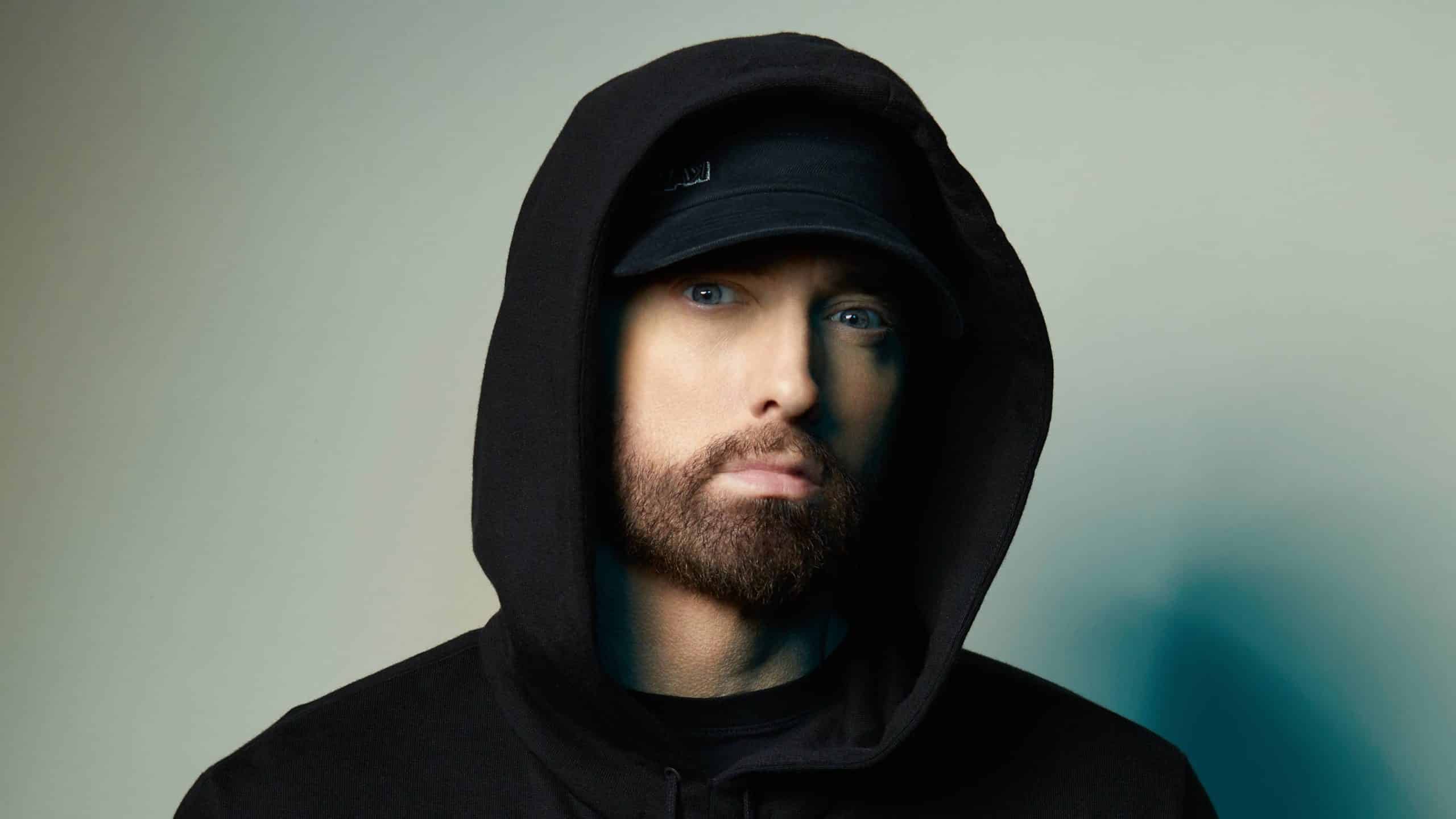
Eminem, born Marshall Bruce Mathers III on October 17, 1972, in St. Joseph, Missouri, is one of the most influential and successful rap artists of all time. Known for his complex lyrics, rapid-fire delivery, and controversial subject matter, Eminem rose to prominence in the late 1990s and early 2000s, becoming one of the best-selling music artists in the world.
Eminem’s early life was marked by hardship and adversity, including a turbulent upbringing in Detroit, Michigan, and struggles with poverty, addiction, and family issues. Drawing from these experiences, Eminem began rapping as a teenager and gained attention in the local hip-hop scene for his lyrical skill and powerful delivery.
Eminem’s breakthrough came with the release of his major-label debut album, “The Slim Shady LP,” in 1999. The album showcased Eminem’s alter ego, Slim Shady, and featured hit singles like “My Name Is” and “Guilty Conscience.” His follow-up album, “The Marshall Mathers LP” (2000), further solidified his status as a rap superstar, with singles like “The Real Slim Shady” and “Stan.”
Throughout his career, Eminem has released several critically acclaimed albums, including “The Eminem Show” (2002), “Encore” (2004), and “Recovery” (2010). He is known for his introspective and often controversial lyrics, which touch on themes such as addiction, mental health, and societal issues. Eminem’s technical prowess and storytelling ability have earned him widespread acclaim from fans and critics alike.
In addition to his solo career, Eminem is a member of the hip-hop group D12 and one half of the duo Bad Meets Evil, alongside fellow rapper Royce da 5’9″. He has also collaborated with numerous artists across different genres and has contributed to film soundtracks and television projects.
Eminem’s impact on popular culture extends beyond music, as he has been credited with breaking down racial barriers in hip-hop and bringing the genre to mainstream audiences worldwide. He has won numerous awards, including Grammy Awards, MTV Video Music Awards, and Academy Awards, and has sold millions of records globally, cementing his legacy as one of the greatest artists in hip-hop history.
1. Lose Yourself
“Lose Yourself” is a song by Eminem, released in 2002 as the lead single from the soundtrack of the film “8 Mile,” in which Eminem starred. The track is considered one of Eminem’s most iconic and successful songs, earning critical acclaim and commercial success.
Lyrically, “Lose Yourself” is a motivational anthem that reflects Eminem’s struggles and determination to succeed in the face of adversity. The song’s lyrics depict the challenges of pursuing a career in music and the pressure to seize opportunities when they arise. The chorus, with its memorable line “You only get one shot, do not miss your chance to blow, this opportunity comes once in a lifetime,” has become synonymous with the song’s message of seizing the moment and overcoming obstacles.
Musically, “Lose Yourself” features a driving beat, catchy guitar riff, and intense production that builds tension and energy throughout the song. Eminem’s rapid-fire delivery and powerful flow complement the song’s dynamic instrumentation, creating a sense of urgency and determination that resonates with listeners.
The accompanying music video for “Lose Yourself” features scenes from the film “8 Mile,” intercut with footage of Eminem performing the song in various gritty urban settings. The video’s gritty visuals and cinematic storytelling capture the essence of the song’s themes, highlighting the struggles and triumphs of the protagonist.
“Lose Yourself” was a commercial success, topping charts in multiple countries and earning critical acclaim for its powerful lyrics, intense delivery, and cinematic production. The song won numerous awards, including an Academy Award for Best Original Song, making Eminem the first rapper to win an Oscar. “Lose Yourself” remains one of Eminem’s most enduring and beloved tracks, celebrated for its motivational message and timeless appeal.
2. Stan
“Stan” is a song by American rapper Eminem, featuring vocals from English singer Dido. It was released in 2000 as the third single from Eminem’s third studio album, “The Marshall Mathers LP.” The song is notable for its storytelling lyrics, emotive delivery, and impactful themes.
Lyrically, “Stan” tells the story of an obsessed fan named Stan who writes increasingly desperate letters to Eminem, expressing his admiration and seeking validation from the rapper. The lyrics depict Stan’s descent into madness and eventual tragic demise, as his letters become more erratic and disturbing. The song explores themes of celebrity, fandom, mental health, and the consequences of obsession.
The title “Stan” has since entered popular culture as a term to describe an overly enthusiastic or obsessive fan, often with negative connotations.
The production of “Stan” features a haunting piano melody and atmospheric instrumentation, creating a somber and reflective mood that complements the song’s dark themes. Dido’s vocals on the chorus add an additional layer of emotion and depth to the track.
“Stan” received widespread critical acclaim for its storytelling prowess, lyrical depth, and emotional impact. It was praised for its innovative structure, with Eminem’s verses delivered as responses to Stan’s letters, creating a compelling narrative arc. The song became a commercial success, reaching the top 10 in multiple countries and earning Eminem numerous award nominations.
The accompanying music video for “Stan” further enhanced the song’s impact, featuring actor Devon Sawa portraying the titular character and depicting the events of the song’s narrative. The video’s gritty visuals and intense storytelling added depth and resonance to the song’s themes, solidifying its status as one of Eminem’s most iconic tracks.
3. The Real Slim Shady
“The Real Slim Shady” is a song by Eminem, released in 2000 as the lead single from his third studio album, “The Marshall Mathers LP.” The track is known for its satirical lyrics, catchy hook, and memorable music video.
Lyrically, “The Real Slim Shady” is a tongue-in-cheek commentary on fame, celebrity culture, and the music industry. Eminem adopts his alter ego, Slim Shady, to poke fun at himself and other celebrities, addressing rumors, controversies, and tabloid headlines with humor and wit. The song’s chorus, with its catchy refrain “Will the real Slim Shady please stand up?” serves as a playful call to action, inviting listeners to embrace their unique identities and reject conformity.
Musically, “The Real Slim Shady” features a bouncy beat, infectious melody, and energetic production that reflects the song’s irreverent tone. Eminem’s rapid-fire delivery and playful flow add to the song’s comedic effect, as he effortlessly navigates through witty wordplay and clever rhymes.
The accompanying music video for “The Real Slim Shady” features Eminem and his entourage causing chaos in various settings, including a classroom, a psychiatric hospital, and a shopping mall. The video’s surreal visuals and comedic vignettes complement the song’s humorous lyrics, adding to its overall impact and entertainment value.
“The Real Slim Shady” was a commercial success, topping charts in multiple countries and earning critical acclaim for its clever lyrics, infectious beat, and Eminem’s charismatic performance. The song won the Grammy Award for Best Rap Solo Performance, further solidifying its status as one of Eminem’s signature tracks and a defining moment in hip-hop history.
4. Without Me
“Without Me” is a song by American rapper Eminem, released in 2002 as the lead single from his fourth studio album, “The Eminem Show.” The song is characterized by its upbeat tempo, catchy hook, and witty lyrics.
Lyrically, “Without Me” is a humorous and self-referential track in which Eminem addresses his critics, mocks celebrities, and boasts about his influence in the music industry. The lyrics feature playful wordplay and pop culture references, with lines like “Guess who’s back? Back again” and “I’m beginning to feel like a Rap God.” The chorus, with its repetition of “Guess who’s back, back again,” serves as a catchy and memorable hook.
The production of “Without Me” features a sample of the bassline from the song “Buffalo Gals” by Malcolm McLaren, as well as energetic beats and funky instrumentation. Eminem’s rapid-fire delivery and dynamic flow add to the song’s infectious energy and appeal.
“Without Me” received widespread critical acclaim for its humor, clever wordplay, and infectious beat. It became a commercial success, topping charts in multiple countries and earning Eminem numerous award nominations.
The accompanying music video for “Without Me” features Eminem in various comedic and surreal scenarios, including parodies of superhero movies and pop culture icons. The video’s playful and irreverent tone complements the song’s humorous lyrics, further enhancing its appeal to fans.
5. Mockingbird
“Mockingbird” is a song by Eminem, released in 2004 as the fourth single from his fifth studio album, “Encore.” The track is known for its emotional lyrics and introspective tone, as Eminem reflects on his relationship with his daughter Hailie Jade and the challenges he faces as a parent.
Lyrically, “Mockingbird” is a heartfelt letter from Eminem to his daughter, addressing the struggles and hardships they have faced together. The song’s lyrics depict Eminem’s regrets and fears as a father, as well as his determination to protect and provide for his daughter despite the difficulties they encounter. The chorus, with its poignant refrain “Hush, little baby, don’t you cry, everything’s gonna be alright,” serves as a comforting reassurance to Hailie amidst the turmoil in their lives.
Musically, “Mockingbird” features a stripped-down and melancholic production, with a simple piano melody and subdued instrumentation that allows Eminem’s vocals to take center stage. Eminem delivers a heartfelt and emotive performance, conveying a sense of vulnerability and sincerity that resonates with listeners.
The accompanying music video for “Mockingbird” features footage of Eminem and his daughter Hailie, as well as scenes depicting the challenges and triumphs of their relationship. The video’s intimate and personal tone adds depth and dimension to the song’s narrative, highlighting the bond between father and daughter and the love that transcends adversity.
“Mockingbird” was a commercial success, topping charts in several countries and earning critical acclaim for its emotional lyrics and powerful message. The song remains one of Eminem’s most beloved tracks, celebrated for its sincerity, vulnerability, and universal themes of love and family.
6. Love the Way You Lie (feat. Rihanna)
“Love the Way You Lie” is a song by Eminem featuring Barbadian singer Rihanna. It was released in 2010 as the lead single from Eminem’s seventh studio album, “Recovery.” The song explores themes of domestic violence and the complexities of abusive relationships.
Lyrically, “Love the Way You Lie” delves into the tumultuous dynamics of a toxic relationship, with Eminem portraying the perspective of an abusive partner and Rihanna representing the victim. The lyrics depict the cycle of love, passion, and violence that characterizes the relationship, as both parties struggle with their conflicting emotions and the consequences of their actions. The chorus, sung by Rihanna, reflects the sense of addiction and dependency that can develop in abusive relationships, as she sings, “Just gonna stand there and watch me burn, but that’s alright because I like the way it hurts.”
Musically, “Love the Way You Lie” features a haunting and intense production, with a brooding piano melody, driving beat, and atmospheric soundscapes. Eminem’s rapid-fire delivery and Rihanna’s soulful vocals add to the song’s emotional depth and intensity, creating a powerful and gripping listening experience.
The accompanying music video for “Love the Way You Lie” features scenes of domestic conflict and turmoil, intercut with footage of Eminem and Rihanna performing the song. The video’s raw and visceral visuals highlight the pain and devastation of abusive relationships, shedding light on the emotional toll they take on individuals and families.
“Love the Way You Lie” was a commercial success, topping charts in multiple countries and earning critical acclaim for its powerful lyrics and emotional resonance. The song sparked important conversations about domestic violence and garnered widespread praise for Eminem and Rihanna’s compelling performances. It remains one of Eminem’s most impactful and memorable songs, recognized for its boldness and honesty in addressing a sensitive subject matter.
7. Rap God
“Rap God” is a song by American rapper Eminem, released in 2013 as the third single from his eighth studio album, “The Marshall Mathers LP 2.” The song is characterized by its rapid-fire delivery, complex rhyme schemes, and lyrical prowess.
Lyrically, “Rap God” showcases Eminem’s technical skill and mastery of the rap genre. The lyrics feature intricate wordplay, dense rhymes, and references to various aspects of pop culture and Eminem’s own career. The song’s title, “Rap God,” reflects Eminem’s self-assuredness and confidence in his abilities as a rapper. The song explores themes of fame, legacy, and Eminem’s status as one of the greatest rappers of all time.
The production of “Rap God” features a mix of electronic beats, booming basslines, and dynamic instrumentation, creating a fast-paced and energetic sound that complements Eminem’s rapid-fire delivery. The song’s extended verse, in which Eminem delivers over 1,500 words in just over six minutes, showcases his exceptional technical skill and stamina as a rapper.
“Rap God” received widespread critical acclaim for its lyrical complexity, rapid-fire delivery, and Eminem’s virtuosic performance. It became a commercial success, reaching the top 10 in multiple countries and earning Eminem numerous award nominations.
The accompanying music video for “Rap God” features Eminem in various settings, including a courtroom and a futuristic landscape, as he delivers the song’s rapid-fire verses. The video’s dynamic visuals and editing complement the song’s energetic vibe, further enhancing its impact and solidifying Eminem’s status as one of the most influential rappers in the genre.
8. Sing for the Moment
“Sing for the Moment” is a song by American rapper Eminem, released in 2003 as the third single from his fourth studio album, “The Eminem Show.” The song is characterized by its introspective lyrics, powerful message, and sample from Aerosmith’s song “Dream On.”
Lyrically, “Sing for the Moment” addresses various social and political issues, including censorship, media influence, and the struggles of young people. Eminem reflects on his own experiences growing up and the impact of music on his life, with lines like “Music can alter moods and talk to you” and “They say music can alter moods and talk to you.” The chorus, with its repetition of “Sing with me, sing for the year, sing for the laughter, sing for the tear,” encourages listeners to find solace and empowerment through music.
The production of “Sing for the Moment” features a sample of the iconic guitar riff from Aerosmith’s “Dream On,” as well as dynamic beats and melodic instrumentation. Eminem’s impassioned delivery and introspective lyrics add depth and emotion to the song’s powerful message.
“Sing for the Moment” received widespread critical acclaim for its poignant lyrics, powerful message, and effective use of the Aerosmith sample. It became a commercial success, reaching the top 10 in multiple countries and earning Eminem numerous award nominations.
The accompanying music video for “Sing for the Moment” features Eminem performing the song in various settings, including a concert stage and urban landscapes. The video’s gritty visuals and artistic direction complement the song’s themes of struggle and resilience, further enhancing its impact and solidifying Eminem’s status as one of the most influential rappers in the genre.
9. Not Afraid
“Not Afraid” is a song by Eminem, released in 2010 as the lead single from his seventh studio album, “Recovery.” The track is known for its uplifting and motivational lyrics, as Eminem reflects on his struggles and triumphs in overcoming addiction and adversity.
Lyrically, “Not Afraid” serves as a declaration of resilience and self-empowerment, with Eminem expressing his determination to overcome his personal demons and move forward with strength and confidence. The song’s lyrics depict Eminem’s journey towards recovery, as he confronts his fears and embraces a newfound sense of hope and optimism. The chorus, with its defiant refrain “I’m not afraid to take a stand, everybody come take my hand,” serves as a rallying cry for listeners to face their own challenges and persevere in the face of adversity.
Musically, “Not Afraid” features an anthemic and uplifting production, with a driving beat, soaring melodies, and powerful instrumentation that builds to a triumphant climax. Eminem’s impassioned delivery and dynamic flow add to the song’s emotional resonance, creating a sense of urgency and determination that resonates with listeners.
The accompanying music video for “Not Afraid” features scenes of Eminem in various settings, including urban landscapes and natural environments, as he reflects on his journey towards recovery. The video’s cinematic visuals and symbolic imagery complement the song’s themes of resilience and self-discovery, adding depth and dimension to its narrative.
“Not Afraid” was a commercial success, topping charts in multiple countries and earning critical acclaim for its empowering message and powerful delivery. The song resonated with fans and critics alike, solidifying Eminem’s status as one of hip-hop’s most influential and enduring artists. It remains one of Eminem’s most iconic and beloved tracks, celebrated for its honesty, vulnerability, and inspirational message.
10. Till I Collapse
“Till I Collapse” is a song by American rapper Eminem, featuring vocals from Nate Dogg. It was released in 2002 as the fourth single from Eminem’s fourth studio album, “The Eminem Show.” The song is characterized by its intense energy, motivational lyrics, and driving beat.
Lyrically, “Till I Collapse” is a motivational anthem that addresses Eminem’s determination to persevere through obstacles and challenges. The lyrics reflect themes of resilience, determination, and inner strength, with lines like “Cause sometimes you just feel tired, feel weak, and when you feel weak, you feel like you wanna just give up” and “Till the roof comes off, till the lights go out, till my legs give out, can’t shut my mouth.” The chorus, with its repetition of “Till I collapse, I’m spilling these raps long as you feel ’em,” emphasizes Eminem’s commitment to his craft and his refusal to back down.
The production of “Till I Collapse” features a driving beat, powerful orchestration, and Nate Dogg’s soulful vocals on the chorus. The song’s intense energy and aggressive delivery contribute to its motivational and empowering vibe.
“Till I Collapse” received widespread critical acclaim for its motivational lyrics, intense energy, and powerful delivery. It has become a popular anthem in sports, fitness, and motivational contexts, often cited as one of Eminem’s most iconic tracks.
Though “Till I Collapse” was not released as an official single, it has remained one of Eminem’s most enduring and influential songs. It has been certified multi-platinum in several countries and continues to be celebrated as a classic in the hip-hop genre.

Edward Tomlin is a frequent contributor to Singers Room. Since 2005, Singersroom has been the voice of R&B around the world. Connect with us via social media below.









