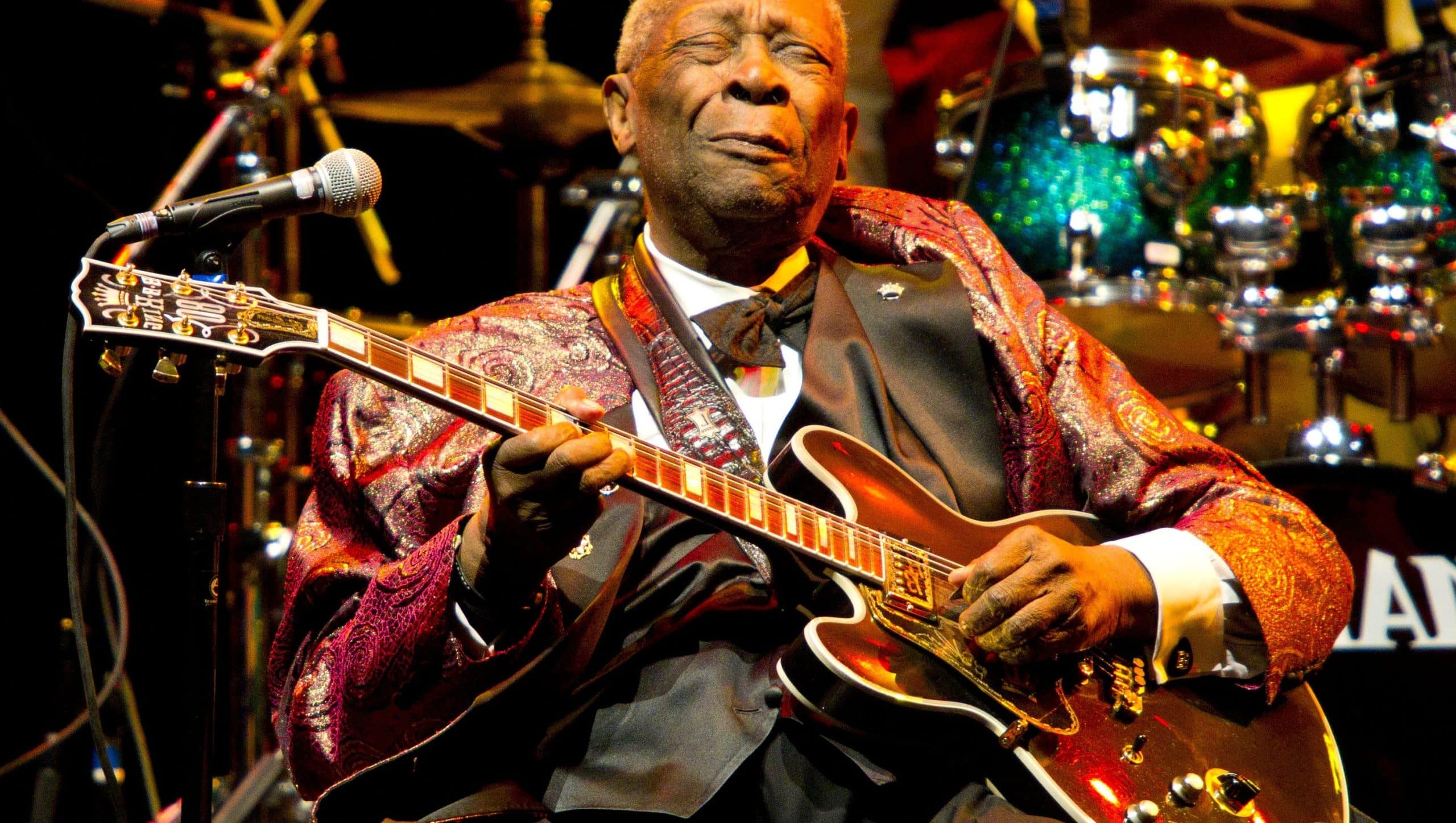
Blues songs are the soulful expressions of life’s joys and sorrows, rooted in the African American experience and characterized by their emotive melodies and heartfelt lyrics. Dating back to the late 19th century, blues music originated from the Mississippi Delta and evolved into various styles, including Delta blues, Chicago blues, and Texas blues, each with its own unique sound and influences.
At the heart of blues songs are their raw emotion and honesty, as artists pour their hearts out through soul-stirring vocals and expressive instrumentation, often featuring guitar, harmonica, and piano. The lyrics of blues songs typically explore themes of love, loss, hardship, and resilience, reflecting the struggles and triumphs of everyday life.
Blues music has had a profound impact on the development of popular music genres, influencing the likes of rock ‘n’ roll, jazz, and soul. Its enduring legacy can be heard in the works of iconic artists such as B.B. King, Muddy Waters, and Etta James, whose timeless songs continue to resonate with audiences worldwide.
Whether it’s the mournful wail of a slide guitar or the heartfelt croon of a blues singer, blues songs have a way of touching the soul and connecting people through shared experiences of pain and joy. They serve as a powerful reminder of the resilience of the human spirit and the healing power of music.
1. The Thrill Is Gone by B.B. King
“The Thrill Is Gone” by B.B. King is a timeless blues classic that epitomizes the essence of heartbreak and longing. Released in 1969 as a single and later included on the album “Completely Well,” the song has become one of B.B. King’s signature tracks and a quintessential anthem of the blues genre.
At the core of “The Thrill Is Gone” is its haunting melody, driven by King’s soulful vocals and his masterful guitar playing. The song’s slow tempo and melancholic atmosphere create a sense of emotional depth and intensity, drawing listeners into its poignant narrative.
Lyrically, “The Thrill Is Gone” is a powerful exploration of love lost and the pain of separation. King’s poignant lyrics express the anguish and resignation of a man coming to terms with the end of a relationship, as he laments the fading passion and emotional distance between himself and his lover.
“The Thrill Is Gone” has become an enduring classic, cherished by fans for its timeless appeal and emotional resonance. Its haunting melody, soulful vocals, and poignant lyrics continue to captivate audiences around the world, solidifying its status as one of the greatest blues songs ever recorded and a defining moment in B.B. King’s legendary career.
2. Pride and Joy by Stevie Ray Vaughan
“Pride and Joy” by Stevie Ray Vaughan is a fiery blues-rock anthem that showcases Vaughan’s virtuosic guitar skills and soulful vocals. Released in 1983 as part of his debut album “Texas Flood,” the song has since become one of Vaughan’s most iconic and beloved tracks, celebrated for its electrifying energy and infectious groove.
At the heart of “Pride and Joy” is its irresistible rhythm and blues-inspired groove, driven by Vaughan’s searing guitar riffs and punchy bassline. The song’s dynamic arrangement, featuring Vaughan’s blistering guitar solos and powerful vocal delivery, captures the essence of the blues while injecting a fresh and energetic flair.
Lyrically, “Pride and Joy” is a celebration of love and passion, as Vaughan sings about his deep affection for his significant other. His heartfelt lyrics and soulful delivery convey a sense of joy and exuberance, reflecting the euphoria of being in love.
“Pride and Joy” has become an enduring classic, cherished by fans for its electrifying performance and timeless appeal. Its infectious groove, blistering guitar work, and soulful lyrics continue to captivate audiences around the world, solidifying its status as one of the greatest blues-rock songs ever recorded and a defining moment in Stevie Ray Vaughan’s legendary career.
3. Sweet Home Chicago by Robert Johnson
“Sweet Home Chicago” is a timeless blues standard originally recorded by the iconic blues musician Robert Johnson in 1936. The song is celebrated for its infectious rhythm, memorable lyrics, and enduring influence on the blues genre.
With its upbeat tempo, catchy guitar riff, and soulful vocals, “Sweet Home Chicago” creates a vibrant and energetic musical experience that resonates with listeners. The song’s lively instrumentation and spirited performance evoke the joy and spontaneity of the blues tradition, making it a beloved favorite among blues enthusiasts around the world.
“Sweet Home Chicago” is characterized by its evocative lyrics, which celebrate the vibrant culture and spirit of Chicago while also reflecting on the hardships and struggles of everyday life. Johnson’s emotive delivery and heartfelt storytelling imbue the song with a sense of authenticity and depth, capturing the essence of the blues experience.
Upon its release, “Sweet Home Chicago” became one of Robert Johnson’s most enduring and influential songs, earning widespread acclaim and recognition among blues fans and musicians alike. It has since been covered by numerous artists across various genres and has become a staple of the blues repertoire. Its timeless appeal and infectious groove continue to captivate audiences of all ages, cementing its status as a true classic in the blues canon.
4. Cross Road Blues by Robert Johnson
“Cross Road Blues” is a seminal blues song originally recorded by the legendary blues musician Robert Johnson in 1936. The song is celebrated for its haunting melody, evocative lyrics, and profound influence on the blues genre.
With its driving rhythm, raw vocals, and eerie guitar accompaniment, “Cross Road Blues” creates a compelling and atmospheric musical experience that resonates with listeners. The song’s sparse instrumentation and Johnson’s emotive delivery imbue it with a sense of urgency and desperation, capturing the essence of the blues tradition.
“Cross Road Blues” is characterized by its enigmatic lyrics, which speak of a man’s encounter with the devil at a crossroads and his desperate plea for salvation. The song’s themes of temptation, redemption, and the struggle for personal freedom reflect the hardships and challenges faced by African Americans in the Jim Crow South during the early 20th century.
Upon its release, “Cross Road Blues” became one of Robert Johnson’s most iconic and enduring songs, earning widespread acclaim and recognition among blues enthusiasts and musicians alike. It has since been covered by numerous artists across various genres and has become a staple of the blues repertoire. Its timeless appeal and profound lyrical depth continue to captivate audiences around the world, cementing its status as a true classic in the annals of blues music.
5. I’d Rather Go Blind by Etta James
“I’d Rather Go Blind” by Etta James is a soulful and heart-wrenching ballad that showcases James’ incredible vocal prowess and emotional depth. Released in 1967 as a single and later included on her album “Tell Mama,” the song has since become one of James’ most iconic and enduring tracks, celebrated for its raw emotion and poignant storytelling.
At the heart of “I’d Rather Go Blind” is its haunting melody, driven by James’ soul-stirring vocals and the expressive instrumentation that accompanies her. The song’s slow tempo and bluesy arrangement create a somber and melancholic atmosphere, drawing listeners into its powerful narrative.
Lyrically, “I’d Rather Go Blind” is a gut-wrenching tale of heartbreak and betrayal, as James sings about the pain of watching her lover leave her for another woman. Her poignant lyrics and impassioned delivery capture the anguish and despair of being abandoned, while also expressing a sense of resignation and defiance in the face of adversity.
“I’d Rather Go Blind” has become an enduring classic, cherished by fans for its timeless appeal and emotional resonance. Its haunting melody, soul-stirring vocals, and heartfelt lyrics continue to resonate with audiences around the world, solidifying its status as one of the greatest soul ballads ever recorded and a defining moment in Etta James’ legendary career.
6. Red House by Jimi Hendrix
“Red House” is a blues classic by the legendary guitarist and singer Jimi Hendrix. Recorded in 1966, it’s celebrated for its soulful vocals, emotive guitar playing, and raw energy.
With its slow blues tempo, gritty guitar riffs, and heartfelt vocals, “Red House” creates a smoky and intimate atmosphere that immerses listeners in the essence of the blues. Hendrix’s masterful guitar work, including his expressive bends and soulful solos, showcases his unique talent and deep connection to the blues tradition.
Lyrically, “Red House” tells the story of a man who’s lost his lover and finds solace in the titular red house. The song’s imagery and narrative evoke themes of heartbreak, longing, and the search for refuge, all of which are central to the blues genre.
“Red House” stands as a testament to Hendrix’s versatility as an artist, showcasing his ability to channel the raw emotion and intensity of the blues while infusing it with his own innovative style and flair. It remains a beloved classic among blues aficionados and a testament to Hendrix’s enduring legacy as one of the greatest musicians of all time.
7. The Sky Is Crying by Elmore James
“The Sky Is Crying” by Elmore James is a classic blues song that encapsulates the essence of sorrow and melancholy. Originally recorded in 1959, the song has become one of James’ most revered tracks, known for its emotive guitar playing and poignant lyrics.
At the heart of “The Sky Is Crying” is James’ distinctive slide guitar work, which delivers mournful and soulful tones that evoke a sense of longing and lament. The song’s slow tempo and sparse arrangement allow James’ guitar to take center stage, weaving a mournful melody that mirrors the emotional depth of the lyrics.
Lyrically, “The Sky Is Crying” paints a vivid picture of heartbreak and loss, as James sings about the pain of being separated from a loved one. His expressive delivery and heartfelt lyrics capture the anguish and despair of unrequited love, while also conveying a sense of resignation and acceptance.
“The Sky Is Crying” has become an enduring classic, revered by blues enthusiasts for its timeless appeal and emotional resonance. Its haunting melody, soulful guitar playing, and poignant lyrics continue to captivate audiences decades after its release, solidifying its status as one of the greatest blues songs of all time and a defining moment in Elmore James’ legendary career.
8. Key to the Highway by Big Bill Broonzy
“Key to the Highway” is a classic blues song originally recorded by the influential blues artist Big Bill Broonzy in 1941. It’s celebrated for its timeless melody, evocative lyrics, and enduring influence on the blues genre.
With its steady shuffle rhythm, soulful vocals, and emotive guitar playing, “Key to the Highway” creates a laid-back and introspective atmosphere that resonates deeply with listeners. Broonzy’s heartfelt delivery and masterful guitar work capture the essence of the blues tradition, immersing listeners in its rich and soulful sound.
Lyrically, “Key to the Highway” speaks of the narrator’s desire to leave his troubles behind and hit the road in search of freedom and redemption. The metaphor of the highway symbolizes escape and the possibility of a better life, themes that are central to the blues genre.
“Key to the Highway” has become a blues standard, covered by numerous artists over the years, including Eric Clapton, B.B. King, and The Rolling Stones, among others. Its timeless appeal and universal themes continue to resonate with audiences around the world, cementing its status as a true classic in the annals of blues music.
9. Born Under a Bad Sign by Albert King
“Born Under a Bad Sign” by Albert King is a quintessential blues classic that embodies the essence of hardship and adversity. Originally released in 1967 as the title track of his album, the song has since become one of King’s most celebrated and influential compositions, revered for its soulful performance and timeless lyrics.
At the core of “Born Under a Bad Sign” is King’s electrifying guitar playing, characterized by his signature string bends and emotive phrasing. The song’s slow, bluesy groove and gritty instrumentation create a brooding atmosphere that perfectly complements the song’s themes of struggle and misfortune.
Lyrically, “Born Under a Bad Sign” explores the challenges of life and the feeling of being cursed by fate. King’s raw and impassioned delivery captures the frustration and resignation of facing constant obstacles and setbacks, while also expressing a sense of resilience and defiance in the face of adversity.
“Born Under a Bad Sign” has become an enduring anthem for those who have faced hardship and adversity, resonating with audiences across generations. Its powerful guitar work, soulful vocals, and poignant lyrics continue to inspire and move listeners, solidifying its status as one of the greatest blues songs ever recorded and a defining moment in Albert King’s legendary career.
10. Boom Boom by John Lee Hooker
“Boom Boom” is an iconic blues song by the legendary blues musician John Lee Hooker. Recorded in 1961, it’s celebrated for its infectious rhythm, hypnotic guitar riff, and Hooker’s distinctive vocal style.
With its driving beat, repetitive lyrics, and primal energy, “Boom Boom” creates a mesmerizing and electrifying musical experience that captures the essence of the blues. Hooker’s gritty vocals and raw guitar playing imbue the song with a sense of urgency and passion, drawing listeners into its hypnotic groove.
Lyrically, “Boom Boom” tells the story of a man who’s been wronged by his lover and is determined to confront her. The song’s repetitive refrain and simple, yet evocative lyrics evoke themes of love, betrayal, and desire, all of which are central to the blues tradition.
“Boom Boom” has become one of John Lee Hooker’s most beloved and enduring songs, earning widespread acclaim and recognition among blues enthusiasts and musicians alike. It has been covered by numerous artists across various genres and has been featured in films, television shows, and commercials, solidifying its status as a true classic in the annals of blues music.
11. Everyday I Have the Blues by B.B. King
“Everyday I Have the Blues” by B.B. King is a timeless blues standard that captures the essence of sorrow and heartache. Originally recorded in 1955, the song has since become one of King’s signature tracks, celebrated for its soulful performance and evocative lyrics.
At the heart of “Everyday I Have the Blues” is King’s masterful guitar playing, characterized by his expressive phrasing and emotive bends. The song’s slow, swinging groove and lush instrumentation create a melancholic atmosphere that perfectly complements the song’s themes of loneliness and despair.
Lyrically, “Everyday I Have the Blues” speaks to the universal experience of heartbreak and longing. King’s soulful vocals convey the pain and anguish of being left by a lover, as he sings about the endless cycle of sadness and despair that accompanies lost love.
“Everyday I Have the Blues” has become an enduring classic, cherished by blues enthusiasts for its timeless appeal and emotional resonance. Its soulful performance, heartfelt lyrics, and unforgettable melody continue to captivate audiences around the world, solidifying its status as one of the greatest blues songs ever recorded and a defining moment in B.B. King’s legendary career.
12. Dust My Broom by Elmore James
“Dust My Broom” is a classic blues song originally recorded by the influential blues guitarist Elmore James in 1951. It’s celebrated for its driving rhythm, electrifying slide guitar, and powerful vocals.
With its energetic tempo, propulsive beat, and fiery guitar playing, “Dust My Broom” creates a dynamic and exhilarating musical experience that captures the essence of the blues. James’ distinctive slide guitar technique and emotive vocals imbue the song with a sense of urgency and passion, drawing listeners into its infectious groove.
Lyrically, “Dust My Broom” speaks of a man who’s been wronged by his lover and is determined to leave her behind. The song’s repetitive refrain and evocative imagery evoke themes of heartbreak, betrayal, and the desire for redemption, all of which are central to the blues tradition.
“Dust My Broom” has become one of Elmore James’ signature songs, earning widespread acclaim and recognition among blues enthusiasts and musicians alike. It has been covered by numerous artists over the years, including Robert Johnson, Fleetwood Mac, and ZZ Top, among others, cementing its status as a true classic in the annals of blues music.
13. Mannish Boy by Muddy Waters
“Mannish Boy” by Muddy Waters is a seminal blues anthem that epitomizes the raw power and swagger of the genre. Originally released in 1955, the song has since become one of Waters’ most iconic tracks, celebrated for its electrifying performance and indelible influence on blues and rock music.
At the heart of “Mannish Boy” is its irresistible groove and infectious rhythm, driven by Waters’ gritty vocals and the pulsating shuffle of the band. The song’s driving beat and hypnotic guitar riff create a sense of urgency and excitement, drawing listeners into its primal energy.
Lyrically, “Mannish Boy” is a celebration of masculinity and virility, as Waters boasts of his prowess and charisma as a “man.” His confident delivery and playful lyrics convey a sense of bravado and swagger, while also reflecting the deep-rooted themes of desire and seduction that are central to the blues tradition.
“Mannish Boy” has become an enduring classic, revered by blues aficionados and rock enthusiasts alike for its infectious groove and timeless appeal. Its raw energy, electrifying performance, and unforgettable riff continue to inspire and influence generations of musicians, solidifying its status as one of the greatest blues songs ever recorded and a defining moment in Muddy Waters’ legendary career.
14. Got My Mojo Working by Muddy Waters
“Got My Mojo Working” is a classic blues song originally recorded by the influential blues artist Muddy Waters in 1957. It’s celebrated for its infectious groove, energetic performance, and memorable lyrics.
With its driving rhythm, upbeat tempo, and lively call-and-response vocals, “Got My Mojo Working” creates a vibrant and exhilarating musical experience that captures the essence of the blues. Waters’ powerful vocals and dynamic guitar playing imbue the song with a sense of joy and confidence, drawing listeners into its irresistible groove.
Lyrically, “Got My Mojo Working” speaks of a man who’s regained his confidence and charisma, thanks to the power of his “mojo” or magical charm. The song’s catchy refrain and playful lyrics evoke themes of empowerment, self-assurance, and the triumph over adversity, all of which are central to the blues tradition.
“Got My Mojo Working” has become one of Muddy Waters’ most beloved and enduring songs, earning widespread acclaim and recognition among blues enthusiasts and musicians alike. It has been covered by numerous artists over the years, including Howlin’ Wolf, Etta James, and The Rolling Stones, among others, solidifying its status as a true classic in the annals of blues music.
15. Stormy Monday by T-Bone Walker
“Stormy Monday” by T-Bone Walker is a classic blues standard that captures the essence of melancholy and longing. Originally recorded in 1947, the song has since become one of Walker’s most renowned compositions, celebrated for its emotive performance and evocative lyrics.
At the heart of “Stormy Monday” is its soulful melody, driven by Walker’s expressive guitar playing and smooth vocals. The song’s slow tempo and bluesy chord progressions create a haunting atmosphere that perfectly complements the song’s themes of heartache and despair.
Lyrically, “Stormy Monday” paints a vivid picture of loneliness and longing, as Walker sings about the trials and tribulations of life. His emotive delivery and heartfelt lyrics convey the pain and sorrow of being alone, while also expressing a sense of hope and resilience in the face of adversity.
“Stormy Monday” has become an enduring classic, cherished by blues enthusiasts for its timeless appeal and emotional resonance. Its soulful performance, heartfelt lyrics, and unforgettable melody continue to captivate audiences around the world, solidifying its status as one of the greatest blues songs ever recorded and a defining moment in T-Bone Walker’s legendary career.

Edward Tomlin is a frequent contributor to Singers Room. Since 2005, Singersroom has been the voice of R&B around the world. Connect with us via social media below.









