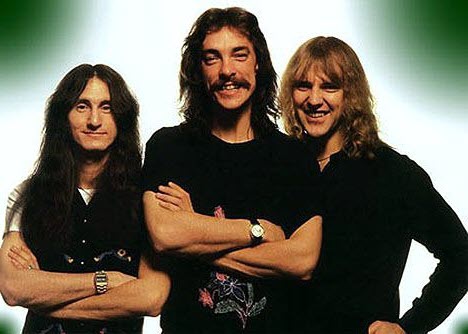
Rush was a Canadian rock band formed in 1968 in Toronto, Ontario. The band originally consisted of guitarist Alex Lifeson, bassist and lead vocalist Geddy Lee, and drummer John Rutsey. Throughout their career, Rush became one of the most influential and beloved bands in the progressive rock genre, known for their virtuosic musicianship, complex compositions, and thought-provoking lyrics.
In their early years, Rush drew inspiration from hard rock and blues-rock bands, but they gradually evolved to incorporate elements of progressive rock, heavy metal, and new wave into their music. Their sound was characterized by intricate arrangements, extended instrumental sections, and Geddy Lee’s distinctive high-pitched vocals.
Rush released their self-titled debut album in 1974, but it was their breakthrough album “2112” in 1976 that solidified their status as a progressive rock powerhouse. The title track of “2112” is a 20-minute epic that tells a dystopian science fiction story, showcasing the band’s ambitious songwriting and musical prowess.
Throughout the 1970s and 1980s, Rush released a string of successful albums, including “A Farewell to Kings,” “Hemispheres,” “Permanent Waves,” and “Moving Pictures.” These albums featured hits such as “Closer to the Heart,” “The Spirit of Radio,” and “Tom Sawyer,” which became staples of classic rock radio.
In addition to their studio albums, Rush was renowned for their dynamic live performances, with elaborate stage setups and mind-bending instrumental jams. The band’s concerts often attracted a devoted fan base known as “Rush fans,” who affectionately referred to themselves as “Rushians” or “Rushaholics.”
Rush continued to release albums and tour extensively into the 21st century, cementing their legacy as one of the greatest rock bands of all time. However, in 2015, the band announced their retirement from touring after their “R40 Live” tour, citing health issues and the desire to focus on other projects.
In 2020, Rush’s drummer and lyricist Neil Peart passed away, marking the end of an era for the band. Despite their retirement and Peart’s passing, Rush’s music continues to be celebrated and cherished by fans around the world, ensuring their enduring legacy in the annals of rock history.
1. Tom Sawyer
“Tom Sawyer” is a song by the Canadian rock band Rush, released on their 1981 album “Moving Pictures.” The song was written by the band’s members: Geddy Lee, Alex Lifeson, and Neil Peart.
“Tom Sawyer” is one of Rush’s most iconic and enduring songs, known for its dynamic instrumentation, complex arrangement, and thought-provoking lyrics. The song features Geddy Lee’s distinctive vocals, Alex Lifeson’s intricate guitar work, and Neil Peart’s powerful drumming.
Lyrically, “Tom Sawyer” explores themes of individualism, freedom, and the quest for independence. The song’s protagonist, Tom Sawyer, is a fictional character created by Mark Twain, known for his adventurous spirit and rebellious nature. The lyrics evoke a sense of defiance and resilience, urging the listener to embrace their inner Tom Sawyer and forge their own path in life.
“Tom Sawyer” became one of Rush’s most popular and enduring songs, receiving extensive radio airplay and becoming a staple of the band’s live performances. Its memorable guitar riff, driving rhythm, and anthemic chorus have made it a favorite among fans of progressive rock and classic rock alike.
Over the years, “Tom Sawyer” has been featured in numerous films, television shows, and video games, further solidifying its status as a rock classic. It remains one of Rush’s most beloved and iconic songs, continuing to captivate audiences with its timeless appeal and musical virtuosity.
2. The Spirit of Radio
“The Spirit of Radio” is a song by the Canadian rock band Rush, released on their 1980 album “Permanent Waves.” The song was written by the band’s members: Geddy Lee, Alex Lifeson, and Neil Peart.
“The Spirit of Radio” is one of Rush’s most well-known and beloved songs, recognized for its catchy melody, intricate instrumentation, and insightful lyrics. The song pays tribute to the power of radio as a medium for spreading music and ideas, while also critiquing the commercialization and homogenization of the airwaves.
The lyrics of “The Spirit of Radio” reflect on the impact of radio on culture and society, celebrating its ability to bring people together and provide a platform for diverse voices and musical styles. At the same time, the song acknowledges the challenges and compromises that come with commercial success and the need to stay true to one’s artistic vision.
Musically, “The Spirit of Radio” features Geddy Lee’s dynamic vocals, Alex Lifeson’s intricate guitar work, and Neil Peart’s powerful drumming. The song incorporates elements of rock, reggae, and new wave, showcasing Rush’s versatility and innovative approach to songwriting.
“The Spirit of Radio” became a major hit for Rush, receiving extensive radio airplay and becoming a staple of the band’s live performances. Its memorable guitar riff, uplifting chorus, and thought-provoking lyrics have made it a favorite among fans of progressive rock and classic rock alike.
Over the years, “The Spirit of Radio” has been recognized as one of Rush’s signature songs and has been included on numerous compilation albums and retrospective collections. It remains a timeless anthem that continues to resonate with audiences around the world, capturing the enduring spirit of creativity and innovation in music.
3. Closer to the Heart
“Closer to the Heart” is a memorable song by the Canadian rock band Rush, released in 1977 as part of their album “A Farewell to Kings.” Written by the band’s guitarist Alex Lifeson, drummer Neil Peart, and lead vocalist and bassist Geddy Lee, the song is celebrated for its uplifting melody, thought-provoking lyrics, and dynamic instrumentation.
“Closer to the Heart” is a rallying cry for authenticity and individuality, urging listeners to pursue their passions and embrace life’s adventures with courage and conviction. The song’s lyrics encourage listeners to break free from conformity and live life on their own terms, celebrating the uniqueness of each individual’s journey.
Musically, “Closer to the Heart” features a driving rhythm, melodic guitar riffs, and Geddy Lee’s distinctive vocals. The song’s anthemic chorus and infectious hooks have made it a favorite among Rush fans, while its dynamic shifts in tempo and mood showcase the band’s technical prowess and musical versatility.
The song’s enduring popularity has solidified its place as one of Rush’s most beloved and enduring songs. Its timeless message of authenticity and self-discovery continues to resonate with audiences, inspiring listeners to embrace their passions and live life with purpose and integrity.
With its uplifting energy, memorable melody, and profound lyrics, “Closer to the Heart” stands as a testament to Rush’s musical legacy and their ability to create music that speaks to the human experience with depth and emotion.
4. Limelight
“Limelight” is a classic rock song by the Canadian progressive rock band Rush, released in 1981 as part of their album “Moving Pictures.” Written by the band’s drummer Neil Peart, guitarist Alex Lifeson, and lead vocalist and bassist Geddy Lee, the song is celebrated for its introspective lyrics, intricate instrumentation, and dynamic arrangement.
“Limelight” delves into themes of fame, isolation, and the pressures of celebrity. The lyrics express the challenges of living in the public eye and the desire for personal freedom and autonomy. The song’s title refers to the spotlight of public attention, with the narrator grappling with the conflicting emotions of wanting recognition while also seeking solitude.
Musically, “Limelight” features a driving rhythm, melodic guitar solos, and Geddy Lee’s powerful vocals. The song’s intricate composition and shifting dynamics showcase the band’s technical prowess and musical innovation, while its memorable chorus and infectious hooks have made it a fan favorite.
The song’s enduring popularity has solidified its place as one of Rush’s most iconic and beloved songs. Its thought-provoking lyrics and dynamic instrumentation continue to resonate with audiences, inspiring listeners to reflect on the nature of fame and the pursuit of personal fulfillment.
With its timeless appeal and universal themes, “Limelight” stands as a testament to Rush’s musical legacy and their ability to create music that transcends genres and generations.
5. Subdivisions
“Subdivisions” is a song by the Canadian rock band Rush, released on their 1982 album “Signals.” The song was written by the band’s members: Geddy Lee, Alex Lifeson, and Neil Peart.
“Subdivisions” is notable for its introspective lyrics and driving musical arrangement. The song explores the theme of societal conformity and the pressure to fit in, particularly in suburban communities. The lyrics describe the sense of alienation and isolation felt by individuals who don’t conform to the norms of their surroundings, using imagery of suburban life and the divisions within society.
Musically, “Subdivisions” features Geddy Lee’s distinct vocals, Alex Lifeson’s atmospheric guitar work, and Neil Peart’s intricate drumming. The song’s dynamic shifts and progressive rock influences showcase Rush’s musical virtuosity and experimental approach to songwriting.
“Subdivisions” received critical acclaim upon its release and became one of Rush’s most enduring and beloved songs. Its relatable lyrics and powerful melody have resonated with listeners for decades, making it a staple of the band’s live performances and a favorite among fans of progressive rock and classic rock alike.
Over the years, “Subdivisions” has been featured on numerous compilation albums and retrospective collections, further solidifying its status as one of Rush’s signature songs. It remains a timeless anthem that continues to inspire and captivate audiences with its introspective themes and dynamic musicality.
6. Red Barchetta
“Red Barchetta” is a song by the Canadian rock band Rush, released on their 1981 album “Moving Pictures.” The song was written by the band’s members: Geddy Lee, Alex Lifeson, and Neil Peart.
“Red Barchetta” is notable for its vivid storytelling and driving musical arrangement. The lyrics describe a futuristic world where private automobiles have been outlawed, and the protagonist takes his uncle’s vintage red sports car, a Barchetta, for a joyride in the countryside. The song captures the thrill of the open road and the sense of freedom that comes with driving a powerful sports car.
Musically, “Red Barchetta” features Geddy Lee’s distinctive vocals, Alex Lifeson’s melodic guitar work, and Neil Peart’s dynamic drumming. The song’s energetic tempo and progressive rock influences showcase Rush’s musical versatility and innovative approach to songwriting.
“Red Barchetta” received critical acclaim upon its release and has become one of Rush’s most beloved and enduring songs. Its evocative lyrics and dynamic musicality have resonated with listeners for decades, making it a favorite among fans of progressive rock and classic rock alike.
Over the years, “Red Barchetta” has been featured on numerous compilation albums and retrospective collections, further solidifying its status as one of Rush’s signature songs. It remains a timeless classic that continues to inspire and captivate audiences with its imaginative storytelling and exhilarating musical journey.
7. 2112
“2112” is an epic song suite by the Canadian progressive rock band Rush, released in 1976 as the title track of their fourth studio album. Written by the band’s drummer Neil Peart, with contributions from guitarist Alex Lifeson and bassist Geddy Lee, “2112” is celebrated for its ambitious concept, complex instrumentation, and thought-provoking lyrics.
“2112” is divided into seven parts, comprising a total of over 20 minutes in length. The song tells the story of a dystopian future society where individuality and creativity are suppressed by a totalitarian regime. The protagonist discovers an ancient guitar and uses it to rediscover music, which he presents to the ruling elite, only to face rejection and persecution.
Musically, “2112” features a wide range of styles and influences, including hard rock, progressive rock, and classical music. The song showcases the band’s virtuosity and technical proficiency, with intricate guitar solos, dynamic drumming, and Geddy Lee’s distinctive vocals.
“2112” received critical acclaim upon its release and has since become one of Rush’s most iconic and enduring songs. Its epic scope, powerful storytelling, and innovative musicianship have made it a favorite among fans of progressive rock, while its themes of individualism and freedom continue to resonate with listeners.
With its timeless appeal and profound message, “2112” stands as a landmark achievement in the history of rock music, solidifying Rush’s legacy as one of the genre’s most innovative and influential bands.
8. Freewill
“Freewill” is a song by the Canadian rock band Rush, released on their 1980 album “Permanent Waves.” The song was written by the band’s members: Geddy Lee, Alex Lifeson, and Neil Peart.
“Freewill” explores the philosophical concept of free will and the idea that individuals have the power to make their own choices and determine their own destinies. The lyrics discuss the complexities of life and the consequences of the decisions we make, questioning whether our actions are truly determined by fate or if we have the freedom to shape our own paths.
Musically, “Freewill” features Geddy Lee’s distinctive vocals, Alex Lifeson’s intricate guitar work, and Neil Peart’s dynamic drumming. The song’s energetic tempo and progressive rock influences showcase Rush’s musical virtuosity and innovative approach to songwriting.
“Freewill” received critical acclaim upon its release and has become one of Rush’s most beloved and enduring songs. Its thought-provoking lyrics and dynamic musicality have resonated with listeners for decades, making it a staple of the band’s live performances and a favorite among fans of progressive rock and classic rock alike.
Over the years, “Freewill” has been featured on numerous compilation albums and retrospective collections, further solidifying its status as one of Rush’s signature songs. It remains a timeless anthem that continues to inspire and captivate audiences with its powerful message and exhilarating musical journey.
9. Working Man
“Working Man” is a classic rock song by the Canadian rock band Rush, released in 1974 as part of their self-titled debut album. Written by the band’s guitarist Alex Lifeson and drummer Neil Peart, with contributions from lead vocalist and bassist Geddy Lee, “Working Man” is celebrated for its hard-hitting sound, gritty lyrics, and energetic performance.
“Working Man” is an anthem for blue-collar workers, expressing the struggles and frustrations of everyday labor while also celebrating the dignity and resilience of the working class. The song’s lyrics depict a narrator who toils tirelessly in his job, seeking solace and meaning in the simple pleasures of life.
Musically, “Working Man” features a driving rhythm, powerful guitar riffs, and Geddy Lee’s signature vocals. The song’s dynamic arrangement and infectious groove showcase the band’s raw energy and musical prowess, setting the stage for their future success as one of rock’s most iconic trios.
“Working Man” quickly became a fan favorite and a staple of Rush’s live performances, earning them a loyal following and critical acclaim. Its hard-rocking sound and relatable lyrics struck a chord with audiences, while its powerful message of perseverance and solidarity resonated with listeners of all backgrounds.
With its timeless appeal and universal themes, “Working Man” remains a beloved classic in Rush’s catalog, cherished by fans for its raw intensity and authenticity. The song’s enduring popularity is a testament to Rush’s lasting impact on the world of rock music and their ability to connect with audiences on a deep and emotional level.
10. The Trees
“The Trees” is a song by the Canadian rock band Rush, released on their 1978 album “Hemispheres.” The song was written by the band’s drummer and lyricist, Neil Peart.
“The Trees” is a metaphorical song that uses the imagery of trees in a forest to explore themes of equality, justice, and societal conflict. The lyrics describe a forest where different types of trees (maples and oaks) vie for sunlight and space, with the maples demanding “equal rights” and the oaks refusing to give up their “privilege.”
The song’s lyrics serve as an allegory for social and political struggles, with the maples representing marginalized groups fighting for equality and the oaks symbolizing those in power who resist change. The song’s message about the dangers of inequality and the need for understanding and compromise is conveyed through its vivid storytelling and powerful imagery.
Musically, “The Trees” features Geddy Lee’s distinctive vocals, Alex Lifeson’s atmospheric guitar work, and Neil Peart’s intricate drumming. The song’s dynamic shifts and progressive rock influences showcase Rush’s musical virtuosity and innovative approach to songwriting.
“The Trees” has become one of Rush’s most beloved and enduring songs, praised for its thought-provoking lyrics and dynamic musicality. It remains a staple of the band’s live performances and a favorite among fans of progressive rock and classic rock alike, continuing to resonate with listeners for its timeless message and powerful storytelling.

Edward Tomlin is a frequent contributor to Singers Room. Since 2005, Singersroom has been the voice of R&B around the world. Connect with us via social media below.









