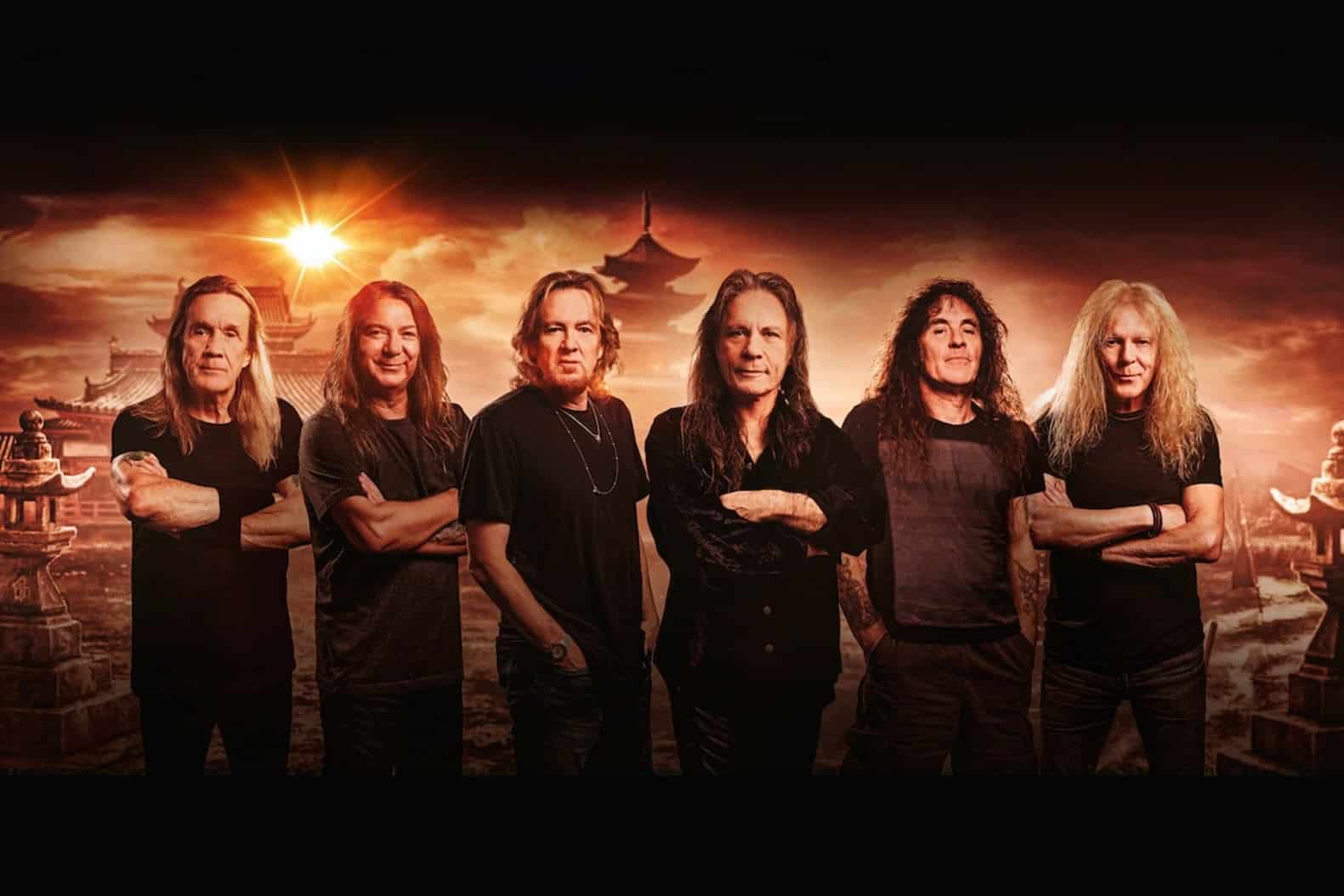
Iron Maiden is a legendary British heavy metal band formed in Leyton, East London, in 1975. The band’s iconic lineup consists of founder and bassist Steve Harris, along with guitarist Dave Murray, drummer Nicko McBrain, and vocalist Bruce Dickinson, among others who have contributed over the years.
Iron Maiden is known for their distinctive sound characterized by elaborate guitar solos, complex song structures, and Bruce Dickinson’s operatic vocals. Their music often features themes inspired by history, literature, and mythology, earning them a dedicated fanbase worldwide.
The band released their self-titled debut album in 1980, which garnered attention with tracks like “Running Free” and “Iron Maiden.” Subsequent albums such as “The Number of the Beast” (1982), “Powerslave” (1984), and “Seventh Son of a Seventh Son” (1988) solidified their status as one of the most influential bands in heavy metal.
Iron Maiden is also known for their elaborate live shows, featuring elaborate stage sets, pyrotechnics, and the iconic mascot Eddie, who has become a symbol of the band’s brand. They have toured extensively across the globe, building a reputation for their electrifying performances and dedicated fanbase known as the “Iron Maiden Family.”
Over their illustrious career, Iron Maiden has sold millions of albums worldwide and influenced countless other bands in the heavy metal genre. They have earned numerous awards and accolades and continue to release new music and tour, maintaining their status as one of the most enduring and beloved bands in heavy metal history.
1. The Trooper
“The Trooper” is a classic heavy metal song by Iron Maiden, released in 1983 as a single from their album “Piece of Mind.” The song was written by the band’s bassist and founder, Steve Harris.
“The Trooper” is inspired by the Charge of the Light Brigade during the Battle of Balaclava in the Crimean War. The lyrics vividly describe the bravery and sacrifice of the soldiers as they charge into battle against overwhelming odds, with lines like “The Trooper” and “The Iron Maiden.” Bruce Dickinson’s powerful vocals, combined with the song’s driving rhythm and melodic guitar solos, create an intense and epic atmosphere that captures the spirit of warfare.
“The Trooper” became one of Iron Maiden’s most iconic songs and a staple of their live performances. Its memorable riff and anthemic chorus have made it a fan favorite and a classic in the heavy metal genre. The song’s artwork, featuring the band’s mascot Eddie dressed as a British soldier, has also become iconic and synonymous with Iron Maiden’s brand.
“The Trooper” remains a highlight of Iron Maiden’s discography and continues to be celebrated by fans of heavy metal around the world for its powerful lyrics, memorable melody, and electrifying performance.
2. Run to the Hills
“Run to the Hills” is a song by the British heavy metal band Iron Maiden. It was released as a single from their third studio album, “The Number of the Beast,” in 1982. The song was written by the band’s bassist and primary songwriter, Steve Harris.
“Run to the Hills” is one of Iron Maiden’s most iconic and enduring songs. Musically, it features the band’s trademark galloping rhythm, dual-guitar harmonies, and Bruce Dickinson’s powerful vocals. Lyrically, the song explores themes of conflict, colonization, and the mistreatment of indigenous peoples, particularly Native Americans.
The chorus of “Run to the Hills” features the anthemic refrain, “Run to the hills, run for your lives,” which has become a rallying cry for Iron Maiden fans at their live concerts. The song’s energetic pace and catchy melody have made it a favorite among fans of heavy metal music.
“Run to the Hills” was a commercial success for Iron Maiden, reaching the top ten on the UK Singles Chart and becoming one of their most popular songs. It remains a staple of the band’s live performances and is often cited as one of their greatest hits.
3. Fear of the Dark
“Fear of the Dark” is a song by the British heavy metal band Iron Maiden. It was released as the title track of their ninth studio album, “Fear of the Dark,” in 1992. The song was written by the band’s bassist and primary songwriter, Steve Harris.
“Fear of the Dark” is one of Iron Maiden’s most famous and enduring songs. Musically, it features the band’s trademark galloping rhythm, dual-guitar harmonies, and Bruce Dickinson’s powerful vocals. The song builds gradually from a haunting, atmospheric intro to an explosive, anthemic chorus.
Lyrically, “Fear of the Dark” explores the theme of fear and the unknown, with the narrator expressing his struggles with anxiety and paranoia, particularly in the dark of night. The song’s evocative lyrics and memorable melody have made it a favorite among Iron Maiden fans and a staple of their live performances.
“Fear of the Dark” has become one of Iron Maiden’s most iconic songs, often serving as the title track for their live albums and concert tours. It remains a fan favorite and is widely regarded as one of the band’s greatest achievements.
4. Hallowed Be Thy Name
“Hallowed Be Thy Name” is a seminal heavy metal song by Iron Maiden, released in 1982 as the final track on their album “The Number of the Beast.” The song is widely regarded as one of the band’s greatest compositions and a masterpiece of the genre.
“Hallowed Be Thy Name” features complex song structures, intricate guitar work, and Bruce Dickinson’s powerful vocals. The lyrics, penned by the band’s then-lead vocalist Paul Di’Anno, tell the story of a man facing his impending execution and reflecting on his life, regrets, and mortality. The song’s themes of existentialism, fear, and acceptance resonate deeply with listeners.
Musically, “Hallowed Be Thy Name” showcases Iron Maiden’s trademark sound, with driving rhythms, melodic guitar solos, and dynamic shifts in tempo and intensity. The song’s epic and atmospheric arrangement builds to a climactic finale, leaving a lasting impact on the listener.
“Hallowed Be Thy Name” has become a fan favorite and a staple of Iron Maiden’s live performances. Its powerful lyrics and intricate instrumentation have earned it critical acclaim and cemented its status as one of the greatest heavy metal songs of all time. The song’s profound themes and emotional depth continue to resonate with audiences, ensuring its place in the pantheon of heavy metal classics.
5. Number of the Beast
“The Number of the Beast” is a song by the British heavy metal band Iron Maiden. It was released as the title track of their third studio album, “The Number of the Beast,” in 1982. The song was written by the band’s bassist and primary songwriter, Steve Harris.
“The Number of the Beast” is one of Iron Maiden’s most famous and iconic songs. Musically, it features the band’s trademark galloping rhythm, dual-guitar harmonies, and Bruce Dickinson’s powerful vocals. The song’s opening riff, played by guitarist Dave Murray, is instantly recognizable and sets the tone for the rest of the track.
Lyrically, “The Number of the Beast” draws inspiration from horror fiction and religious imagery. The song’s lyrics tell the story of a nightmare involving encounters with demonic forces and references to the Book of Revelation in the Bible. The chorus features the memorable refrain, “666, the number of the beast,” which has become synonymous with the song’s title and subject matter.
“The Number of the Beast” was a commercial success for Iron Maiden, reaching the top ten on the UK Singles Chart and becoming one of their most popular and enduring songs. It remains a staple of the band’s live performances and is often cited as one of the greatest heavy metal songs of all time.
6. Aces High
“Aces High” is a dynamic heavy metal song by Iron Maiden, released in 1984 as the lead track on their fifth studio album, “Powerslave.” The song is characterized by its fast tempo, soaring guitar solos, and Bruce Dickinson’s impassioned vocals.
“Aces High” is inspired by aerial combat during World War II, particularly the Battle of Britain. The lyrics vividly describe the experience of fighter pilots as they engage in aerial dogfights against enemy aircraft. The chorus, “Run, live to fly, fly to live, do or die,” captures the adrenaline-fueled intensity and bravery of the pilots as they confront the enemy in the skies.
Musically, “Aces High” features a driving rhythm section, blistering guitar riffs, and Dave Murray and Adrian Smith’s trademark harmonized guitar solos. The song’s energetic pace and exhilarating melodies create a sense of urgency and excitement, mirroring the chaos and danger of aerial combat.
“Aces High” has become one of Iron Maiden’s most beloved and iconic songs, known for its electrifying live performances and anthemic chorus. The song’s themes of heroism, courage, and sacrifice resonate with fans of heavy metal and military history alike, making it a timeless classic in the band’s extensive discography.
7. 2 Minutes to Midnight
“2 Minutes to Midnight” is a song by the British heavy metal band Iron Maiden. It was released as the lead single from their fifth studio album, “Powerslave,” in 1984. The song was written by the band’s bassist and primary songwriter, Steve Harris, with lyrics by the band’s lead vocalist, Bruce Dickinson.
“2 Minutes to Midnight” is one of Iron Maiden’s most popular and enduring songs. Musically, it features the band’s trademark galloping rhythm, dual-guitar harmonies, and Bruce Dickinson’s powerful vocals. The song’s memorable guitar riff, played by guitarist Adrian Smith, is instantly recognizable and sets the tone for the rest of the track.
Lyrically, “2 Minutes to Midnight” addresses themes of political tension and the threat of nuclear war. The song’s lyrics express a sense of urgency and paranoia, with references to the Doomsday Clock, which symbolizes the risk of global catastrophe. The chorus features the memorable refrain, “2 minutes to midnight, the hands that threaten doom.”
“2 Minutes to Midnight” was a commercial success for Iron Maiden, reaching the top ten on the UK Singles Chart and becoming one of their most popular songs. It remains a staple of the band’s live performances and is often cited as one of their greatest achievements.
8. Wasted Years
“Wasted Years” is a melodic heavy metal song by Iron Maiden, released in 1986 as the lead single from their album “Somewhere in Time.” The song was written by the band’s guitarist, Adrian Smith.
“Wasted Years” features introspective lyrics that reflect on the passage of time and the regrets of missed opportunities. The song’s protagonist contemplates the decisions he’s made and the paths he’s taken, acknowledging the moments lost and the roads not taken.
Musically, “Wasted Years” is characterized by its catchy guitar riffs, memorable melodies, and Bruce Dickinson’s powerful vocals. The song’s anthemic chorus and soaring guitar solos contribute to its infectious energy and emotional resonance.
“Wasted Years” became one of Iron Maiden’s most popular and enduring songs, earning praise from fans and critics alike for its memorable hooks and relatable themes. The song’s universal message about seizing the moment and making the most of life has made it a favorite among audiences around the world, ensuring its place as a classic in the band’s repertoire.
9. Can I Play with Madness
“Can I Play with Madness” is a song by the British heavy metal band Iron Maiden. It was released as the lead single from their seventh studio album, “Seventh Son of a Seventh Son,” in 1988. The song was written by the band’s bassist and primary songwriter, Steve Harris, with lyrics by the band’s lead vocalist, Bruce Dickinson.
“Can I Play with Madness” features Iron Maiden’s trademark galloping rhythm, dual-guitar harmonies, and Bruce Dickinson’s powerful vocals. The song’s catchy melody and memorable chorus contributed to its commercial success and popularity.
Lyrically, “Can I Play with Madness” tells the story of a man who becomes obsessed with a mysterious figure known as “the Prophet.” Despite warnings from those around him, the protagonist becomes increasingly drawn to the Prophet’s predictions and ultimately seeks out his guidance, leading to his downfall.
The song’s music video, directed by Julian Doyle, features actor Graham Chapman, known for his work with the comedy group Monty Python, in a supporting role.
“Can I Play with Madness” was a commercial success for Iron Maiden, reaching the top ten on the UK Singles Chart and becoming one of their most popular songs. It remains a fan favorite and is often performed live during the band’s concerts.
10. The Evil That Men Do
“The Evil That Men Do” is a powerful heavy metal song by Iron Maiden, released in 1988 as the second single from their album “Seventh Son of a Seventh Son.” The song was written by the band’s bassist and founder, Steve Harris, along with lead vocalist Bruce Dickinson and guitarist Adrian Smith.
“The Evil That Men Do” features thought-provoking lyrics that explore themes of morality, sin, and human nature. The title is derived from a famous line in William Shakespeare’s play “Julius Caesar” and serves as a commentary on the destructive actions and consequences of mankind.
Musically, “The Evil That Men Do” is characterized by its driving rhythm, memorable guitar riffs, and Bruce Dickinson’s powerful vocal delivery. The song’s anthemic chorus and dynamic instrumentation contribute to its dramatic and captivating sound.
“The Evil That Men Do” became a fan favorite and a staple of Iron Maiden’s live performances. Its thought-provoking lyrics and energetic music resonated with audiences, earning the song critical acclaim and solidifying its status as one of the standout tracks on “Seventh Son of a Seventh Son.”
Overall, “The Evil That Men Do” showcases Iron Maiden’s ability to blend complex themes with powerful music, making it a classic in the band’s extensive discography.

Edward Tomlin is a frequent contributor to Singers Room. Since 2005, Singersroom has been the voice of R&B around the world. Connect with us via social media below.









