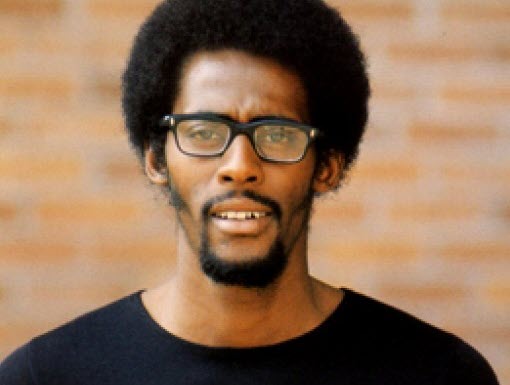
David Ruffin (1941–1991) was an American soul singer and musician best known for his work as the lead vocalist for The Temptations. Born on January 18, 1941, in Whynot, Mississippi, Ruffin began his music career in the 1950s as a member of various doo-wop and gospel groups.
Ruffin rose to fame in the 1960s as the lead singer of The Temptations, one of Motown Records’ most successful acts. He joined the group in 1964, replacing original lead singer Elbridge “Al” Bryant. With Ruffin as the frontman, The Temptations released a string of hit singles, including “My Girl,” “Ain’t Too Proud to Beg,” and “I Wish It Would Rain.” Ruffin’s charismatic stage presence, distinctive vocals, and emotional delivery helped solidify The Temptations’ status as one of the premier vocal groups of the era.
Despite his success with The Temptations, Ruffin eventually left the group in 1968 to pursue a solo career. He scored several solo hits, including “My Whole World Ended (The Moment You Left Me)” and “Walk Away from Love.” Ruffin’s solo work showcased his versatile voice and his ability to convey raw emotion in his performances.
Throughout his career, Ruffin struggled with personal issues, including drug addiction and legal troubles. Despite these challenges, he continued to record and perform music until his death.
David Ruffin’s contributions to soul music and his impact on popular culture are undeniable. His powerful voice, dynamic stage presence, and enduring songs have left an indelible mark on the music industry, and he is remembered as one of the greatest soul singers of all time.
1. My Girl
“My Girl” is a song recorded by The Temptations, not David Ruffin. It was written by Smokey Robinson and Ronald White and released as a single in 1964. It became one of The Temptations’ signature songs and a classic of the Motown era. “My Girl” features David Ruffin on lead vocals, and his passionate delivery helped propel the song to the top of the charts. It reached number one on the Billboard Hot 100 chart, becoming The Temptations’ first number-one hit. “My Girl” is known for its catchy melody, soulful harmonies, and romantic lyrics, making it one of the most beloved and enduring songs in popular music history.
2. Ain’t Too Proud to Beg
“Ain’t Too Proud to Beg” is a classic soul song originally performed by The Temptations. Released in 1966 as a single, the song was written by Norman Whitfield and Edward Holland Jr.
The song’s lyrics express the narrator’s willingness to do whatever it takes to win back the affection of their lover. Despite any pride or dignity they may have, they’re willing to humble themselves and beg for another chance at love. The catchy chorus, “I know you wanna leave me, but I refuse to let you go,” conveys the desperation and determination of the narrator.
Musically, “Ain’t Too Proud to Beg” features a driving rhythm, infectious melody, and tight vocal harmonies characteristic of The Temptations’ sound. The song’s upbeat tempo and energetic performance make it a favorite on dance floors and radio stations alike.
“Ain’t Too Proud to Beg” became one of The Temptations’ signature songs and a major hit, reaching the top of the Billboard R&B chart and peaking at number 13 on the Billboard Hot 100. Its enduring popularity has solidified its place as a classic in the Motown and soul music canons.
Over the years, “Ain’t Too Proud to Beg” has been covered by numerous artists across various genres, further cementing its status as a timeless anthem of love and devotion.
3. I Wish It Would Rain
“I Wish It Would Rain” is a soulful ballad originally performed by The Temptations. Released in 1967 as a single, the song was written by Norman Whitfield, Barrett Strong, and Roger Penzabene.
The song’s lyrics express the pain and heartache of a man who’s lost the love of his life. He wishes for rain to mask his tears and provide solace for his broken heart. The narrator longs for the comfort of darkness and rain to hide his emotional turmoil from the world.
Musically, “I Wish It Would Rain” features a slow tempo, melancholic melody, and rich vocal harmonies characteristic of The Temptations’ signature sound. The song’s emotional depth and soul-stirring performance evoke a sense of longing and sadness that resonates with listeners.
“I Wish It Would Rain” became one of The Temptations’ most beloved and enduring songs, reaching the top of the Billboard R&B chart and peaking at number 4 on the Billboard Hot 100. Its poignant lyrics and soulful delivery struck a chord with audiences, making it a classic in the Motown and soul music canons.
Over the years, “I Wish It Would Rain” has been covered by various artists, showcasing its enduring appeal and timeless message of heartbreak and longing.
4. Walk Away From Love
“Walk Away from Love” is a song by American soul singer David Ruffin. Released in 1975, it became one of Ruffin’s most successful solo singles. The song was written by Charles Kipps and produced by Van McCoy.
“Walk Away from Love” features a lush arrangement with a prominent string section and a driving rhythm. The lyrics tell the story of a man who realizes that his relationship is failing and decides to walk away rather than continue to suffer. Despite the pain of letting go, he knows it’s the right decision for both himself and his partner.
The song’s heartfelt vocals and emotive delivery by David Ruffin struck a chord with audiences, and “Walk Away from Love” became a crossover hit, reaching the top of the Billboard R&B chart and peaking at number nine on the Billboard Hot 100 chart.
“Walk Away from Love” remains one of David Ruffin’s most enduring songs and is considered a classic of 1970s soul music. Its timeless message of empowerment and resilience continues to resonate with listeners, making it a favorite among fans of R&B and soul.
5. I Could Never Love Another (After Loving You)
“I Could Never Love Another (After Loving You)” is a soulful ballad originally performed by The Temptations. Released in 1968 as a single, the song was written by Norman Whitfield and Barrett Strong.
The song’s lyrics express the depth of the narrator’s love and devotion to their partner. They declare that no one else could ever take their place in their heart after experiencing the profound love they share. The narrator reflects on the intensity of their feelings and the impossibility of ever loving another person in the same way.
Musically, “I Could Never Love Another (After Loving You)” features a slow tempo, lush orchestration, and heartfelt vocal harmonies characteristic of The Temptations’ signature sound. The song’s emotional depth and soulful delivery convey a sense of vulnerability and sincerity that resonates with listeners.
“I Could Never Love Another (After Loving You)” became a hit for The Temptations, reaching the top of the Billboard R&B chart and peaking at number 13 on the Billboard Hot 100. Its poignant lyrics and soul-stirring performance struck a chord with audiences, making it a classic in the Motown and soul music canons.
Over the years, “I Could Never Love Another (After Loving You)” has been covered by various artists, further solidifying its status as a timeless love ballad that continues to captivate listeners with its emotional power and sincerity.
6. What Becomes of the Brokenhearted
“What Becomes of the Brokenhearted” is a soul song originally recorded by Jimmy Ruffin, the older brother of David Ruffin, in 1966. Jimmy Ruffin’s version was released as a single on the Motown label and became a major hit, reaching number six on the Billboard Hot 100 chart.
The song was written by James Dean, Paul Riser, and William Weatherspoon. It features heartfelt lyrics that explore the pain and anguish of heartbreak, as the narrator reflects on a failed relationship and wonders what will become of those who are left with broken hearts.
Jimmy Ruffin’s soulful vocals and the song’s lush orchestration contributed to its success and enduring popularity. “What Becomes of the Brokenhearted” has since become a classic of the Motown era and has been covered by numerous artists over the years.
David Ruffin, Jimmy’s brother and former member of The Temptations, also recorded a notable version of the song. His rendition was released in 1971 as a track on his solo album “David Ruffin.”
Overall, “What Becomes of the Brokenhearted” is celebrated for its emotive lyrics, powerful vocals, and timeless appeal, and it continues to resonate with listeners as a poignant reflection on the pain of lost love.
7. I’ve Lost Everything I’ve Ever Loved
“I’ve Lost Everything I’ve Ever Loved” is a poignant country song performed by the legendary American country music artist George Jones. Released in 1976 as a single from his album “The Battle,” the song was written by George Jones himself, along with Tammy Wynette and George Richey.
The song’s lyrics tell the story of heartbreak and despair, as the narrator reflects on the losses they’ve experienced in life. They lament the pain of losing everything they held dear, from love and relationships to material possessions. Despite their efforts to hold on, they find themselves alone and brokenhearted, with nothing left but memories of happier times.
Musically, “I’ve Lost Everything I’ve Ever Loved” features a traditional country sound, with mournful steel guitar, plaintive fiddle, and George Jones’ emotive vocals. The song’s slow tempo and melancholic melody capture the somber mood of the lyrics, evoking a sense of loneliness and longing.
“I’ve Lost Everything I’ve Ever Loved” became a hit for George Jones, reaching the top 10 on the Billboard Hot Country Singles chart. Its raw emotion and heartfelt performance resonated with audiences, making it a standout track in Jones’ extensive catalog of hits.
The song remains a classic in the country music canon, cherished by fans for its authenticity, honesty, and timeless appeal. Its universal themes of loss and heartache continue to resonate with listeners, serving as a reminder of the fragile nature of love and the pain of letting go.
8. My Whole World Ended (The Moment You Left Me)
“My Whole World Ended (The Moment You Left Me)” is a soul song recorded by David Ruffin, released in 1969. It was his first single as a solo artist after leaving The Temptations. The song was written by Johnny Bristol, Harvey Fuqua, and Pam Sawyer.
“My Whole World Ended (The Moment You Left Me)” features Ruffin’s powerful and emotive vocals, conveying the heartbreak and devastation of losing a loved one. The song’s arrangement combines soulful instrumentation with orchestral elements, creating a dramatic and poignant atmosphere.
The lyrics describe the narrator’s profound sense of loss and despair following the end of a relationship. Ruffin delivers the lyrics with raw emotion, capturing the pain of heartbreak and the struggle to cope with the aftermath.
“My Whole World Ended (The Moment You Left Me)” was a commercial success, reaching number nine on the Billboard Hot 100 chart and number two on the Billboard R&B chart. The song’s popularity established David Ruffin as a successful solo artist and remains one of his most enduring and beloved recordings.
Over the years, “My Whole World Ended (The Moment You Left Me)” has been covered by various artists and has been recognized as a classic of soul music. Its timeless appeal and emotional resonance continue to captivate listeners, making it a standout in Ruffin’s discography and a cherished song in the broader landscape of soul music.
9. Statue of a Fool
“Statue of a Fool” is a classic country song originally performed by Jack Greene. Released in 1969 as a single from his album “There Goes My Everything,” the song was written by Jan Crutchfield.
The song’s lyrics tell the story of a man who realizes he’s been foolish in love. He compares himself to a statue, unable to express his true emotions or change his fate. Despite his outward appearance of strength and stoicism, he’s actually vulnerable and heartbroken inside.
Musically, “Statue of a Fool” features a traditional country sound, with twangy guitars, pedal steel, and Jack Greene’s emotive vocals. The song’s slow tempo and mournful melody enhance the emotional impact of the lyrics, evoking a sense of loneliness and regret.
“Statue of a Fool” became a major hit for Jack Greene, reaching the top of the Billboard Hot Country Singles chart and earning critical acclaim. Its heartfelt performance and universal themes of love and loss resonated with audiences, making it a classic in the country music canon.
Over the years, “Statue of a Fool” has been covered by various artists, further solidifying its status as a timeless country ballad. Its enduring popularity and emotional depth continue to captivate listeners, making it a favorite among fans of classic country music.
10. Rainy Night in Georgia
“Rainy Night in Georgia” is a soul song written by Tony Joe White and originally recorded by American soul singer Brook Benton in 1970. The song has since been covered by numerous artists from various genres.
Brook Benton’s rendition of “Rainy Night in Georgia” became one of his signature songs and a classic of the soul genre. With its evocative lyrics and smooth, soulful delivery, Benton’s version captured the melancholy mood of a rainy night and the longing for lost love.
The song describes the narrator’s experiences and emotions on a rainy night in Georgia, reflecting on loneliness, heartache, and the passage of time. The imagery of the rain and the setting of Georgia add to the song’s atmosphere, creating a sense of longing and nostalgia.
“Rainy Night in Georgia” has been praised for its poignant lyrics, soulful melody, and Benton’s rich vocals. It remains a beloved classic and has been covered by artists such as Ray Charles, Randy Crawford, and Hank Williams Jr., among others.
The song’s enduring popularity and universal themes have made it a staple of soul music and a timeless favorite among listeners around the world.

Edward Tomlin is a frequent contributor to Singers Room. Since 2005, Singersroom has been the voice of R&B around the world. Connect with us via social media below.









