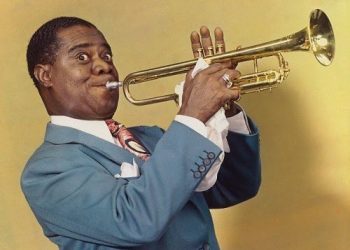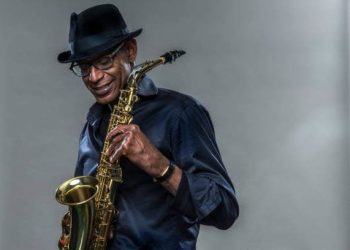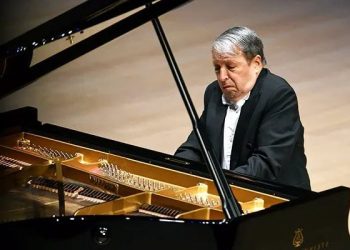
Piano players, often referred to as pianists, are musicians who specialize in playing the piano, a versatile and expressive musical instrument with a rich history spanning centuries. Pianists are known for their skillful manipulation of the keyboard, their ability to interpret and perform a wide range of musical styles, and their deep understanding of music theory and composition.
Piano players have played a significant role in shaping the landscape of music, from classical compositions by renowned composers like Mozart, Beethoven, and Chopin, to jazz standards by legends like Duke Ellington, Thelonious Monk, and Bill Evans, to contemporary pop hits by artists like Elton John, Billy Joel, and Alicia Keys. Their contributions to music span genres, cultures, and generations, making the piano one of the most ubiquitous and beloved instruments in the world.
Piano players undergo years of rigorous training and practice to develop their technical proficiency, musicality, and artistic interpretation. They often perform solo recitals, collaborate with other musicians in ensembles and bands, and accompany singers and instrumentalists in various musical settings.
Whether performing on stage, recording in the studio, or teaching aspiring pianists, piano players continue to captivate audiences with their virtuosity, creativity, and passion for music. Their ability to convey emotion, tell stories, and evoke powerful emotions through their playing makes them indispensable figures in the world of music, inspiring and enchanting listeners of all ages and backgrounds.
1. Ludwig van Beethoven
Ludwig van Beethoven, baptized on December 17, 1770, in Bonn, Germany, was a prolific and influential composer of the late 18th and early 19th centuries. He is widely regarded as one of the greatest composers in the history of Western classical music, known for his innovative compositions, emotional depth, and profound impact on the development of music.
Beethoven’s musical talents were evident from an early age, and he received his early training from his father and other local musicians in Bonn. By his late teens, he had established himself as a promising pianist and composer, and in 1792, he moved to Vienna, where he would spend the rest of his life.
Over the course of his career, Beethoven composed a vast body of work that includes symphonies, concertos, chamber music, piano sonatas, and opera. His music is characterized by its emotional intensity, dramatic contrasts, and bold experimentation with form and structure.
Some of Beethoven’s most famous compositions include his nine symphonies, with the Ninth Symphony, featuring the “Ode to Joy,” being one of the most celebrated works in the classical repertoire. Other notable works include his piano sonatas, such as the “Moonlight Sonata” and the “Appassionata,” and his string quartets, including the “Late Quartets,” which are considered masterpieces of the genre.
Despite facing numerous personal challenges, including deafness in his later years, Beethoven continued to compose music of extraordinary beauty and complexity. His music transcends time and remains as relevant and influential today as it was during his lifetime.
Beethoven’s legacy extends far beyond his compositions. He revolutionized classical music, pushing its boundaries and paving the way for future generations of composers. His impact on music and culture is immeasurable, and his name will forever be synonymous with artistic genius and musical excellence.
2. Wolfgang Amadeus Mozart
Wolfgang Amadeus Mozart, born on January 27, 1756, in Salzburg, Austria, was one of the most prolific and influential composers of the Classical era. With his prodigious talent, unparalleled creativity, and extraordinary mastery of musical composition, Mozart left an indelible mark on the world of classical music and remains one of the most revered figures in the history of music.
Mozart’s musical genius manifested at an early age, and he began composing music by the age of five. Throughout his short but prolific life, he composed over 600 works, including symphonies, concertos, operas, chamber music, and choral pieces. His compositions are characterized by their exquisite melodies, harmonic sophistication, and emotional depth, showcasing his remarkable ability to express a wide range of emotions and moods through music.
Some of Mozart’s most famous works include operas like “The Marriage of Figaro,” “Don Giovanni,” and “The Magic Flute,” symphonies like “Symphony No. 40” and “Symphony No. 41 (Jupiter),” and piano concertos like “Piano Concerto No. 21” and “Piano Concerto No. 23.” His music continues to be performed and admired by audiences around the world for its beauty, complexity, and timeless appeal.
In addition to his musical achievements, Mozart was also a skilled pianist and violinist, known for his virtuosic performances and improvisational skills. His contributions to the development of classical music, particularly in the realms of form, structure, and melody, have earned him a place among the greatest composers of all time.
Despite his untimely death at the age of 35, Mozart’s legacy as a musical prodigy and master composer lives on, inspiring generations of musicians and music lovers with his unparalleled talent and enduring music. Wolfgang Amadeus Mozart remains a towering figure in the world of classical music, beloved by audiences and revered by musicians for his timeless contributions to the art form.
3. Frédéric Chopin
Frédéric Chopin, born on March 1, 1810, in Żelazowa Wola, Poland, was a renowned composer and virtuoso pianist of the Romantic era. He is widely regarded as one of the greatest composers for the piano and his music is celebrated for its emotional depth, technical brilliance, and poetic expression.
Chopin’s musical talents were evident from a young age, and he received his early music education in Warsaw. By his late teens, he had established himself as a prodigious pianist and composer, and in 1830, he left Poland to pursue his musical career in Paris, where he would spend the rest of his life.
Over the course of his career, Chopin composed a vast repertoire of solo piano works, including nocturnes, preludes, etudes, ballades, and mazurkas. His compositions are known for their lyricism, sensitivity, and intimate expression of human emotions. Chopin’s music often reflects his Polish heritage, incorporating elements of Polish folk music, dance rhythms, and melodic motifs.
Chopin’s piano playing was also highly influential, characterized by his delicate touch, expressive phrasing, and innovative use of pedal. He revolutionized piano technique and expanded the expressive possibilities of the instrument, leaving a lasting impact on pianists and composers alike.
Despite facing health challenges throughout his life, including tuberculosis, Chopin continued to compose music of extraordinary beauty and depth. His music remains as beloved and revered today as it was during his lifetime, and his legacy as one of the greatest composers for the piano endures. Chopin’s compositions continue to inspire and captivate audiences around the world with their timeless beauty and profound emotional resonance.
4. Franz Liszt
Franz Liszt, born on October 22, 1811, in Raiding, Hungary (now part of Austria), was a Hungarian composer, virtuoso pianist, conductor, and teacher who is widely regarded as one of the greatest pianists of all time and one of the most influential figures in the history of Western classical music.
Liszt’s extraordinary talent and innovative approach to piano playing revolutionized the instrument and paved the way for future generations of pianists. His performances were known for their technical brilliance, emotional intensity, and dramatic flair, captivating audiences and earning him widespread acclaim throughout Europe.
In addition to his prowess as a pianist, Liszt was also a prolific composer who contributed significantly to the development of Romantic music. He composed a vast body of work, including piano pieces, symphonic poems, operas, and choral works, many of which remain staples of the classical repertoire.
Liszt’s compositions are characterized by their virtuosic demands, lush harmonies, and expressive melodies, reflecting his own experiences and emotions as well as the cultural and social influences of his time. Works like “Hungarian Rhapsodies,” “Liebesträume,” and “Piano Sonata in B minor” are among his most famous compositions, showcasing his mastery of form, structure, and musical expression.
In addition to his musical achievements, Liszt was also a prominent figure in the cultural and intellectual life of his time, known for his magnetic personality, philanthropy, and advocacy for other composers and musicians.
Despite facing personal and professional challenges throughout his life, Liszt’s legacy as a towering figure in the world of classical music remains unparalleled. His contributions to piano technique, composition, and performance have had a lasting impact on the course of music history, and his music continues to be celebrated and performed by musicians and audiences around the world. Franz Liszt remains a true icon of classical music, beloved by generations of music lovers for his virtuosity, innovation, and passion for music.
5. Claude Debussy
Claude Debussy, born on August 22, 1862, in Saint-Germain-en-Laye, France, was a pioneering composer of the late 19th and early 20th centuries. He is widely regarded as one of the most influential figures in the development of Impressionist music, known for his innovative harmonies, subtle textures, and evocative soundscapes.
Debussy’s musical talents were evident from an early age, and he received his formal training at the Paris Conservatoire. He was deeply influenced by the Symbolist movement in literature and the visual arts, as well as by the music of composers such as Richard Wagner and Erik Satie.
Over the course of his career, Debussy composed a wide variety of works, including orchestral pieces, chamber music, and piano music. His compositions are characterized by their use of rich harmonies, colorful orchestration, and fluid, non-linear forms. Debussy often sought to evoke imagery, moods, and sensations through his music, rejecting traditional narrative structures in favor of more impressionistic and atmospheric effects.
Some of Debussy’s most famous works include “Prélude à l’après-midi d’un faune” (Prelude to the Afternoon of a Faun), “La Mer” (The Sea), and “Clair de Lune” (Moonlight), which remain staples of the classical repertoire.
Debussy’s music had a profound impact on the course of 20th-century music, influencing composers such as Maurice Ravel, Igor Stravinsky, and Béla Bartók. His rejection of Romanticism and embrace of new harmonic and tonal possibilities paved the way for the development of modernism in music.
Despite facing personal and professional challenges throughout his life, including financial difficulties and health problems, Debussy continued to compose music of extraordinary beauty and innovation. His legacy as one of the greatest composers of the Impressionist era endures, and his music continues to inspire and captivate audiences with its timeless allure and imaginative spirit.
6. Sergei Rachmaninoff
Sergei Rachmaninoff, born on April 1, 1873, in Semyonovo, Russia, was a Russian composer, pianist, and conductor whose music is celebrated for its rich harmonies, virtuosic piano writing, and emotional depth. He is widely regarded as one of the greatest composers of the late Romantic period and one of the finest pianists of his time.
Rachmaninoff’s musical talents were evident from a young age, and he entered the Moscow Conservatory at the age of 12, studying piano and composition. His early compositions, including his Prelude in C-sharp minor, quickly gained attention for their melodic beauty and technical brilliance.
Over the course of his career, Rachmaninoff composed a wide range of works, including orchestral pieces, chamber music, choral music, and solo piano works. His compositions are characterized by their lush, Romantic melodies, intricate textures, and powerful emotional intensity.
Some of Rachmaninoff’s most famous works include his Piano Concerto No. 2 in C minor, his Symphony No. 2 in E minor, and his “Rhapsody on a Theme of Paganini.” His piano music, including his Preludes, Etudes-Tableaux, and Moments Musicaux, remains popular with pianists and audiences alike for its technical challenges and expressive beauty.
In addition to his work as a composer, Rachmaninoff was also a highly acclaimed pianist, known for his towering stature, large hands, and commanding stage presence. His performances of his own compositions, as well as those of other composers, were celebrated for their emotional depth and technical mastery.
Despite facing personal and professional challenges, including the Russian Revolution and the loss of his homeland, Rachmaninoff continued to compose music of extraordinary beauty and power. His music remains as beloved and revered today as it was during his lifetime, and his legacy as one of the greatest composers and pianists of the Romantic era endures.
7. Arthur Rubinstein
Arthur Rubinstein, born on January 28, 1887, in Łódź, Poland, was a legendary pianist widely regarded as one of the greatest interpreters of the Romantic repertoire. With his exquisite touch, profound musicality, and captivating stage presence, Rubinstein captivated audiences around the world and left an indelible mark on the world of classical music.
Rubinstein’s career spanned over seven decades, during which he performed extensively across Europe, the Americas, and other parts of the world. He was particularly celebrated for his interpretations of composers such as Frédéric Chopin, Johannes Brahms, and Sergei Rachmaninoff, whose works he imbued with sensitivity, passion, and depth.
Rubinstein’s playing was characterized by its lyrical phrasing, exquisite tone, and impeccable technique, earning him widespread acclaim and admiration from both audiences and fellow musicians. His performances were known for their emotional intensity and profound musical insight, drawing listeners into the heart of the music and leaving a lasting impression.
In addition to his virtuosity as a performer, Rubinstein was also a prolific recording artist, leaving behind a vast legacy of recordings that continue to be treasured by classical music enthusiasts to this day. His recordings of Chopin’s piano music, in particular, are considered definitive interpretations and have set the standard for generations of pianists.
Throughout his long and illustrious career, Rubinstein received numerous awards and honors, including multiple Grammy Awards and the Presidential Medal of Freedom. He was also a dedicated philanthropist, supporting various charitable causes throughout his life.
Despite facing personal and professional challenges, Rubinstein’s passion for music remained undiminished, and his legacy as one of the greatest pianists of all time continues to inspire and enchant audiences around the world. Arthur Rubinstein’s profound musicianship, unparalleled artistry, and enduring contributions to the world of classical music ensure that he will always be remembered as a true icon of the piano.
8. Vladimir Horowitz
Vladimir Horowitz, born on October 1, 1903, in Kiev, Ukraine, was a legendary Russian-American pianist known for his virtuosic technique, expressive interpretations, and electrifying performances. He is widely regarded as one of the greatest pianists of the 20th century and remains an icon of classical music.
Horowitz’s musical talents were evident from a young age, and he began studying piano at the age of five. He received his formal training at the Kiev Conservatory, where he studied with renowned pianist and composer Felix Blumenfeld. By his early twenties, Horowitz had established himself as a prodigious talent, winning top prizes at international piano competitions and gaining recognition for his remarkable technical prowess and artistic sensitivity.
Throughout his career, Horowitz captivated audiences with his electrifying performances and innovative interpretations of the classical repertoire. His playing was characterized by its power, precision, and unparalleled virtuosity, earning him praise from critics and fans alike.
Horowitz’s repertoire encompassed a wide range of composers, from the Baroque era to the contemporary period, but he was particularly celebrated for his performances of the Romantic repertoire, including works by Chopin, Liszt, Rachmaninoff, and Scriabin. His recordings of Chopin’s music, in particular, are considered definitive interpretations and have inspired generations of pianists.
In addition to his performing career, Horowitz was also known for his reclusive nature and perfectionist tendencies. He took extended breaks from performing throughout his career, only to return to the stage with triumphant comebacks that captured the imagination of audiences around the world.
Despite his fame and acclaim, Horowitz remained humble and dedicated to his art, constantly striving for perfection in his playing. His legacy as one of the greatest pianists of all time endures, and his recordings and performances continue to inspire and delight audiences with their brilliance and artistry.
9. Glenn Gould
Glenn Gould, born on September 25, 1932, in Toronto, Canada, was a Canadian pianist, composer, and conductor who is widely regarded as one of the most brilliant and enigmatic musicians of the 20th century. Known for his exceptional talent, unique interpretations, and eccentric personality, Gould revolutionized the world of classical music and left an indelible mark on piano performance.
Gould’s career was marked by his unparalleled virtuosity, meticulous attention to detail, and unconventional approach to music-making. He gained international fame with his recordings of Johann Sebastian Bach’s keyboard works, which are celebrated for their clarity, precision, and innovative interpretations. His landmark recording of Bach’s “Goldberg Variations,” released in 1955 when he was just 22 years old, remains one of the most influential and acclaimed recordings in the history of classical music.
Gould’s distinctive playing style was characterized by its crystalline articulation, rapid tempos, and meticulous control of touch and dynamics. He eschewed the traditional Romantic approach to interpretation, favoring a more objective, intellectual approach that emphasized clarity, structure, and contrapuntal detail.
In addition to his work as a performer, Gould was also a prolific composer, writer, and broadcaster, known for his insightful and provocative commentary on music and culture. He was a passionate advocate for contemporary music and championed the works of composers such as Arnold Schoenberg, Paul Hindemith, and Igor Stravinsky.
Despite his fame and success, Gould was known for his reclusive nature and eccentric habits, including his preference for recording over live performance and his insistence on using a small, modified piano chair instead of a traditional piano bench.
Gould’s legacy as a pioneering pianist and visionary musician continues to inspire and intrigue musicians and audiences around the world. His recordings, writings, and ideas have had a profound impact on the way we listen to and understand music, and his uncompromising commitment to artistic integrity and individual expression remains an enduring inspiration to musicians and artists of all disciplines. Glenn Gould remains a true icon of classical music, beloved by fans and revered by fellow musicians for his unmatched talent, originality, and uncompromising artistic vision.
10. Martha Argerich
Martha Argerich, born on June 5, 1941, in Buenos Aires, Argentina, is one of the most revered and celebrated pianists of the 20th and 21st centuries. Known for her exceptional technique, deep musical insight, and electrifying performances, Argerich is widely regarded as one of the greatest pianists of her generation.
Argerich’s musical talent was evident from an early age, and she began studying piano at the age of three. By her teenage years, she had already garnered attention for her remarkable virtuosity and musicianship, winning top prizes at international piano competitions, including the Geneva International Music Competition and the Ferruccio Busoni International Piano Competition.
Throughout her career, Argerich has captivated audiences and critics alike with her passionate and dynamic performances. Her playing is characterized by its intensity, spontaneity, and emotional depth, as well as her extraordinary technical command of the instrument.
Argerich’s repertoire is vast and eclectic, encompassing works from the Baroque era to the contemporary period, but she is particularly acclaimed for her interpretations of composers such as Chopin, Liszt, Schumann, and Prokofiev. Her recordings of Chopin’s music, in particular, are considered some of the finest interpretations ever committed to disc.
In addition to her solo career, Argerich is also a sought-after chamber musician and collaborator, frequently performing with leading orchestras, conductors, and fellow musicians around the world. Her partnerships with artists like pianist Nelson Freire and conductor Claudio Abbado are legendary, showcasing her ability to connect deeply with her musical colleagues and create transcendent performances.
Despite her fame and acclaim, Argerich remains refreshingly modest and down-to-earth, focusing on her love of music above all else. Her legacy as one of the greatest pianists of all time endures, and her recordings and performances continue to inspire and captivate audiences with their brilliance, passion, and artistry.
11. Oscar Peterson
Oscar Peterson, born on August 15, 1925, in Montreal, Canada, was a virtuoso jazz pianist and composer renowned for his extraordinary technique, improvisational brilliance, and unparalleled mastery of the piano. With his dazzling speed, prodigious technique, and boundless creativity, Peterson became one of the most influential and celebrated figures in the history of jazz music.
Peterson’s career spanned over six decades, during which he recorded over 200 albums as a leader and collaborated with some of the most prominent jazz musicians of his time, including Ella Fitzgerald, Dizzy Gillespie, and Count Basie. He was particularly celebrated for his trio recordings, featuring bassist Ray Brown and drummer Ed Thigpen, which set the standard for small group jazz performance.
Peterson’s playing was characterized by its dazzling virtuosity, harmonic sophistication, and rhythmic intensity, earning him widespread acclaim and admiration from both audiences and fellow musicians. His improvisations were marked by their fluidity, inventiveness, and emotional depth, drawing listeners into a world of rich melodies, complex harmonies, and infectious rhythms.
In addition to his skill as a performer, Peterson was also a gifted composer and arranger, known for his inventive reworkings of jazz standards and original compositions. Hits like “C Jam Blues,” “Hymn to Freedom,” and “Night Train” showcase his versatility as a composer and his ability to infuse traditional jazz forms with fresh energy and creativity.
Throughout his career, Peterson received numerous awards and honors, including eight Grammy Awards and the Order of Canada. He was also a dedicated educator, sharing his knowledge and passion for jazz music with generations of students through his teaching and mentorship.
Despite facing personal and professional challenges throughout his life, Peterson’s love for music remained undiminished, and his legacy as one of the greatest jazz pianists of all time continues to inspire and influence musicians around the world. Oscar Peterson’s unparalleled talent, innovative spirit, and enduring contributions to the world of jazz music ensure that he will always be remembered as a true icon of the piano.
12. Bill Evans
Bill Evans, born William John Evans on August 16, 1929, in Plainfield, New Jersey, was a groundbreaking American jazz pianist and composer whose innovative approach to harmony, rhythm, and improvisation transformed the landscape of jazz music. With his lyrical touch, introspective style, and profound musical insight, Evans became one of the most influential pianists in the history of jazz.
Evans’ musical journey began in the 1950s when he moved to New York City and immersed himself in the city’s vibrant jazz scene. He quickly gained recognition for his unique sound and sensitive approach to playing, and he soon became a sought-after sideman, collaborating with artists like Miles Davis, Cannonball Adderley, and John Coltrane.
In 1959, Evans joined Miles Davis’ seminal sextet and made significant contributions to the landmark album “Kind of Blue,” which is widely regarded as one of the greatest jazz albums of all time. His delicate piano playing and innovative chord voicings added depth and complexity to the album’s sound, earning him critical acclaim and establishing him as a leading figure in the jazz world.
Throughout his career, Evans recorded a prolific body of work as both a leader and a sideman, releasing numerous albums that showcased his remarkable talent as a pianist and composer. His recordings with his trio, featuring bassist Scott LaFaro and drummer Paul Motian, are particularly revered for their groundbreaking interplay and collective improvisation.
Evans’ music is characterized by its introspective lyricism, harmonic sophistication, and deep emotional resonance. His compositions, such as “Waltz for Debby” and “Peace Piece,” are celebrated for their beauty and simplicity, while his improvisations are known for their inventiveness and melodic invention.
Despite his struggles with addiction and personal challenges, Evans continued to create music of extraordinary beauty and depth until his untimely death on September 15, 1980, at the age of 51. His legacy as one of the greatest jazz pianists of all time endures, and his recordings and compositions continue to inspire and influence musicians and audiences around the world with their timeless elegance and profound musicality.
13. Keith Jarrett
Keith Jarrett, born on May 8, 1945, in Allentown, Pennsylvania, is an American jazz and classical pianist, composer, and bandleader known for his improvisational prowess, virtuosic technique, and expansive musical vision. With his distinctive style, emotive performances, and unparalleled improvisational skills, Jarrett has become one of the most influential and celebrated pianists of his generation.
Jarrett’s career spans over six decades, during which he has released numerous acclaimed albums as both a solo artist and bandleader. He is perhaps best known for his improvisational solo piano concerts, where he explores a wide range of musical styles and genres, blending elements of jazz, classical, folk, and world music into a unique and compelling musical tapestry.
Jarrett’s improvisations are characterized by their spontaneity, inventiveness, and emotional depth, with each performance unfolding as a journey of musical discovery. His ability to channel raw emotion and expressiveness through his playing has earned him widespread acclaim and admiration from audiences and fellow musicians alike.
In addition to his solo work, Jarrett has also led several influential jazz ensembles, including the Keith Jarrett Trio and the Standards Trio, featuring bassist Gary Peacock and drummer Jack DeJohnette. These groups have produced a wealth of acclaimed recordings and have set the standard for modern jazz piano trios.
Beyond his contributions to jazz music, Jarrett is also an accomplished classical pianist and composer, known for his interpretations of works by composers such as Johann Sebastian Bach, Ludwig van Beethoven, and Frédéric Chopin. His performances and recordings of classical repertoire are characterized by their sensitivity, insight, and technical brilliance.
Throughout his career, Jarrett has received numerous awards and honors, including multiple Grammy Awards and the Polar Music Prize. He is widely regarded as one of the greatest pianists of his generation, with his music continuing to inspire and captivate audiences around the world.
Despite facing health challenges in recent years, Jarrett’s passion for music remains undiminished, and his legacy as a true innovator and master of the piano continues to grow. Keith Jarrett’s unparalleled talent, boundless creativity, and enduring contributions to the world of music ensure that he will always be remembered as a true icon of the piano.
14. Herbie Hancock
Herbie Hancock, born on April 12, 1940, in Chicago, Illinois, is a pioneering American jazz pianist, composer, and bandleader who has made profound contributions to the world of jazz and beyond. With his innovative approach to harmony, rhythm, and improvisation, Hancock has continually pushed the boundaries of the genre and remains one of the most influential figures in the history of jazz.
Hancock’s musical journey began at an early age, and he showed prodigious talent as a pianist from the start. He received formal training at the Chicago College of Performing Arts and quickly gained recognition for his technical prowess and creative vision.
In the 1960s, Hancock emerged as a leading figure in the jazz world, working with jazz luminaries like Miles Davis, Donald Byrd, and Wayne Shorter. His tenure with Miles Davis’ second great quintet produced some of the most innovative and influential jazz recordings of the era, including the groundbreaking album “Maiden Voyage.”
As a bandleader, Hancock has explored a wide range of musical styles, from straight-ahead jazz to funk, fusion, and electronic music. His albums “Head Hunters” and “Thrust” are considered classics of jazz-funk fusion, featuring hits like “Chameleon” and “Watermelon Man” that have become staples of the jazz repertoire.
Throughout his career, Hancock has embraced new technologies and musical innovations, incorporating synthesizers, electronic effects, and sampling into his music. His album “Future Shock” and its hit single “Rockit” helped popularize hip-hop and electronic music and earned him a Grammy Award for Best R&B Instrumental Performance in 1984.
In addition to his achievements as a performer and composer, Hancock is also a passionate educator and advocate for music education. He has served as a UNESCO Goodwill Ambassador for Intercultural Dialogue and is a co-founder of the International Committee of Artists for Peace.
Herbie Hancock’s influence extends far beyond the world of jazz, and his music continues to inspire and captivate audiences around the world. With his groundbreaking innovations, artistic vision, and unwavering commitment to musical excellence, Hancock remains a true icon of American music and a living legend in the annals of jazz history.
15. Thelonious Monk
Thelonious Monk, born on October 10, 1917, in Rocky Mount, North Carolina, was an American jazz pianist and composer who is celebrated as one of the most innovative and influential figures in the history of jazz music. With his distinctive pianistic style, unconventional compositions, and idiosyncratic approach to improvisation, Monk left an indelible mark on the world of jazz and remains one of its most revered and iconic figures.
Monk’s career spanned over four decades, during which he developed a unique and highly individualistic approach to jazz piano playing. His playing was characterized by its angular melodies, dissonant harmonies, and rhythmic complexity, reflecting his keen sense of rhythm and his distinctive musical vision. Monk’s compositions, which include classics like “Round Midnight,” “Blue Monk,” and “Straight, No Chaser,” are known for their innovative structures, quirky melodies, and unpredictable twists and turns, earning him widespread acclaim as a composer and bandleader.
In addition to his groundbreaking work as a pianist and composer, Monk was also known for his eccentric personality and unconventional stage presence, which only added to his mystique as an artist. Despite his unconventional approach to music and his refusal to conform to jazz conventions, Monk’s music resonated deeply with audiences and musicians alike, earning him a devoted following and critical acclaim.
Throughout his career, Monk received numerous awards and honors, including a special citation from the Pulitzer Prize Board for his contributions to American music. He was also posthumously awarded a Grammy Lifetime Achievement Award in recognition of his enduring influence and legacy.
Despite facing personal and professional challenges throughout his life, Monk’s passion for music remained undiminished, and his legacy as a true jazz innovator and visionary continues to inspire and influence musicians around the world. Thelonious Monk’s unparalleled creativity, groundbreaking compositions, and unique approach to jazz piano ensure that he will always be remembered as one of the greatest and most original voices in the history of jazz music.

Edward Tomlin is a frequent contributor to Singers Room. Since 2005, Singersroom has been the voice of R&B around the world. Connect with us via social media below.