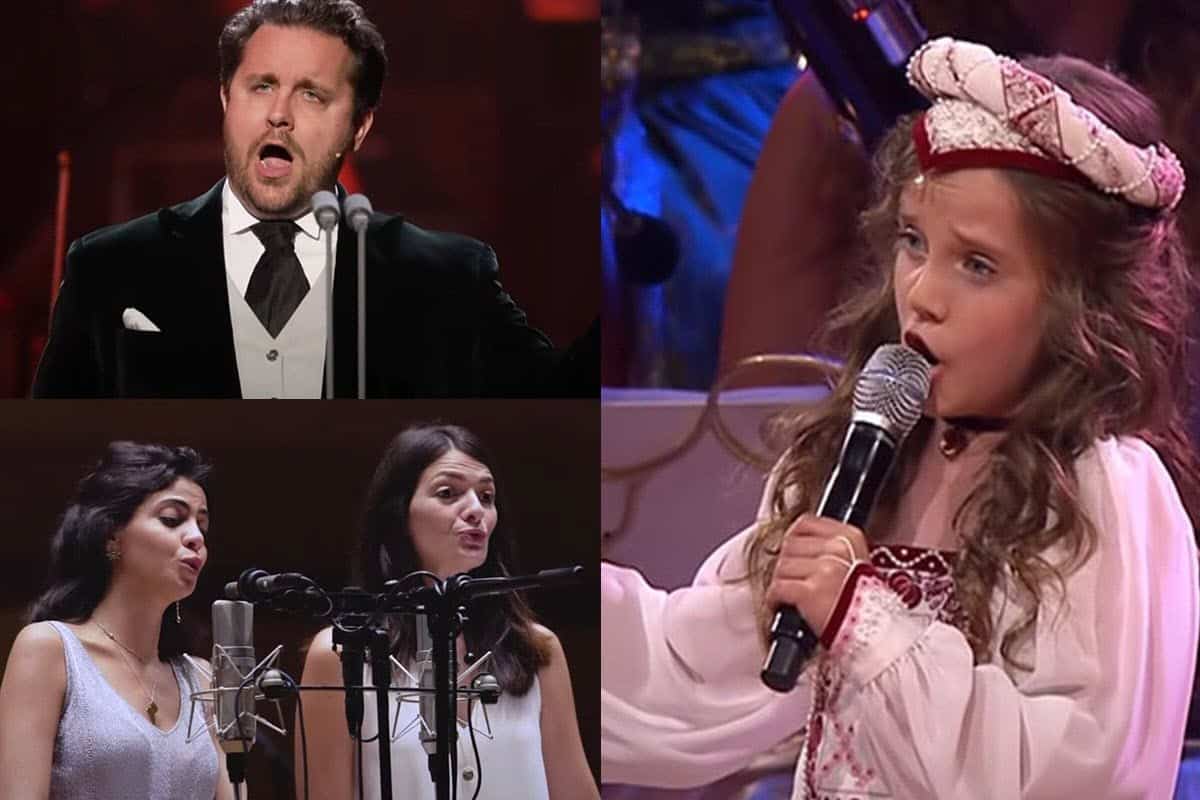
Embarking on a journey through the realm of opera is to immerse oneself in a world of unparalleled emotion, drama, and musical mastery. With centuries of rich history and a plethora of timeless compositions, selecting the top 15 best opera songs of all time is a daunting task. From the stirring arias of Verdi and Puccini to the majestic overtures of Wagner, each piece holds its own unique allure and significance. In this exploration, we’ll delve into a curated selection of opera’s most iconic and beloved melodies, celebrating the artistry and grandeur that have captivated audiences for generations.
1. Va, pensiero by Giuseppe Verdi
“Va, pensiero” by Giuseppe Verdi stands as an immortal masterpiece in the realm of opera, captivating audiences worldwide with its poignant melody and stirring lyrics. Composed as part of Verdi’s opera “Nabucco” in 1842, this iconic chorus has transcended time to become one of the most beloved and recognizable pieces in classical music history.
The song’s emotional depth lies in its portrayal of the Hebrew slaves’ longing for their homeland, resonating with themes of exile, yearning, and hope for freedom. Verdi’s lush orchestration and powerful vocal harmonies evoke a sense of collective sorrow and resilience, drawing listeners into the heart-wrenching plight of the oppressed.
“Va, pensiero” has left an indelible mark on popular culture, featured in numerous films, commercials, and public events, further cementing its status as a cultural icon. Its universal appeal transcends language barriers, touching the hearts of audiences across generations and continents.
As one of the topmost popular and best opera songs of all time, “Va, pensiero” continues to enchant and inspire listeners, reminding us of the enduring power of music to convey the depths of human emotion and the longing for freedom and redemption.
2. Una furtiva lagrima by Gaetano Donizetti
“Una furtiva lagrima” by Gaetano Donizetti emerges as a timeless gem within the world of opera, renowned for its exquisite melody and profound emotional resonance. Featured in Donizetti’s celebrated opera “L’elisir d’amore” (The Elixir of Love), this aria has captivated audiences since its premiere in 1832.
The aria’s lyrical beauty lies in its tender depiction of love and longing. Sung by the protagonist Nemorino, “Una furtiva lagrima” explores the bittersweet moment of realization as he discovers that the object of his affection, Adina, may reciprocate his feelings. Donizetti’s enchanting orchestration and emotive vocal lines capture the essence of Nemorino’s inner turmoil, conveying a delicate blend of hope, doubt, and vulnerability.
With its soaring melody and heartfelt lyrics, “Una furtiva lagrima” has become a staple of the operatic repertoire, cherished by both performers and audiences alike. Its universal themes of love, yearning, and the complexities of the human heart resonate across cultures and generations, transcending the barriers of time and language.
As one of the topmost popular and best opera songs of all time, “Una furtiva lagrima” continues to enrapture listeners with its timeless beauty and emotional depth, serving as a poignant reminder of the enduring power of love and music.
3. The Toreador Song by Georges Bizet
“The Toreador Song” from Georges Bizet’s opera “Carmen” emerges as a vibrant and exhilarating masterpiece, celebrated for its infectious energy and memorable melodies. This iconic aria, sung by the swaggering bullfighter Escamillo, has become synonymous with the grandeur and bravado of Spanish bullfighting culture since the opera’s premiere in 1875.
Bizet’s lively orchestration and rhythmic flair infuse “The Toreador Song” with a sense of excitement and drama, capturing the flamboyant spirit of the bullfighting arena. With its catchy refrain and dynamic vocal lines, the aria exudes confidence and charisma, reflecting Escamillo’s larger-than-life persona as he basks in the adoration of the crowd.
As one of the most recognizable and beloved pieces in the operatic repertoire, “The Toreador Song” has transcended the confines of the opera house to permeate popular culture. Its spirited melody has been featured in films, advertisements, and sporting events, further solidifying its status as a cultural icon.
Beyond its immediate allure, “The Toreador Song” resonates with themes of courage, passion, and the thrill of the chase, captivating audiences with its universal appeal. Whether experienced on stage or through recordings, this timeless aria continues to captivate and enthrall listeners with its electrifying charm and infectious vitality.
4. Che gelida manina by Giacomo Puccini
“Che gelida manina” from Giacomo Puccini’s opera “La Bohème” is a poignant and heart-rending aria that epitomizes the essence of romantic longing and vulnerability. Composed in 1896, this iconic piece has captured the hearts of audiences worldwide with its exquisite melody and emotional depth.
The aria is sung by the character Rodolfo, a struggling poet, as he expresses his immediate infatuation upon meeting Mimì, a seamstress, on a cold winter night in Paris. “Che gelida manina,” which translates to “What a frozen little hand,” encapsulates Rodolfo’s tender fascination and burgeoning affection for Mimì, conveyed through Puccini’s lyrical score and impassioned vocal lines.
Puccini’s masterful orchestration and evocative harmonies evoke a sense of intimacy and longing, drawing listeners into the inner turmoil of the characters’ hearts. Through Rodolfo’s vulnerable confession, “Che gelida manina” explores themes of love, desire, and the fleeting nature of human connection, resonating with audiences on a deeply emotional level.
As one of the most beloved and frequently performed arias in the operatic repertoire, “Che gelida manina” continues to enchant and move listeners with its timeless beauty and profound emotional resonance. Its universal themes of love and longing transcend time and culture, reminding us of the enduring power of music to capture the essence of the human experience.
5. Voi, che sapete by Wolfgang Amadeus Mozart
“Voi, che sapete” from Wolfgang Amadeus Mozart’s opera “Le Nozze di Figaro” (The Marriage of Figaro) is a charming and delightful aria that showcases Mozart’s unparalleled ability to capture the nuances of human emotion through music. Composed in 1786, this aria is sung by the character Cherubino, a young page, as he grapples with the complexities of love and desire.
The aria is a heartfelt expression of Cherubino’s confusion and curiosity about the nature of love, particularly towards women. “Voi, che sapete,” which translates to “You who know what love is,” reflects Cherubino’s longing for understanding and guidance as he navigates the intricacies of romance and attraction.
Mozart’s enchanting melody and playful orchestration perfectly complement the innocence and naivety of Cherubino’s character, creating a sense of whimsy and tenderness. The aria’s light-hearted yet introspective tone resonates with audiences, offering a glimpse into the universal experience of youthful infatuation and longing.
“Voi, che sapete” has become one of Mozart’s most beloved and enduring compositions, cherished for its exquisite beauty and emotional depth. Its timeless appeal transcends generations, captivating listeners with its melodic charm and lyrical grace.
As one of the topmost popular and best opera songs of all time, “Voi, che sapete” continues to enchant audiences with its timeless elegance and heartfelt sincerity, reminding us of Mozart’s unmatched genius and the enduring power of music to evoke the full range of human emotions.
6. E lucevan le stelle by Giacomo Puccini
“E lucevan le stelle” from Giacomo Puccini’s opera “Tosca” stands as a hauntingly beautiful aria that embodies the essence of tragic romance and poignant despair. Composed in 1900, this aria is sung by the character Mario Cavaradossi, a painter sentenced to death, as he reflects on his love for the titular character, Tosca, and his impending execution.
The aria unfolds as a profound soliloquy, with Cavaradossi reminiscing about the beauty of the stars shining above him and lamenting the loss of his beloved Tosca. Puccini’s evocative melody and rich orchestration intensify the emotional depth of the aria, conveying Cavaradossi’s anguish and resignation with breathtaking poignancy.
“E lucevan le stelle,” which translates to “And the stars were shining,” captures the profound sense of longing and despair that pervades the opera’s tragic narrative. Through Cavaradossi’s soulful lament, Puccini explores themes of love, loss, and the inevitability of fate, touching the hearts of audiences with its raw emotional power.
As one of the most iconic and moving arias in the operatic repertoire, “E lucevan le stelle” continues to resonate with listeners, transcending time and space to evoke a profound sense of empathy and sorrow. Its haunting melody and heartbreaking lyrics serve as a testament to Puccini’s mastery of dramatic storytelling and his ability to capture the essence of the human experience with unparalleled depth and sensitivity.
7. Suor Angelica Si, mi chiamano Mimi by Giacomo Puccini
“Si, mi chiamano Mimi” from Giacomo Puccini’s opera “La Bohème” is a poignant and evocative aria that captures the essence of innocence, love, and sacrifice. Although “Si, mi chiamano Mimi” is not from “La Bohème,” but rather from Puccini’s opera “Suor Angelica,” which premiered in 1918, it’s still a significant piece within the composer’s repertoire.
The aria is sung by the character Mimi, a young seamstress, as she introduces herself to Rodolfo, the protagonist. Through her tender and introspective soliloquy, Mimi reveals her simple yet profound yearning for companionship and affection. Puccini’s lyrical melody and gentle orchestration create a sense of intimacy and vulnerability, drawing listeners into Mimi’s world of quiet longing and heartfelt sincerity.
“Si, mi chiamano Mimi,” which translates to “Yes, they call me Mimi,” showcases Puccini’s mastery of character development and emotional storytelling. Through Mimi’s lyrical confession, the aria explores themes of love, longing, and the transient nature of happiness, resonating with audiences on a deeply personal level.
As one of the most beloved and enduring arias in Puccini’s repertoire, “Si, mi chiamano Mimi” continues to captivate listeners with its timeless beauty and emotional depth. Its universal themes of love and sacrifice serve as a poignant reminder of the power of music to convey the complexities of the human experience and the enduring resilience of the human spirit.
8. Un bel di vedremo by Giacomo Puccini
“Un bel dì vedremo” from Giacomo Puccini’s opera “Madama Butterfly” is a heartrending aria that embodies the essence of hope, longing, and resilience. Composed in 1904, this aria is sung by the protagonist, Cio-Cio-San (Madama Butterfly), as she anticipates the return of her beloved Pinkerton, an American naval officer who has left her pregnant and alone.
In “Un bel dì vedremo,” Cio-Cio-San imagines the day when Pinkerton will finally return to her, bringing happiness and fulfillment to her life once again. Puccini’s sweeping melody and lush orchestration evoke a sense of both yearning and optimism, capturing the emotional complexity of Cio-Cio-San’s inner world.
The aria’s title translates to “One fine day, we’ll see,” reflecting Cio-Cio-San’s steadfast belief in the promise of a brighter future. Despite the hardships she faces, including societal rejection and heartbreak, she clings to the hope that Pinkerton will come back to her, bringing the happiness she so desperately craves.
“Un bel dì vedremo” has become one of Puccini’s most iconic and beloved arias, cherished for its exquisite beauty and emotional depth. Its universal themes of love, loss, and the enduring power of hope resonate with audiences around the world, serving as a poignant reminder of the human capacity for resilience and determination in the face of adversity.
9. Vissi d’arte by Giacomo Puccini
“Vissi d’arte” from Giacomo Puccini’s opera “Tosca” is a profoundly emotional aria that encapsulates the struggles and sacrifices of its protagonist, Floria Tosca. Composed in 1900, this aria is sung by Tosca, a celebrated opera singer, as she grapples with the moral dilemma of sacrificing her integrity to save her beloved, Cavaradossi, from the clutches of the villainous Scarpia.
In “Vissi d’arte,” Tosca reflects on her life as an artist, expressing bewilderment and despair at the injustice she faces despite living a life devoted to art and love. Puccini’s haunting melody and poignant orchestration heighten the intensity of Tosca’s anguish, conveying the depth of her inner turmoil and existential crisis.
The aria’s title translates to “I lived for art,” reflecting Tosca’s unwavering commitment to her craft and her unwavering belief in the power of beauty and truth. Despite the betrayal and suffering she experiences, Tosca finds solace in her art, which has been her guiding light throughout her tumultuous journey.
“Vissi d’arte” has become one of Puccini’s most iconic and moving arias, revered for its profound emotional resonance and lyrical beauty. Its universal themes of sacrifice, redemption, and the enduring power of art continue to resonate with audiences, serving as a timeless testament to the triumph of the human spirit in the face of adversity.
10. Largo al factotum by Gioachino Rossini
“Largo al factotum” from Gioachino Rossini’s opera “Il Barbiere di Siviglia” (The Barber of Seville) is a lively and iconic aria that showcases the comedic genius of the composer. Composed in 1816, this aria is sung by the character Figaro, the barber of Seville, as he boasts about his skills and popularity among the city’s elite.
In “Largo al factotum,” Figaro revels in his role as the “factotum,” or jack-of-all-trades, eagerly anticipating the day’s tasks and relishing the attention he receives from his clients. Rossini’s effervescent melody and spirited orchestration capture the vivacious energy of Figaro’s character, infusing the aria with humor and charm.
The aria’s title translates to “Make way for the factotum,” reflecting Figaro’s larger-than-life personality and his knack for navigating the intricacies of Seville’s social scene with wit and panache. Through its catchy refrain and rapid-fire vocal passages, “Largo al factotum” has become one of Rossini’s most recognizable and beloved compositions, synonymous with the lively spirit of Italian opera buffa.
“Largo al factotum” continues to delight audiences with its infectious energy and irrepressible humor, serving as a testament to Rossini’s unparalleled talent for crafting comedic masterpieces that endure the test of time.
11. Libiamo ne’ lieti calici by Giuseppe Verdi
“Libiamo ne’ lieti calici” is a lively and celebratory drinking song from Giuseppe Verdi’s opera “La Traviata.” Composed in 1853, this iconic aria is sung by the characters Violetta and Alfredo in the first act as they revel in the joys of love and friendship at a lavish party.
The aria’s title translates to “Let’s drink from the joyful goblets,” and it serves as a spirited expression of the opera’s themes of love, passion, and the pursuit of happiness. Verdi’s exuberant melody and buoyant orchestration capture the festive atmosphere of the party, infusing the aria with infectious energy and charm.
As Violetta and Alfredo toast to their newfound romance, “Libiamo ne’ lieti calici” becomes a symbol of their shared joy and optimism for the future. The aria’s catchy refrain and lively tempo have made it one of the most beloved and frequently performed pieces in the operatic repertoire, beloved by audiences worldwide.
“Libiamo ne’ lieti calici” continues to captivate listeners with its irresistible melody and jubilant spirit, serving as a timeless reminder of the power of music to bring people together in celebration and camaraderie.
12. Der Holle Rache kocht in meinem Herzen by Wolfgang Amadeus Mozart
“Der Hölle Rache kocht in meinem Herzen,” commonly known as the “Queen of the Night Aria,” is a dramatic and technically demanding aria from Wolfgang Amadeus Mozart’s opera “Die Zauberflöte” (The Magic Flute). Composed in 1791, this aria is sung by the character Queen of the Night, who urges her daughter Pamina to kill Sarastro, the high priest.
The aria’s title translates to “Hell’s vengeance boils in my heart,” and it is renowned for its dazzling coloratura passages and fiery intensity. Mozart’s intricate melody and dynamic orchestration underscore the Queen’s vengeful determination, as she demands swift retribution for perceived injustices.
“Der Hölle Rache” is characterized by its rapid runs, high notes, and dramatic shifts in dynamics, making it a formidable challenge for sopranos who tackle the role of the Queen of the Night. Despite its technical difficulty, the aria has become one of the most iconic and recognizable pieces in the operatic repertoire, admired for its sheer virtuosity and dramatic power.
As the Queen of the Night’s signature aria, “Der Hölle Rache” continues to captivate audiences with its breathtaking beauty and theatrical flair, serving as a showcase for sopranos to display their vocal prowess and dramatic range.
13. O mio babbino caro by Giacomo Puccini
“O mio babbino caro” is a poignant aria from Giacomo Puccini’s opera “Gianni Schicchi,” composed in 1918. Sung by the character Lauretta, it is a heartfelt plea to her father, Gianni Schicchi, expressing her desire to marry Rinuccio, despite her family’s objections.
The title translates to “Oh my dear papa” in English, and the aria is characterized by its tender melody and emotive expression. Puccini’s music beautifully captures Lauretta’s longing and sincerity as she implores her father to grant her wish, promising to throw herself into the Arno River if he refuses.
“O mio babbino caro” has become one of Puccini’s most beloved and widely recognized compositions, celebrated for its lyrical beauty and emotional depth. Its timeless melody and universal themes of love and familial devotion resonate with audiences of all ages and backgrounds, making it a staple of both opera houses and popular culture.
As Lauretta’s impassioned plea unfolds, “O mio babbino caro” serves as a poignant reminder of the power of love to overcome obstacles and unite hearts. Its enduring popularity endures as a testament to Puccini’s unparalleled ability to capture the complexities of the human experience through music.
14. La donna e mobile by Giuseppe Verdi
“La donna è mobile” is a famous aria from Giuseppe Verdi’s opera “Rigoletto,” which premiered in 1851. Sung by the Duke of Mantua, it is a lively and flirtatious ode to the fickleness of women. The aria’s title translates to “Woman is fickle” in English.
Verdi’s catchy melody and spirited orchestration perfectly capture the Duke’s charming yet deceitful nature as he revels in the pursuit of pleasure and romance. With its memorable refrain and playful rhythm, “La donna è mobile” has become one of the most recognizable and beloved arias in the operatic repertoire.
Despite its seemingly light-hearted tone, the aria also serves as a reflection of the opera’s darker themes of betrayal and manipulation. As the Duke sings of the untrustworthiness of women, he reveals his own cynical view of love and relationships, setting the stage for the tragic events that unfold throughout the opera.
“La donna è mobile” continues to captivate audiences with its infectious energy and timeless appeal, serving as a testament to Verdi’s genius for creating music that resonates with both heart and mind. Its enduring popularity endures as a testament to the aria’s universal themes and its ability to capture the complexities of human nature through music.
15. Nessun dorma by Giacomo Puccini
“Nessun dorma” is a powerful aria from Giacomo Puccini’s opera “Turandot,” completed by Franco Alfano after Puccini’s death in 1926. Sung by the character Calaf, the prince of Tartary, the aria is a passionate declaration of love and determination.
The title “Nessun dorma” translates to “None shall sleep” in English, referring to Calaf’s resolve to win the heart of Princess Turandot. With its soaring melody and dramatic orchestration, the aria conveys Calaf’s unwavering confidence and bravery as he prepares to face the princess’s deadly riddles in order to win her hand in marriage.
“Nessun dorma” has become one of the most iconic and widely recognized arias in the operatic repertoire, celebrated for its stirring beauty and emotional intensity. Its triumphant climax, in which Calaf declares that he will reveal his identity to Turandot and stake his life on her love, is a testament to the power of love to conquer all obstacles.
The aria’s universal themes of love, courage, and destiny continue to resonate with audiences around the world, making “Nessun dorma” a timeless symbol of the human spirit’s triumph over adversity. Its breathtaking beauty and emotional depth ensure its place as one of the greatest achievements in operatic history.

Samuel Moore is a frequent contributor to Singers Room. Since 2005, Singersroom has been the voice of R&B around the world. Connect with us via social media below.









