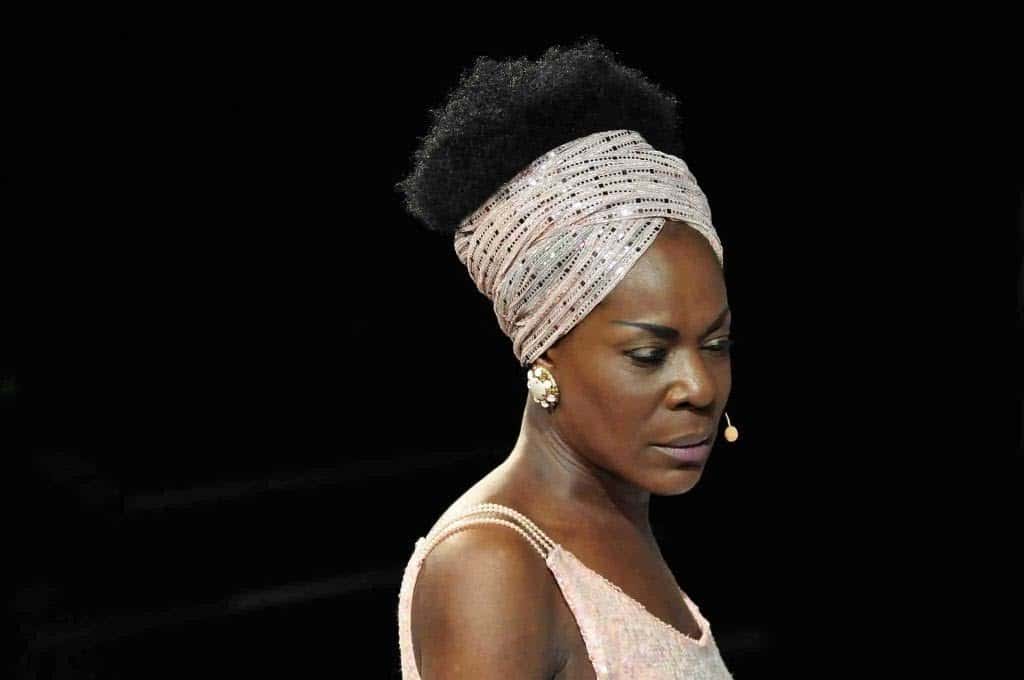
Nina Simone, born Eunice Kathleen Waymon on February 21, 1933, was an American singer, songwriter, pianist, arranger, and civil rights activist. She was known for her distinctive voice, powerful performances, and ability to blend various musical genres, including jazz, blues, soul, folk, and classical.
Simone began her music career as a classical pianist and was trained at the Juilliard School of Music in New York City. However, she later transitioned to performing in nightclubs to support herself financially, adopting the stage name “Nina Simone.”
Simone’s music often addressed themes of social justice, racial inequality, and the civil rights movement. Songs like “Mississippi Goddam,” “To Be Young, Gifted and Black,” and her cover of “Strange Fruit” became anthems of the civil rights era, reflecting Simone’s commitment to activism and using her platform to advocate for change.
Throughout her career, Simone released numerous albums and singles that showcased her extraordinary talent and versatility as a musician. She was known for her soulful interpretations of classic songs, as well as her own original compositions.
Simone’s influence extended far beyond the realm of music. She was a prominent figure in the civil rights movement, using her platform to speak out against racial injustice and discrimination. Her activism often put her at odds with the mainstream music industry, but she remained steadfast in her beliefs and convictions.
Despite facing personal and professional challenges throughout her life, Nina Simone left an indelible mark on the world of music and activism. Her powerful voice, fearless spirit, and unwavering commitment to social justice continue to inspire generations of artists and activists around the world. Nina Simone passed away on April 21, 2003, but her legacy lives on through her timeless music and enduring influence.
1. Young, Gifted and Black
“Young, Gifted and Black” is a song originally written by Nina Simone and Weldon Irvine. It was first released by Nina Simone in 1970 on her album of the same name.
“Young, Gifted and Black” is an empowering anthem celebrating black pride, resilience, and excellence. The song’s lyrics reflect on the strength and potential of black individuals, encouraging them to embrace their identity and talents despite the challenges they may face. It became a rallying cry during the civil rights movement, inspiring people of all backgrounds to stand up against racism and discrimination.
Nina Simone’s rendition of “Young, Gifted and Black” is characterized by her powerful vocals and soulful delivery, as well as the song’s uplifting melody and gospel-inspired instrumentation. It quickly became one of her signature songs and remains one of her most iconic recordings.
Over the years, “Young, Gifted and Black” has been covered by numerous artists from various genres, including Aretha Franklin, Donny Hathaway, and Bob and Marcia. It continues to resonate with audiences as a timeless anthem of empowerment and affirmation, reminding listeners of the importance of embracing one’s identity and talents, regardless of race or background.
2. Don’t Let Me Be Misunderstood
“Don’t Let Me Be Misunderstood” is a soulful and impassioned song originally recorded by Nina Simone in 1964. Written by Bennie Benjamin, Gloria Caldwell, and Sol Marcus, the song has become one of Simone’s signature tunes.
The song features a haunting melody and Simone’s distinctive vocals, which convey a sense of vulnerability and longing. Lyrically, “Don’t Let Me Be Misunderstood” explores themes of loneliness, frustration, and the fear of being misunderstood by others. Simone’s powerful delivery captures the emotional depth of the lyrics, drawing listeners into the song’s heartfelt plea for understanding.
“Don’t Let Me Be Misunderstood” has been covered by numerous artists over the years, but Simone’s rendition remains the most iconic. The song’s timeless appeal and universal themes have solidified its status as a classic in the realm of soul and jazz music, earning it acclaim from both critics and audiences alike.
3. To Be Young, Gifted and Black
“To Be Young, Gifted and Black” is a powerful anthem originally written by Nina Simone and Weldon Irvine Jr. The song was released by Simone in 1969 as the title track of her album of the same name.
Lyrically, “To Be Young, Gifted and Black” celebrates African-American pride, resilience, and empowerment. The song’s lyrics convey a message of self-affirmation and pride in one’s cultural identity, urging listeners to embrace their gifts and talents despite facing adversity.
Simone’s soulful vocals and the song’s uplifting melody create a stirring and inspirational atmosphere, making it a rallying cry for the Civil Rights Movement and a symbol of hope for marginalized communities.
“To Be Young, Gifted and Black” has since become an anthem for empowerment and social justice, inspiring generations of activists and artists. Its enduring message of strength, resilience, and cultural pride continues to resonate with audiences around the world, solidifying its status as a classic in the realm of protest and soul music.
4. Feeling Good
“Feeling Good” is a song written by English composers Anthony Newley and Leslie Bricusse for the musical “The Roar of the Greasepaint – The Smell of the Crowd” in 1964. However, it was Nina Simone’s rendition of the song that became most famous.
Nina Simone released her version of “Feeling Good” in 1965 on her album “I Put a Spell on You.” Her rendition of the song is characterized by its soulful and bluesy arrangement, featuring a driving rhythm, powerful vocals, and a stirring orchestration.
“Feeling Good” has since become one of Nina Simone’s most iconic songs, with her impassioned delivery and emotional depth capturing the essence of the song’s message. The lyrics speak of liberation, empowerment, and the exhilarating feeling of breaking free from constraints and embracing life’s possibilities.
Over the years, “Feeling Good” has been covered by numerous artists across various genres, including Michael Bublé, Muse, and Jennifer Hudson, among others. It has also been featured in films, television shows, and commercials, further solidifying its status as a timeless classic.
Nina Simone’s rendition of “Feeling Good” continues to resonate with audiences around the world, serving as a powerful anthem of empowerment and liberation. Her emotive performance and the song’s universal message of hope and renewal ensure its enduring popularity and cultural significance.
5. Sinnerman
“Sinnerman” is a traditional African American spiritual song that has been recorded by various artists over the years. However, one of the most famous versions is by Nina Simone, who recorded it in 1965 for her album “Pastel Blues.”
The song’s origins trace back to the traditional gospel and folk music of African American communities, but Simone’s rendition infuses it with elements of jazz, blues, and gospel, giving it a unique and powerful sound.
Lyrically, “Sinnerman” tells the story of a sinner desperately trying to escape divine judgment and find redemption. The protagonist seeks refuge from various figures, including the devil, the rock, and the Lord, but ultimately realizes that there is no hiding from judgment.
Simone’s rendition of “Sinnerman” is characterized by its intense and hypnotic arrangement, featuring driving rhythms, soulful vocals, and improvised sections that showcase her vocal prowess and expressive delivery. The song builds to a climax, with Simone’s impassioned performance capturing the urgency and desperation of the protagonist’s plight.
“Sinnerman” has since become one of Nina Simone’s most iconic and enduring songs, revered for its powerful lyrics, dynamic arrangement, and emotional resonance. It has been covered and sampled by numerous artists across different genres, further solidifying its status as a classic in the realm of gospel, jazz, and soul music.
6. I Put a Spell on You
“I Put a Spell on You” is a blues song written and originally performed by Screamin’ Jay Hawkins in 1956. However, it was Nina Simone’s rendition of the song that became one of the most famous and iconic versions.
Nina Simone released her version of “I Put a Spell on You” in 1965 on her album of the same name. Her interpretation of the song is characterized by its haunting and seductive arrangement, featuring a slow tempo, bluesy instrumentation, and Simone’s powerful and emotive vocals.
Simone’s rendition of “I Put a Spell on You” captures the essence of the song’s lyrics, which speak of obsession, desire, and the power of love. Her passionate delivery and soulful interpretation add depth and intensity to the song, making it one of her most memorable performances.
Over the years, “I Put a Spell on You” has been covered by numerous artists from various genres, but Nina Simone’s version remains one of the most revered and influential. It has been featured in films, television shows, and commercials, further cementing its status as a timeless classic.
Nina Simone’s rendition of “I Put a Spell on You” continues to captivate audiences with its raw emotion, sultry atmosphere, and undeniable musicality. It stands as a testament to Simone’s talent as a vocalist and interpreter of song, showcasing her ability to infuse a classic blues standard with her own unique style and personality.
7. My Baby Just Cares for Me
“My Baby Just Cares for Me” is a jazz standard written by Walter Donaldson, with lyrics by Gus Kahn. It was originally composed for the 1930 musical comedy film “Whoopee!” and was performed by Eddie Cantor in the movie.
However, the song gained widespread popularity when Nina Simone recorded her version in 1958 for her debut album “Little Girl Blue.” Simone’s rendition of “My Baby Just Cares for Me” features her soulful vocals accompanied by a jazzy piano arrangement.
The song’s lyrics depict a narrator who is in love with someone who doesn’t reciprocate their feelings, but finds solace in the fact that their baby cares for them deeply. Despite the unrequited love, the narrator remains devoted to their baby.
Nina Simone’s recording of “My Baby Just Cares for Me” became a major hit in 1987 when it was used in a television commercial for Chanel No. 5 perfume in the UK. This led to a resurgence in popularity for the song, and it became one of Simone’s most well-known and beloved recordings.
“My Baby Just Cares for Me” has since become a jazz standard, recorded by numerous artists across different genres, but Nina Simone’s rendition remains the most iconic and enduring.
8. I Loves You, Porgy
“I Loves You, Porgy” is a song from the opera “Porgy and Bess” by George Gershwin, with lyrics by DuBose Heyward. It was first performed in 1935 as part of the original production of “Porgy and Bess.” The song has since become a jazz standard and has been recorded by numerous artists.
Nina Simone released her rendition of “I Loves You, Porgy” in 1959 on her debut album, “Little Girl Blue.” Her interpretation of the song is characterized by its soulful and emotive delivery, featuring Simone’s powerful vocals accompanied by piano.
Simone’s version of “I Loves You, Porgy” captures the essence of the song’s lyrics, which express the protagonist’s deep and unconditional love for Porgy, despite the challenges they face. Her heartfelt performance conveys a sense of longing, vulnerability, and devotion, making it one of the most poignant interpretations of the song.
Over the years, “I Loves You, Porgy” has been covered by numerous artists, but Nina Simone’s rendition remains one of the most beloved and iconic. It has been praised for its emotional depth, musicality, and Simone’s exceptional vocal talent.
Nina Simone’s version of “I Loves You, Porgy” continues to be celebrated as a timeless classic, showcasing her ability to infuse a song with raw emotion and soulful expression. It stands as a testament to Simone’s enduring legacy as one of the greatest vocalists of the 20th century.
9. Mississippi Goddam
“Mississippi Goddam” is a powerful protest song written and performed by Nina Simone. Released in 1964, during the height of the Civil Rights Movement in the United States, the song was a direct response to the assassination of civil rights activist Medgar Evers and the bombing of the 16th Street Baptist Church in Birmingham, Alabama, which killed four African American girls.
The song’s title juxtaposes the name of the state of Mississippi with a curse word, reflecting Simone’s frustration and anger over the racial injustices and violence occurring in the Southern United States. Lyrically, “Mississippi Goddam” addresses issues such as segregation, racial violence, and the slow pace of progress towards equality.
Simone’s passionate vocals and the song’s stirring melody make “Mississippi Goddam” a potent and unforgettable anthem of the Civil Rights Movement. It became one of Simone’s most iconic and enduring songs, inspiring activists and artists alike with its message of defiance and determination.
“Mississippi Goddam” remains a powerful reminder of the ongoing struggle for racial justice and equality, and its impact continues to resonate with audiences around the world.
10. Four Women
“Four Women” is a song by Nina Simone, released on her 1966 album “Wild Is the Wind.” Written by Simone herself, the song is a powerful and poignant exploration of the experiences of four African American women, each representing different stereotypes and struggles faced by black women in America.
The four characters in the song are Aunt Sarah, Saffronia, Sweet Thing, and Peaches. Through their stories, Simone addresses themes of racism, colorism, and sexism, highlighting the intersecting oppressions faced by black women.
“Aunt Sarah” is described as a strong, resilient woman who has endured the hardships of slavery and racism. “Saffronia” is portrayed as a biracial woman who struggles with her identity and faces discrimination due to her lighter skin tone. “Sweet Thing” is a sexually objectified woman who is exploited and mistreated by men. “Peaches” is a defiant and empowered woman who refuses to be defined by societal expectations.
Simone’s emotive vocals and soulful delivery bring each character to life, conveying their pain, resilience, and strength. “Four Women” is widely regarded as one of Simone’s most powerful and socially conscious songs, addressing issues of race, gender, and identity with honesty and empathy.
The song remains relevant today, serving as a powerful reminder of the ongoing struggles faced by black women and the importance of intersectional feminism. “Four Women” stands as a testament to Nina Simone’s legacy as a groundbreaking artist and activist who used her music to shine a light on social injustice and inequality.

Edward Tomlin is a frequent contributor to Singers Room. Since 2005, Singersroom has been the voice of R&B around the world. Connect with us via social media below.









