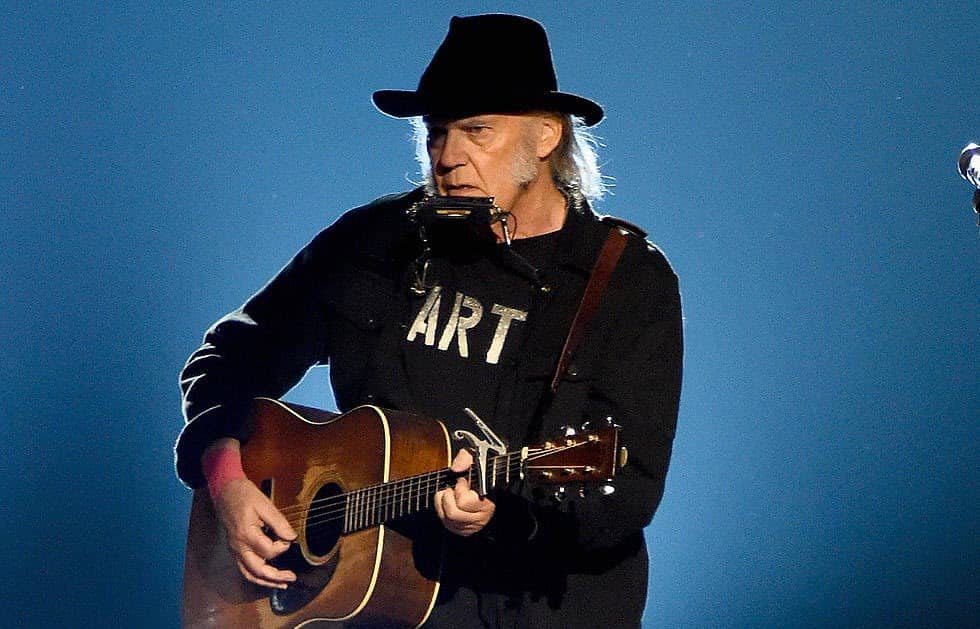
Neil Young, born on November 12, 1945, is a Canadian singer-songwriter and musician renowned for his prolific career spanning several decades. With a distinctive voice and an eclectic musical style that ranges from folk and rock to country and grunge, Young has become one of the most influential figures in popular music.
Young gained prominence as a member of the folk-rock band Buffalo Springfield in the 1960s, before embarking on a successful solo career. His solo debut, “Neil Young” (1968), showcased his songwriting prowess with tracks like “The Loner” and “The Old Laughing Lady.”
Throughout his career, Young has released numerous critically acclaimed albums, including “After the Gold Rush” (1970), “Harvest” (1972), and “Rust Never Sleeps” (1979). His music often explores themes of social and environmental activism, love, and personal introspection.
Young is also known for his collaborations with other iconic musicians, such as Crosby, Stills, Nash & Young, with whom he released the classic album “Déjà Vu” (1970).
In addition to his music, Young is an outspoken advocate for various causes, including environmental conservation and the rights of Indigenous peoples. He continues to perform and record music, maintaining a loyal fanbase and cementing his legacy as one of the most influential and enduring artists in rock history.
1. Heart of Gold
“Heart of Gold” is a timeless folk-rock ballad by Neil Young, released in 1972 as part of his album “Harvest.” The song’s gentle acoustic guitar melody and Young’s plaintive vocals create an atmosphere of introspection and vulnerability. Lyrically, “Heart of Gold” reflects on the search for meaning and fulfillment, with Young expressing a longing for authenticity and sincerity. The song’s memorable chorus, “I’ve been a miner for a heart of gold,” resonates with listeners, capturing the universal desire for purity and goodness. “Heart of Gold” remains one of Neil Young’s most beloved and enduring songs, celebrated for its heartfelt sincerity and timeless appeal.
2. Old Man
“Old Man” by Neil Young is a timeless folk-rock classic, released in 1972 as part of his album “Harvest.” The song paints a poignant portrait of intergenerational empathy, with Young reflecting on the similarities between himself and the elderly caretaker of his ranch. Young’s soulful vocals, accompanied by acoustic guitar and harmonica, evoke a sense of introspection and nostalgia. Lyrically, “Old Man” delves into themes of aging, mortality, and the passage of time, resonating with listeners through its universal message of compassion and understanding. The song remains a cherished gem in Young’s repertoire, celebrated for its beauty, sincerity, and emotional depth.
3. Harvest Moon
“Harvest Moon” is a tender and romantic ballad by Neil Young, released in 1992 as the title track of his album “Harvest Moon.” The song’s gentle melody, reminiscent of a slow dance under the moonlight, sets the stage for its heartfelt lyrics about enduring love and companionship. Young’s warm vocals, accompanied by acoustic guitar and harmonica, create an intimate and nostalgic atmosphere, evoking feelings of warmth and serenity. “Harvest Moon” captures the beauty of a lifelong partnership and the magic of shared moments, making it a timeless classic that continues to resonate with listeners, serving as a reminder of the power of love and connection.
4. Rockin’ in the Free World
“Rockin’ in the Free World” is a gritty rock anthem by Neil Young, released in 1989 as part of his album “Freedom.” The song’s driving rhythm, electrifying guitar riffs, and Young’s raw vocals embody the spirit of rebellion and social commentary. Lyrically, “Rockin’ in the Free World” addresses issues such as poverty, environmental degradation, and political corruption, offering a critique of contemporary society. Despite its confrontational tone, the song’s infectious energy and defiant attitude have made it an enduring anthem of protest and defiance. “Rockin’ in the Free World” remains a powerful testament to Young’s outspokenness and uncompromising artistic vision.
5. Like a Hurricane
“Like a Hurricane” is an epic rock ballad by Neil Young, released in 1977 as part of his album “American Stars ‘n Bars.” The song’s haunting melody, driven by Young’s distinctive guitar work and emotive vocals, creates a powerful and atmospheric experience for listeners. Lyrically, “Like a Hurricane” delves into themes of love, longing, and turmoil, with Young’s evocative imagery painting a vivid picture of emotional turbulence. The song’s dynamic shifts and intense guitar solos add to its dramatic impact, making it a standout track in Young’s extensive discography. “Like a Hurricane” remains a classic rock staple, celebrated for its raw energy and emotional depth.
6. Hey Hey, My My (Into the Black)
“Hey Hey, My My (Into the Black)” is a seminal rock song by Neil Young, featured on his 1979 album “Rust Never Sleeps.” The track’s raw energy and powerful lyrics make it an enduring anthem of defiance and resilience. With its driving rhythm, distorted guitars, and Young’s impassioned vocals, the song explores themes of artistic integrity, fame, and the struggle to maintain relevance in the music industry. “Hey Hey, My My (Into the Black)” became iconic for its proclamation “It’s better to burn out than to fade away,” a sentiment that has resonated deeply with generations of music fans.
7. Cinnamon Girl
“Cinnamon Girl” is a timeless rock song by Neil Young, released in 1969 as part of his album “Everybody Knows This Is Nowhere.” The song’s distinctive guitar riff, characterized by its raw energy and distortion, sets the tone for its rebellious and infectious melody. Lyrically, “Cinnamon Girl” explores themes of longing and desire, with Young’s evocative vocals painting a vivid picture of a mysterious and alluring woman. The song’s driving rhythm and powerful instrumentation make it a standout track in Young’s repertoire, celebrated for its electrifying energy and enduring appeal, firmly establishing Neil Young as a rock icon.
8. Down by the River
“Down by the River” is a raw and intense rock song by Neil Young, released in 1969 as part of his album “Everybody Knows This Is Nowhere.” The song’s hypnotic groove, driven by a powerful guitar riff, sets the stage for its dark and mysterious lyrics. Young’s haunting vocals, accompanied by his signature distorted guitar solos, create an atmosphere of tension and urgency. Lyrically, “Down by the River” tells the story of a man who confronts his lover about her infidelity and ultimately decides to kill her. The song’s raw emotion and primal energy make it a standout track in Young’s discography, cementing its status as a classic of the rock genre.
9. Cortez the Killer
“Cortez the Killer” is an epic rock ballad by Neil Young, released in 1975 as part of his album “Zuma.” The song’s haunting melody, characterized by extended guitar solos and atmospheric instrumentation, creates a hypnotic and immersive listening experience. Lyrically, “Cortez the Killer” tells the story of the Spanish conquistador Hernán Cortés and his brutal conquest of the Aztec Empire, juxtaposed with reflections on the passage of time and the fleeting nature of human existence. With its evocative imagery and introspective themes, the song has become one of Young’s most celebrated compositions, admired for its emotional depth and musical virtuosity.
10. The Needle and the Damage Done
“The Needle and the Damage Done” is a poignant and haunting acoustic ballad by Neil Young, released in 1972 as part of his album “Harvest.” The song reflects on the devastating impact of drug addiction, particularly focusing on the loss of several close friends to heroin overdoses. Young’s emotive vocals and delicate guitar work create a somber and introspective atmosphere, underscoring the heartbreaking lyrics. Through its raw honesty and emotional depth, “The Needle and the Damage Done” serves as a powerful testament to the destructive nature of addiction, resonating with listeners and highlighting the human toll of substance abuse.

Edward Tomlin is a frequent contributor to Singers Room. Since 2005, Singersroom has been the voice of R&B around the world. Connect with us via social media below.









