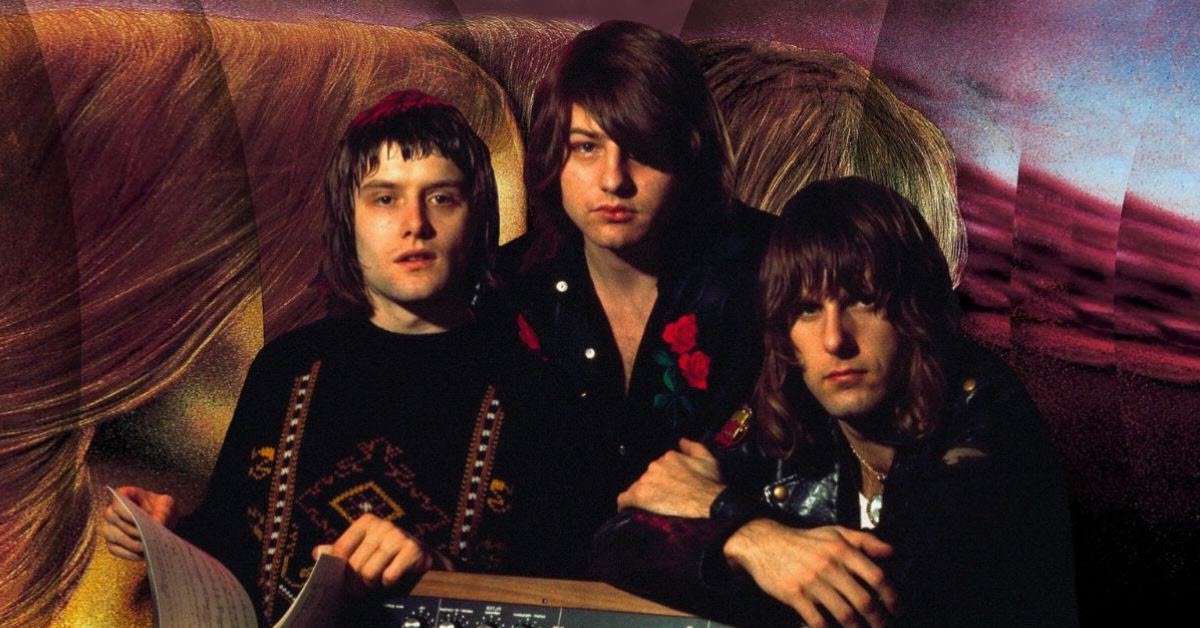
Emerson, Lake & Palmer, often abbreviated as ELP, were a progressive rock supergroup formed in the early 1970s. The band consisted of keyboardist Keith Emerson, vocalist and bassist Greg Lake, and drummer Carl Palmer. Renowned for their virtuosic musicianship and elaborate stage performances, ELP pushed the boundaries of rock music with their fusion of classical, jazz, and symphonic elements.
Their self-titled debut album, released in 1970, showcased their innovative approach to rock music, featuring epic compositions and complex arrangements. Tracks like “Lucky Man” and “Take a Pebble” became instant classics, showcasing Lake’s emotive vocals and Emerson’s dazzling keyboard skills.
ELP’s live performances were legendary, featuring elaborate stage setups and impressive instrumental showcases. Their adaptation of classical pieces, such as Mussorgsky’s “Pictures at an Exhibition,” demonstrated their technical prowess and artistic ambition.
Despite internal conflicts and changing musical trends, Emerson, Lake & Palmer left an indelible mark on the progressive rock genre. Their influence can be heard in the work of countless bands and musicians, cementing their legacy as one of the most innovative and influential groups in rock history.
1. Lucky Man
“Lucky Man” is a timeless rock ballad by Emerson, Lake & Palmer, featured on their self-titled debut album released in 1970. Greg Lake’s haunting vocals narrate a story of chance and fate, complemented by Keith Emerson’s emotive synthesizer melodies. The song’s simplicity belies its impact, with Lake’s plaintive lyrics and memorable guitar solo resonating deeply with listeners. “Lucky Man” became one of ELP’s signature songs, captivating audiences with its evocative atmosphere and introspective lyrics. Its enduring popularity solidifies its place as a classic in the rock music canon, showcasing the band’s ability to craft powerful and emotionally resonant compositions.
2. From the Beginning
“From the Beginning” is a mesmerizing rock ballad by Emerson, Lake & Palmer, released in 1972 as part of their album “Trilogy.” Greg Lake’s soulful vocals guide listeners through a journey of introspection and longing, accompanied by Keith Emerson’s intricate acoustic guitar and lush synthesizer arrangements. The song’s contemplative lyrics explore themes of love and self-discovery, resonating with audiences on a profound level. “From the Beginning” showcases ELP’s musical versatility and their ability to blend elements of rock, folk, and classical music seamlessly. Its timeless appeal and emotional depth have cemented its status as one of the band’s most beloved and enduring compositions.
3. Karn Evil 9
“Karn Evil 9” is a progressive rock epic by Emerson, Lake & Palmer (ELP), featured on their 1973 album “Brain Salad Surgery.” Clocking in at nearly thirty minutes in its entirety, the song is divided into three parts, each showcasing the band’s virtuosity and penchant for experimentation. Part 1 (“First Impression”) introduces listeners to a dystopian world ruled by a sinister entity known as Karn Evil, with Keith Emerson’s mesmerizing synthesizer work setting the tone. Part 2 (“Second Impression”) delves deeper into the narrative, incorporating complex rhythms and Greg Lake’s haunting vocals. Part 3 (“Third Impression”) culminates in a frenetic and electrifying finale, highlighted by Carl Palmer’s thunderous drumming and Emerson’s organ wizardry. “Karn Evil 9” remains a seminal piece in the progressive rock canon, celebrated for its ambitious scope and boundary-pushing musicality.
4. Fanfare for the Common Man
“Fanfare for the Common Man” is a stirring instrumental piece composed by Aaron Copland in 1942, during World War II. It was inspired by a speech delivered by Vice President Henry A. Wallace, who referred to the common man as the “backbone of America” and called for unity and strength during the war effort. Copland’s composition captures the essence of patriotism and resilience, featuring bold brass fanfares and majestic melodies that evoke a sense of pride and solidarity. “Fanfare for the Common Man” has become a beloved staple in classical music repertoire, often performed at significant national events and ceremonies to honor the spirit of the everyday citizen. Its enduring popularity and timeless message continue to resonate with audiences around the world.
5. Tarkus
“Tarkus” is a groundbreaking epic suite by Emerson, Lake & Palmer, serving as the title track of their second studio album released in 1971. This ambitious composition takes listeners on a cinematic journey through various musical landscapes, featuring Keith Emerson’s virtuosic keyboard performances, Greg Lake’s powerful vocals, and Carl Palmer’s dynamic drumming.
Inspired by a mythical armadillo-tank creature, “Tarkus” is divided into multiple sections, each representing different aspects of the creature’s journey and battles. From the bombastic opening of “Eruption” to the serene beauty of “Aquatarkus,” the suite showcases ELP’s unparalleled musicianship and innovative approach to progressive rock.
“Tarkus” remains a pinnacle of the progressive rock genre, celebrated for its complexity, creativity, and technical prowess. Its enduring legacy solidifies Emerson, Lake & Palmer’s status as visionary pioneers in the realm of rock music.
6. Trilogy
“Trilogy” is a captivating progressive rock masterpiece by Emerson, Lake & Palmer, serving as the title track of their 1972 album. The song showcases the band’s unparalleled musicianship and innovative approach to composition.
“Trilogy” unfolds as a dynamic journey through multiple musical motifs, featuring Keith Emerson’s intricate keyboard work, Greg Lake’s emotive vocals, and Carl Palmer’s precise drumming. The song seamlessly transitions between delicate melodic passages and powerful, bombastic sections, creating a sense of drama and intensity.
With its rich orchestration and evocative lyrics, “Trilogy” captivates listeners, inviting them into a world of sonic exploration and emotional depth. It stands as a testament to ELP’s creative vision and remains a cornerstone of progressive rock music.
7. Hoedown
“Hoedown” is a lively and energetic instrumental piece composed by Aaron Copland, originally part of his ballet “Rodeo,” premiered in 1942. The composition embodies the spirit of American folk music and the excitement of a traditional hoedown, a lively dance often associated with rural gatherings. Copland’s use of syncopated rhythms, driving melodies, and colorful orchestration captures the essence of a spirited barn dance, evoking images of swirling skirts, stomping feet, and lively fiddle tunes. “Hoedown” has since become one of Copland’s most recognizable and beloved works, celebrated for its exuberance and Americana flair. It has been arranged and performed by various ensembles, further cementing its status as a quintessential piece of American classical music.
8. Take a Pebble
“Take a Pebble” is a mesmerizing and expansive composition by Emerson, Lake & Palmer, featured on their self-titled debut album released in 1970. The song showcases the band’s virtuosic musicianship and eclectic blend of rock, jazz, and classical influences.
At over 12 minutes in length, “Take a Pebble” is a musical journey that unfolds in multiple movements, featuring Keith Emerson’s dazzling keyboard solos, Greg Lake’s soulful vocals and intricate bass lines, and Carl Palmer’s dynamic drumming.
With its intricate arrangements and evocative lyrics, “Take a Pebble” showcases ELP’s ability to weave complex musical tapestries that captivate listeners and transport them to new realms of sonic exploration. It remains a standout track in the band’s repertoire and a testament to their enduring influence on progressive rock music.
9. The Barbarian
“The Barbarian” is an exhilarating instrumental composition by the progressive rock band Emerson, Lake & Palmer (ELP), featured on their self-titled debut album released in 1970. Written by keyboardist Keith Emerson, the piece showcases the band’s virtuosic musicianship and innovative approach to rock music. “The Barbarian” is characterized by its dynamic shifts in tempo and mood, incorporating elements of classical music, jazz, and blues. Emerson’s dazzling keyboard work, including his use of the Hammond organ and Moog synthesizer, is central to the song’s electrifying sound. With its intricate arrangements and frenetic energy, “The Barbarian” remains a standout track in ELP’s repertoire and a classic of the progressive rock genre.
10. Jerusalem
“Jerusalem” is a powerful and stirring hymn that has become a quintessential anthem, particularly in England. The lyrics are derived from William Blake’s poem “And did those feet in ancient time,” which was later set to music by Sir Hubert Parry in 1916. The song’s majestic melody and profound lyrics evoke a sense of patriotism, hope, and spiritual longing.
“Jerusalem” is often associated with English identity and has been adopted as an unofficial national anthem for England, often performed at patriotic and ceremonial events. Its evocative lyrics, which speak of building a better world “in England’s green and pleasant land,” resonate with audiences across generations, symbolizing a vision of hope, renewal, and the pursuit of justice.
The song’s enduring popularity and significance have cemented its place in British culture, making it a beloved and cherished part of the musical landscape.

Edward Tomlin is a frequent contributor to Singers Room. Since 2005, Singersroom has been the voice of R&B around the world. Connect with us via social media below.









