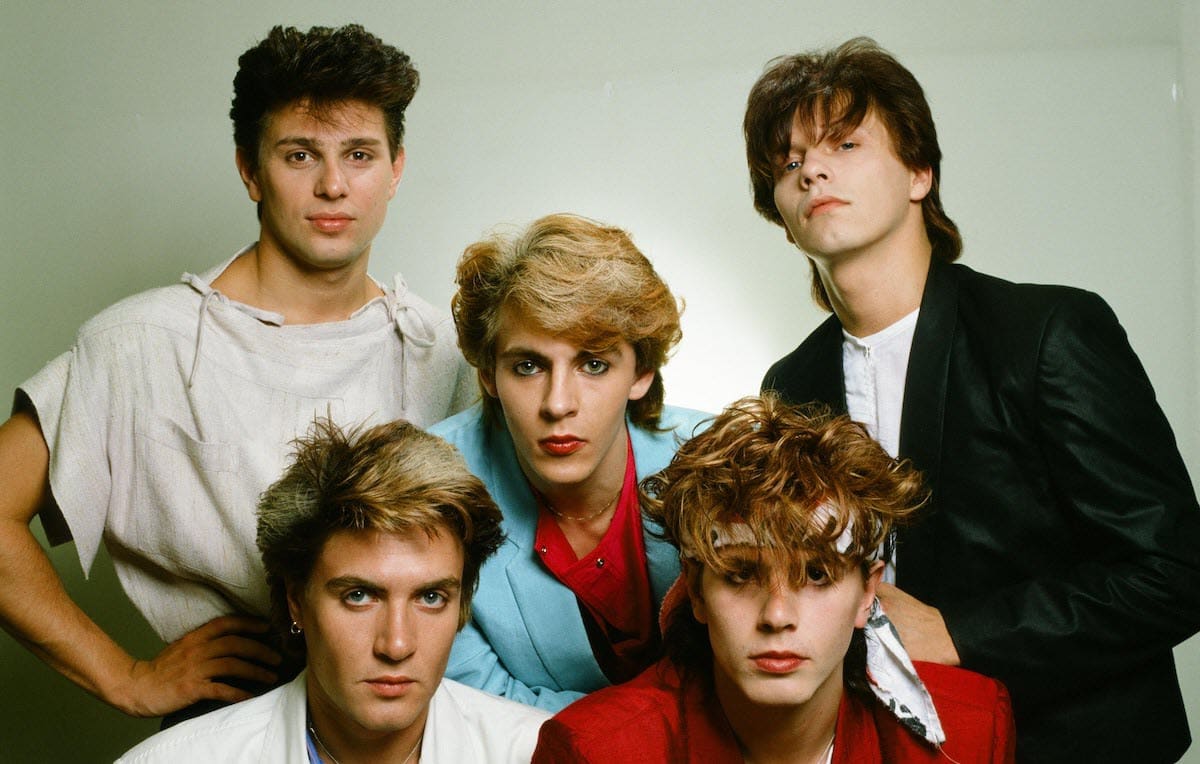
Duran Duran is an iconic British band formed in Birmingham in 1978, known for their pivotal role in the new wave and synth-pop movements of the 1980s. The original lineup consisted of Simon Le Bon (vocals), Nick Rhodes (keyboards), John Taylor (bass guitar), Roger Taylor (drums), and Andy Taylor (guitar), though the lineup has seen changes over the years. Duran Duran emerged from the post-punk music scene and quickly gained fame with their stylish music videos, which became staples on MTV, contributing significantly to their global success.
Their self-titled debut album, released in 1981, included hits like “Planet Earth” and “Girls on Film,” showcasing their knack for catchy hooks, sophisticated arrangements, and visually engaging performances. The band’s music, often characterized by lush synthesizer textures, catchy melodies, and sophisticated production, was both commercially successful and critically acclaimed.
Duran Duran’s third album, “Seven and the Ragged Tiger,” included the hit “The Reflex,” further cementing their status as pop icons. The band continued to evolve musically, experimenting with various genres and influences throughout their career while maintaining their distinctive sound and style.
With a career spanning over four decades, Duran Duran has sold over 100 million records worldwide, making them one of the best-selling music acts. They have achieved numerous awards and accolades, including two Grammy Awards. Despite changes in the music industry and shifts in popular taste, Duran Duran has remained relevant, continuing to release new music and perform to devoted fans around the world. Their enduring appeal is a testament to their musical talent, innovation, and the lasting impact they’ve had on pop and rock music.
1. Hungry Like the Wolf
“Hungry Like the Wolf” is an iconic song by British new wave band Duran Duran, released in 1982 as part of their second album “Rio.” This track stands as a quintessential example of the 1980s new wave and synth-pop sound, characterized by its catchy synth lines, energetic guitar riffs, and Simon Le Bon’s distinctive vocals. The song’s lyrics evoke vivid images of pursuit and desire, inspired by fairy tales and legends, adding to its mysterious and exotic allure.
The song was a commercial success, helping to establish Duran Duran as one of the leading bands of the 1980s music scene. Its popularity was further boosted by an innovative music video that featured the band members in a jungle setting, embarking on a quest that blended adventure with elements of surrealism and eroticism. The video became a staple on MTV, contributing to the song’s success in the United States and around the world.
“Hungry Like the Wolf” is often cited as a defining song of the era, showcasing Duran Duran’s skill in blending catchy pop melodies with avant-garde aesthetics and cutting-edge video production. The track has left a lasting legacy, influencing a wide range of artists across various genres and remaining a favorite among fans and newcomers to 80s music.
2. Rio
“Rio” is one of Duran Duran’s most iconic songs and the title track of their second studio album, released in 1982. The song epitomizes the band’s signature sound during the early 1980s, blending new wave, rock, and funk influences with sophisticated production techniques. The lyrics, delivered with Simon Le Bon’s charismatic vocal style, are a vibrant ode to a glamorous girl, symbolizing the exotic and aspirational lifestyle that the band was often associated with.
The music video for “Rio” is particularly notable for its colorful and stylish imagery, featuring the band members performing on a yacht and engaging in various antics against the backdrop of Antigua’s picturesque landscapes. This video played a significant role in establishing Duran Duran’s visual identity and was instrumental in their success on MTV, helping to popularize the band in the United States and around the world.
“Rio” showcases the band’s ability to create catchy hooks, particularly in the saxophone solo and the guitar riff, both of which have become defining features of the song. The track not only became a top-10 hit in the UK but also achieved success in various other countries, cementing Duran Duran’s status as one of the leading bands of the 1980s.
The album “Rio” has been praised for its ambitious, eclectic mix of sounds and styles, and the title track stands out as a quintessential example of Duran Duran’s blend of pop artistry and musical innovation. Over the years, “Rio” has remained a fan favorite and a classic example of the 1980s music scene, showcasing the band’s flair for combining catchy pop melodies with sophisticated musical arrangements.
3. Save a Prayer
“Save a Prayer” is one of Duran Duran’s most beloved tracks, featured on their second studio album, “Rio,” released in 1982. This song stands out for its dreamy, atmospheric sound that combines synthesizers with a distinctive guitar melody, showcasing the band’s ability to blend new wave with elements of pop and rock. The song’s lyrics, written by Simon Le Bon, evoke a sense of romantic longing and fleeting connections, suggesting that a prayer should be saved for the morning after, hinting at the ephemeral nature of a one-night stand.
“Save a Prayer” is notable for its lush production and memorable saxophone solo, which adds to the song’s exotic and sensual ambiance. The track became a significant hit for Duran Duran, reaching high chart positions in the UK and becoming a fan favorite worldwide. The music video, filmed in exotic locations in Sri Lanka, further enhanced the song’s appeal, showcasing the band’s glamorous image and helping to cement their status as MTV icons during the early 1980s.
Over the years, “Save a Prayer” has been celebrated not just for its musical quality but also for its lyrical depth and the emotional resonance it creates. It remains a staple in Duran Duran’s live performances, showcasing their talent for crafting songs that blend catchy melodies with thought-provoking lyrics. The enduring popularity of “Save a Prayer” underscores its place as a classic in the Duran Duran catalog and the broader landscape of 1980s pop music.
4. Girls on Film
“Girls on Film” is one of Duran Duran’s most iconic and enduring hits, released in 1981 as part of their self-titled debut album. The song quickly became a staple of the New Wave movement, showcasing the band’s ability to blend catchy pop hooks with the edgy, synth-driven sound that defined the early 1980s. Written by the band members, “Girls on Film” addresses the exploitation and objectification in the modeling and film industries, with its lyrics and accompanying music video sparking much conversation and controversy.
The music video, directed by Godley & Creme, was particularly groundbreaking for its time, featuring provocative imagery that played on the themes of voyeurism and the commodification of women’s bodies. This bold visual approach helped cement Duran Duran’s reputation as pioneers of the music video era, significantly contributing to the song’s success and the band’s global popularity.
Musically, “Girls on Film” is characterized by its infectious bass line, Nick Rhodes’s shimmering synthesizers, and Simon Le Bon’s charismatic vocal delivery. The song’s catchy chorus and danceable rhythm made it a club favorite, while its social commentary lent it a depth that resonated with a broader audience.
“Girls on Film” marked a significant moment in Duran Duran’s career, helping to launch them into the stratosphere of 80s pop music and establishing a template for their future successes. Its legacy continues as a symbol of the era’s excesses and its critique, remaining popular with fans old and new.
5. The Reflex
“The Reflex” is a hit song by British band Duran Duran, released in 1984 as the lead single from their third studio album, “Seven and the Ragged Tiger.” The song stands out for its catchy chorus, innovative production techniques, and the memorable use of sampling and electronic effects, which were groundbreaking at the time. Produced by the band and Alex Sadkin, with an important remix by Nile Rodgers that contributed significantly to its success, “The Reflex” became a defining track of the 1980s pop and new wave scene.
Lyrically, “The Reflex” is known for its somewhat cryptic and abstract words, which have prompted much fan speculation about their meaning. Despite this, or perhaps because of it, the song’s infectious melody and rhythmic complexity made it incredibly popular, helping it to reach the top of the charts in several countries, including the United States and the United Kingdom.
The music video for “The Reflex,” directed by Russell Mulcahy, features live concert footage enhanced with visual effects, further cementing Duran Duran’s reputation as pioneers in the use of music video as an art form. The song’s success contributed significantly to the band’s global popularity, showcasing their ability to blend avant-garde music production with mass appeal. “The Reflex” remains one of Duran Duran’s most beloved and enduring hits, exemplifying the band’s knack for creating innovative, catchy music that resonates across generations.
6. Is There Something I Should Know?
“Is There Something I Should Know?” is a hit single by British band Duran Duran, released in March 1983. Not featured on the original UK version of their second album “Rio,” it was later included in the US reissue of the album and the band’s 1983 re-release of their self-titled debut album for the UK market. The song marked a significant point in Duran Duran’s career, becoming their first UK number one hit and reaching the top four on the US Billboard Hot 100 chart.
The track is characterized by its catchy synth lines, energetic rhythm, and Simon Le Bon’s distinctive vocals. Its lyrics, filled with enigmatic phrases and questions, reflect themes of confusion, love, and existential inquiry, making it resonate with a wide audience. The production of “Is There Something I Should Know?” features the band’s signature mix of rock and new wave elements, showcasing their ability to create compelling and commercially successful music.
The music video for the song, directed by Russell Mulcahy, features the band performing in a variety of surreal and abstract settings, further establishing Duran Duran’s reputation for innovative and visually striking videos that were perfectly suited to the MTV era.
“Is There Something I Should Know?” solidified Duran Duran’s status as one of the leading bands of the 1980s, demonstrating their knack for crafting pop hits that were both musically engaging and visually captivating. The song remains a fan favorite and a staple of the band’s live performances, showcasing their enduring appeal and the timeless quality of their music.
7. A View to a Kill
“A View to a Kill” is a song by the British band Duran Duran, released in 1985. It holds the distinction of being the only James Bond theme song to reach number one on the US Billboard Hot 100 chart. Featured in the James Bond film of the same name starring Roger Moore, the track showcases Duran Duran’s signature new wave and synth-pop style, combining it with the cinematic flair appropriate for a Bond movie.
The song was written by Duran Duran and John Barry, the composer famous for his work on many other entries in the James Bond series. The collaboration resulted in a perfect blend of Barry’s lush, orchestral compositions and Duran Duran’s innovative pop sensibilities. The lyrics, full of intrigue and sophistication, fit the espionage theme of the film, while the music video features the band members in scenes that echo the movie’s action and glamour.
“A View to a Kill” was a global hit, showcasing Duran Duran’s ability to transcend the boundaries of pop music. Its success on the charts and its association with one of the most iconic film franchises in history cemented the song’s place in pop culture. The track remains a fan favorite, embodying the 1980s’ spirit and the enduring legacy of both Duran Duran and the James Bond series.
8. Union of the Snake
“Union of the Snake” is a single by the British new wave band Duran Duran, released in 1983 as the lead single from their third album “Seven and the Ragged Tiger.” The song continued the band’s success from their previous albums, reaching the top 10 in several countries, including the United States and the United Kingdom. Its sound features the signature Duran Duran blend of rock, new wave, and synth-pop elements, marked by catchy melodies, synthesizer-driven hooks, and Simon Le Bon’s distinctive vocals.
The lyrics of “Union of the Snake” are cryptic and open to interpretation, with the band members themselves suggesting that the song deals with themes of pressure, change, and the subconscious mind. The music video for the song, directed by Simon Milne, further emphasized its mysterious and surreal qualities, featuring the band in a desert landscape inhabited by exotic creatures and symbols.
“Union of the Snake” showcased Duran Duran’s ability to evolve their sound while maintaining the core elements that made them one of the defining bands of the 1980s. It also exemplified their knack for creating visually compelling music videos that complemented and enhanced the appeal of their music. The song remains a classic in Duran Duran’s catalog, reflecting the band’s creativity and the era’s musical and aesthetic trends.
9. New Moon on Monday
“New Moon on Monday” is a song by the British new wave band Duran Duran, released in 1984 as the second single from their third album, “Seven and the Ragged Tiger.” The song continued the band’s streak of hits with its catchy melody, upbeat tempo, and romantic lyrics, all elements that helped define Duran Duran’s sound and the 1980s music scene.
The song’s lyrics speak of perseverance and the promise of a new beginning, symbolized by the “new moon on Monday.” Its music video, directed by Brian Grant, was known for its cinematic quality, featuring the band members as revolutionaries in a narrative that blended performance with a storyline. This was in line with Duran Duran’s reputation for producing visually striking and narrative-driven music videos that complemented their songs and appealed to the MTV generation.
While “New Moon on Monday” might not have reached the chart-topping heights of some of the band’s other singles like “The Reflex” or “Hungry Like the Wolf,” it was a substantial hit that contributed to the band’s international success. It showcased Duran Duran’s ability to create infectious pop music that was both reflective and optimistic, encapsulating the spirit of the era. The song remains a beloved track among fans, illustrating the enduring appeal of Duran Duran’s music.
10. Come Undone
“Come Undone” is one of Duran Duran’s most emotive and enduring hits, featured on their 1993 album “Duran Duran,” commonly known as “The Wedding Album.” This song marked a significant departure from the band’s earlier new wave and synth-pop sound, showcasing a more mature, introspective side of their music. “Come Undone” is characterized by its smooth, seductive arrangement, combining a laid-back groove with lush synthesizer textures and soulful guitar licks.
The song’s lyrics speak to vulnerability and the unraveling of a person under pressure, with Simon Le Bon delivering a heartfelt vocal performance that conveys a deep sense of longing and emotional complexity. The inclusion of guest vocalist Tessa Niles adds an additional layer of harmony and texture, complementing Le Bon’s delivery perfectly.
“Come Undone” was well received by critics and fans alike, becoming a major hit worldwide. Its success helped to reaffirm Duran Duran’s relevance in the 1990s, a period when many of their 1980s contemporaries struggled to maintain commercial viability. The accompanying music video, directed by Julien Temple, features underwater scenes and surreal imagery, enhancing the song’s dreamlike and introspective mood.
Over the years, “Come Undone” has remained a staple of Duran Duran’s live performances and a fan favorite, celebrated for its emotional depth and musical sophistication. The song stands as a testament to Duran Duran’s ability to evolve and adapt their sound, proving that they were more than just a band of the 1980s but versatile musicians capable of producing timeless music across decades.

Edward Tomlin is a frequent contributor to Singers Room. Since 2005, Singersroom has been the voice of R&B around the world. Connect with us via social media below.









