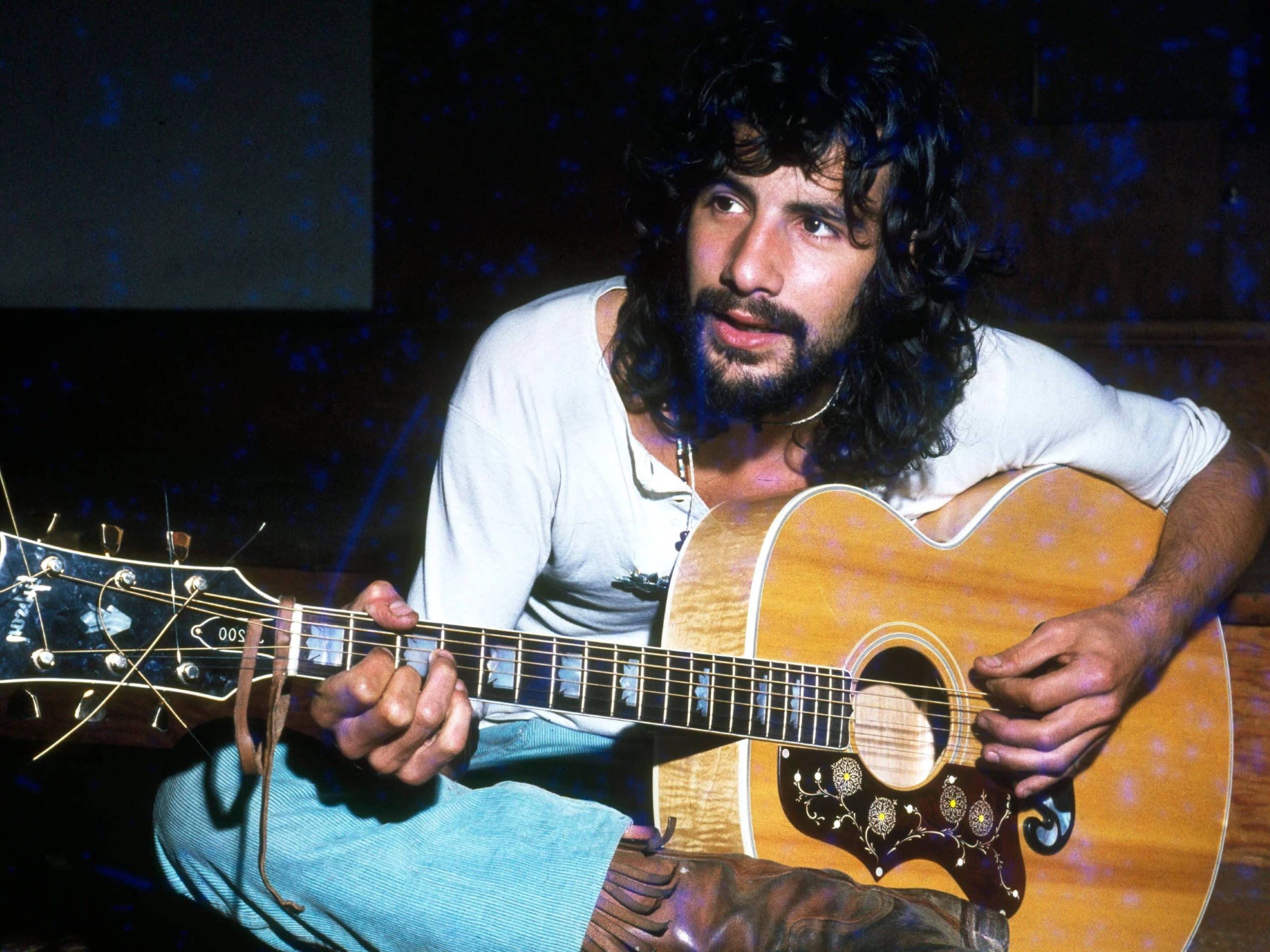
Cat Stevens, born Steven Georgiou on July 21, 1948, is a British singer-songwriter and multi-instrumentalist known for his introspective lyrics and soothing melodies. Emerging in the late 1960s, he quickly gained prominence with his distinctive folk-pop sound and heartfelt songwriting.
Stevens achieved commercial success with albums like “Tea for the Tillerman” (1970) and “Teaser and the Firecat” (1971), which produced hit singles such as “Wild World” and “Father and Son.” His introspective and spiritually searching lyrics resonated with audiences, capturing the ethos of a generation grappling with social and personal upheaval.
In the late 1970s, Stevens converted to Islam, changing his name to Yusuf Islam. He took a hiatus from music for several years but returned in the late 2000s, releasing new albums and embarking on concert tours.
Throughout his career, Cat Stevens/Yusuf Islam’s music has continued to inspire and resonate with audiences worldwide, earning him a place as one of the most influential singer-songwriters of his generation. His legacy endures not only through his timeless music but also through his philanthropic efforts and advocacy for peace and humanitarian causes.
1. Father and Son
“Father and Son” is a poignant folk-rock ballad by Cat Stevens, released in 1970 as part of his album “Tea for the Tillerman.” The song beautifully captures the generational gap and the complex relationship between a father and his son. Through heartfelt lyrics and emotive melodies, Stevens portrays the struggle of a young man yearning for independence while his father imparts wisdom gained from life experience. The song’s timeless themes of family, maturity, and understanding resonate deeply with listeners, making “Father and Son” one of Cat Stevens’ most enduring and beloved compositions.
2. Wild World
“Wild World” is a classic folk-rock song by Cat Stevens, released in 1970 as part of his album “Tea for the Tillerman.” With its distinctive guitar riff and emotive vocals, the song reflects on the end of a romantic relationship and the uncertainties of life’s journey. Stevens’ introspective lyrics caution his former lover about the challenges they’ll face in the “wild world” beyond their relationship. Despite its melancholic undertones, “Wild World” is celebrated for its catchy melody and universal themes of love, loss, and resilience. It remains a timeless anthem that continues to resonate with audiences worldwide.
3. Morning Has Broken
“Morning Has Broken” is a timeless hymn famously recorded by Cat Stevens for his 1971 album “Teaser and the Firecat.” The song, originally a Christian hymn with lyrics by Eleanor Farjeon, celebrates the beauty and renewal of each new day. Stevens’ rendition infuses the song with a gentle folk-pop arrangement, featuring his warm vocals accompanied by piano and acoustic guitar. “Morning Has Broken” became a worldwide hit, cherished for its serene melody and uplifting message. Its enduring popularity has solidified it as a beloved classic, often heard in religious services, weddings, and moments of reflection around the world.
4. Peace Train
“Peace Train” is a timeless anthem of hope and unity by Cat Stevens, released in 1971 as part of his album “Teaser and the Firecat.” With its infectious melody and uplifting lyrics, the song calls for peace and harmony in a troubled world. Stevens’ soothing vocals and folk-rock instrumentation, including prominent acoustic guitar and percussion, convey a sense of optimism and solidarity. “Peace Train” became a symbol of the peace movement during the Vietnam War era and continues to resonate with audiences as a timeless plea for understanding and cooperation. Its message remains as relevant today as it was upon its release, making it a cherished classic in the singer-songwriter’s repertoire.
5. The First Cut Is the Deepest
“The First Cut Is the Deepest” is a poignant and timeless ballad written by Cat Stevens and popularized by numerous artists, including Rod Stewart. Released in 1967, the song delves into the theme of heartbreak and the lasting impact of a first love. Its emotionally resonant lyrics, coupled with a gentle melody, strike a chord with listeners, evoking feelings of vulnerability and introspection. Stewart’s soulful rendition, characterized by his raspy vocals and heartfelt delivery, captures the essence of the song’s raw emotion. “The First Cut Is the Deepest” has become a classic anthem of love and loss, enduring through generations as a testament to the universal experience of heartache.
6. Oh Very Young
“Oh Very Young” is a tender and introspective song by Cat Stevens, released in 1974 as part of his album “Buddha and the Chocolate Box.” The song carries a gentle melody and heartfelt lyrics that reflect on the innocence and vulnerability of youth. Stevens’ soothing vocals and the soft acoustic instrumentation create a peaceful and reflective atmosphere, inviting listeners to contemplate the passage of time and the fleeting nature of youth. “Oh Very Young” resonates with its timeless message, reminding us to cherish the innocence and wonder of youth while also acknowledging its transient nature. It remains a beloved classic in Cat Stevens’ repertoire, celebrated for its beauty and introspection.
7. Moonshadow
“Moonshadow” is a whimsical and uplifting song by Cat Stevens, released in 1971 as part of his album “Teaser and the Firecat.” The song’s cheerful melody, accompanied by Stevens’ distinctive vocals and acoustic guitar, creates an enchanting atmosphere. Lyrically, “Moonshadow” explores themes of optimism, resilience, and the cyclical nature of life’s challenges. Stevens’ playful imagery of chasing after a mysterious moonshadow reflects a sense of wonder and curiosity about the world. The song’s upbeat tempo and catchy refrain make it an instant mood-lifter, inspiring listeners to embrace life’s twists and turns with a sense of joy and wonder. “Moonshadow” remains a beloved classic in Cat Stevens’ repertoire, cherished for its timeless message of hope and resilience.
8. Where Do the Children Play?
“Where Do the Children Play?” is a thought-provoking folk-rock song by Cat Stevens, released in 1970 as part of his album “Tea for the Tillerman.” The song reflects on the impact of modernization and urbanization on the natural world and the future of humanity. Through introspective lyrics and a melodic arrangement featuring acoustic guitar and piano, Stevens questions the consequences of progress and industrialization on the environment and the innocence of childhood. “Where Do the Children Play?” remains a timeless anthem for environmental awareness and a poignant reminder of the importance of preserving nature for future generations.
9. Another Saturday Night
“Another Saturday Night” is a soulful and relatable song by Sam Cooke, released in 1963. The song portrays the loneliness and frustration of spending another weekend night alone. Cooke’s smooth and emotive vocals, combined with a catchy rhythm and blues melody, capture the essence of yearning for companionship and connection. Lyrically, the song depicts the protagonist’s attempts to find solace in various activities but ultimately longing for the company of a loved one. “Another Saturday Night” resonates with listeners for its universal theme of loneliness and its ability to evoke empathy and understanding. It remains a timeless classic in Sam Cooke’s repertoire, celebrated for its emotive storytelling and infectious groove.
10. Lady D’Arbanville
“Lady D’Arbanville” is a hauntingly beautiful ballad by Cat Stevens, released in 1970 as a single. The song tells the story of a man grieving over the loss of a lover named Lady D’Arbanville. Stevens’ emotive vocals are accompanied by a melancholic melody, featuring acoustic guitar and subtle orchestration. The lyrics evoke a sense of longing and sorrow, as the protagonist reminisces about the time spent with his beloved. “Lady D’Arbanville” is renowned for its poetic lyricism and haunting melody, captivating listeners with its bittersweet portrayal of love and loss. It remains a standout track in Cat Stevens’ repertoire, cherished for its emotional depth and evocative storytelling.

Edward Tomlin is a frequent contributor to Singers Room. Since 2005, Singersroom has been the voice of R&B around the world. Connect with us via social media below.









