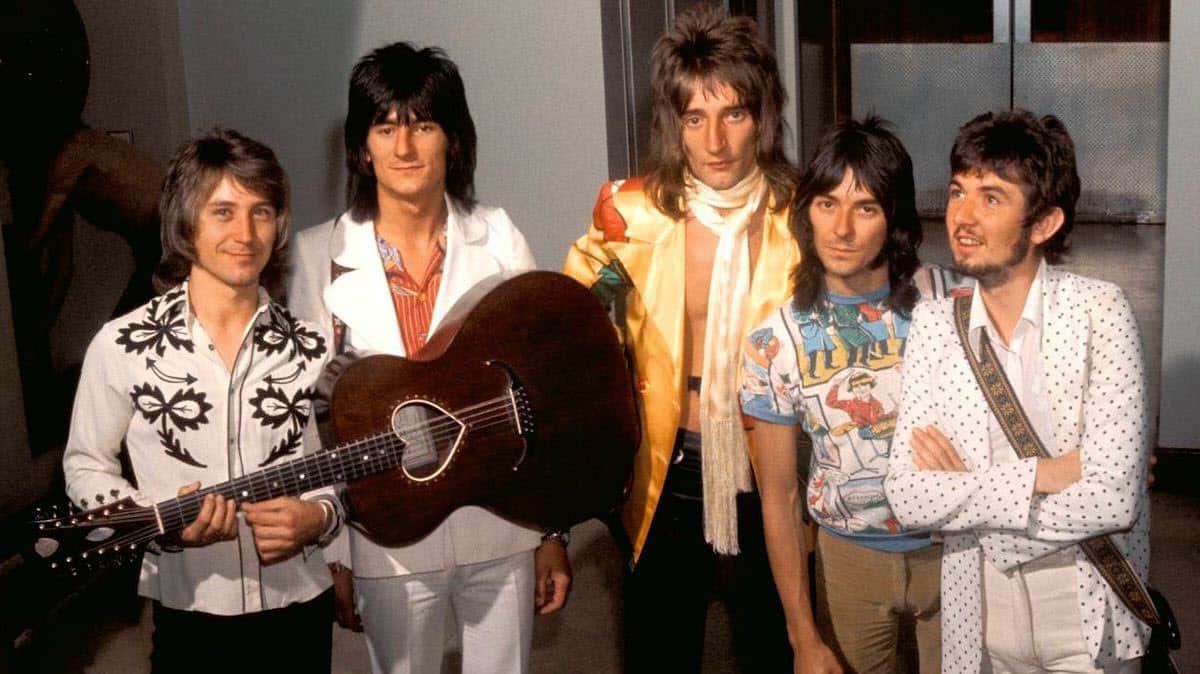
The Faces, a British rock band formed in 1969, left an indelible mark on the music scene with their unique blend of rock, blues, and folk influences. Fronted by the charismatic Rod Stewart and featuring the immense talents of Ronnie Wood, Ronnie Lane, Ian McLagan, and Kenney Jones, The Faces created a dynamic and infectious sound that continues to captivate listeners to this day. In this article, we’ll explore the top 10 most popular songs by The Faces, showcasing the band’s incredible musicianship, songwriting prowess, and enduring legacy.
1. Stay With Me
“Stay With Me,” one of The Faces’ most iconic and enduring tracks, perfectly encapsulates the band’s signature sound and unbridled energy. The song features a driving, rollicking rhythm section, propelled by Kenney Jones’ powerful drumming and Ronnie Lane’s pulsating bass lines, and the dual guitar attack of Ronnie Wood and Ian McLagan, who also contributes his distinctive keyboard work. Rod Stewart’s raspy, soulful vocals bring the lyrics to life, delivering a raw, impassioned plea for love and companionship. The song’s catchy, sing-along chorus and its raucous, party-like atmosphere have made it a staple of classic rock radio and a fan favorite at live shows. “Stay With Me” also showcases the band’s ability to blend elements of rock, blues, and folk into a cohesive, irresistible sound that reflects the rebellious, free-spirited ethos of the early 1970s. The song’s enduring popularity and its influence on countless artists across genres have cemented its status as a classic rock masterpiece and a testament to The Faces’ musical legacy.
2. Ooh La La
“Ooh La La,” a wistful, introspective ballad from The Faces’ 1973 album of the same name, showcases the band’s versatility and emotional depth. The song features a gentle, acoustic guitar-driven melody, accented by Ronnie Lane’s tender vocals and Ian McLagan’s delicate keyboard flourishes. The lyrics, co-written by Lane and Ronnie Wood, express a sense of nostalgia and longing for the innocence and simplicity of youth, with the refrain “I wish that I knew what I know now when I was younger” serving as a poignant reflection on the passage of time and the wisdom gained through experience. The song’s understated, folksy charm and its universal themes of love, regret, and the search for meaning have resonated with listeners across generations, making it one of The Faces’ most beloved and enduring tracks. “Ooh La La” has been featured in numerous films and television shows, and has been covered by various artists, including a notable version by Ronnie Wood himself. The song stands as a testament to The Faces’ songwriting prowess and their ability to create music that is both deeply personal and widely relatable.
3. Had Me a Real Good Time
“Had Me a Real Good Time,” a rollicking, high-energy track from The Faces’ 1971 album “Long Player,” perfectly captures the band’s infectious, party-like spirit and their ability to create irresistible, feel-good rock and roll. The song features a driving, boogie-woogie piano riff courtesy of Ian McLagan, and the tight, grooving interplay of Ronnie Lane’s bass and Kenney Jones’ drumming. Ronnie Wood’s scorching guitar work and Rod Stewart’s gritty, exuberant vocals complete the package, delivering a joyful, celebratory ode to the pleasures of living life to the fullest. The lyrics, co-written by Stewart and Wood, paint a vivid picture of a wild, unforgettable night out, filled with music, dancing, and carefree abandon. “Had Me a Real Good Time” has become a fan favorite and a staple of The Faces’ live shows, its irrepressible energy and sing-along chorus never failing to get audiences on their feet. The song’s enduring popularity and its influence on countless artists in the rock and roll genre have cemented its status as a classic party anthem and a testament to The Faces’ unparalleled ability to create music that is both joyful and deeply rooted in the blues and rock traditions.
4. Cindy Incidentally
“Cindy Incidentally,” a standout track from The Faces’ 1973 album “Ooh La La,” showcases the band’s ability to craft catchy, melodic pop-rock songs with a distinct, folksy charm. The song features a breezy, acoustic guitar-driven melody, punctuated by Ian McLagan’s playful keyboard lines and the tight, understated rhythm section of Ronnie Lane and Kenney Jones. Rod Stewart’s smooth, expressive vocals bring to life the song’s whimsical, romantic lyrics, which tell the story of a chance encounter with a free-spirited, enigmatic woman named Cindy. The song’s catchy, sing-along chorus and its lighthearted, upbeat vibe have made it a favorite among fans of The Faces and a testament to the band’s versatility and songwriting prowess. “Cindy Incidentally” also showcases the band’s ability to blend elements of rock, folk, and pop into a cohesive, irresistible sound that reflects the laid-back, carefree spirit of the early 1970s. The song’s enduring popularity and its inclusion in various films and television shows have further cemented its status as a classic example of The Faces’ unique musical style and their enduring contribution to the rock and roll canon.
5. You’re So Rude
“You’re So Rude,” a rollicking, tongue-in-cheek track from The Faces’ 1973 album “Ooh La La,” perfectly encapsulates the band’s mischievous, irreverent spirit and their ability to create infectious, high-energy rock and roll. The song features a driving, boogie-woogie piano riff courtesy of Ian McLagan, and the tight, grooving interplay of Ronnie Lane’s bass and Kenney Jones’ drumming. Ronnie Wood’s blistering guitar work and Rod Stewart’s cheeky, exuberant vocals complete the package, delivering a humorous, satirical take on the pitfalls of fame and the music industry. The lyrics, co-written by Lane and Stewart, poke fun at the excesses and absurdities of the rock and roll lifestyle, with Stewart’s persona lamenting the rude behavior of hangers-on and fair-weather friends. “You’re So Rude” has become a fan favorite and a staple of The Faces’ live shows, its irresistible, sing-along chorus and playful, self-deprecating humor never failing to get audiences dancing and laughing along. The song’s enduring popularity and its influence on countless artists in the rock and roll genre have cemented its status as a classic example of The Faces’ unique blend of musical virtuosity and irreverent, good-natured fun.
6. Miss Judy’s Farm
“Miss Judy’s Farm,” a high-octane, bluesy rocker from The Faces’ 1971 album “A Nod Is As Good As a Wink… to a Blind Horse,” showcases the band’s raw, unbridled energy and their mastery of the classic rock and roll sound. The song features a blistering, slide guitar-driven riff courtesy of Ronnie Wood, and the explosive, powerhouse drumming of Kenney Jones. Ronnie Lane’s pulsating bass lines and Ian McLagan’s swirling keyboard work provide the perfect foundation for Rod Stewart’s gritty, impassioned vocals, which deliver a tale of love, jealousy, and revenge set against the backdrop of a rural farmstead. The lyrics, co-written by Wood and Stewart, paint a vivid, cinematic picture of a world filled with colorful characters and high-stakes drama, with Stewart’s persona playing the role of a spurned lover seeking justice. “Miss Judy’s Farm” has become a fan favorite and a testament to The Faces’ unparalleled ability to create music that is both musically sophisticated and deeply rooted in the blues and rock traditions. The song’s enduring popularity and its influence on countless artists in the classic rock genre have cemented its status as a quintessential example of The Faces’ raw, powerful sound and their enduring musical legacy.
7. Too Bad
“Too Bad,” a poignant, introspective ballad from The Faces’ 1971 album “A Nod Is As Good As a Wink… to a Blind Horse,” showcases the band’s emotional depth and their ability to create music that is both deeply personal and universally relatable. The song features a gentle, acoustic guitar-driven melody, accented by Ronnie Lane’s tender, heartfelt vocals and Ian McLagan’s delicate keyboard flourishes. The lyrics, written by Lane, express a sense of regret and longing for a lost love, with the refrain “It’s too bad, it’s too sad, but I still love you” serving as a powerful, emotionally charged confession of unresolved feelings. The song’s understated, intimate atmosphere and its raw, honest portrayal of heartbreak and vulnerability have resonated with listeners across generations, making it one of The Faces’ most beloved and enduring tracks. “Too Bad” also showcases the band’s versatility and their ability to create music that is both musically sophisticated and emotionally authentic, with Lane’s songwriting and vocal performance serving as a poignant counterpoint to the band’s more raucous, high-energy material. The song stands as a testament to The Faces’ musical and emotional range, and their enduring contribution to the rock and roll canon.
8. Debris
“Debris,” a hauntingly beautiful, folk-inspired ballad from The Faces’ 1971 album “A Nod Is As Good As a Wink… to a Blind Horse,” showcases the band’s musical versatility and their ability to create music that is both emotionally powerful and lyrically profound. The song features a delicate, fingerpicked acoustic guitar melody, accented by Ronnie Lane’s ethereal, emotive vocals and the subtle, understated accompaniment of his bandmates. The lyrics, written by Lane, are a poetic, introspective meditation on the passage of time, the inevitability of change, and the bittersweet nature of memory. The song’s evocative imagery and its wistful, melancholic tone have resonated with listeners across generations, making it one of The Faces’ most beloved and enduring tracks. “Debris” also showcases the band’s ability to create music that is both musically sophisticated and deeply rooted in the folk and singer-songwriter traditions, with Lane’s songwriting and vocal performance serving as a powerful testament to his often-overlooked contributions to the band’s sound. The song stands as a testament to The Faces’ musical and emotional range, and their enduring legacy as one of the most influential and beloved rock bands of their era.
9. Flying
“Flying,” a soaring, uplifting track from The Faces’ 1973 album “Ooh La La,” showcases the band’s ability to create music that is both musically ambitious and emotionally resonant. The song features a lush, orchestral arrangement, complete with sweeping strings and majestic brass, and the powerful, emotive vocals of Rod Stewart. The lyrics, co-written by Ronnie Lane and Ronnie Wood, are a poetic, metaphorical exploration of the transformative power of love and the transcendent nature of the human spirit. The song’s grandiose, epic scale and its life-affirming message have resonated with listeners across generations, making it one of The Faces’ most beloved and enduring tracks. “Flying” also showcases the band’s musical versatility and their willingness to experiment with different styles and arrangements, with the orchestral elements adding a new dimension to their signature sound. The song stands as a testament to The Faces’ creative ambition and their ability to create music that is both musically sophisticated and emotionally powerful, cementing their status as one of the most influential and beloved rock bands of their era.
10. Pool Hall Richard
“Pool Hall Richard,” a raucous, high-energy rocker from The Faces’ 1973 album “Ooh La La,” perfectly encapsulates the band’s signature sound and their ability to create music that is both musically explosive and lyrically vivid. The song features a driving, boogie-woogie piano riff courtesy of Ian McLagan, and the tight, grooving interplay of Ronnie Lane’s bass and Kenney Jones’ drumming. Ronnie Wood’s scorching guitar work and Rod Stewart’s gritty, exuberant vocals complete the package, delivering a colorful, character-driven tale of a notorious pool hustler and the seedy, underground world he inhabits. The lyrics, co-written by Stewart and Wood, paint a vivid, cinematic picture of a larger-than-life figure and the cast of misfits and outcasts that surround him, with Stewart’s persona serving as both narrator and participant in the unfolding drama. “Pool Hall Richard” has become a fan favorite and a staple of The Faces’ live shows, its irresistible, raucous energy and unforgettable characters never failing to get audiences on their feet. The song’s enduring popularity and its influence on countless artists in the rock and roll genre have cemented its status as a classic example of The Faces’ unique blend of musical virtuosity, storytelling prowess, and unbridled rock and roll spirit.

Edward Tomlin is a frequent contributor to Singers Room. Since 2005, Singersroom has been the voice of R&B around the world. Connect with us via social media below.









