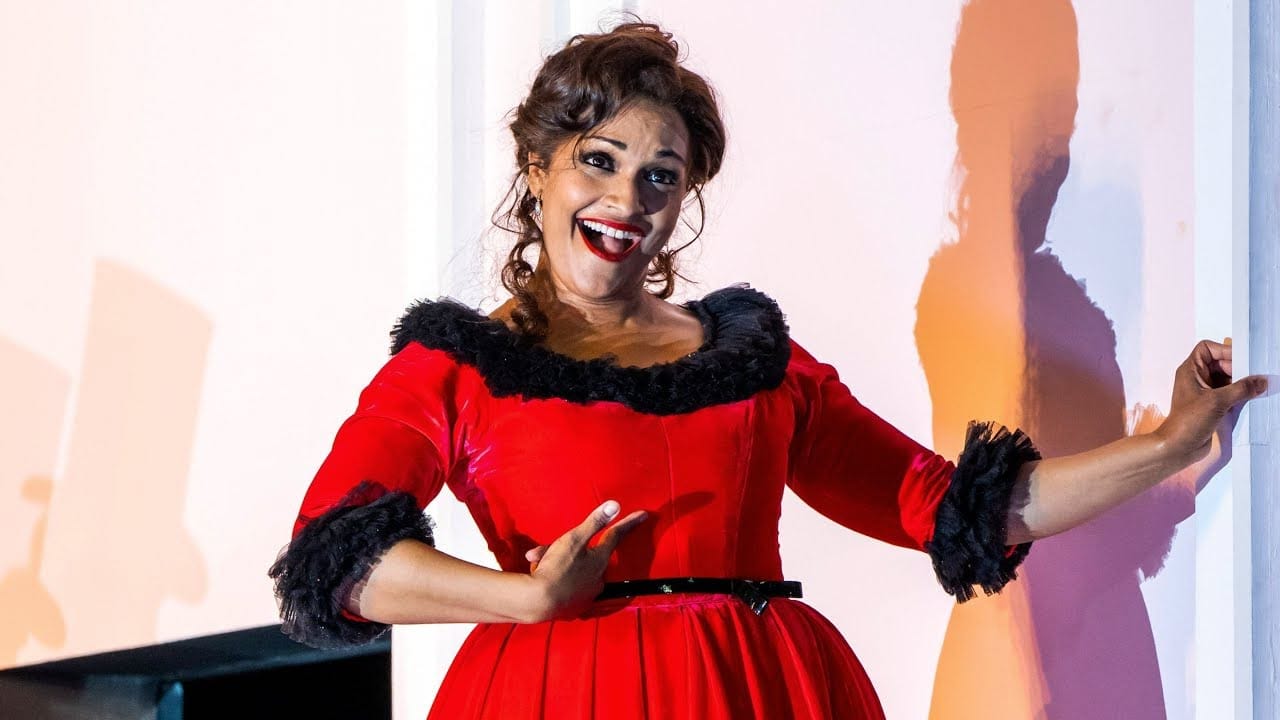
Opera, a captivating art form that combines music, drama, and storytelling, has been enthralling audiences for centuries. Throughout history, numerous talented singers have graced the stage, leaving an indelible mark on the world of opera with their exceptional voices, emotional depth, and dramatic prowess. In this article, we will explore the top 15 most popular and best opera singers of all time, celebrating their incredible contributions to the art form and their ability to transport audiences to another world through their performances. From the legendary voices of the past to the contemporary stars of today, these singers have earned their place in the pantheon of opera greats.
1. Maria Callas
Maria Callas, the Greek-American soprano, is widely regarded as one of the most influential and iconic opera singers of the 20th century. Known for her versatility, emotional intensity, and technical brilliance, Callas redefined the art of opera and set a new standard for dramatic interpretation. Her voice, with its distinctive timbre and expressive range, allowed her to tackle a wide variety of roles, from the bel canto heroines of Bellini and Donizetti to the complex characters of Verdi and Puccini. Callas’ performances were marked by a deep understanding of the music and the characters she portrayed, as well as a willingness to take risks and push the boundaries of traditional opera. Her legendary portrayals of roles such as Norma, Tosca, and Medea are still considered benchmarks in the world of opera, and her influence can be seen in the work of countless singers who followed in her footsteps. Despite her relatively short career and personal struggles, Maria Callas remains an enduring symbol of the power and beauty of the human voice, and her legacy continues to inspire and captivate opera lovers around the world.
2. Luciano Pavarotti
Luciano Pavarotti, the Italian tenor, is one of the most beloved and recognizable opera singers in history. Known for his powerful voice, effortless high notes, and charming stage presence, Pavarotti brought opera to the masses and became a global superstar in the process. His career spanned over four decades, during which he performed in the world’s most prestigious opera houses and concert halls, and collaborated with numerous renowned conductors and singers. Pavarotti’s repertoire encompassed a wide range of roles, from the romantic leads of Donizetti and Verdi to the dramatic intensity of Puccini. His signature aria, “Nessun Dorma” from Puccini’s “Turandot,” became a cultural phenomenon and cemented his status as one of the greatest tenors of all time. Beyond his opera career, Pavarotti was also known for his humanitarian work and his celebrated “Three Tenors” concerts with fellow opera stars Plácido Domingo and José Carreras. His larger-than-life personality, infectious smile, and undeniable talent made him a beloved figure both within and beyond the world of opera, and his legacy continues to inspire new generations of singers and music lovers alike.
3. Renée Fleming
Renée Fleming, the American soprano, is one of the most acclaimed and versatile opera singers of her generation. Known for her lush, velvety voice, exquisite musicality, and commanding stage presence, Fleming has captivated audiences around the world with her performances in a wide range of repertoire, from the Baroque era to contemporary works. Her interpretations of roles such as the Marschallin in Strauss’ “Der Rosenkavalier,” the Countess in Mozart’s “Le Nozze di Figaro,” and Rusalka in Dvořák’s opera of the same name are considered definitive, showcasing her ability to bring depth, nuance, and emotional truth to each character she portrays. Fleming’s career has also encompassed recitals, concerts, and crossover projects, demonstrating her versatility and appeal beyond the opera stage. She has been a champion of new music, premiering works by composers such as André Previn and Brad Mehldau, and has been a prominent advocate for the arts and music education. Renée Fleming’s artistry, intelligence, and grace have made her one of the most respected and admired figures in the world of opera, and her contributions to the art form continue to inspire and enrich the lives of music lovers around the globe.
4. Plácido Domingo
Plácido Domingo, the Spanish tenor, conductor, and opera administrator, is one of the most influential and prolific figures in the history of opera. With a career spanning over six decades, Domingo has performed in more than 150 roles, showcasing his versatility, dramatic intensity, and vocal prowess. He is particularly renowned for his interpretations of Verdi and Puccini heroes, such as Otello, Don Carlo, and Cavaradossi, as well as his championing of lesser-known works and contemporary operas. Domingo’s voice, with its robust tone, expressive phrasing, and powerful high notes, has made him a favorite among audiences and critics alike. Beyond his singing career, Domingo has also made significant contributions as a conductor, leading orchestras and opera productions around the world, and as an opera administrator, serving as the General Director of the Washington National Opera and the Los Angeles Opera. He is also known for his philanthropic work and his efforts to promote young talent through initiatives such as Operalia, an international singing competition. Plácido Domingo’s passion, artistry, and tireless dedication to the art form have made him a true icon in the world of opera, and his legacy continues to shape and inspire the future of the genre.
5. Joan Sutherland
Joan Sutherland, the Australian soprano, was one of the most celebrated and influential opera singers of the 20th century. Known as “La Stupenda” for her astonishing vocal technique and range, Sutherland played a pivotal role in the revival of the bel canto repertoire, bringing renewed attention to the works of composers such as Donizetti, Bellini, and Rossini. Her performances in roles such as Lucia di Lammermoor, Norma, and Maria Stuarda set new standards for technical brilliance, musical expression, and dramatic intensity, and her collaborations with conductor Richard Bonynge, who was also her husband, produced some of the most iconic recordings in opera history. Sutherland’s voice, with its ethereal beauty, effortless coloratura, and shimmering high notes, was a marvel of nature and art, and her ability to convey a wide range of emotions, from tender vulnerability to fierce determination, made her a beloved figure among opera fans. Beyond her stage career, Sutherland was also known for her generosity and humility, mentoring young singers and supporting various charitable causes. Joan Sutherland’s legacy as one of the greatest sopranos of all time continues to inspire and influence generations of singers, and her recordings remain a testament to the enduring power and beauty of the human voice.
6. José Carreras
José Carreras, the Spanish tenor, is one of the most acclaimed and beloved opera singers of his generation. Known for his lyrical voice, emotional depth, and charismatic stage presence, Carreras has captivated audiences around the world with his performances in a wide range of roles, from the romantic leads of Puccini and Verdi to the dramatic intensity of Bizet and Massenet. His interpretations of characters such as Rodolfo in “La Bohème,” Don José in “Carmen,” and Werther in the opera of the same name are considered benchmarks in the world of opera, showcasing his ability to convey the inner lives and conflicts of the characters he portrays. Carreras’ career has also been marked by his resilience and determination, as he successfully battled leukemia in the late 1980s and returned to the stage with renewed vigor and purpose. Beyond his opera career, Carreras is also known for his humanitarian work, particularly through the José Carreras Leukemia Foundation, which he established to support research and treatment of the disease. His participation in the celebrated “Three Tenors” concerts with Plácido Domingo and Luciano Pavarotti further cemented his status as a cultural icon and brought opera to a wider audience. José Carreras’ artistry, passion, and personal courage have made him an enduring symbol of the power of music to heal and inspire, and his contributions to the world of opera continue to resonate with music lovers around the globe.
7. Montserrat Caballé
Montserrat Caballé, the Spanish soprano, was one of the most versatile and expressive opera singers of the 20th century. Known for her lush, velvety voice, exquisite pianissimos, and emotional depth, Caballé excelled in a wide range of repertoire, from the bel canto works of Rossini and Donizetti to the dramatic intensity of Verdi and Strauss. Her interpretations of roles such as Norma, Elisabetta in “Don Carlo,” and Salome in the opera of the same name were celebrated for their musical and dramatic complexity, showcasing her ability to convey the psychological and emotional nuances of the characters she portrayed. Caballé’s career was also marked by her collaborations with a wide range of artists, from the legendary soprano Marilyn Horne to the rock vocalist Freddie Mercury, with whom she recorded the hit song “Barcelona.” Her performances in recitals and concerts were equally acclaimed, demonstrating her ability to communicate directly with audiences and to bring a sense of intimacy and immediacy to her music-making. Montserrat Caballé’s artistry, generosity, and humility made her a beloved figure in the world of opera, and her legacy continues to inspire and influence generations of singers and music lovers alike.
8. Birgit Nilsson
Birgit Nilsson, the Swedish soprano, was one of the most powerful and commanding voices in the history of opera. Known for her unparalleled stamina, clarion high notes, and dramatic intensity, Nilsson dominated the dramatic soprano repertoire of the 20th century, particularly the works of Wagner and Strauss. Her portrayals of roles such as Brünnhilde in Wagner’s “Ring Cycle,” Isolde in “Tristan und Isolde,” and Elektra in Strauss’ opera of the same name set new standards for vocal and dramatic excellence, and her performances were celebrated for their musicality, intelligence, and sheer visceral impact. Nilsson’s voice, with its laser-like focus, unwavering pitch, and seemingly limitless power, was a force of nature, and her ability to cut through even the densest orchestral textures made her a favorite among conductors and audiences alike. Beyond her stage career, Nilsson was also known for her wit, candor, and generosity, often using her fame and influence to support various charitable causes and to mentor young singers. Birgit Nilsson’s legacy as one of the greatest dramatic sopranos of all time continues to inspire and awe opera lovers around the world, and her recordings remain a testament to the unparalleled power and artistry of her voice.
9. Franco Corelli
Franco Corelli, the Italian tenor, was one of the most thrilling and charismatic opera singers of the 20th century. Known for his robust, ardent voice, dashing stage presence, and emotional intensity, Corelli brought a sense of excitement and spontaneity to every role he performed, from the romantic leads of Puccini and Verdi to the heroic characters of Meyerbeer and Giordano. His interpretations of roles such as Manrico in “Il Trovatore,” Radamès in “Aida,” and Andrea Chénier in the opera of the same name were celebrated for their vocal and dramatic power, as well as their ability to connect with audiences on a visceral, emotional level. Corelli’s voice, with its ringing high notes, vibrant timbre, and seemingly effortless projection, was a marvel of nature and art, and his performances were often marked by a sense of risk-taking and spontaneity that kept audiences on the edge of their seats. Beyond his stage career, Corelli was also known for his larger-than-life personality, his passionate devotion to his craft, and his generosity towards his colleagues and fans. Franco Corelli’s legacy as one of the greatest tenors of all time continues to inspire and influence generations of singers, and his recordings remain a testament to the enduring power and artistry of his voice.
10. Mirella Freni
Mirella Freni, the Italian soprano, was one of the most beloved and respected opera singers of her generation. Known for her warm, lyrical voice, emotional honesty, and elegant stage presence, Freni excelled in a wide range of roles, from the youthful heroines of Puccini and Verdi to the more complex characters of Tchaikovsky and Janáček. Her portrayals of Mimì in “La Bohème,” Susanna in “Le Nozze di Figaro,” and Tatiana in “Eugene Onegin” were celebrated for their musical and dramatic sensitivity, as well as their ability to convey the inner lives and struggles of the characters she portrayed. Freni’s voice, with its creamy tone, effortless legato, and expressive phrasing, was a model of Italian vocal style, and her performances were marked by a sense of naturalness and sincerity that endeared her to audiences around the world. Beyond her stage career, Freni was also known for her dedication to teaching and mentoring young singers, as well as her warm, generous personality and her enduring friendships with many of her colleagues, including the legendary tenor Luciano Pavarotti, with whom she often performed. Mirella Freni’s legacy as one of the greatest sopranos of her generation continues to inspire and influence singers and opera lovers alike, and her recordings remain a testament to the beauty, artistry, and humanity of her voice.
11. Leontyne Price
Leontyne Price, the American soprano, was one of the most groundbreaking and influential opera singers of the 20th century. Known for her lush, powerful voice, regal stage presence, and deep musical intelligence, Price broke down racial barriers in the world of opera and paved the way for generations of African American singers. Her portrayals of roles such as Aida, Leonora in “Il Trovatore,” and Cleopatra in “Antony and Cleopatra” set new standards for vocal and dramatic excellence, and her performances were celebrated for their emotional depth, musical sophistication, and sheer beauty of tone. Price’s voice, with its rich, velvety timbre, expansive range, and effortless projection, was a marvel of nature and art, and her ability to infuse every phrase with meaning and intention made her a favorite among conductors, directors, and audiences alike. Beyond her stage career, Price was also known for her commitment to civil rights and social justice, using her fame and influence to advocate for equality and opportunity both within and beyond the world of opera. Leontyne Price’s legacy as one of the greatest sopranos of all time, and as a trailblazer for African American artists, continues to inspire and challenge us to this day, and her recordings remain a testament to the transformative power of art to bridge divides and unite humanity.
12. Renata Tebaldi
Renata Tebaldi, the Italian soprano, was one of the most acclaimed and beloved opera singers of the 20th century. Known for her lush, velvety voice, exquisite phrasing, and heartfelt interpretations, Tebaldi embodied the quintessential Italian soprano sound and style, and her performances in roles such as Desdemona in “Otello,” Mimì in “La Bohème,” and Tosca in the opera of the same name were celebrated for their musical and dramatic intensity. Tebaldi’s voice, with its warm, glowing timbre, effortless legato, and shimmering high notes, was a thing of beauty, and her ability to convey the full range of human emotions, from tender vulnerability to fierce passion, made her a favorite among audiences and critics alike. Her rivalry with fellow soprano Maria Callas, which was often played up in the media, only served to heighten her fame and mystique, and their contrasting styles and personalities came to symbolize two different approaches to opera: one based on musical perfection and beauty of tone, the other on dramatic intensity and psychological depth. Beyond her stage career, Tebaldi was also known for her generosity, humility, and dedication to her craft, and her influence can be seen in the work of countless sopranos who followed in her footsteps. Renata Tebaldi’s legacy as one of the greatest sopranos of all time continues to inspire and move opera lovers around the world, and her recordings remain a testament to the enduring power and beauty of the human voice.
13. Jussi Björling
Jussi Björling, the Swedish tenor, was one of the most gifted and expressive opera singers of the 20th century. Known for his clear, ringing voice, impeccable technique, and emotional sincerity, Björling brought a sense of naturalness and immediacy to every role he sang, from the romantic leads of Puccini and Verdi to the heroic characters of Wagner and Strauss. His portrayals of Rodolfo in “La Bohème,” Manrico in “Il Trovatore,” and Calaf in “Turandot” were celebrated for their musical and dramatic intensity, as well as their ability to convey the inner lives and struggles of the characters he portrayed. Björling’s voice, with its silvery timbre, effortless high notes, and expressive phrasing, was a model of Swedish vocal style, and his performances were marked by a sense of honesty and vulnerability that endeared him to audiences around the world. Beyond his stage career, Björling was also known for his dedication to his family and his love of his native Sweden, often returning home to perform and teach between international engagements. Jussi Björling’s legacy as one of the greatest tenors of all time continues to inspire and influence singers and opera lovers alike, and his recordings remain a testament to the beauty, artistry, and humanity of his voice.
14. Cecilia Bartoli
Cecilia Bartoli, the Italian mezzo-soprano, is one of the most innovative and influential opera singers of her generation. Known for her dazzling coloratura, expressive phrasing, and fearless approach to repertoire, Bartoli has redefined the role of the mezzo-soprano and expanded the boundaries of what is possible in opera. Her performances in roles such as Rosina in “Il Barbiere di Siviglia,” Angelina in “La Cenerentola,” and the title role in “La Donna del Lago” are celebrated for their technical brilliance, musical imagination, and dramatic intensity, and her exploration of neglected and forgotten works has brought new attention to the rich heritage of Italian opera. Bartoli’s voice, with its warm, velvety timbre, agile coloratura, and expressive range, is a marvel of nature and art, and her ability to infuse every phrase with meaning and intention has made her a favorite among conductors, directors, and audiences alike. Beyond her stage career, Bartoli is also known for her scholarship, her commitment to historical performance practice, and her tireless advocacy for the arts and music education. Cecilia Bartoli’s legacy as one of the greatest mezzo-sopranos of all time, and as a champion of the operatic tradition, continues to inspire and challenge us to this day, and her recordings remain a testament to the enduring power and relevance of classical music in the modern world.
15. Bryn Terfel
Bryn Terfel, the Welsh bass-baritone, is one of the most charismatic and versatile opera singers of his generation. Known for his powerful, resonant voice, dynamic stage presence, and wide-ranging repertoire, Terfel has made a significant impact on the world of opera and beyond, bringing new audiences to classical music and redefining the role of the bass-baritone. His portrayals of roles such as Figaro in “Le Nozze di Figaro,” Falstaff in the opera of the same name, and Wotan in Wagner’s “Ring Cycle” are celebrated for their musical and dramatic complexity, as well as their ability to convey the humor, pathos, and humanity of the characters he portrays. Terfel’s voice, with its rich, dark timbre, expansive range, and expressive power, is a marvel of nature and art, and his ability to inhabit a wide range of characters and styles has made him a favorite among conductors, directors, and audiences alike. Beyond his stage career, Terfel is also known for his commitment to Welsh culture and music, his charitable work, and his engaging personality, which has helped to break down stereotypes about opera and classical music. Bryn Terfel’s legacy as one of the greatest bass-baritones of all time, and as an ambassador for the arts, continues to inspire and entertain audiences around the world, and his recordings remain a testament to the enduring power and relevance of the operatic tradition.

Samuel Moore is a frequent contributor to Singers Room. Since 2005, Singersroom has been the voice of R&B around the world. Connect with us via social media below.